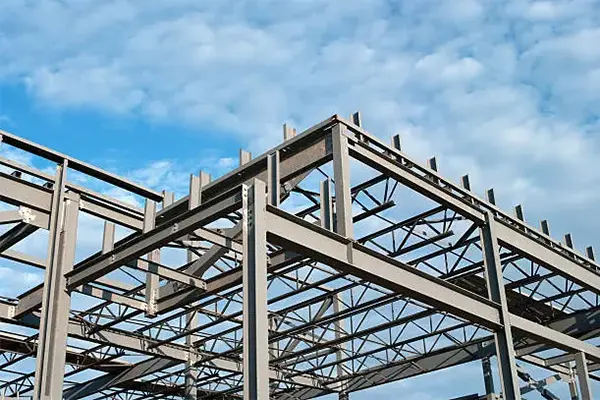
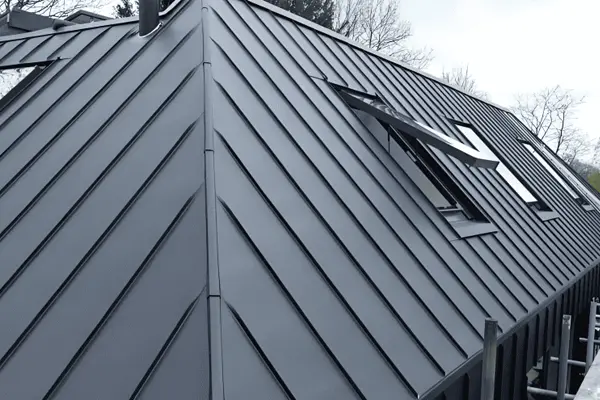
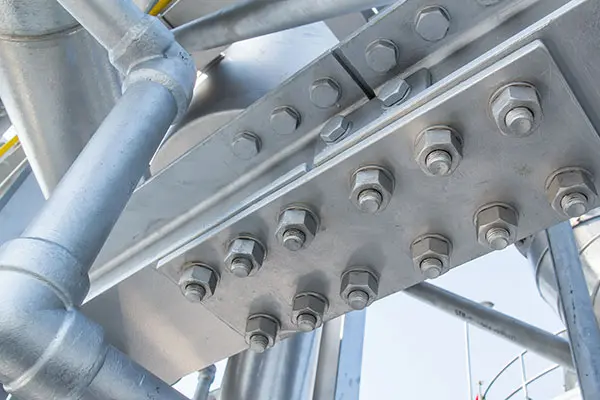
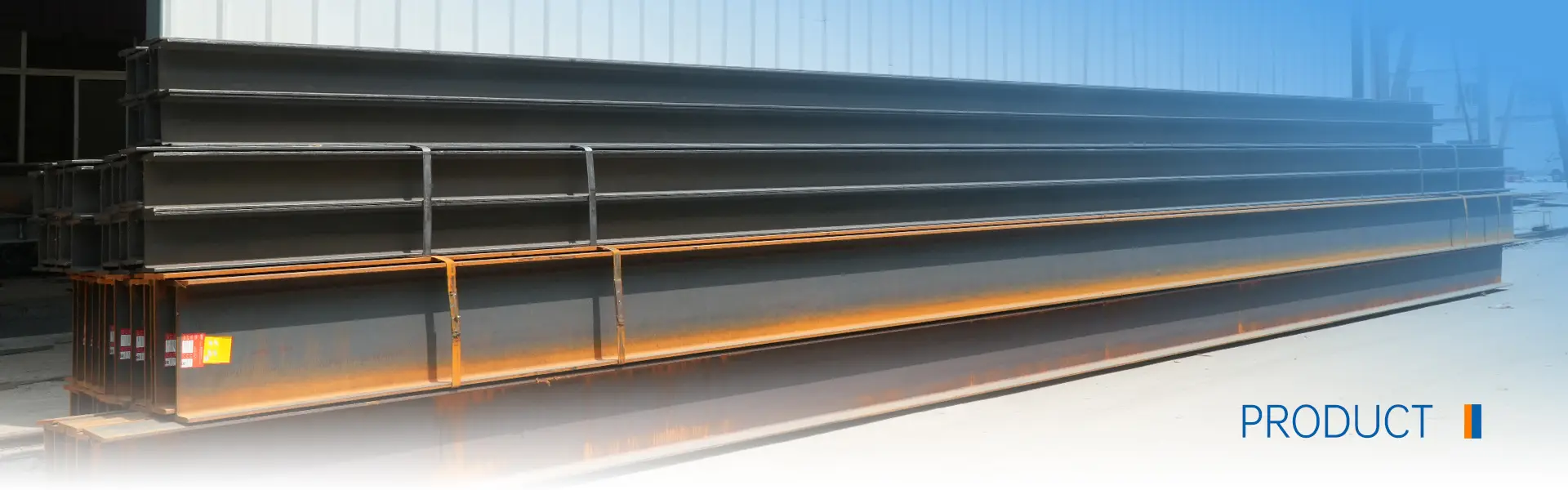
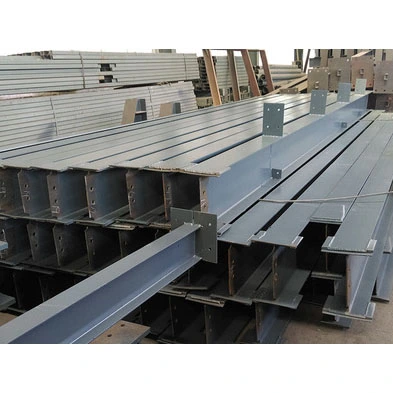
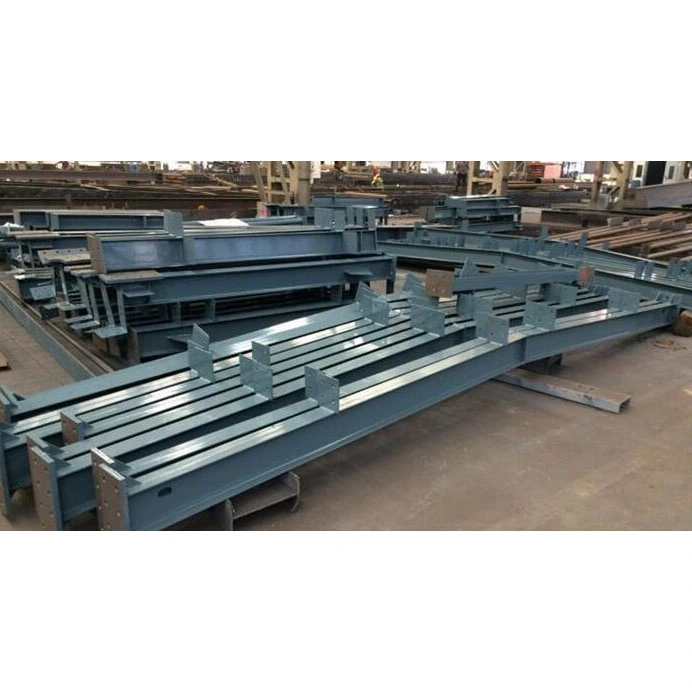
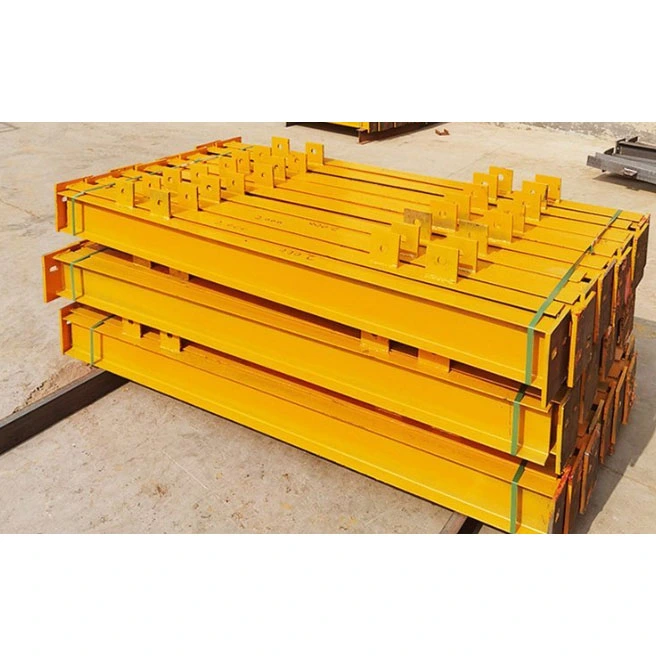
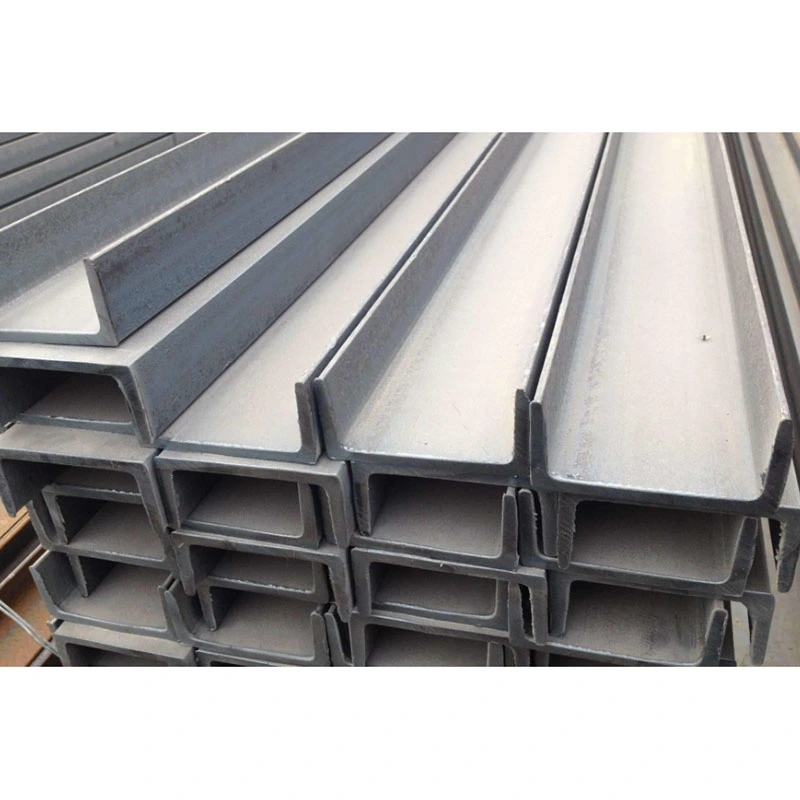
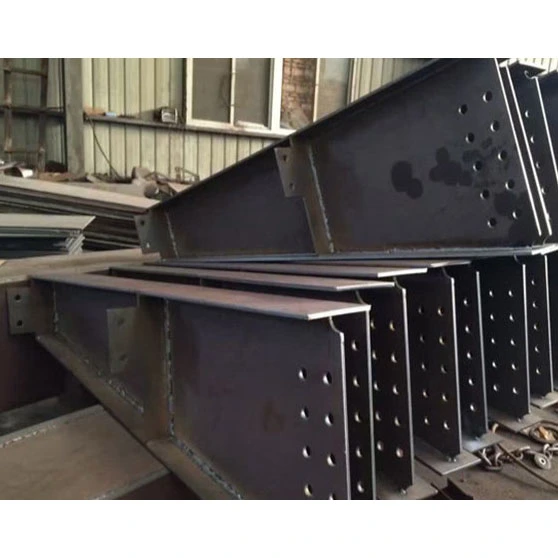
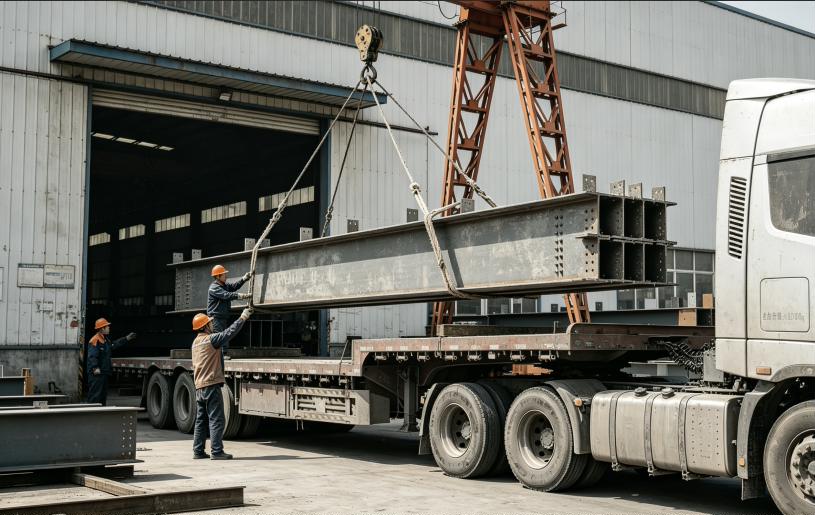
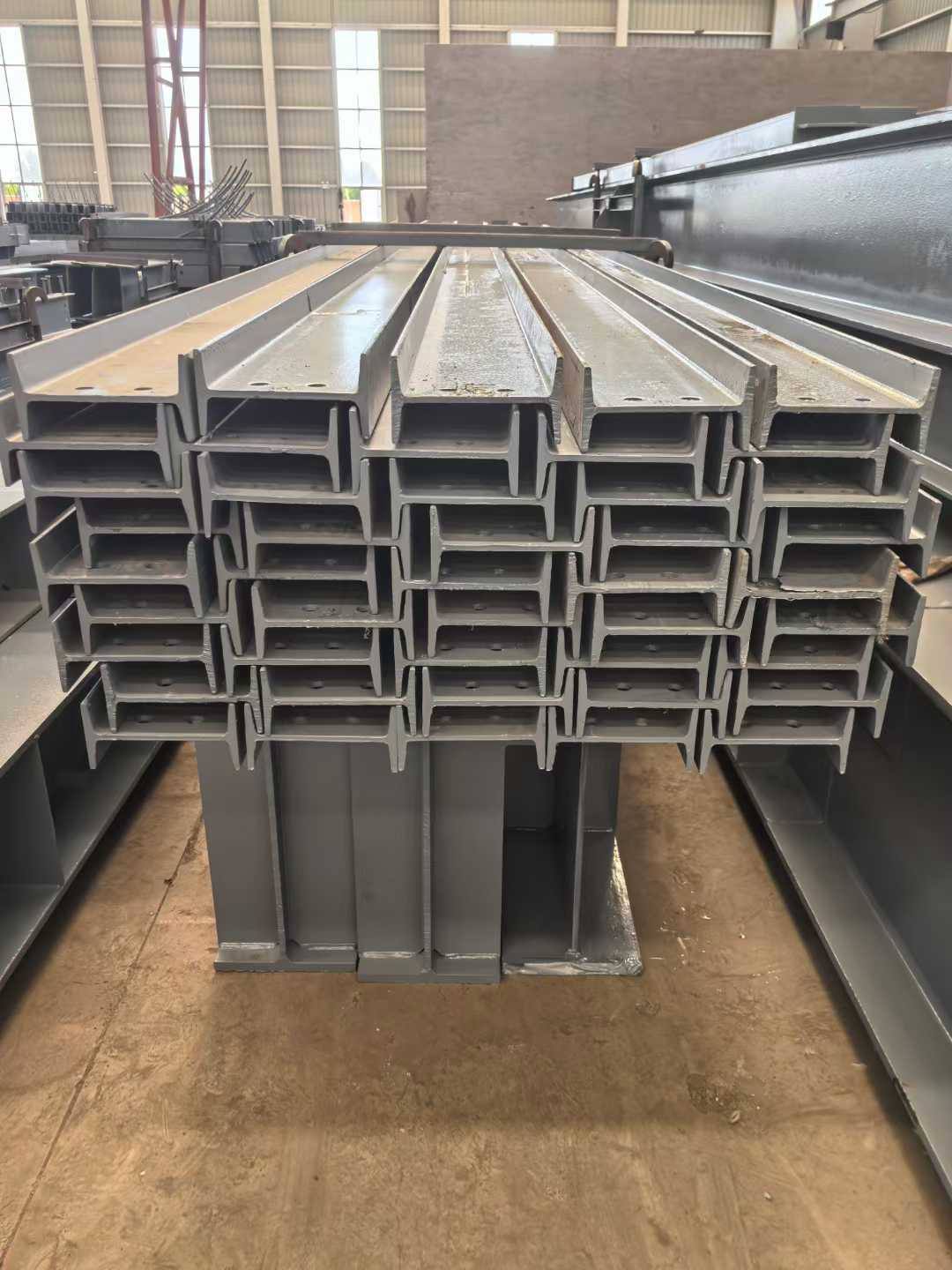
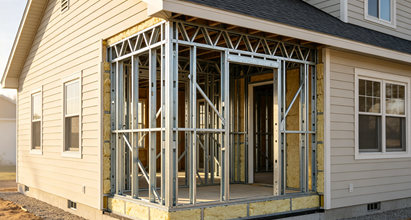
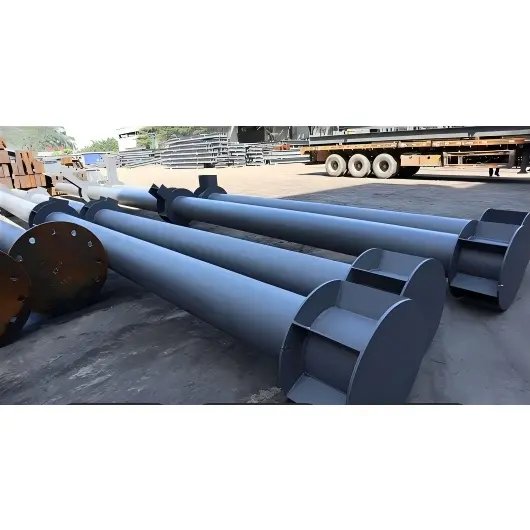
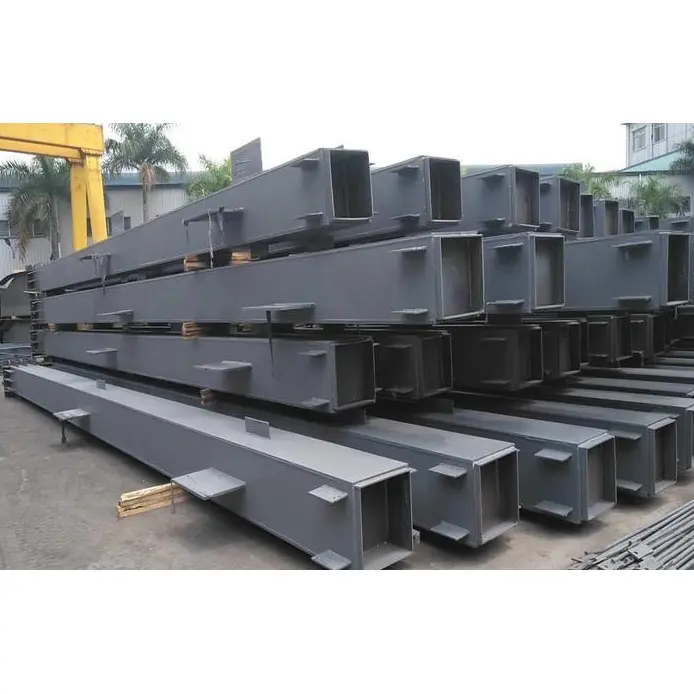
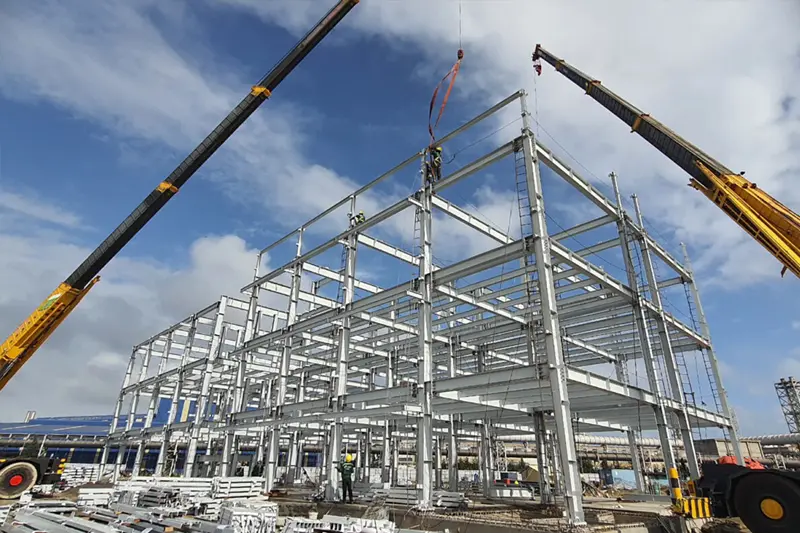
As a reliable manufacturer and one-stop supplier of steel structures in China, HAISHENG offers ready-stock secondary structural support steel beams. Fabricated from Q355B/Q235B hot-rolled H-beams, I-beams, or channel steel, these beams serve as secondary horizontal load-bearing components for steel mezzanines. Installed transversely across the primary mezzanine beams, they support floor decking and surface loads, distributing them evenly to the primary beams; they act as the secondary load-bearing framework that disperses floor loads and supports the mezzanine platform surface. They are manufactured through processes such as cutting, welding, straightening, shot-blasting (rust removal), and anti-corrosion coating, and come complete with connecting components like connection plates and bolts.
Load transmission in steel mezzanines involves a two-stage mechanism: primary beams support vertical loads from columns, while secondary structural support steel beams act as secondary load-bearing elements, bridging the load-bearing gaps between primary beams. Fabricated from standard hot-rolled sections or small welded sections, these beams do not require the high-specification weld flaw detection processes used for primary beams. They balance structural safety with project costs and meet distributed load-bearing requirements for small-to-medium span floors and roof enclosures, representing the most widely used secondary load-bearing component in primary-secondary beam systems.
Structural Load Definition and Application Scenarios
1. Basic Definition
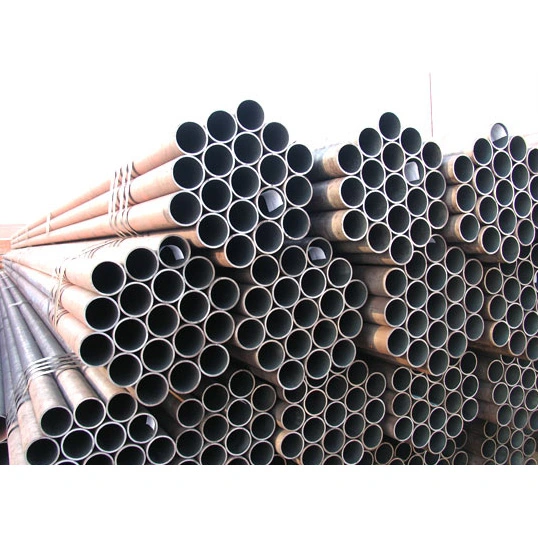
Secondary structural support steel beams are installed transversely and fixed at the corbel positions of primary beams; they do not connect directly to steel columns. They primarily support floor decking, roof enclosures, and localized live loads from personnel and equipment, transferring distributed loads to the primary beams, which then transmit them to the steel columns and foundations. Industry-standard base materials include four types: hot-rolled H-beams, standard I-beams, channel steel, and lightweight welded H-beams. Q235B is typically selected as the primary material for standard indoor and outdoor projects, while Q355B is used for platforms supporting heavy-duty or vibrating equipment.
2. Universal Application Scenarios
- Secondary beams for industrial factory floor slabs
- Load-bearing platforms for standalone outdoor equipment
- Support beams for roof purlin brackets
- Secondary beams for indoor steel mezzanine floors
Standardized Factory-Supplied Component Details
1. Main Beam Configuration
- Categorized into cut hot-rolled sections and custom welded sections. Standard I-beams, channel steel, and hot-rolled H-beams are produced via CNC cutting of stock-length profiles. For non-standard bay widths or special spans, lightweight welded H-beams (fabricated from smaller steel plates) are used; heavy-duty welding processes involving thick plates are avoided.
2. End Connection Accessories
- Lap connection plates: The standard pinned connection method; thin plates are welded to the beam ends, lapped onto the main beam's corbel (bracket), and secured with positioning bolts.
- Thin end plates: Used only for specific semi-rigid connections; the plate thickness is significantly lower than that of main beam bearing end plates, and no thickening reinforcement is applied.
- End stiffeners: Installed only on secondary beams subject to concentrated bearing loads; not included for standard I-beam or channel steel secondary beams.
3. Beam Body Accessories
- Purlin bracket plates: Specific to roof secondary beams; welded to the top flange to support lapped galvanized roof purlins.
- Utility opening reinforcement plates: Installed around web openings that exceed standard size limits to reinforce the cross-sectional strength.
4. Construction Accessories
- Standard secondary structural support steel beams (up to 12m) are not equipped with lifting lugs; hoisting is performed by slinging around the profile flanges. Extra-long or heavy-duty secondary beams are factory-fitted with simple welded lifting lugs.
5. Corrosion Protection & Fireproofing
- Rust removal grade: St3 (hand-tool cleaning) for standard indoor projects; Sa2.5 (abrasive blast cleaning) for outdoor projects in highly corrosive environments.
- Coating system: Two-layer spray application (primer plus topcoat); total dry film thickness controlled between 60μm and 100μm.
- Fireproofing: Application of thin-film intumescent fire-retardant coating as required; standard fire resistance rating of 0.5 to 1 hour.
6. Fasteners and Connections
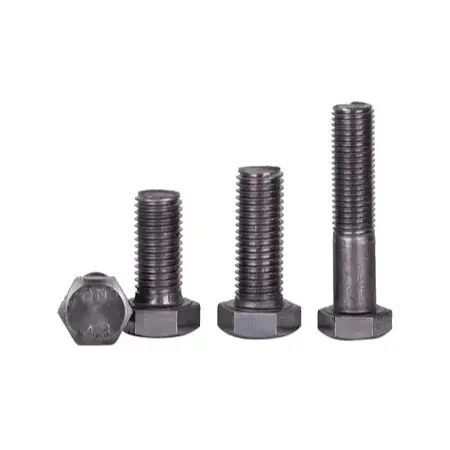
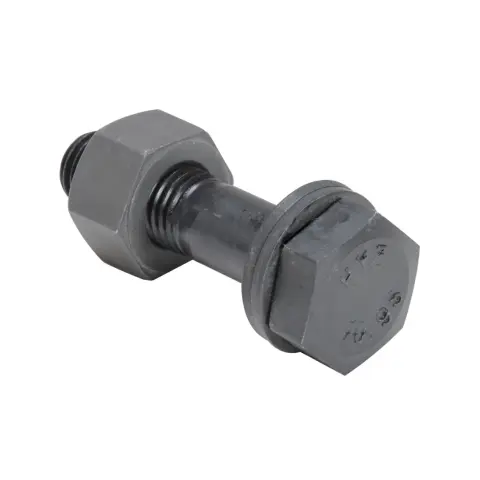
Grade 4.8 standard bolts are used for conventional static load joints; Grade 8.8 high-strength bolts are used for joints subject to equipment vibration, high winds, or heavy loads (supplied with matching OEM nuts and flat washers).
Three Categorized Factory-Supplied Solutions
- I-beam secondary beams: I-beam body + lap connection plates at both ends + purlin support plates + complete anti-corrosion coating; suitable for indoor lightweight panel flooring.
- Hot-rolled H-beam secondary beams: Small H-beam body + end lap plates + localized stiffeners + shear studs; suitable for concrete composite flooring.
- Channel steel secondary beams: Channel steel body + end cap plates + small lateral lug plates; primarily used for small, independent equipment platforms.
Key Structural Differences: Main vs. Secondary Beams
Distinctions are clearly defined based on three dimensions—on-site loading, structural configuration, and connection type—to prevent errors during procurement and selection. - Main Beams: Directly connected to steel columns; bear continuous loads across the full span; feature thickened bearing end plates and densely spaced stiffeners throughout; utilize Grade 10.9 high-strength bolts; and undergo 100% ultrasonic testing (UT) for Grade I welds.
- Secondary Beams: Lap-connected to main beams to bear localized, distributed loads; feature simplified structural design and predominantly pinned (hinged) connections; utilize lightweight profiles; and undergo spot-check weld inspections.
Core Advantages
Leveraging a lightweight profile structure for secondary support beams, this system offers the following practical advantages over traditional full-coverage main beam construction:
1. Lightweight and flexibly arranged; spacing can be freely adjusted based on floor slab modules.
2. Material-efficient; significantly reduces overall steel procurement and fabrication costs for steel mezzanine structures.
3. High surface flatness; compatible with various flooring materials, including profiled steel decking, solid wood flooring, and fiber-cement boards.
4. Simple fabrication and convenient on-site layout/installation; effectively shortens the overall construction schedule.
5. Uniform load distribution; structurally mitigates long-term floor sagging and vibration caused by foot traffic.
6. Factory-applied anti-corrosion and rust-proofing treatment; ensures long-term stability in dry indoor environments and meets structural durability standards.
Differentiating Highlights vs. Similar Steel Components
1. Material Selection and Supply Cycle Advantages
Four profile types are available to flexibly match load requirements: I-beams and channel steel for light loads (to control costs), and small H-beams for medium loads (to ensure rigidity). The system relies on cutting stock hot-rolled profiles, eliminating the need for submerged-arc welding and repeated straightening processes required for custom main beams. C-sections and standard channel steel brackets are suitable only for enclosure bracing and cannot replace secondary beams in bearing vertical floor loads.
2. Structural Load-Bearing Differences
Independent load path; loads are not transferred directly to steel columns, resulting in smaller cross-sections and lower self-weight. All connections utilize lap-jointed pinned configurations, eliminating the need for heavy end plates or dense stiffeners on main beams; this reduces welding consumables and fabrication labor, making the system suitable for the vast majority of standard mezzanine load-bearing scenarios.
3. Differentiated On-Site Installation
Installation requires no high-altitude full-penetration butt welding; instead, simple bolted lap connections are used, lowering the technical threshold for construction. Members can be cut to required lengths, and the layout of closely spaced segments optimizes floor spans and accommodates irregular bay configurations. Additionally, the elimination of non-destructive testing (NDT) requirements for Grade I welds significantly reduces quality inspection and labor costs.
4. Multifunctional Component Adaptability
Purlin cleats and small utility supports can be welded to the beam's top flange, making the component suitable for both floor and roof applications. Shear studs can be added for composite concrete floor systems or omitted for dry-construction flooring, allowing for cost-effective configuration adjustments based on specific needs.
5. Differentiated Anti-Corrosion and Fireproofing Costs
As Secondary Structural Support Steel Beam support beam is subject to significantly lower stress than the primary beam, thinner applications of anti-corrosion paint and fire-resistant coatings are sufficient, resulting in reduced material consumption. Maintenance and refurbishment are straightforward, offering superior overall cost-efficiency regarding anti-corrosion and fireproofing over the structure's full lifecycle compared to primary beams.
Classification and Positioning of Steel Components
1. Main Beams: Transfer full-span loads to steel columns; designed for heavy loads and long spans; feature rigid connections and undergo high-standard non-destructive testing (NDT).
2. Secondary Beams: Transfer distributed floor loads to main beams; designed for moderate loads and pinned connections; prioritize cost-effectiveness.
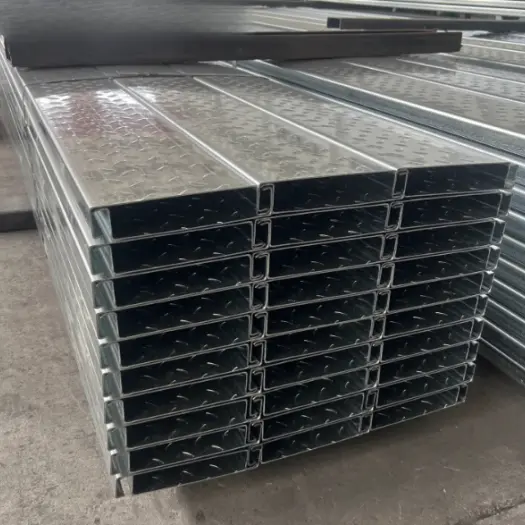
3. Channel Steel & C-Sections: Used primarily for structural supports and roof purlins; do not bear large-area vertical floor loads.
Standardized End-to-End Fabrication Process
1. Raw Material Acceptance: Verify original mill quality certificates for hot-rolled sections; inspect for lateral bending, twisting, and corrosion; mechanically straighten components exceeding deformation limits; simultaneously verify the quality of connection and stiffener plates.
2. CNC Precision Cutting: Use cold metal saws for high-volume cutting of secondary structural beams; use plasma cutting for miscellaneous parts; prepare welding bevels for extra-long spliced components.
3. Component Layout & Assembly: Position connection plates, stiffeners, purlin cleats, and reinforcement plates according to construction drawings; use precision tack welding to fix relative component positions.
4. Small-Part Welding: Perform welding of auxiliary components using CO2 gas-shielded welding; execute Grade II standards for splice welds; conduct selective Ultrasonic Testing (UT) only on critical load-bearing nodes (no 100% inspection).
5. CNC Hole Drilling: Drill bolt holes in connection plates via CNC to ensure coaxial alignment; use Grade 4.8 bolts for standard connections and switch to Grade 8.8 bolts for heavy-load nodes.
6. Correction & Grinding: Use localized low-temperature flame straightening to eliminate welding deformation; grind off weld spatter, burrs, and excess weld beads.
7. Anti-corrosion & Fireproofing: Apply rust removal standards based on project specifications; spray two coats of anti-corrosion paint; apply thin-film intumescent fireproof coating in designated fire-rated zones.
8. ID Marking, Final Inspection & Warehousing: Spray unique component IDs; verify dimensions; compile quality inspection records; package for weather protection prior to delivery.
Comprehensive Performance Parameters
1.Geometric Dimensions and Fabrication Tolerances
- Hot-rolled H-beams: 200x100mm to... 450200mm
- Standard I beam: I10 to I32
- Standard channel steel: [10 to [25
- Light welded H beam: height 250mm to 600mm
- Standard delivery length: 6m, 9m, 12m, overlength for field splicing
- Processing tolerance: total length deviation ±3mm, lateral deflection ≤L/1000
2.Base material mechanical properties
Material Grade
Yield Strength
Tensile Strength
Application Scenarios
Q235B
≥235MPa
375~500MPa
Conventional floor and roof secondary beams
Q355B
≥355MPa
470~630MPa
Heavy-duty equipment platform secondary beams
3.Stress and weld acceptance parameters
- Force performance: Mainly bear strong axis bending force, lateral stability restricted by floor slabs. Bearing capacity increases by about 30% with Φ16/Φ19 shear studs
- Stiffener layout: Only install local stiffeners at bearing supports, no full-length stiffeners
- Weld inspection: Secondary welds with random UT inspection, visual inspection for all fillet welds
4.Anti-corrosion, fire protection and connection parameters
- Fire resistance time: 0.5h to 1h with thin fireproof coating
- Connecting plate thickness: 8mm to 16mm
5.Simplified comparison of primary and secondary beam parameters
- Primary load bearing beam: Main Q355B material, thick end plate, 100% primary weld UT inspection, Grade 10.9 bolts, 100-160μm paint film
- Secondary Structural Support Steel Beam: Main Q235B material, thin connecting plate, random secondary weld inspection, Grade 4.8 bolts, 60-100μm paint film
HAISHENG Integrated Delivery & Support Services
- Integrated Component Supply: Unified production scheduling and tolerance standards for the complete steel structure package—including main beams, secondary beams, high-strength bolts, and connection plates—eliminating on-site misalignment caused by dimensional discrepancies between different suppliers and reducing rework.
- Comprehensive Cross-Border Documentation: Provision of bilingual material quality certificates, dimensional inspection reports, weld sampling reports, and assembly drawings, accompanied by component ID cross-reference lists; fully compliant with overseas customs clearance, third-party inspection/acceptance, and site filing requirements.
- Upfront Technical Support & Drawing Optimization: Free pre-sales optimization of secondary beam spacing based on floor loads and bay dimensions; verification of stud and purlin cleat locations; provision of detailed connection assembly drawings to prevent issues such as insufficient load capacity or layout errors.
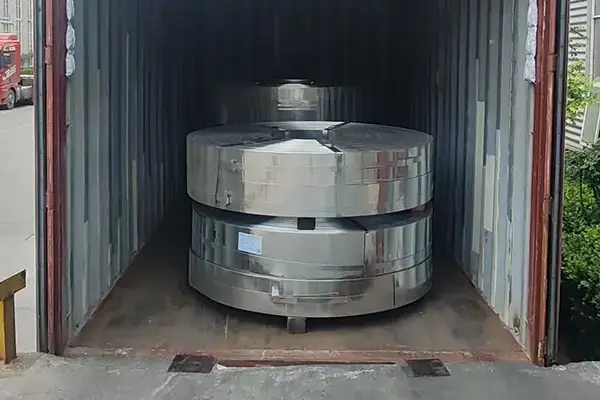
- Protective Cross-Border Logistics: Sectional packaging for extra-long secondary beams using edge protectors and waterproof stretch wrap; clearly marked lifting points to withstand the rigors of sea and land transport and prevent paint damage or profile deformation; simultaneous provision of packing lists and logistics tracking numbers.
- Remote On-Site Installation Support: Provision of illustrated installation manuals and short assembly video tutorials; 24/7 remote technical Q&A in Chinese and English; real-time guidance on secondary beam pinned connections, lapping, and composite floor construction.
- Long-Term Warranty & Maintenance: 5-year material warranty and 2-year factory-applied anti-corrosion coating warranty; free plans for post-installation paint touch-ups and bolt re-inspection/maintenance; permanent replenishment service for small secondary beam accessories.
Hot Tags: Secondary Structural Support Steel Beam, Manufacturer, Supplier, Custom
Contact HAISHENG China supplier of Structural Steel Components, Steel Structure Cladding Components and Structural Steel Fasteners. Our professional sales team will reply with detailed quotation, product parameters and delivery plan within 24 hours to meet your bulk procurement demand.
We use cookies to offer you a better browsing experience, analyze site traffic and personalize content. By using this site, you agree to our use of cookies.Privacy Policy