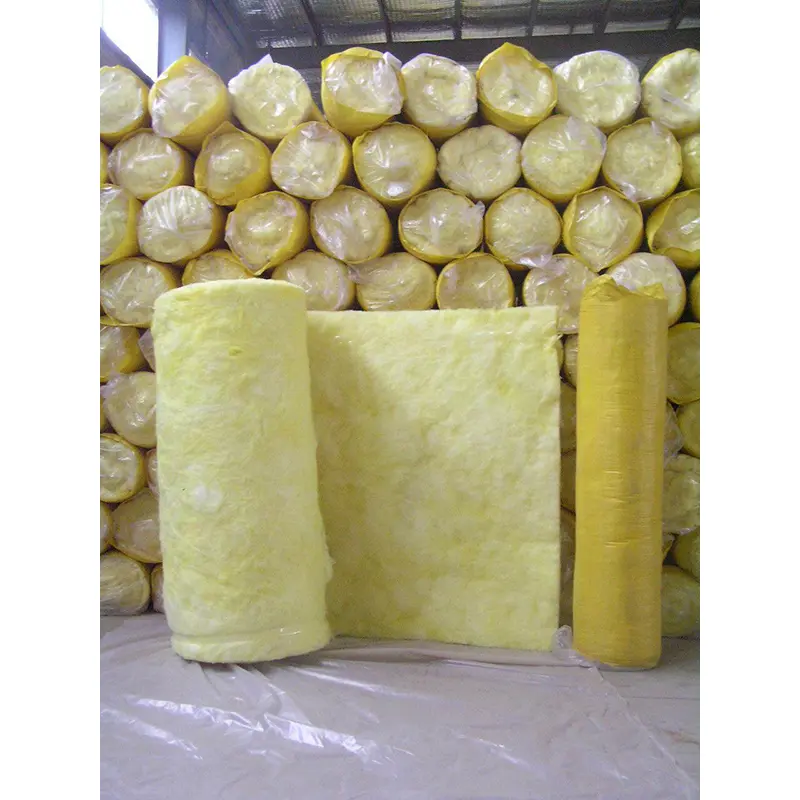
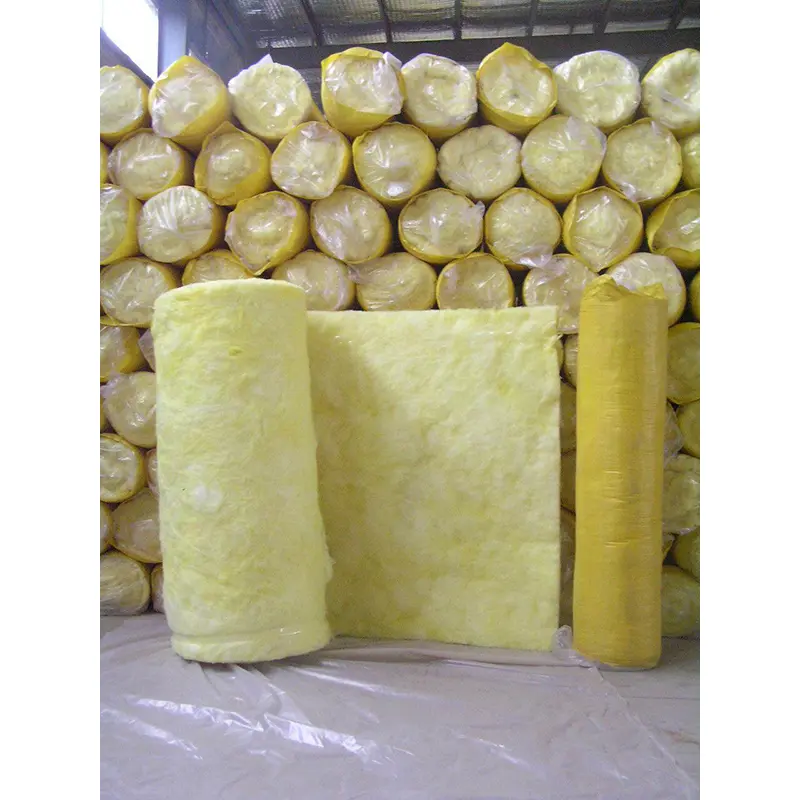
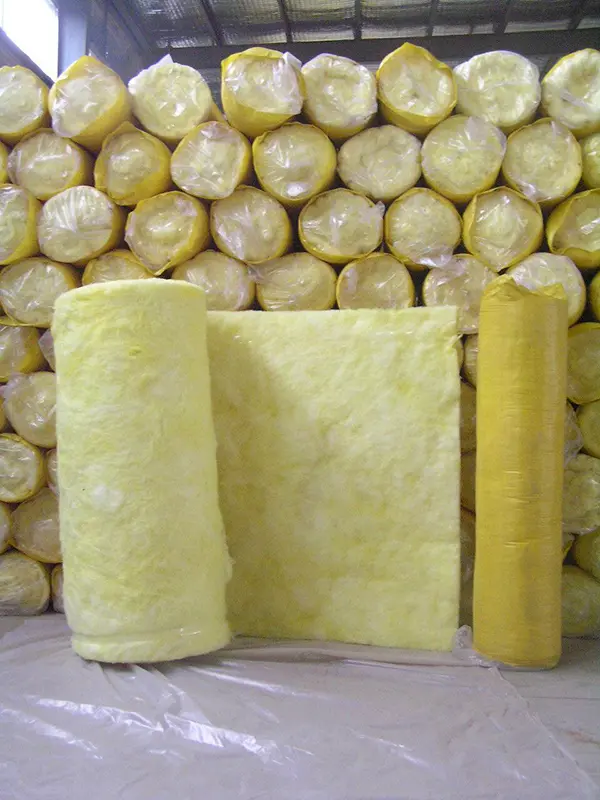
Made from high-purity molten glass, Glass Wool Blanket Roll for Thermal Insulation is a flexible, porous fibrous building material created through high-speed centrifugal fiberization and curing. It is typically supplied in standardized rolls and is suitable for various energy-saving and noise-reduction applications in construction and industry.
Unlike rigid insulation boards, this product is soft and pliable—easily bent or cut to fit—offering exceptional installation versatility. It combines stable thermal insulation, Class A fire resistance, efficient sound absorption, and moisture/corrosion resistance.
HAISHENG maintains a stock of all specifications and offers custom processing, installation consultation, and one-stop bulk supply services to meet the energy-saving and noise-reduction needs of sectors such as architectural renovation, HVAC engineering, industrial equipment, and temporary transport facilities.


Thanks to its interlaced, porous fiber structure, the Glass Wool Blanket Roll traps large amounts of still air, effectively blocking convective heat transfer and thermal conduction to ensure stable energy-saving insulation.
Stable at 0.032–0.042 W/(m·K) at room temperature, with premium fine-fiber versions reaching as low as 0.032 W/(m·K). This significantly outperforms conventional insulation materials, drastically reducing thermal loss in buildings and equipment.
Stable for long-term use between -120°C and 400°C. It resists aging, deformation, and failure in extreme temperatures, making it suitable for both low-temperature cold chain applications and high-temperature industrial equipment.
The shrinkage temperature under thermal load is ≥380°C. It resists shrinkage and deformation in high-temperature conditions, ensuring the integrity of the insulation system.
Manufactured in strict accordance with national fire safety standards, this product is classified as an A1 non-combustible material. It is suitable for demanding fire-safety environments, including high-rise buildings, steel-structure industrial plants, and power energy storage facilities.
1. Non-combustible and flame-retardant; it does not spread flames, produce burning droplets, or release toxic fumes. Smoke toxicity meets the ZA safety classification.
2. Slag ball content is ≤0.3%; the material is pure and stable, resisting structural degradation at high temperatures, making it ideal for fire-resistant filling in building gaps and wall penetrations for piping.
3. Fully complies with fire safety acceptance standards for modern green and ultra-low energy buildings, effectively mitigating fire hazards.
The randomly interlaced fibers create a dense microporous structure that absorbs mid-to-high frequency noise from all directions. With outstanding noise reduction performance, it is a preferred material for both industrial and interior noise control.
1. For standard products (24kg/m³ density, 25–50mm thickness), the Noise Reduction Coefficient (NRC) is ≥0.8, with a high-frequency (2000Hz) sound absorption coefficient reaching 1.03.
2. Offers dual sound-absorbing and sound-insulating capabilities, effectively addressing issues such as industrial plant roar, equipment room noise, airflow noise in ducts, and indoor echoes.
3. Suitable for environments requiring high acoustic comfort, such as media rooms, conference rooms, data centers, and fan/pump rooms.
The material is chemically inert with stable physical and chemical properties. It withstands complex operating conditions—including humidity, acidic or alkaline environments, and outdoor exposure—ensuring a long service life.
It features low overall density and excellent flexibility, allowing it to conform to curved surfaces, corners, and irregular substrates. It boasts a rebound rate of ≥90% after compression, ensuring no permanent collapse or deformation and maintaining consistent insulation thickness over the long term.
It is resistant to acids, alkalis, and corrosion; it does not mold or suffer from insect damage. Immune to degradation by fungi or pests, it completely eliminates the issues of mold, rot, and insect-induced damage common to traditional insulation materials.
With an overall water repellency rate of ≥98%, it prevents water accumulation and condensation within fiber voids. Water vapor dissipates naturally, eliminating problems such as moisture-induced clumping or insulation failure.
Designed in continuous rolls, the product is ideal for large-scale, continuous installation. It requires minimal specialized skills for processing and installation, effectively shortening project timelines and reducing material waste.
It can be easily trimmed on-site using standard utility knives or scissors. Processing for irregular shapes is simple, resulting in extremely low material waste.
Roll-based application eliminates the need for seams. It integrates seamlessly with various building materials—such as light-gauge steel framing, color steel panels, and ventilation ducts—offering exceptional compatibility.
Available in bare (unfaced) and composite-faced versions, it can be selected based on specific needs—such as exposed or concealed installations and high-temperature/high-humidity environments—to suit various construction methods.
To meet the demands of different application scenarios, the Glass Wool Blanket Roll offers a range of composite facings that balance practical performance with installation aesthetics.
Features built-in vapor barrier and radiant heat reflection capabilities. It provides highly effective moisture and condensation resistance, making it ideal for steel structure roofing, outdoor air ducts, and high-temperature/high-humidity work areas.
Effectively prevents glass wool fibers from shedding while enhancing surface abrasion resistance and neatness. Suitable for exposed ceiling installations, areas near pedestrian walkways, and exposed interior decorative sections.
Focuses purely on thermal insulation and sound absorption. Highly cost-effective, it is commonly used in concealed areas such as wall cavities and the interiors of enclosed ceilings.
1. Unfaced cotton fibers are fine and prone to generating airborne lint during on-site installation; workers must wear protective gear. Exposed surfaces tend to accumulate dust over time; pairing with a facing material or an outer protective layer is recommended.
2. The material has low mechanical strength and cannot directly withstand heavy loads or foot traffic; a protective surface layer must be applied after installation.
3. The product is water-repellent and moisture-resistant but not waterproof against immersion; in environments prone to prolonged standing water or flooding, an external waterproof enclosure must be installed.
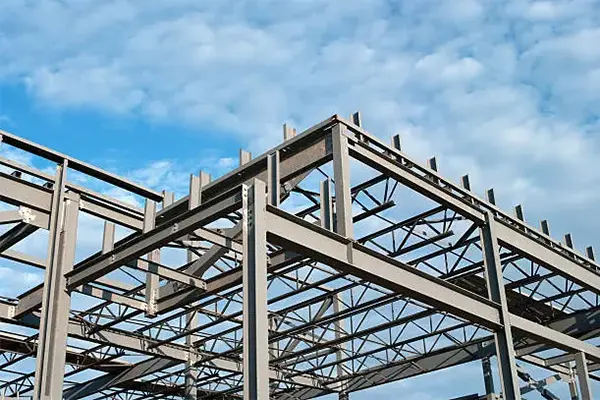
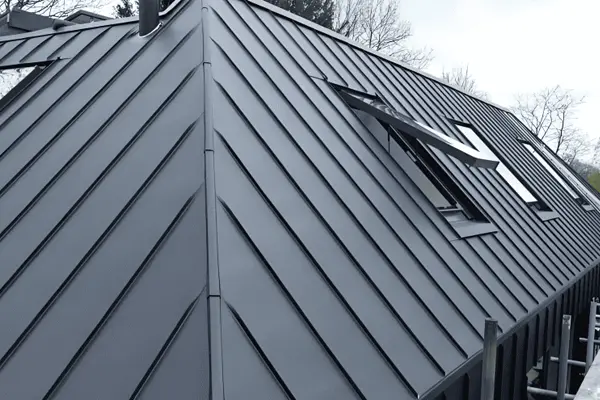
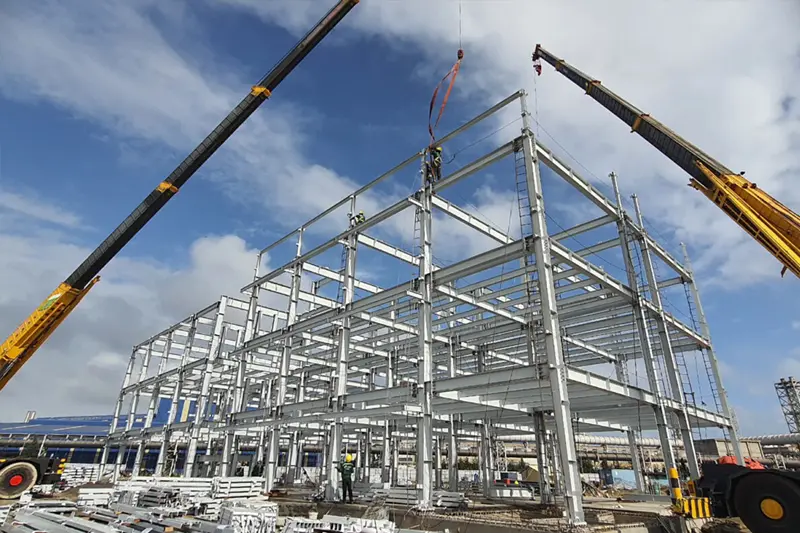
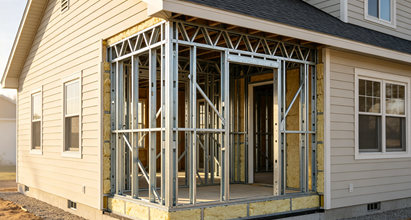
1. Building Envelope Energy Efficiency & Insulation: Primarily used for roof and wall cavities in steel-structure factories, warehouses, large venues, and light-gauge steel villas. Paired with color steel panels, it blocks thermal transfer, reduces building energy consumption, and is suitable for energy-efficiency retrofitting in prefabricated buildings.
2. Indoor Acoustics & Noise Reduction: Applied to suspended ceilings, partition walls, and the interiors of AV rooms, KTVs, and conference rooms to absorb mid-to-high-frequency noise and optimize the indoor acoustic environment.
3. HVAC System Insulation & Sound Attenuation: Wraps central air conditioning, ventilation, and smoke exhaust ducts to provide thermal insulation, condensation prevention, and airflow noise reduction; a standard energy-saving material for HVAC projects.
4. Industrial Equipment Noise & Heat Insulation: Wraps the exterior of equipment such as machinery rooms, pump rooms, generator sets, fans, and air compressors to effectively reduce operating noise while providing thermal insulation and cooling.
5. Auxiliary Building Fire Compartmentation: Leverages Class A non-combustible properties to fill building expansion joints and gaps where utilities penetrate walls, enhancing the overall fire compartmentation capability of the main structure.
6. Insulation & Sound Absorption for Temporary & Transport Facilities: Used in the interiors of modular cabins, container dormitories, buses, and ships to provide lightweight insulation and noise reduction; suitable for temporary structures and transportation-related projects.
1. Steel structure roofs, exterior walls, outdoor air ducts, and high-temperature/high-humidity areas: Prioritize aluminum foil-faced glass wool blankets to provide thermal insulation, vapor barriers, moisture resistance, and condensation control.
2. Enclosed indoor ceilings, wall cavities, and concealed insulation layers: Use unfaced (bare) blankets for better cost-effectiveness while meeting basic thermal insulation and sound absorption needs.
3. Exposed indoor ceilings, visible partition walls, and pedestrian-accessible areas: Use fiberglass cloth or non-woven fabric-faced versions to prevent fiber shedding while ensuring a neat, durable appearance.
1. Steel structure projects: Energy conservation and noise reduction for industrial plants, warehouses, large sports and cultural venues, and light-gauge steel villa roofs and walls.
2. Architectural decoration: Acoustic treatment and thermal insulation for public buildings, commercial spaces, and entertainment venues (cinemas, etc.).
3. HVAC industry: Insulation, sound attenuation, and condensation control for ventilation, air conditioning, and smoke exhaust ducts.
4. Industrial equipment: Noise reduction and thermal insulation protection for factory machinery rooms, power equipment, and air compressor units.
5. Municipal temporary projects: Insulation and noise reduction upgrades for temporary site dormitories, container housing, and municipal auxiliary buildings.
6. Transportation sector: Interior lining for passenger vehicles, auxiliary materials for marine vessels, and noise/thermal insulation for vehicle compartments.
Executive Standards: GB/T 13350-2017, GB/T 17795
|
Item |
Unit |
Common Range |
Remarks |
|
Density |
kg/m³ |
12, 16, 20, 24, 32, 48, 64, 72 |
16–48kg/m³ commonly used for roof & wall insulation |
|
Thickness |
mm |
25, 50, 75, 100, 150 |
Custom sizes available |
|
Width |
mm |
1200 |
Standard width |
|
Length |
m |
3~20 |
Supplied in rolls |
|
Average Fiber Diameter |
μm |
4~8 |
≤8μm (Grade 2 fine fiber) |
|
Item |
Unit |
Standard / Typical Value |
Test Condition & Standard |
|
Thermal Conductivity |
W/(m·K) |
≤0.038 (25℃) |
GB/T 13350-2017 |
|
High-grade Thermal Conductivity |
W/(m·K) |
0.032~0.036 |
High-density & fine fiber grade |
|
Operating Temperature Range |
℃ |
-120~400 |
Long-term stable service |
|
Heat Shrinkage Temperature Under Load |
℃ |
≥380 |
High temperature resistance performance |
|
Item |
Grade / Index |
Standard |
|
Combustibility |
Class A1 Non-combustible |
GB 8624 |
|
Smoke Toxicity |
ZA Grade (Quasi-safety Grade) |
GB/T 20285 |
|
Slag Ball Content |
≤0.3% |
GB/T 5480 |
|
Item |
Unit |
Index |
Standard |
|
Moisture Content |
% |
≤1.0 |
GB/T 20313 |
|
Moisture Absorption Rate (90% RH) |
% |
≤5.0 |
GB/T 5480 |
|
Hydrophobic Rate |
% |
≥98 |
GB/T 10299 |
|
Volume Water Absorption Rate |
% |
≤3.0 |
ASTM C1104 |
|
Item |
Value |
Test Condition |
|
Noise Reduction Coefficient (NRC) |
≥0.8 |
24kg/m³, 25–50mm thickness |
|
2000Hz Sound Absorption Coefficient |
≈1.03 |
Reverberation chamber method, 24kg/m³ |
|
Item |
Unit |
Reference Value |
Remarks |
|
Vertical Tensile Strength |
kPa |
≥7.5 (24–32kg/m³) |
Higher density brings higher strength |
|
Compression Recovery Rate |
% |
≥90 |
Excellent elasticity, no permanent collapse |
Bare Glass Wool (No Facing): Suitable for concealed installation such as wall interlayers and ceiling cavities, focusing on pure thermal insulation and sound absorption.
Aluminum Foil Facing: Features vapor barrier, anti-condensation and thermal radiation reflection functions. Ideal for roofs, ventilation ducts and high-temperature working areas.
Fiberglass / Non-woven Fabric Facing: Prevents fiber scattering, improves wear resistance and surface neatness, specially used for exposed installation areas.
Driven by domestic "Dual Carbon" policies, the widespread adoption of ultra-low energy buildings, and the rapid growth of the new energy sector, Glass Wool Blanket Roll for Thermal Insulation are undergoing continuous iteration. Products are evolving toward high performance, eco-friendliness, and application-specific customization; HAISHENG keeps pace with these technological advancements while continuously optimizing its product portfolio.
1. Enhanced Thermal Efficiency: Thermal conductivity of mainstream products is steadily improving; the market share of high-end ultrafine fiber products (diameter ≤ 6 μm) is rising, leading to significantly higher energy-saving efficiency;
2. High-Density Reinforcement: While standard specifications (24–48 kg/m³) remain in use for traditional applications, high-density products (64–96 kg/m³) are being adopted for new energy and heavy-duty industrial noise-reduction scenarios, offering superior tensile strength, deformation resistance, and thermal insulation;
3. Lightweight and Energy-Saving Optimization: Product thickness is being optimized to meet national energy-saving standards; thinner specifications (50–75 mm) are gradually replacing 100 mm thick versions, making them suitable for ceiling installations in the confined spaces of prefabricated buildings;
4. Acoustic Performance Upgrade: High-end products achieve an NRC ≥ 0.85 and a mid-to-high frequency sound absorption coefficient approaching 1.0, meeting the stringent noise-control requirements of data centers, rail transit systems, and similar environments.
1. Formaldehyde-free Upgrade: Complete replacement of traditional phenolic binders with eco-friendly, formaldehyde-free alternatives; VOC levels approach zero, making the product suitable for sensitive green building environments such as hospitals, schools, and residences.
2. Low-carbon Circularity: Products utilize ≥50% recycled glass raw materials and are manufactured using all-electric melting furnace technology, significantly reducing virgin resource consumption and production-related carbon emissions.
3. Enhanced Safety: Strict adherence to Class A1 non-combustibility and ZA-grade smoke toxicity standards; suitable for high-safety applications such as energy storage power stations and power infrastructure projects.
4. Dust-free Facing Upgrade: Evolution of composite facing technology ensures zero fiber shedding, resulting in safer exposed installations and a cleaner, neater appearance.
1. Traditional Building Energy Efficiency Upgrades: Widespread adoption of highly hydrophobic aluminum-foil-faced roll blankets in steel-structure buildings; integration of thermal insulation and fire protection products in ultra-low energy "passive houses"; and rising demand for lightweight, thin, and highly resilient products driven by energy-efficiency retrofitting of older buildings.
2. Steady Evolution in HVAC and Industry: Aluminum-foil-faced roll blankets (providing insulation and condensation prevention for air ducts) have become the industry standard; specialized high-temperature roll blankets are utilized for high-temperature equipment in the chemical and power sectors.
3. Rapid Growth in Emerging Sectors: Demand for fire-resistant and thermal insulation materials in new energy storage containers and power battery packs is growing at an annual rate exceeding 14%; sales volumes are surging for lightweight insulation and sound-absorbing products used in cold-chain logistics and high-end transportation interiors.
1. Intelligent Process Upgrades: Industry-wide adoption of all-electric melting furnaces, intelligent temperature control, and online inspection processes has significantly improved product consistency and reduced production energy consumption by over 20%.
2. Mature Flexible Customization: Support for one-stop customized delivery, including 1200mm widths, fixed-length pre-cutting, and composite facing, resulting in a 25% increase in on-site installation efficiency.
3. Increased Industry Concentration: Leading brands are expanding capacity by leveraging advantages in technology, production scale, and quality control; their products demonstrate superior standardization and quality stability compared to those from small-scale workshops.
1. Key Opportunities: The mandatory implementation of "Dual Carbon" goals and ultra-low energy building policies, combined with steadily declining costs for energy-efficiency retrofits, drives market adoption; the material's Class A fire rating and cost-effectiveness allow it to gradually replace traditional insulation materials like rock wool and polyurethane, while new market sectors—such as new energy, cold chain logistics, and transportation—continue to expand.
2. Industry Challenges: High energy costs in production, severe product homogenization among low-end offerings from small and medium-sized enterprises, and fierce price competition; meanwhile, rising thresholds for environmental compliance and formaldehyde-free production technologies are compelling the industry to upgrade toward high-end products.
1. Strict Adherence to National Standards: All thermal insulation glass wool blanket rolls are manufactured according to national standards. Each batch comes with a comprehensive test report, ensuring traceability for fire resistance, thermal performance, and moisture-proof parameters, thereby facilitating smooth passing of fire safety and energy-efficiency inspections for various projects.
2. Extensive Stock of All Specifications: We maintain a ready inventory featuring various densities, thicknesses, and facing options. We support custom cutting, specific length processing, and bulk shipments, enabling rapid response to urgent site orders and large-scale project procurement needs.
3. One-Stop Customization Services: We offer facing lamination, pre-cutting, and custom sizing. Additionally, we provide guidance on product selection and installation techniques, helping customers overcome challenges related to product choice and installation errors.
4. High Project Compatibility: Our Glass Wool Blanket Roll for Thermal Insulation are optimized for domestic steel structure workshops, HVAC systems, and prefabricated building environments. They are suitable for a wide range of standard and specialized construction scenarios, ensuring minimal material waste and consistent, high-quality installation results.
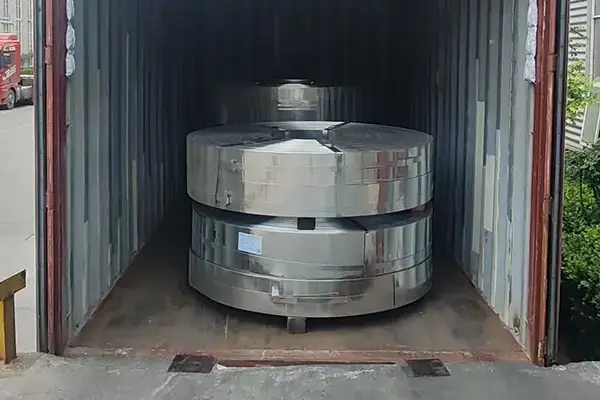
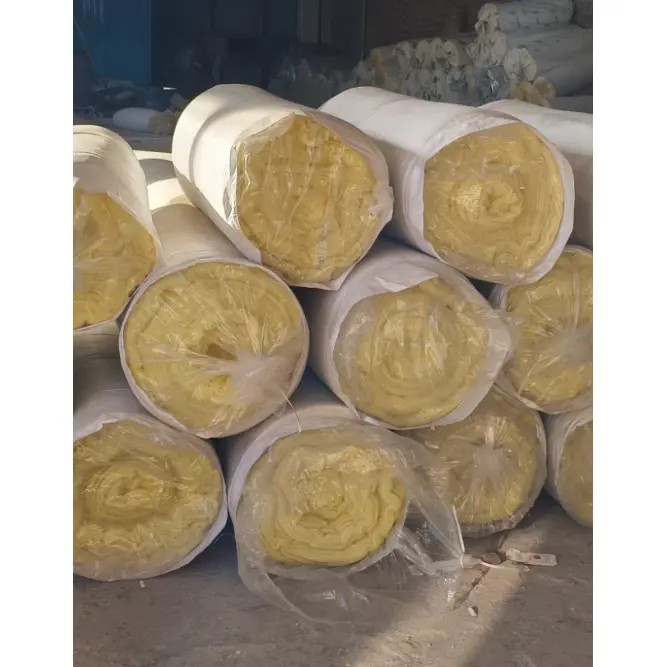
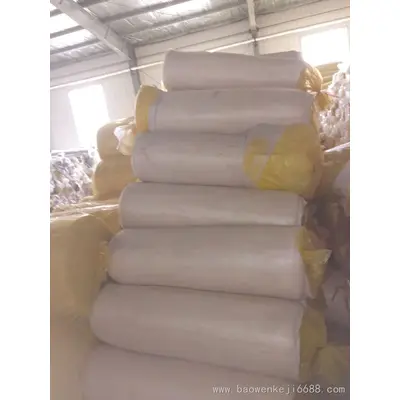
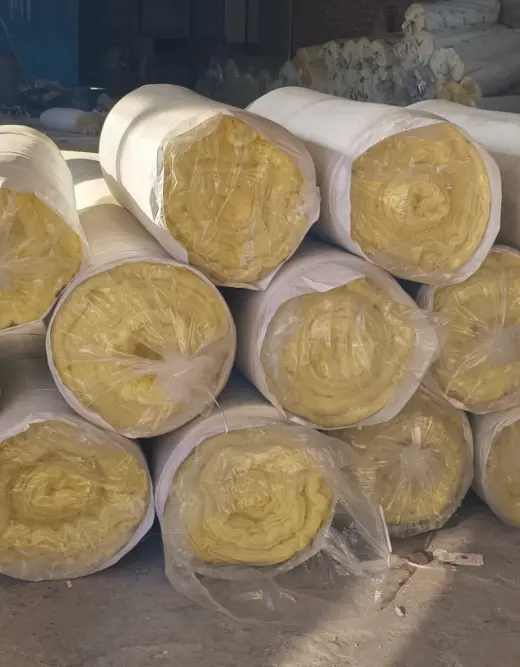
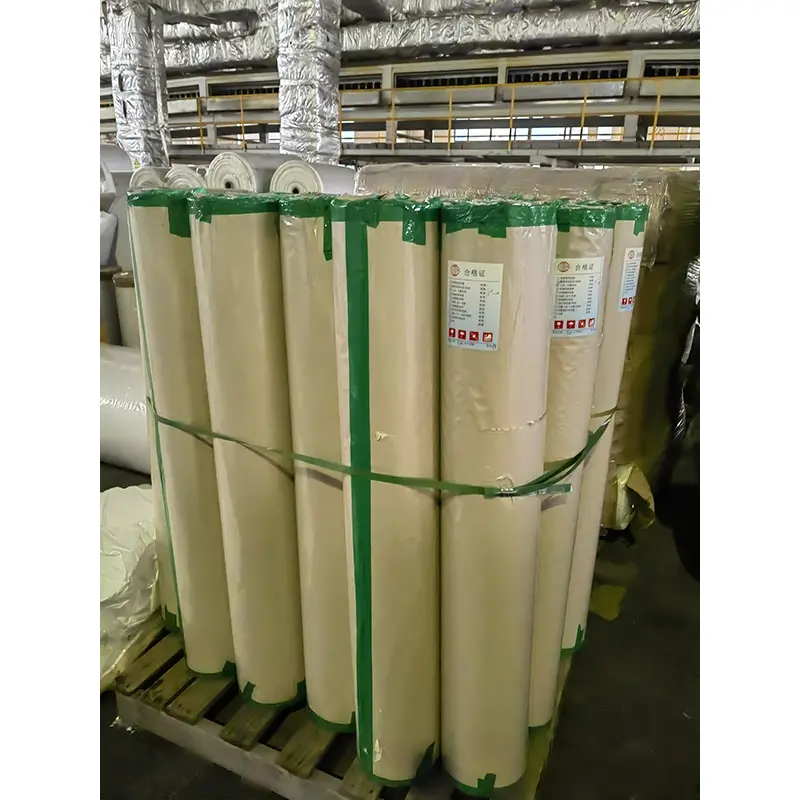
5. Standardized Packaging for Shipment: Each roll is sealed with waterproof and moisture-proof packaging to prevent moisture damage, physical breakage, or fiber shedding during transit, ensuring the product arrives at the construction site in perfect condition.
Address
Tianjin International Metal Logistics Park, Jinan Economic Development Zone (East Zone), Jinan District, Tianjin, China
Tel