Steel structure columns are essential vertical load-bearing components that determine the stability, durability, and overall performance of steel buildings. With increasing demands for stronger, faster, and more flexible construction solutions, selecting the right steel structure column has become a key challenge for engineers, contractors, and project owners. This article explains how steel structure columns work, why they are widely used, what problems they solve, and how HAISHENG provides reliable structural steel solutions for different construction applications.
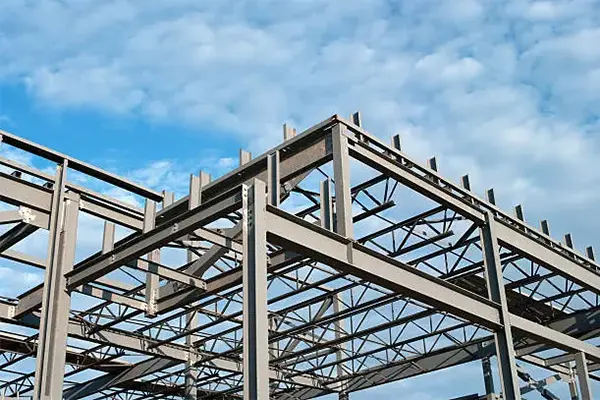
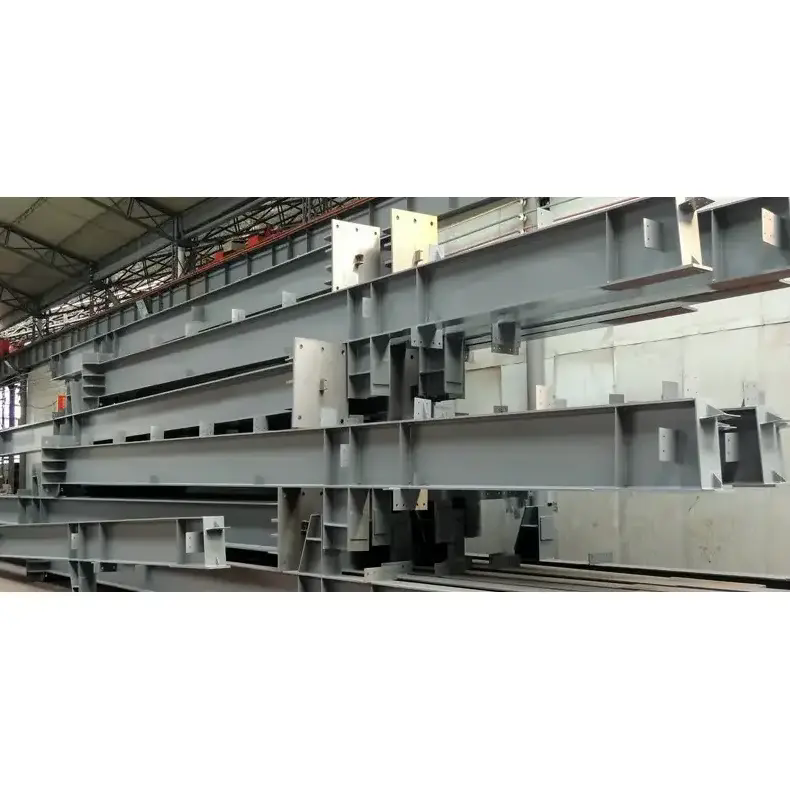
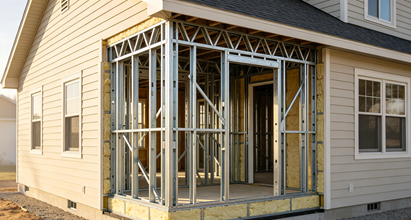
A steel structure column is a vertical structural member designed to transfer loads from beams, floors, roofs, and other building components down to the foundation. It plays a critical role in maintaining the strength and stability of industrial buildings, commercial facilities, warehouses, stadiums, and large-scale infrastructure projects.
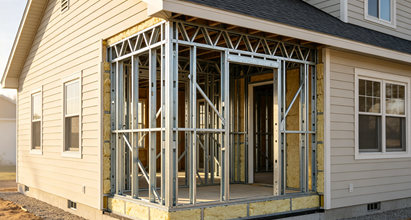
Unlike traditional concrete columns, steel structure columns are manufactured from high-strength structural steel materials, offering excellent load-bearing capability, design flexibility, and faster installation advantages. Depending on project requirements, these columns can be produced in various shapes, dimensions, and configurations to meet different architectural and engineering demands.
Modern construction projects often face challenges such as limited construction space, complex architectural designs, strict load requirements, and shorter project schedules. A properly designed steel structure column helps overcome these difficulties by providing a reliable and adaptable structural solution.
HAISHENG specializes in manufacturing customized steel structural components, including different types of steel columns designed according to engineering drawings, load requirements, and project conditions. The company integrates steel fabrication, processing, and supply capabilities to support global construction projects.
The primary function of a steel structure column is load transfer. During the service life of a building, various forces act on the structure, including vertical gravity loads, wind pressure, and seismic forces. The column must safely receive these forces and transfer them to the foundation without excessive deformation.
| Structural Function | Importance |
|---|---|
| Vertical Load Transfer | Supports weight from floors, roofs, equipment, and other structural components. |
| Lateral Stability Support | Works together with beams and bracing systems to resist wind and earthquake forces. |
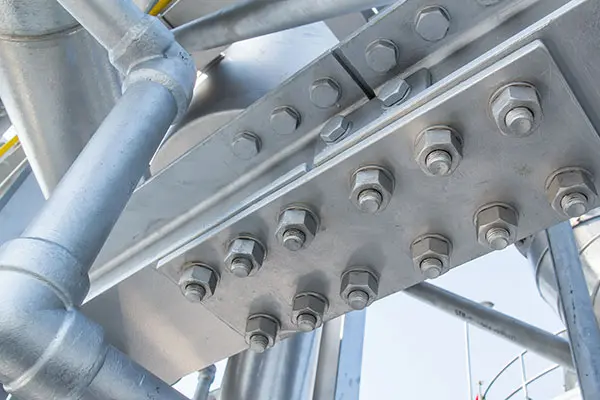
| Structural Connection | Provides connection points for beams, trusses, and other steel components. |
| Space Optimization | Allows larger usable interior areas compared with some traditional structures. |
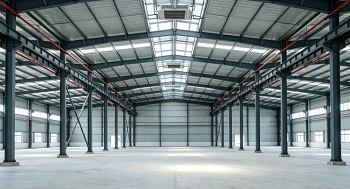
Because steel has a high strength-to-weight ratio, steel structure columns can achieve excellent performance while reducing unnecessary material usage. This makes them especially suitable for buildings requiring large spans, high ceilings, or heavy equipment support.
The correct column design depends on several factors, including building height, load conditions, environmental exposure, connection method, and safety requirements. Engineers must carefully evaluate these conditions before selecting the appropriate column type.
Construction companies frequently encounter structural challenges during project planning and execution. Steel structure columns provide practical solutions for many common problems.
For large industrial projects, even small improvements in structural efficiency can significantly influence construction costs, maintenance requirements, and building lifespan.
Different construction projects require different column designs. The selection depends on load requirements, building layout, and installation conditions.
| Column Type | Main Features | Typical Applications |
|---|---|---|
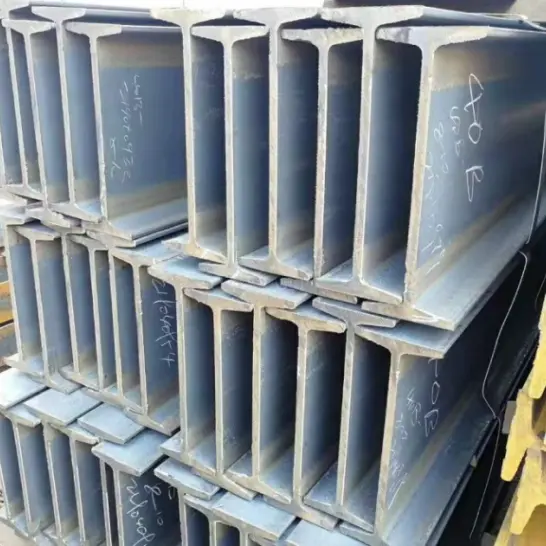
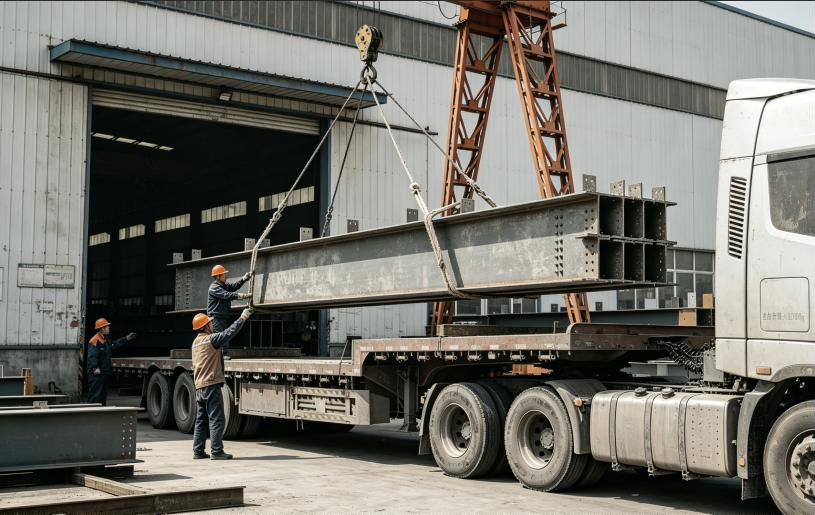
| H Beam Steel Column | Excellent bending resistance and high load-bearing capacity. | Factories, warehouses, large public buildings. |
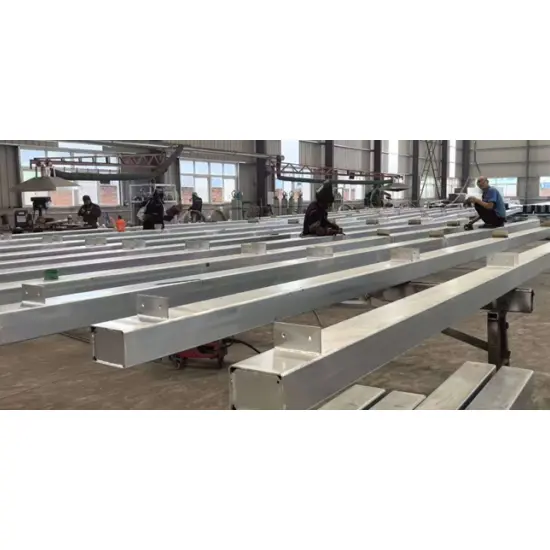
| Square Steel Column | Balanced strength and convenient connection performance. | Industrial buildings and modern steel frameworks. |
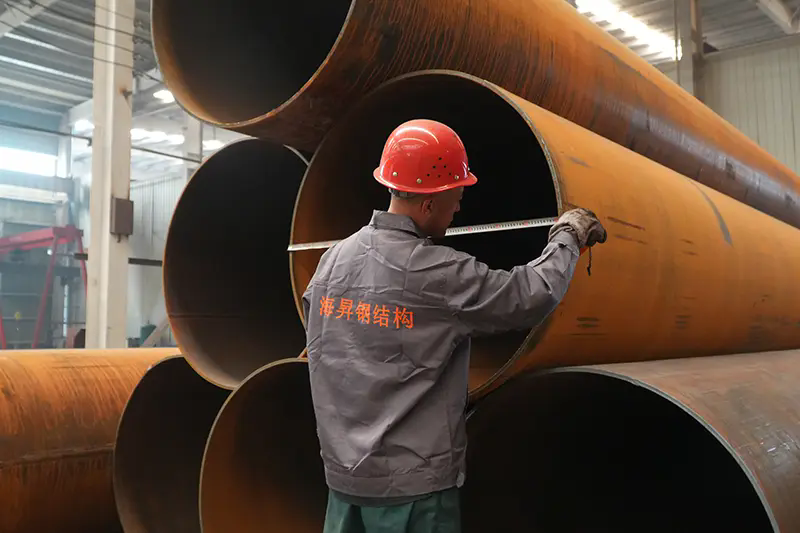
| Circular Hollow Steel Column | Uniform stress distribution and attractive appearance. | Stadiums, architectural structures, special projects. |
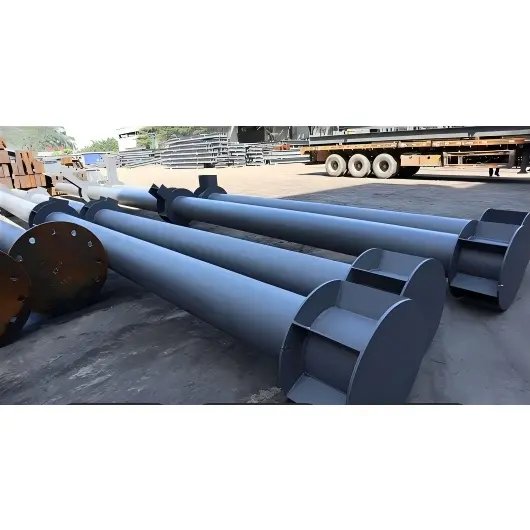
| Shaped Steel Structure Column | Customized geometry for complex structural requirements. | Special architectural designs and irregular spaces. |
HAISHENG provides customized steel structure column solutions, including shaped structural columns and other engineered steel components. The company can manufacture products based on drawings, technical specifications, and project requirements. :contentReference[oaicite:0]{index=0}
Selecting the correct steel structure column requires professional evaluation. Choosing an unsuitable product may lead to structural risks, higher maintenance costs, or construction delays.
A professional steel supplier should not only provide products but also support customers with engineering communication, manufacturing quality control, and delivery management.
The production quality of a steel structure column directly affects the safety and performance of the entire building system. Professional manufacturers follow strict fabrication procedures to ensure every component meets engineering requirements.
A typical steel structure column manufacturing process includes material selection, cutting, assembly, welding, surface treatment, inspection, and transportation preparation. Each stage requires experienced technicians and advanced production equipment.
| Manufacturing Stage | Description | Quality Control Focus |
|---|---|---|
| Raw Material Preparation | Structural steel materials are selected according to project specifications. | Material grade verification and mechanical performance inspection. |
| Steel Cutting | Steel plates or sections are cut into required sizes and shapes. | Dimensional accuracy and cutting quality. |
| Component Assembly | Different steel parts are positioned and assembled according to drawings. | Alignment accuracy and connection positioning. |
| Welding Process | Professional welding creates strong and stable structural connections. | Weld strength, appearance, and reliability. |
| Surface Treatment | Protective processing improves corrosion resistance. | Coating thickness and surface condition. |
| Final Inspection | Finished products are checked before delivery. | Overall dimensions, structure quality, and compliance. |
HAISHENG focuses on precise steel fabrication and reliable manufacturing procedures. By controlling each production step, the company helps customers receive steel structure columns that meet demanding construction requirements.
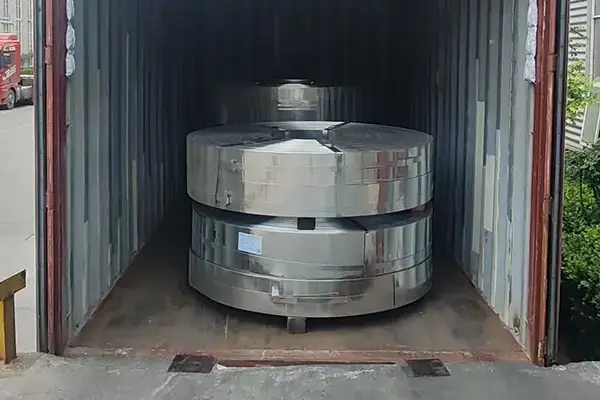
For international construction projects, manufacturing consistency is especially important. Incorrect dimensions or poor welding quality can create installation difficulties and increase project costs. Professional production management helps minimize these risks before products reach the construction site.
Choosing an experienced steel structure supplier can significantly influence project success. Customers need more than a standard steel component; they need a partner capable of providing dependable quality, customization options, and technical support.
HAISHENG provides steel structure column solutions designed for various construction applications. With professional manufacturing experience, the company focuses on delivering structural steel products that combine strength, accuracy, and practical performance.
Modern construction requires structural components that balance strength, efficiency, and flexibility. Steel structure columns provide these advantages, but their performance depends greatly on professional design and manufacturing. Working with a trusted supplier helps reduce project risks and improves construction results.
A steel structure column mainly supports vertical building loads and transfers forces from beams, floors, and roofs to the foundation. It is an essential component for maintaining structural stability.
Yes. Steel structure columns are widely used in industrial buildings because they provide high strength, large load capacity, and excellent adaptability for large-span structures.
Yes. Steel structure columns can be customized according to engineering drawings, building dimensions, load requirements, and specific project conditions.
Because many steel components are manufactured in factories, on-site installation becomes faster and requires less processing work. This helps shorten construction schedules.
Customers should consider material quality, manufacturing accuracy, supplier experience, customization ability, corrosion protection, and technical support before making a decision.
Steel structure columns are fundamental elements that influence the strength, safety, and efficiency of modern buildings. From industrial facilities to complex architectural projects, high-quality steel columns provide dependable support and flexible design possibilities.
However, successful construction depends not only on choosing steel products but also on selecting a manufacturer with strong production capabilities and professional experience. HAISHENG provides customized steel structure column solutions that help customers address structural challenges and achieve reliable construction results.
Whether you need standard steel columns or specially designed structural components, HAISHENG is ready to provide professional support and high-quality solutions. Contact us today to discuss your steel structure requirements and discover the right solution for your next construction project.