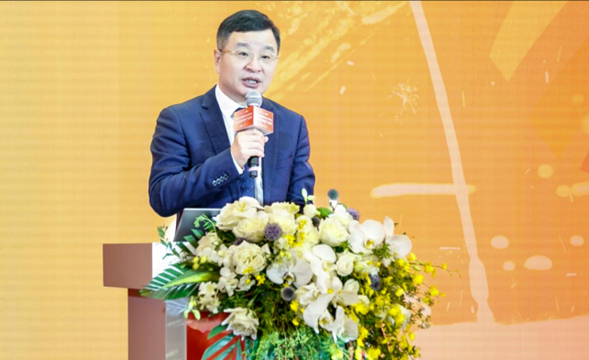
On September 21, Li Yiren, Vice President of the China Iron and Steel Association, pointed out in his address at the 3rd Forum of Hundred Enterprises in the Steel Structure Construction Industry Chain: the steel structure construction industry is currently at a critical stage shifting from "quantitative accumulation" to "qualitative leap", and domestic steel products can fully support the practical needs of the development of the steel structure construction industry.
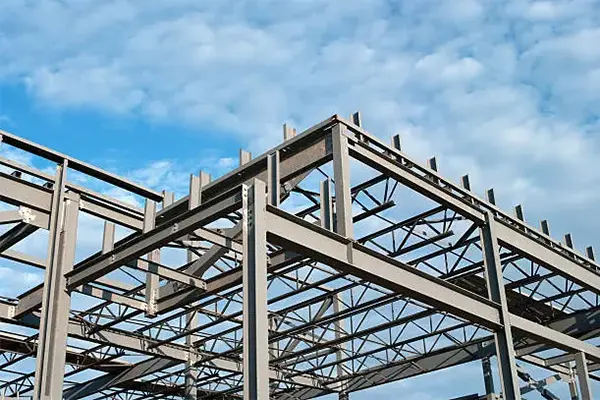
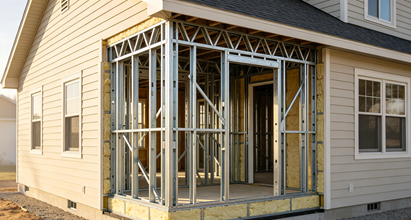
Li Yiren introduced that steel structure buildings boast prominent advantages such as light self-weight, high strength, excellent seismic performance, high industrialization level, short construction cycle and recyclable steel materials. As a typical green construction approach highly consistent with the "Dual Carbon" strategy, this construction model is now embracing sound development opportunities.
On the one hand, guided by national policies, driven by technological upgrading, factor restructuring and market demand, China’s steel structure construction industry has seen steady expansion in scale, continuous improvement of its technical system and growing application scenarios. Fruitful achievements have been made in prefabricated construction, new material research and development, and structural system innovation. From 2022 to 2025, domestic steel structure processing output exceeded 100 million tons for four consecutive years, and the share of steel consumed by steel structures in crude steel output remained above 10% for three consecutive years.
On the other hand, industrial policy dividends keep being unleashed. The Outline of the 15th Five-Year Plan clearly proposes to promote the large-scale development of prefabricated buildings. In July this year, the Design Standard for High-Strength Steel Structures of 690MPa–960MPa was officially released, filling the gap of unified design standards for ultra-high-strength steel structures in China. According to incomplete statistics, nearly 20 provinces and municipalities across the country have rolled out supporting incentive policies for prefabricated steel structure buildings since the start of this year. Li Yiren specifically pointed out that steel structure buildings have become a vital carrier for the integrated development of the steel, steel structure, construction and real estate sectors and the implementation of the "Quality Housing" concept, as well as a new track for the high-quality development of the steel industry and related manufacturing industries.
While affirming the industry’s achievements and calling for seizing development opportunities, Li Yiren also noted that the industry must remain sober-minded about existing challenges: inadequate coordination across the industrial chain, persistently high overall costs, and some standards and codes lagging behind industrial practices remain prominent issues.
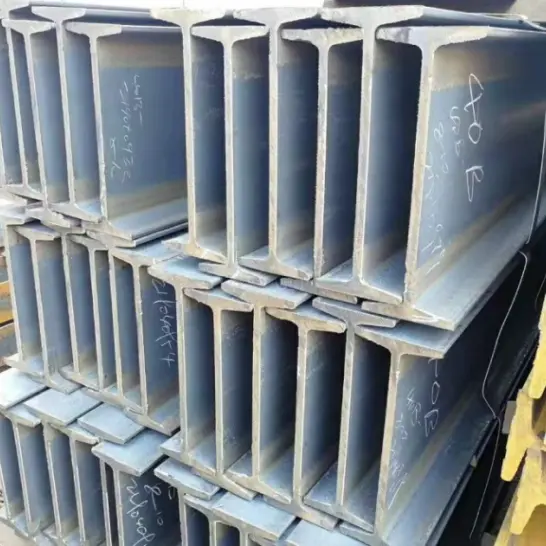
"Addressing the pain points of industrial development requires concerted efforts and collaborative breakthroughs from all upstream and downstream players along the whole industrial chain," said Li Yiren. In recent years, the China Iron and Steel Association has continuously advanced the integrated development of the full industrial chain for steel structure buildings. It promotes effective connection and mutual integration between steel product standards and architectural design codes, and systematically establishes a working framework featuring "three platforms, two sets of standards, national policies, local support and online platforms". The Association has successfully held the 2nd Exchange Conference on Promotion of Innovative Achievements in the Steel Structure Construction Industrial Chain, steadily pushed forward the formulation of the mandatory national standard Hot-Rolled H Sections for Building Structures, and accelerated preparations for establishing institutions such as the Steel Structure Construction Branch.
Lastly, Li Yiren put forward three proposals.
First, foster the mindset of integration. Break inherent industrial barriers, adhere to demand orientation, focus on technologies, products and processes, and pursue cross-industry integration and collaborative innovation. Steel enterprises shall proactively respond to the design requirements of the construction sector and feedback from construction sites; architectural design and construction entities shall fully explore and leverage the performance advantages of domestic steel products.
Second, concentrate efforts on joint research. Strengthen coordination among material R&D, engineering design, construction, standard formulation and other links. Carry out joint research on key industrial challenges, remove bottlenecks in the industrial chain, and jointly tackle critical tasks including cost reduction and efficiency improvement of steel structure residential buildings, transformation and promotion of new technologies and achievements, and iterative upgrading of the standard system.
Third, focus on tangible outcomes. Centered on the bottlenecks in cross-industry supply-demand connection, this forum builds a communication platform for the full industrial chain of steel structure buildings, offering free services for enterprises to present achievements and match supply with demand. He hopes participating enterprises can make good use of this platform, fully demonstrate their core competitiveness, put forward cooperation needs, seek partners, realize precise matching between innovative resources and application scenarios, and help research achievements move out of laboratories and accelerate industrial application.
We use cookies to offer you a better browsing experience, analyze site traffic and personalize content. By using this site, you agree to our use of cookies. Privacy Policy