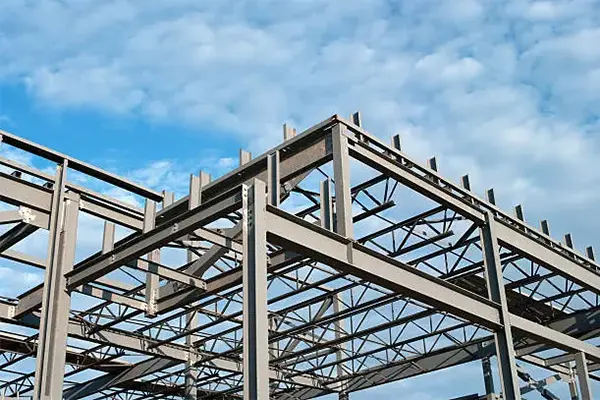
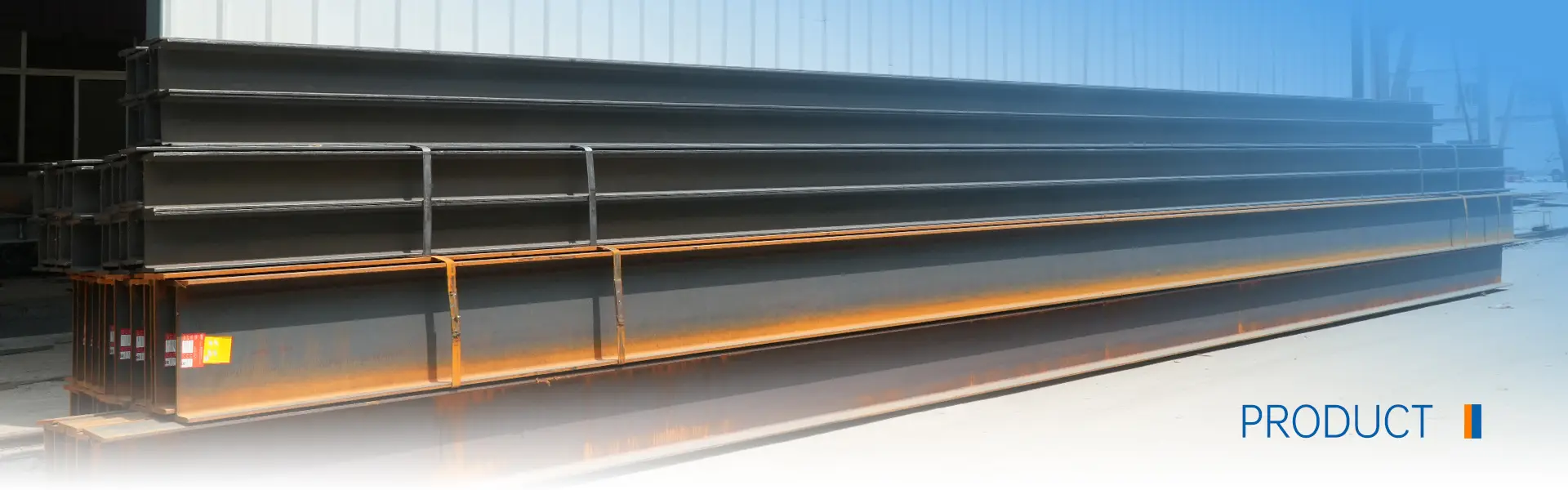
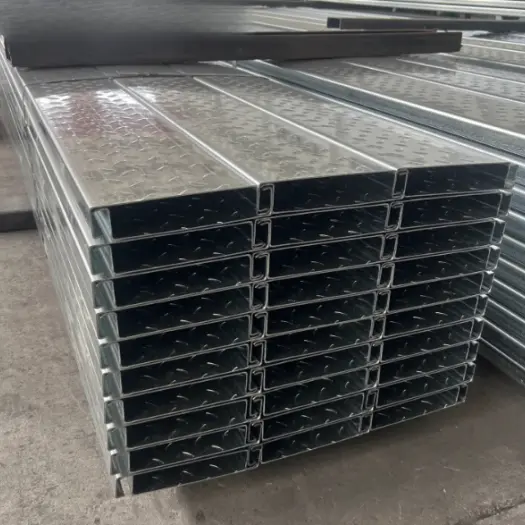
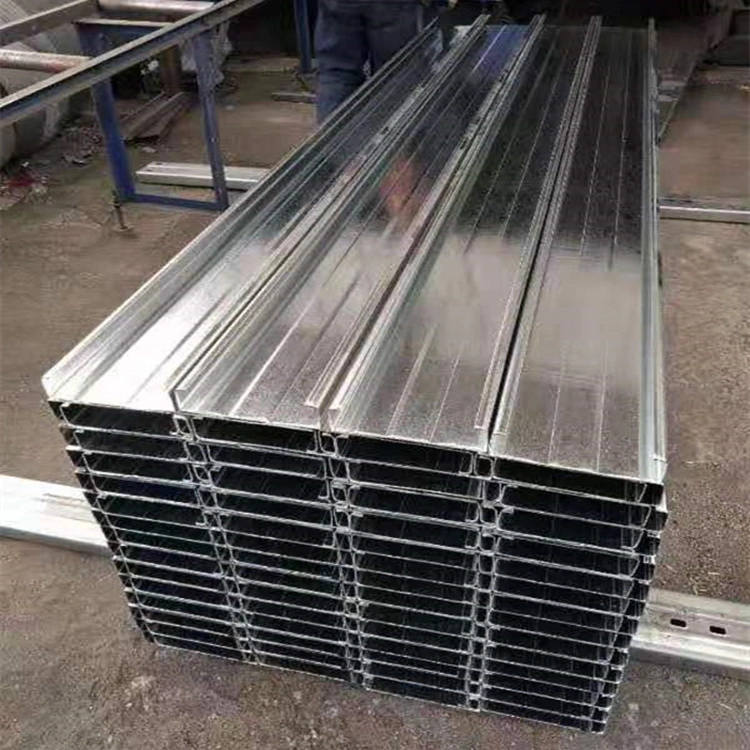
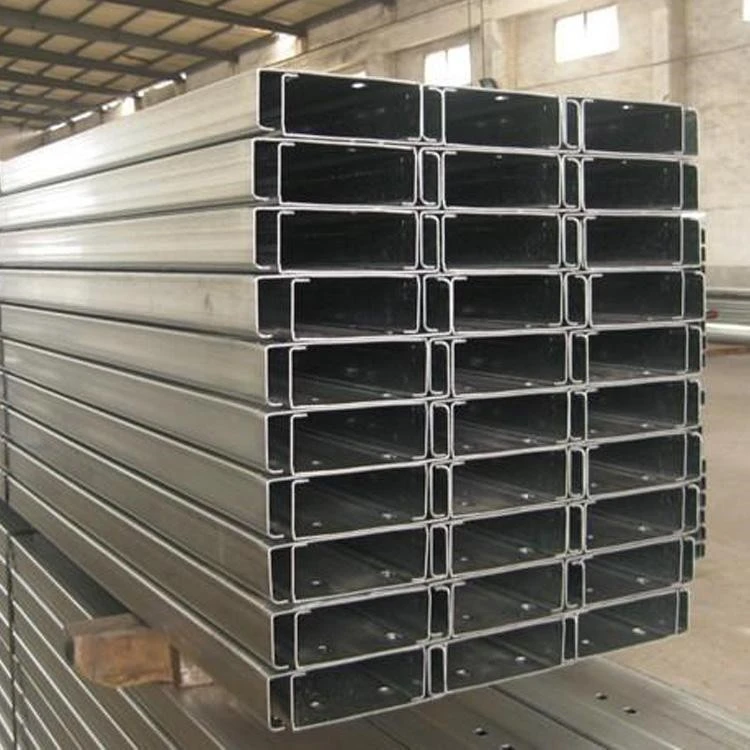
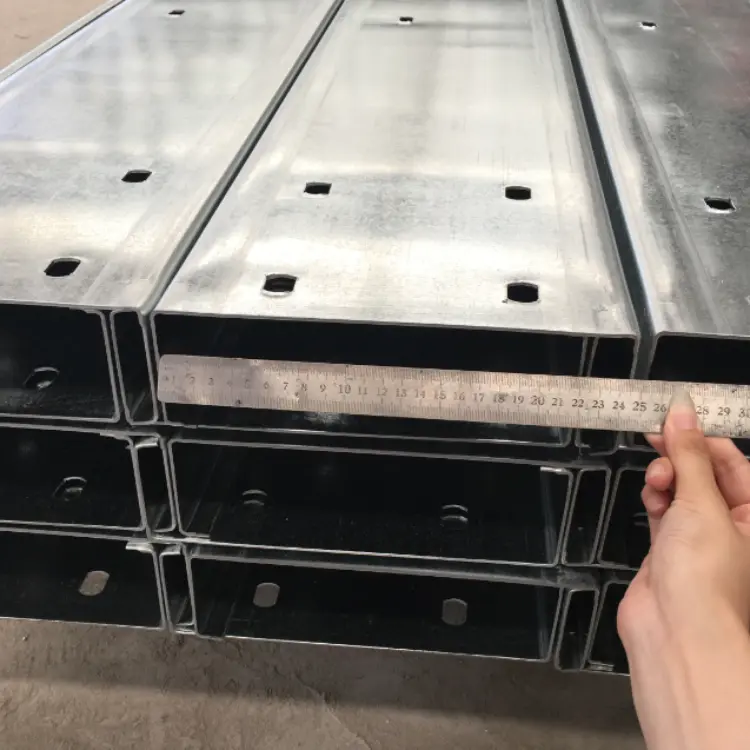
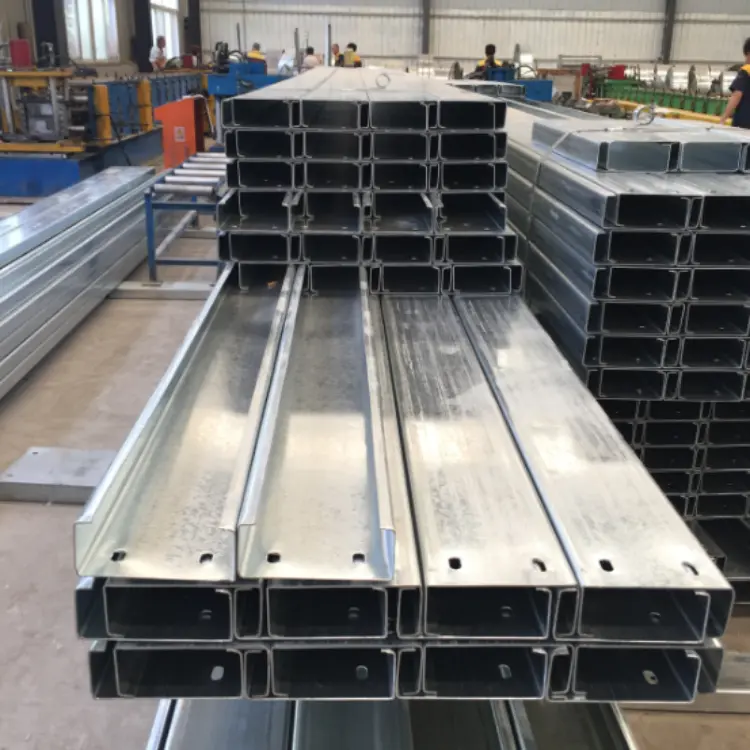
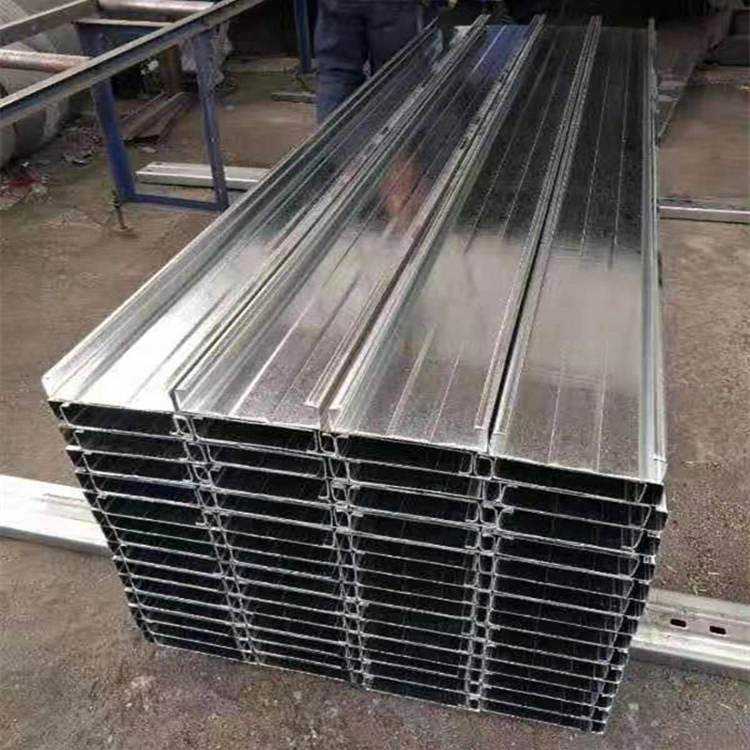
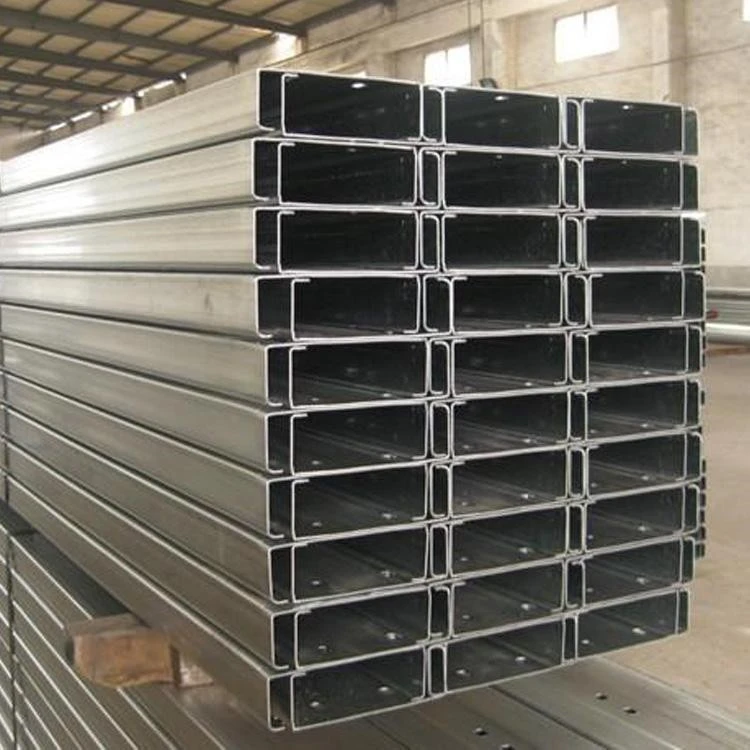
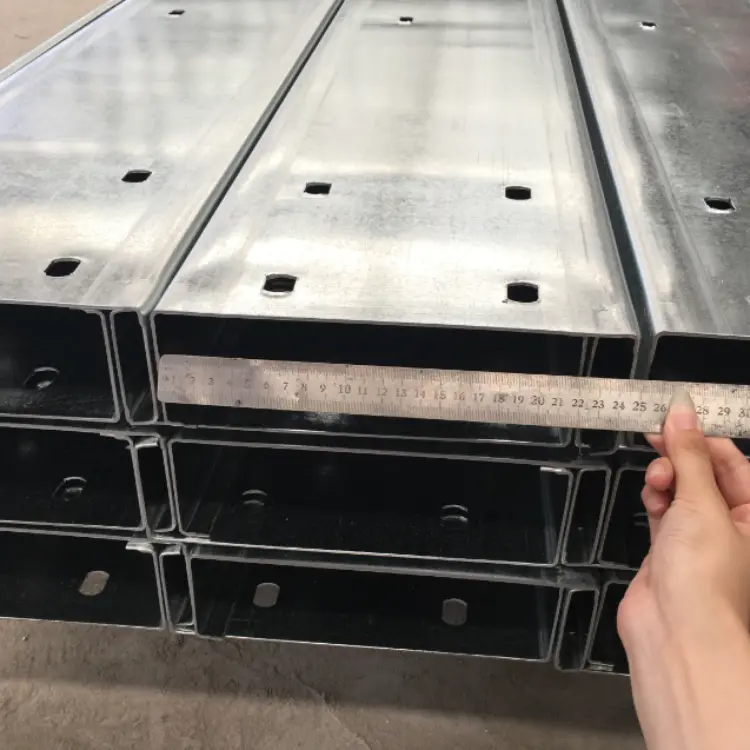
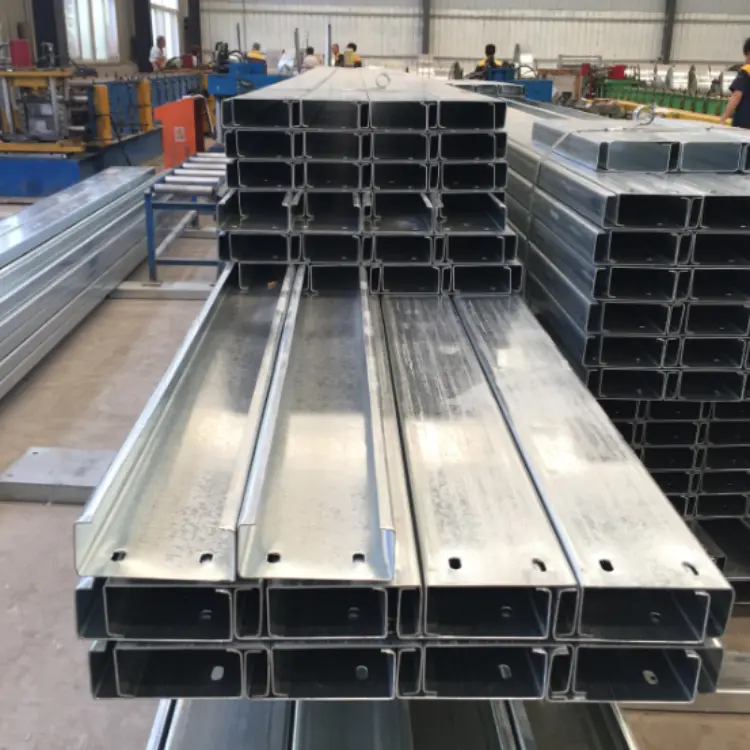
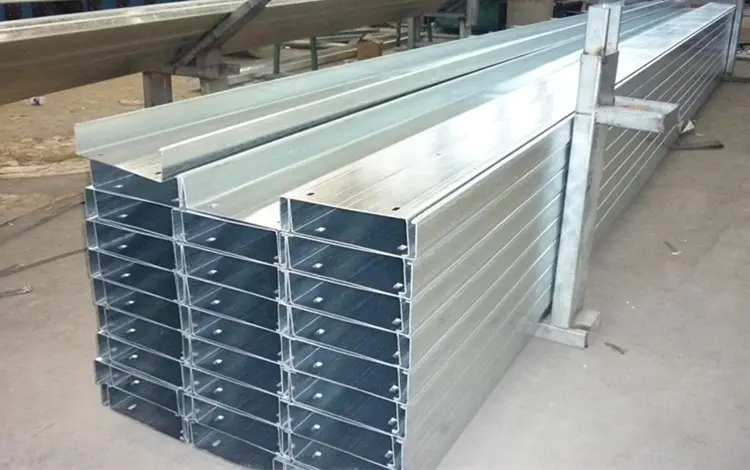
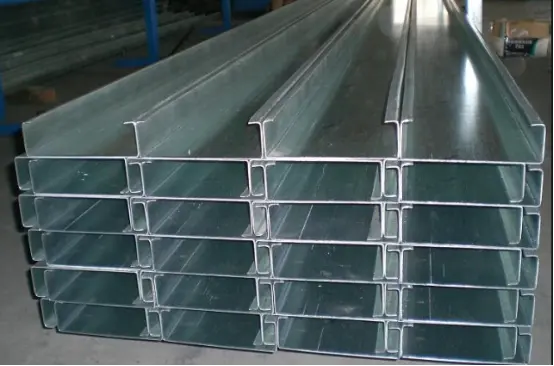
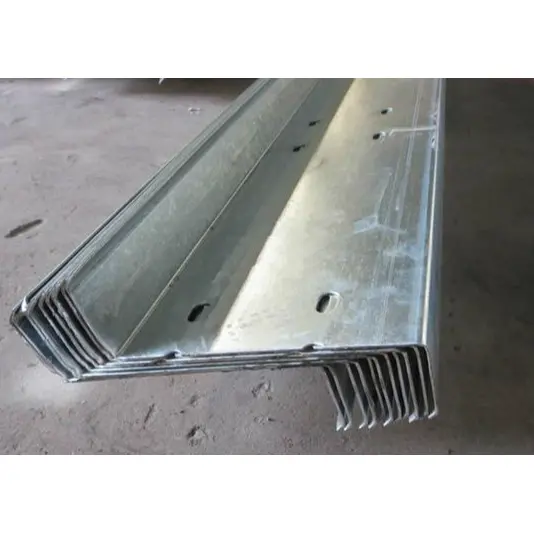
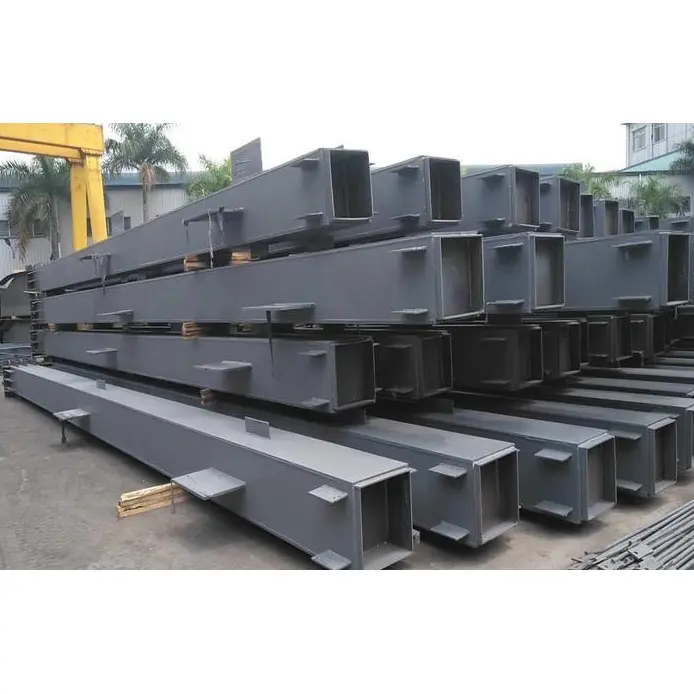
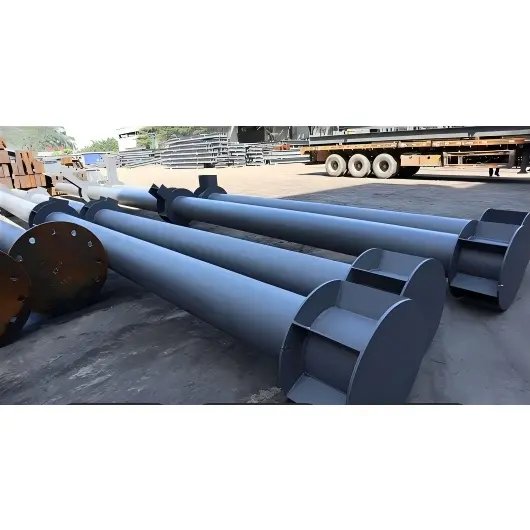
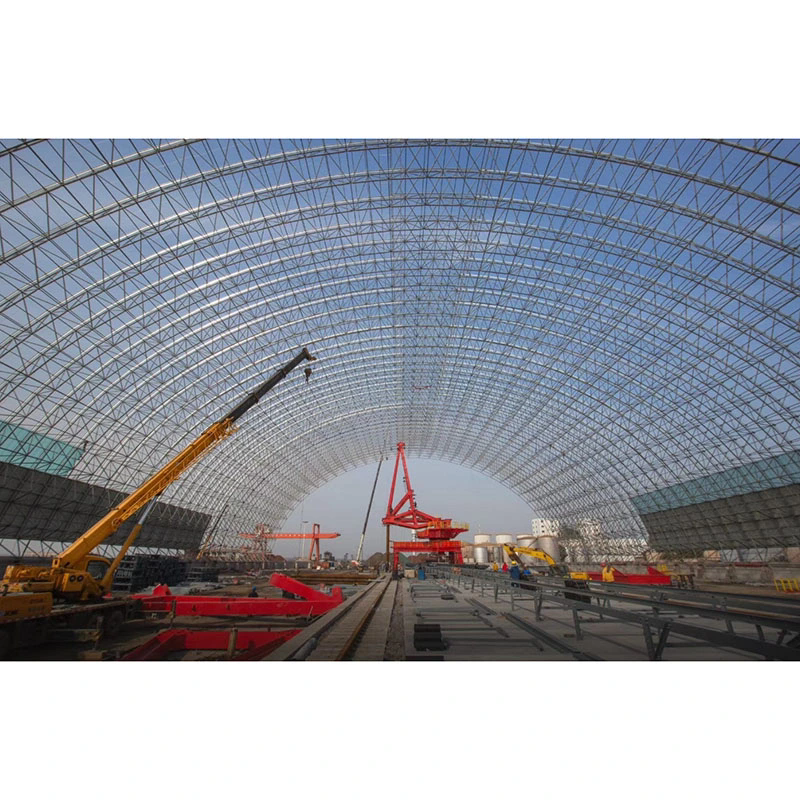
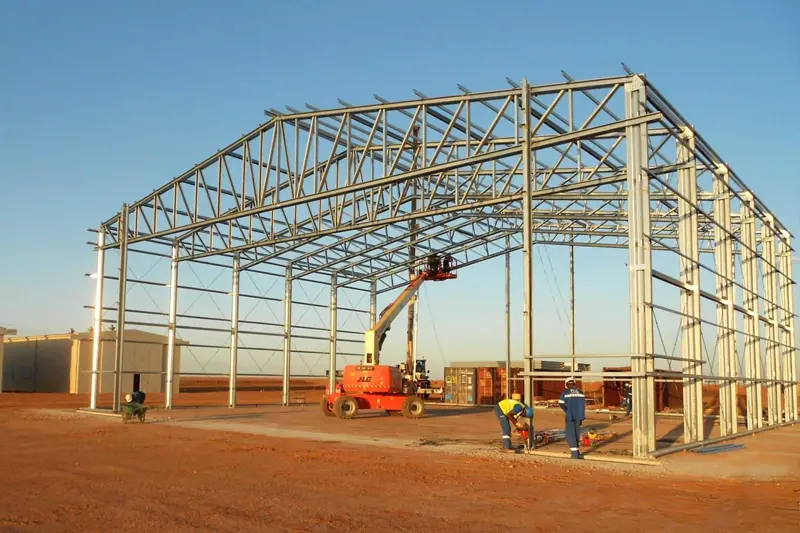
HAISHENG supplies high-quality Cold Rolled C Section Steel Purlins, we are a professional manufacturer and supplier of steel structural components. These C-section purlins are formed through the continuous cold-roll forming of hot-rolled steel strips using fully automated machinery. They feature a standard C-shaped cross-section and are classified as lightweight, thin-walled structural profiles. Produced without the need for hot processing, they offer precise dimensions and an optimized cross-sectional shape. They are widely used as load-bearing and structural support components—such as wall purlins, roof purlins, brackets, columns, and secondary beams—in steel-structured buildings.
Cold Rolled C Section Steel Purlins are manufactured from hot-dip galvanized steel strips. Categorized into roof purlins and wall purlins, they are installed on steel beams, columns, or the top chords of space frames. They serve as the load-bearing base for color-coated steel roof and wall panels, transferring loads to the main steel structure and acting as the structural framework for the building envelope system. Standard specification: Q235 hot-dip galvanized C-section steel with a galvanizing layer thickness of ≥80μm.
Cold-Rolled C-Section Steel Purlin System Components
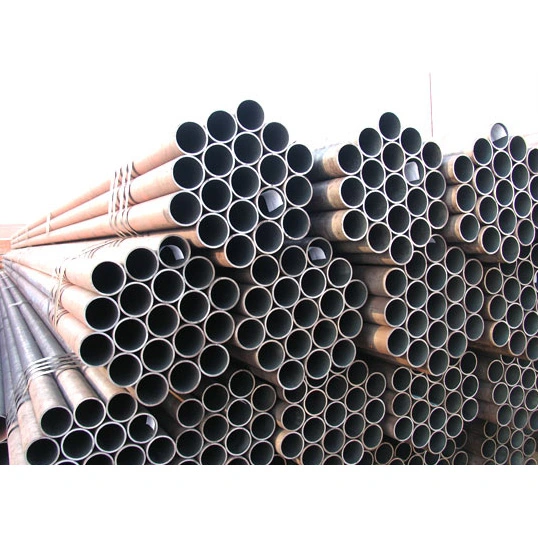
2). Sleeve struts: Φ32×2.0 welded pipe; installed at the transition points of diagonal tie-rods to provide rigid support.
Layout: Tie-rods are mandatory for roof purlins with spans exceeding 4 meters.
3. Eave Braces (Sag Rods/Braces)
L-shaped angle steel or small C-section steel; connected at one end to the purlin and at the other to the steel beam. They prevent the purlin from overturning due to wind pressure on the roof and are a standard feature for long-span roofs.
4. Connection Components
1). Purlin cleats: Embedded or welded onto steel beams and columns; C-section purlins rest on these cleats.
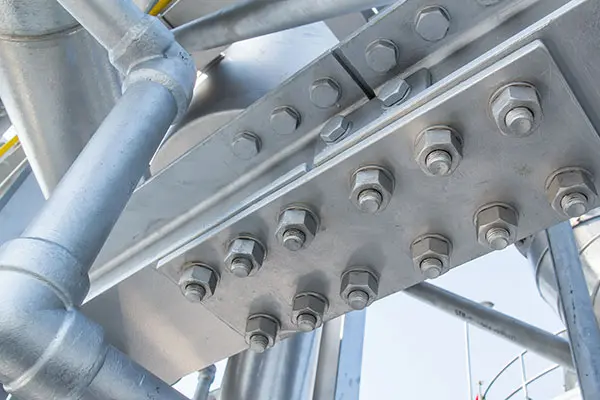
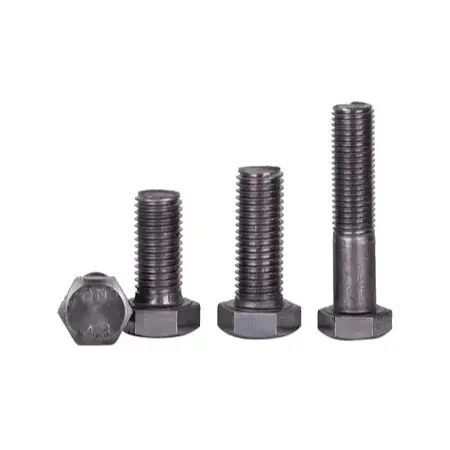
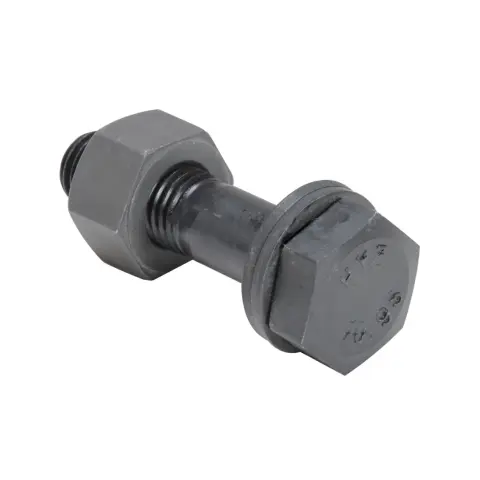
2). High-strength bolts and self-drilling screws: Used for splicing purlins and securing purlins to cleats.
5. Associated Cladding/Envelope Layers
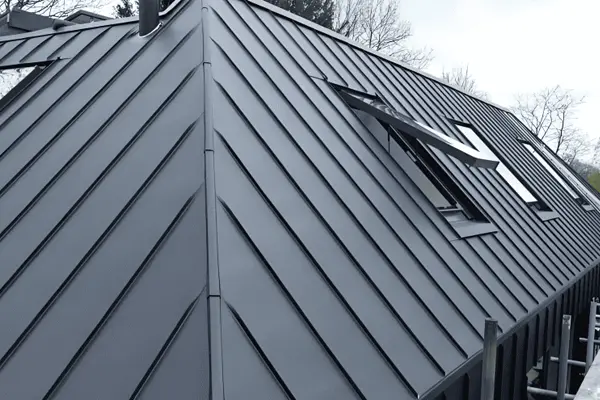
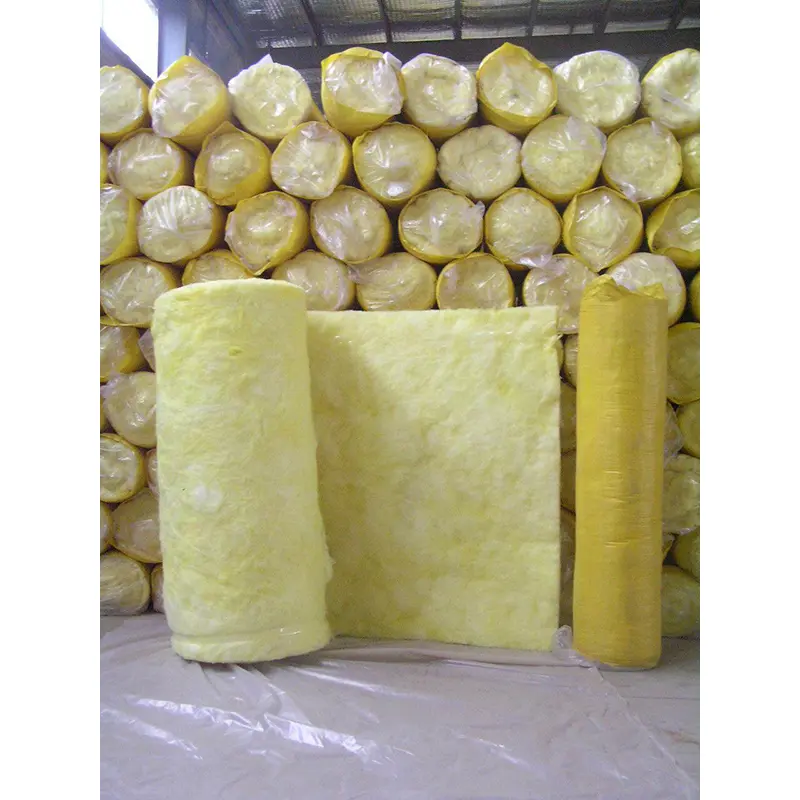
Fixed above the purlins: Roof/wall panels, insulation, vapor barrier membranes, and trim/flashing components.
Three Configuration Options
1. Small warehouse (span ≤ 9m): C140×50×2.0 roof purlins + C100×50×2.0 wall purlins; simple sag rods; no flange braces.
2. Standard factory building (12–24m): C160/C180 roof purlins + complete sag rod and strut system + roof flange braces.
3. Coastal high-wind areas / Space frame roofs: Thicker C-section steel (2.2–2.5mm), increased sag rod density, and full roof flange bracing.
1. Cold Rolled C Section Steel Purlins feature a structurally efficient cross-section, offering excellent flexural and compressive strength, material economy, and high load-bearing capacity.
2. Smooth, burr-free surfaces and precision punching facilitate easy splicing and connection.
3. Uniform material properties and good toughness; resistant to twisting and deformation.
4. Pre-punched holes allow for direct on-site assembly, significantly shortening construction time.
5. Compatible with various roof and wall cladding panels; an essential framing profile for light steel buildings.
Differentiating Highlights
I. Lightweight yet high load-bearing capacity; reduces primary structural costs.
Cold-formed thin-walled sections weigh only about one-third of hot-rolled channel steel for the same load-bearing capacity. This significantly reduces loads on steel beams, columns, and foundations, as well as the total steel tonnage required for the structure. In contrast, concrete purlins are extremely heavy and unsuitable for space frames or long-span light steel roofs.
II. Factory mass production and rapid installation
Components are manufactured to fixed lengths; on-site assembly uses a dry-construction method with bolted connections, eliminating the need for on-site cutting or welding. In contrast, timber purlins require planing and preservative treatment, while concrete purlins require formwork, casting, and curing—resulting in a significant difference in construction timelines.
III. Cross-sectional design facilitates tie-rods and knee braces; excellent overall stability
The inward-curled lip of the C-section steel allows for easy installation of round-bar tie-rods and knee braces, creating a robust structural system with superior resistance to lateral twisting and wind/snow loads compared to simple angle-iron purlins.
IV. Hot-dip galvanized for complete corrosion protection and long service life
The entire section is hot-dip galvanized, ensuring a uniform, airtight zinc coating (80μm for inland areas, 120μm for coastal regions) that resists corrosion from rain and moisture. Conversely, raw timber is prone to rot and cracking, while standard black iron channel steel entails high maintenance costs for periodic painting.
V. Easy to drill and route utilities
Holes can be drilled directly into the web on-site for plumbing and electrical lines, eliminating the need to route around beams or purlins and resulting in a clean, efficient layout. In contrast, the thick walls of channel steel make drilling difficult, and concrete purlins cannot be drilled arbitrarily.
VI. Flexible cutting and modification; recyclable and reusable
Materials can be cut and spliced on-site for reuse during factory expansions or modifications to door and window locations, and the steel is 100% recyclable. Timber and concrete purlins, however, typically become construction waste upon demolition.
VII. Outstanding cost-effectiveness
Produced via continuous roll-forming, the unit cost is lower than that of hot-rolled channel steel or treated solid timber purlins, making it the most economical framing choice for industrial building envelopes.
VIII. Brief distinction from Z-section steel
Cold Rolled C Section Steel Purlins feature straight ends, making them suitable for walls and short-span roofs with simple on-site splicing.
Z-section steel is designed for lapped, staggered connections, making it suitable for long-span roofs.
IX. Summary of competing products
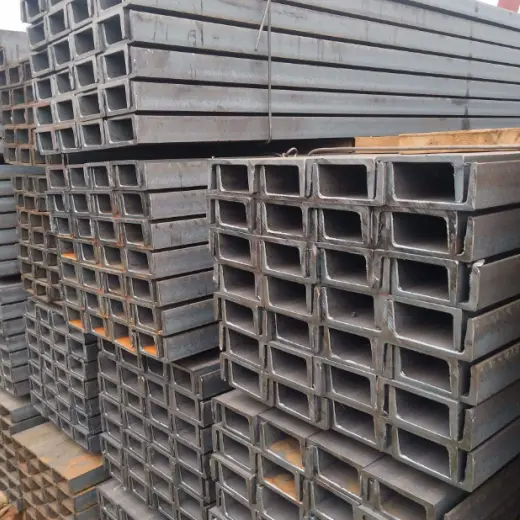
1. Hot-rolled channel steel: Heavy self-weight, expensive material, and uneconomical;
2. Timber purlins: Flammable and prone to rot; fails to meet fire safety standards;
3. Concrete purlins: Heavy and slow to install; largely phased out in steel construction.
Standard Production Process
I. Incoming Raw Material Inspection
Raw material: Hot-dip galvanized steel strip (Q235). Inspections cover zinc coating thickness, strip thickness, and yield strength. Common wall thicknesses: 1.8/2.0/2.2/2.5 mm. Zinc coating requirements: ≥80 μm (inland) and ≥120 μm (coastal). The steel strip must be free from peeling, uncoated spots, or curled edges.
II. Uncoiling and Feeding
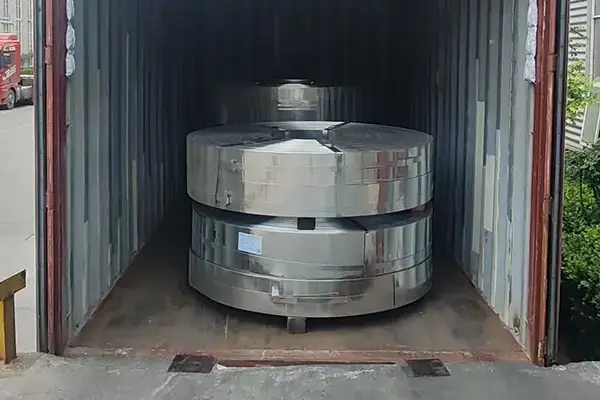
Steel coil hoisted onto the uncoiler → strip flattened → fed into the forming unit (equipped with a tracking/alignment system to prevent material deviation).
III. Continuous Cold-Roll Forming
The steel strip passes through multiple sets of forming rollers, gradually bending to form the web, top and bottom flanges, and inner lips. A standard C-section profile (e.g., C80/C100/C140/C160/C180/C200) is produced in a single pass.
IV. Servo-Controlled Cut-to-Length
Cut to the required project length using an online hydraulic flying saw; the cut edge is smooth and free from deformation.
V. Punching
Bolt holes and round holes for sag rods are punched in the ends or web of the finished product for subsequent assembly and fastening.
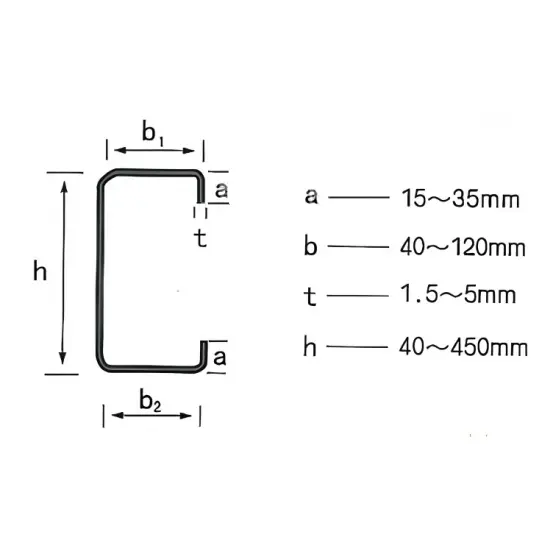
II. Mainstream Section Specifications (H×B×C: Height × Flange × Lip)
C160×60×20, C180×60×20, C200×60×20, C220×70×20, C250×75×20, C280×80×20, C300×80×20; Thickness: 1.8–3.0 mm.
III. Mechanical Properties
1. Yield strength: ≥235 MPa
2. Linear expansion coefficient: 1.2×10⁻⁵/℃ (compatible with the thermal expansion of color-coated steel sheets)
IV. Accessory Component Parameters
1. Sag rods
Straight/diagonal sag rods: φ10 or φ12 Q235 round steel; ends are thread-rolled and hot-dip galvanized.
Strut sleeves: Φ32×2.0 welded pipe; a thinner round steel rod passes through the interior for tensioning.
A sag rod system is mandatory for purlin spans >4 m.
2. Eave braces (roof-specific)
Cut from small C-sections or angle steel; thickness matches the purlin or is 1.8 mm; one end connects to the purlin and the other to the steel beam to prevent purlin overturning.
3. Connection components
Purlin cleats: 3.0–5.0 mm hot-dip galvanized steel plate; Fastening bolts: M12 or M14 hot-dip galvanized bolts.
V. Selection and Application Reference for Cold Rolled C Section Steel Purlins
2. Standard factory buildings (span 12–24m, column spacing approx. 6–7m): Roof C160/C180 (wall thickness 2.0–2.2mm); equipped with a full set of sag rods and flange braces
3. Coastal high-wind zones: Thicker purlins (wall thickness 2.2–2.5mm); sag rods installed at closer intervals
4. Large factory buildings (column spacing > 7m): Roof C200, C220, C250, C280, C300 (wall thickness 2.0–3.0mm); equipped with a full set of sag rods and flange braces
Hot Tags: Cold Rolled C Section Steel Purlins, Manufacturer, Supplier
Contact HAISHENG China supplier of Structural Steel Components, Steel Structure Cladding Components and Structural Steel Fasteners. Our professional sales team will reply with detailed quotation, product parameters and delivery plan within 24 hours to meet your bulk procurement demand.
We use cookies to offer you a better browsing experience, analyze site traffic and personalize content. By using this site, you agree to our use of cookies.Privacy Policy