Tianjin Haisheng Steel Structure Co., Ltd.
Products
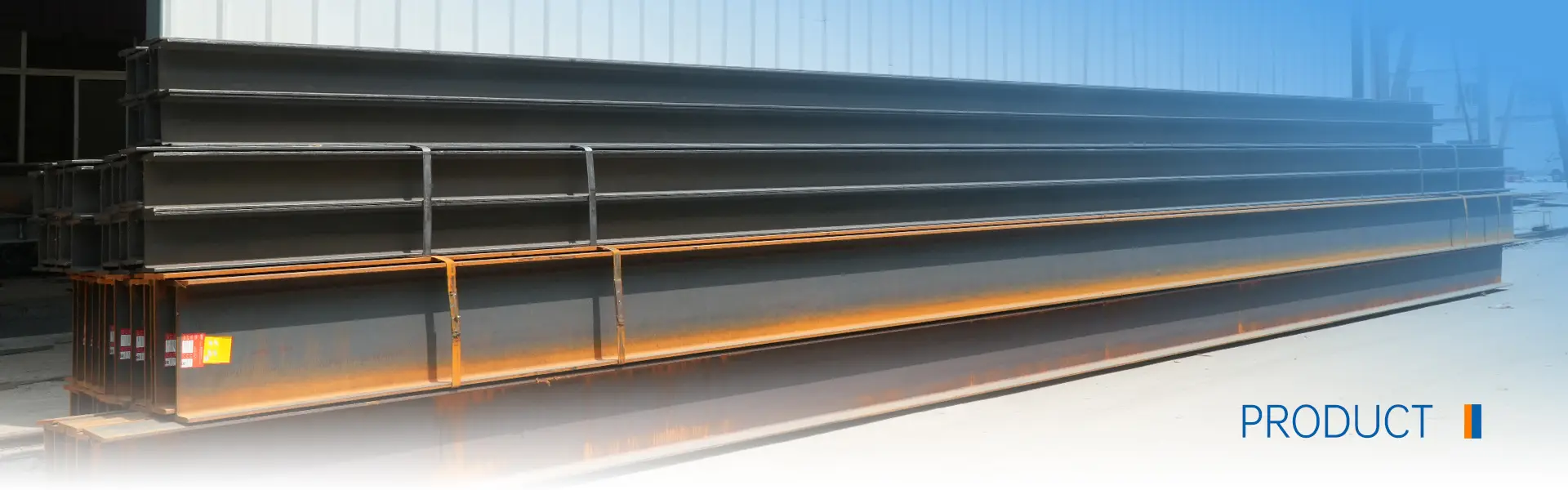
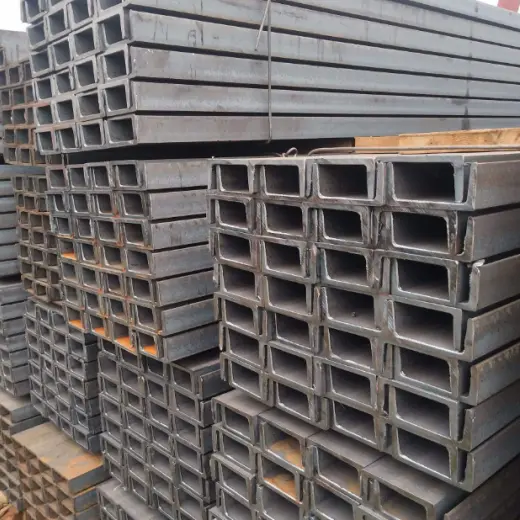
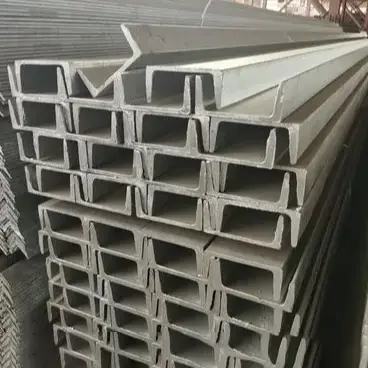
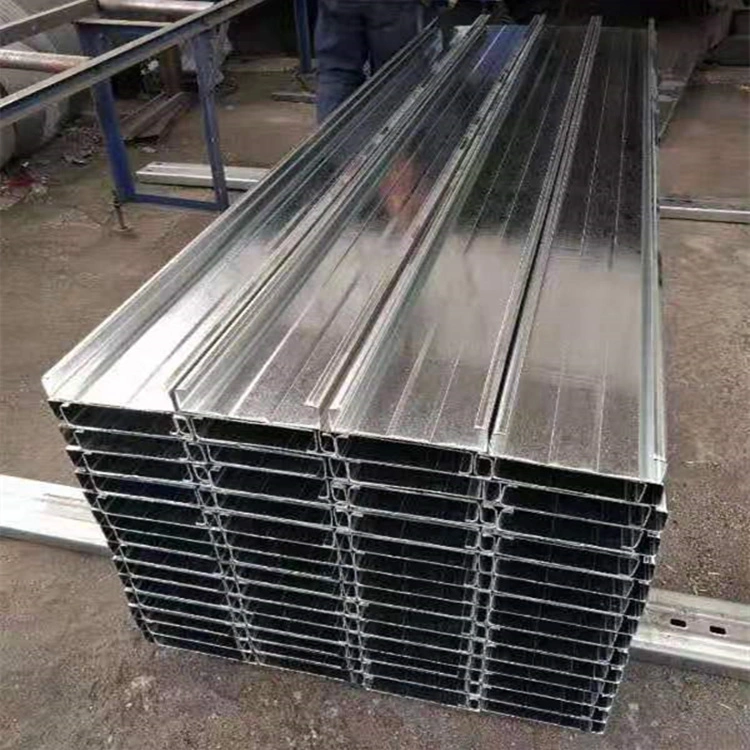
Hot Rolled Steel Channel Purlins for Roofing
  • Hot Rolled Steel Channel Purlins for RoofingHot Rolled Steel Channel Purlins for Roofing
  • Hot Rolled Steel Channel Purlins for RoofingHot Rolled Steel Channel Purlins for Roofing

Hot Rolled Steel Channel Purlins for Roofing

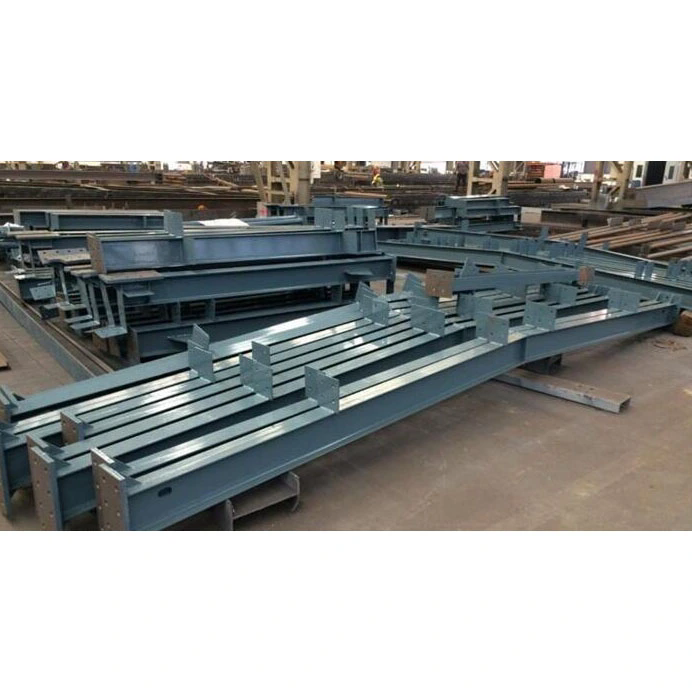
As a direct manufacturer, HAISHENG Steel Structure offers immediate stock of Hot Rolled Steel Channel Purlins for Roofing, with support for custom hole punching, accessory fabrication, and specialized anti-corrosion or color-coating treatments. Compliant with the GB/T707 national standard and manufactured from Q235B hot-rolled steel, our products feature anti-corrosion options including painting and hot-dip galvanizing. They are specifically designed to meet procurement needs for heavy-load roofing, the renovation of aging industrial facilities, and purlin replacement in high-temperature workshops.

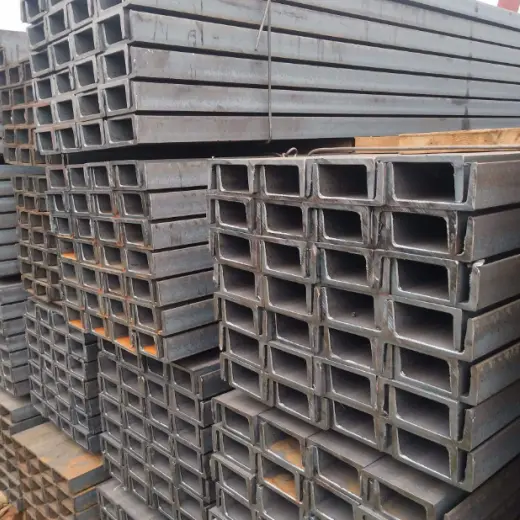
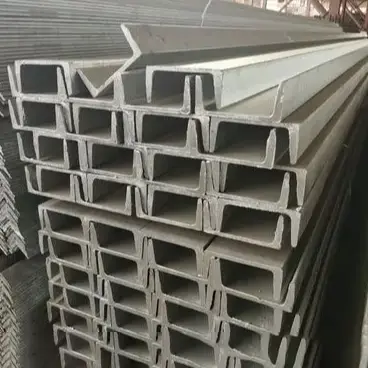
Hot Rolled Steel Channel Purlins for Roofing serve as heavy-duty, load-bearing structural members for roofs and walls. Unlike cold-formed thin-walled C- or Z-purlins, they are formed as a single, integral unit directly from hot-rolled steel. This process eliminates internal stresses associated with cold forming and ensures uniform thickness across the web and flanges, making them the ideal replacement choice when the load-bearing capacity of light-gauge steel purlins is insufficient.

Hot Rolled Steel Channel Purlins For RoofingHot Rolled Steel Channel Purlins For Roofing

Product Scope and National Standard Compliance

1. Basic Compliance Standards

Raw Material Compliance: Virgin Hot Rolled Steel Channel Purlins for Roofing are rolled in strict accordance with National Standard GB/T707; the use of recycled/re-rolled non-standard materials is prohibited, and excessive negative wall-thickness deviation is strictly prevented.

Finished Product Processing: Virgin channel steel undergoes fixed-length cutting, stress relief, precision web punching, and end-face deburring; the mechanical properties of the hot-rolled base material remain unaltered, with processing limited to precision finishing for assembly.

2. Operational Suitability

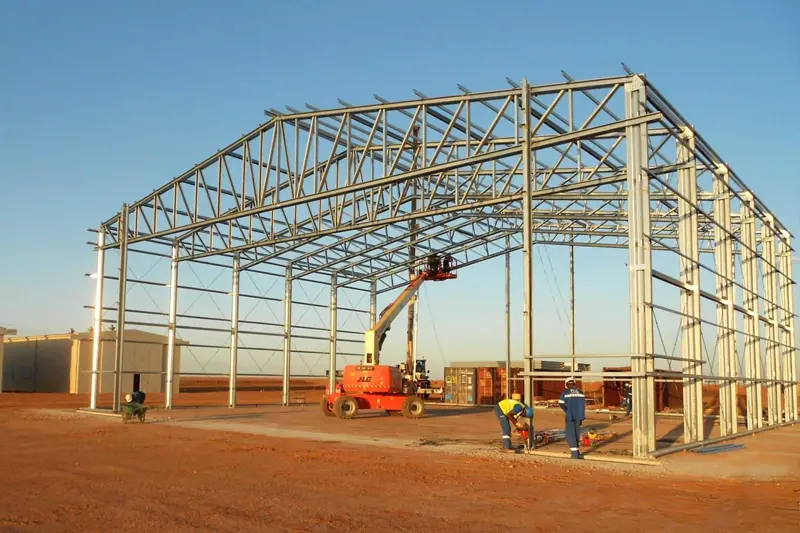
Suitable Applications: Steel beam or concrete ring beam bases, heavy-load roofing, suspended platforms for roof-mounted equipment, high-temperature auxiliary facilities in smelting plants, and renovation of aging portal rigid-frame structures.

Prohibited Applications: Standard new light-load factory buildings (spans under 15m) and steep-slope roofs with continuous overlapping; these scenarios offer poor cost-effectiveness and structural suitability.

3. Factory-Applied Anti-Corrosion Classification

Indoor Dry/Dust-Free Environments: Sandblasting/rust removal followed by composite paint coating.

Outdoor Humid/Coastal/Chemical Environments: Hot-dip galvanizing for long-term corrosion protection.


Complete Product Supply

1. Mainstream Stock Specifications for Hot-Rolled Steel Channel Purlins

No. 8 Channel Steel: 80×43×5mm (Primary material for small-scale renovation projects)

No. 10 Channel Steel: 100×48×5.3mm (Primary material for general heavy-load roofing)

No. 12 Channel Steel: 120×53×5.5mm (Specialized for equipment platforms and areas with heavy snow accumulation)

2. Lateral Stability Components

Round Steel Tie Rods: Φ12, Φ14 Q235 hot-dip galvanized round steel with thread-rolled ends; due to the high hardness of the channel steel web, on-site drilling is prohibited—bolt holes must be pre-fabricated in the factory.

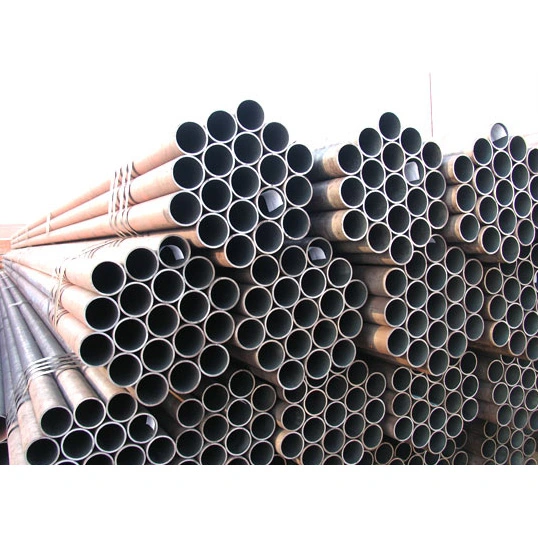
Sleeve struts: Φ32×2.0 welded steel pipe; used for rigid corner support of diagonal tie rods to counteract local shear stress.

Roof knee braces: L40×4 or L50×5 equal-leg angle steel; connects purlins to main beams to resist overturning caused by wind suction.

3. Support connection components

Purlin cleats: 3.0–5.0 mm hot-rolled steel plate (cut and bent) with pre-drilled bolt holes.

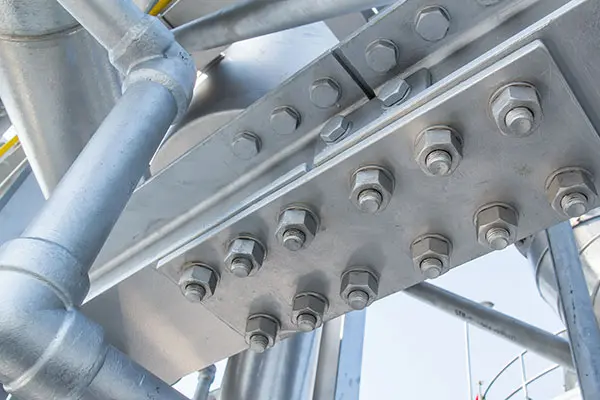
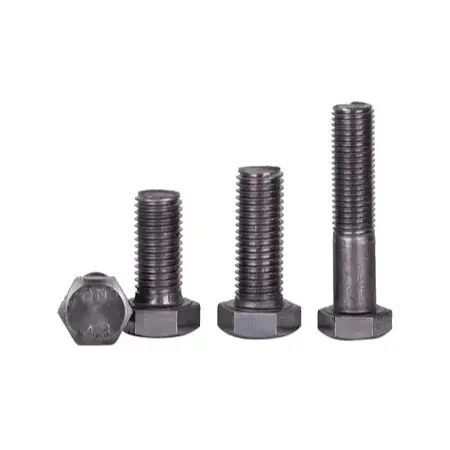
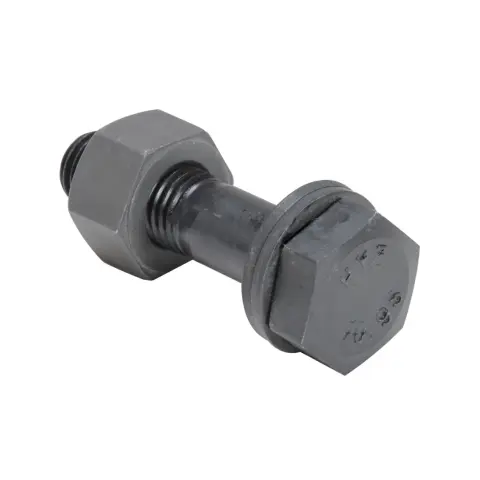
Fastening bolts: M14 or M16 hot-dip galvanized high-strength bolts; sized to fit the large-diameter installation holes in the channel steel.

4. Compatible upper roof cladding materials

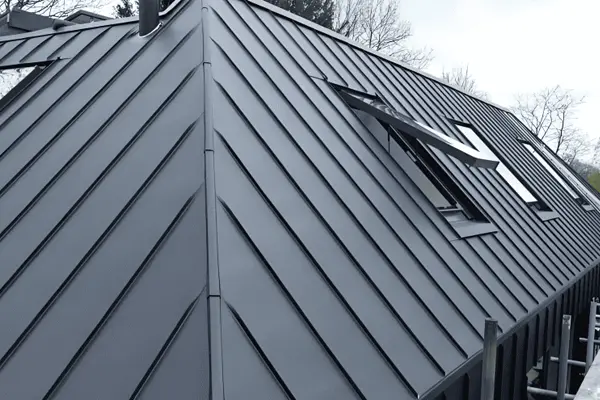
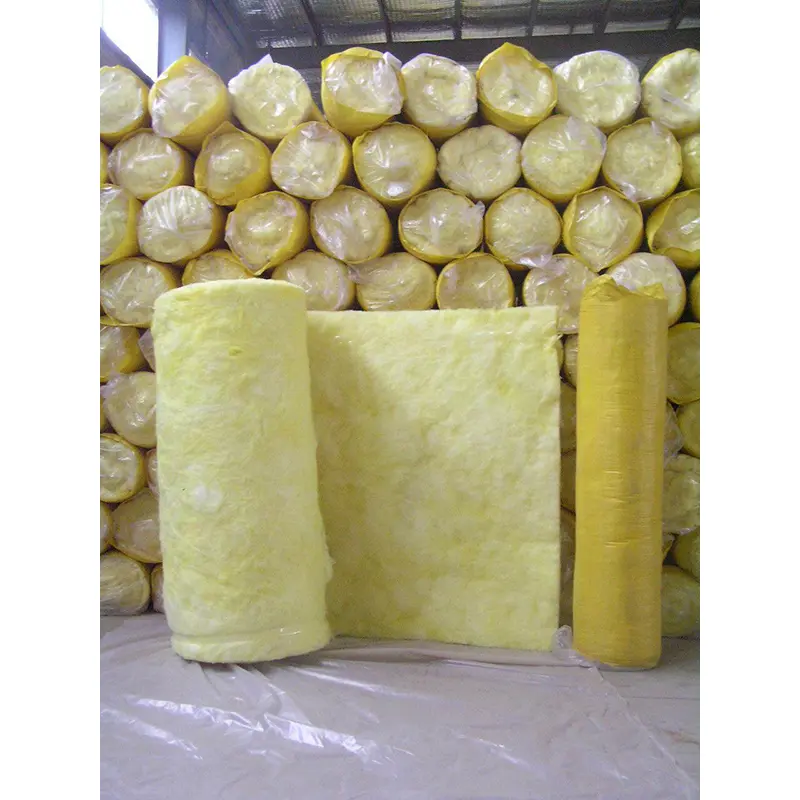
Direct compatibility: Standard standing-seam color steel sheets, lapped color steel roof panels, and glass wool/rock wool insulation layers.

Matching trim/flashings: Ridge caps, eave flashing, and roof expansion joint trim.


Configuration options based on specific application scenarios

1. Configuration for renovating old, small-span factory buildings

Main material selection: No. 8 hot-rolled channel steel purlins (standard lengths of 6–9 m).

Auxiliary materials: Φ12 single-row simple tie rods; no additional knee braces.

Anti-corrosion treatment: Sa2.5 grade sandblasting + epoxy primer + two coats of topcoat (film thickness ≥80 μm).

Applicable conditions: Roof load ≤0.8 kN/m²; no suspended equipment; dry inland regions.

2. Configuration for heavy-load roofs and equipment maintenance platforms

Main material selection: No. 10 or No. 12 thickened channel steel; purlin spacing reduced as required. Auxiliary materials: Φ14 closely spaced tie rods; angle steel knee braces installed at 100% of purlin locations.

Anti-corrosion treatment: Spray painting for indoor use; hot-dip galvanizing for outdoor use.

Applicable conditions: Roof supports additional loads such as ventilators, photovoltaic systems, or maintenance personnel traffic.

3. Configuration for Coastal Areas (High Salinity/Humidity)

Material Selection: Sizes ranging from No. 8 to No. 12 (selected based on requirements).

Anti-corrosion Standard: Purlins, tie rods, knee braces, and purlin brackets all feature a galvanized coating thickness of ≥120μm to eliminate galvanic corrosion between components.

Installation Details: Anti-corrosion gaskets are installed between purlin brackets and main beams to break the path for electrochemical corrosion.


Performance Comparison with Cold-Formed C/Z Purlins

1. Ultimate Load and Impact Resistance

Hot Rolled Steel Channel Purlins for Roofing: The hot-rolled base material has uniform wall thickness and no residual stress from cold forming; it withstands lateral heavy-object impacts and concentrated snow loads without section buckling or denting.

C/Z Purlins: Thin-walled and cold-formed; concentrated loads exceeding limits cause immediate bending or tearing, making them unsuitable for suspending equipment.

2. Deformation Stability Under High-Temperature/Fire Conditions

Channel Steel Purlins: Densely rolled base material; no lateral twisting occurs during short-term exposure to temperatures up to 400°C, making them suitable for boiler rooms and smelting workshops.

C/Z Purlins: Thermal stress releases rapidly in thin-walled sections, leading to easy lateral buckling and collapse; often fails fire safety inspections.

3. Convenience of On-Site Modifications

Channel Steel Purlins: Sufficient web thickness allows for arbitrary drilling and welding of pipeline supports without compromising the section's overall load-bearing capacity.

C/Z Purlins: A single hole with a diameter exceeding 12mm significantly reduces flexural strength, severely limiting future modifications.

4. Inherent Limitations and Selection Trade-offs

Cost and Self-Weight Limitations: For the same span, self-weight is over 60% higher than C-section steel, increasing main beam and foundation construction costs by 12%–15%.

Structural Limitations: Flat flanges prevent overlapping for extended lengths, making them unsuitable for continuous load-bearing designs on steep-slope roofs.


End-to-End Precision Quality Control Process

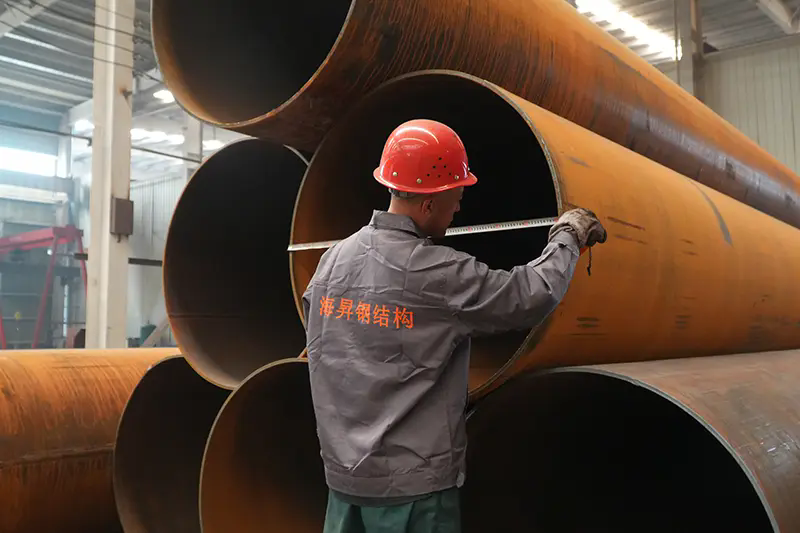
1. Pre-entry Verification of Raw Materials

Visual Inspection: Check for channel steel twisting, flange cracking, edge/corner deformation, and surface delamination.

Parameter Verification: Spot-check web thickness and flange width tolerances; verify mill material quality certificates; conduct spectral re-testing for Q235B grade steel.

2. Precision Processing of Hot Rolled Steel Channel Purlins for Roofing

Cut-to-Length: Precision plasma cutting; cut-face perpendicularity deviation ≤ 1mm.

Stress-Relief Punching: Hole placement ≥ 1.5 times the hole diameter from the flange; avoid the central web stress-weak zone to prevent tearing under load.

End-Face Grinding: Remove burrs from cut edges and holes to prevent damage to the anti-corrosion coating during transport and injuries to installation personnel.

3. Dual-Route Anti-Corrosion Finishing

Paint Coating Route: Shot blasting (Sa2.5) for rust removal → dust blow-off → epoxy primer spraying → double-layer topcoat spraying → 72-hour ambient temperature curing.

Hot-Dip Galvanizing Route: Acid pickling/degreasing → water rinsing → flux immersion → hot-dip galvanizing at 450–460°C → air cooling/passivation → grinding of surface zinc nodules.

4. Final Factory Inspection and Packaging

Dimensional & Geometric Inspection: Full inspection of straightness, twist/deflection, and hole spacing.

Anti-Corrosion Spot Check: On-site thickness verification using paint film and galvanizing layer thickness gauges.

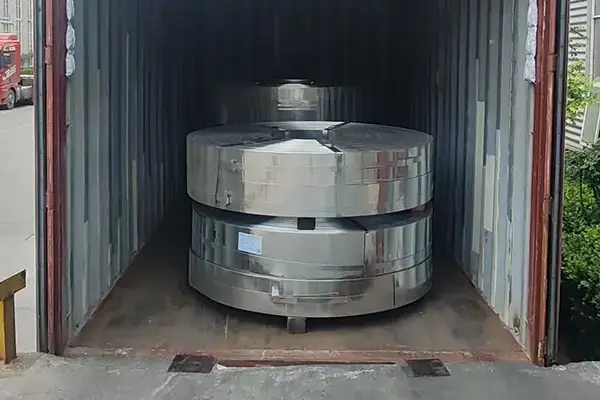
Storage & Packaging: Steel pallet bundling; marking with model, material, and anti-corrosion specifications; moisture-proof stretch-wrap packaging for sea transport.


National Standard Mechanical Properties and Actual Cross-Sectional Parameters

Channel Size

Height h(mm)

Leg Width b(mm)

Web Thickness d(mm)

Theoretical Weight(kg/m)

8#

80

43

5.0

8.045

10#

100

48

5.3

10.007

12#

120

53

5.5

12.059

1. Base Material Mechanical Parameters

Material: Q235B hot-rolled carbon structural steel

Mechanical Strength: Yield strength ≥ 235 MPa; tensile strength 375–500 MPa

Thermal Expansion Coefficient: 1.2 × 10⁻⁵/°C; expansion gaps required for long-span roofing

2. Quantitative Anti-Corrosion Parameters

Paint-based anti-corrosion: Total composite coating thickness ≥ 80 μm

Hot-dip galvanizing: ≥ 80 μm for standard inland areas; ≥ 120 μm for coastal or chemical corrosion zones


FAQ

1. Can Hot Rolled Steel Channel Purlins for Roofing replace Z-shaped purlins for steep-slope roofing?

Answer: No. Channel steel features flat flanges, which causes eccentric loading on sloped roofs and prevents continuous load-bearing through overlapping; this makes the purlins highly prone to overturning over time, so they are suitable only for flat installation.

2. Do auxiliary components for coastal projects require separate galvanizing?

Answer: Yes. Potential differences between different steel materials accelerate corrosion; HAISHENG applies the 120 μm galvanizing standard to all auxiliary components by default, so customers do not need to source them separately.

3. What is the difference between on-site hole drilling and factory pre-drilling for channel steel?

Answer: On-site drilling lacks stress relief, creating a high risk of web tearing; factory pre-drilling follows national standards for hole spacing without compromising structural load-bearing capacity, and is a mandatory requirement for overseas projects.


Hot Tags: Hot Rolled Steel Channel Purlins for Roofing, manufacturer, supplier
Send Inquiry
Contact Info
Contact HAISHENG China supplier of Structural Steel Components, Steel Structure Cladding Components and Structural Steel Fasteners. Our professional sales team will reply with detailed quotation, product parameters and delivery plan within 24 hours to meet your bulk procurement demand.
X
We use cookies to offer you a better browsing experience, analyze site traffic and personalize content. By using this site, you agree to our use of cookies.Privacy Policy
RejectAccept