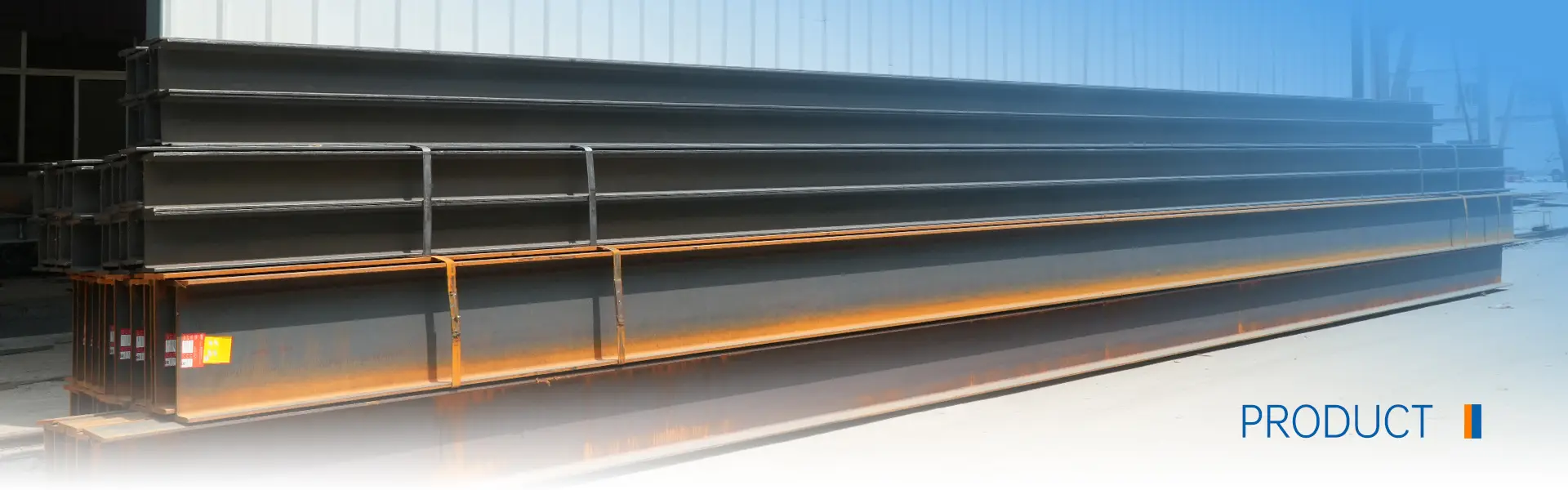
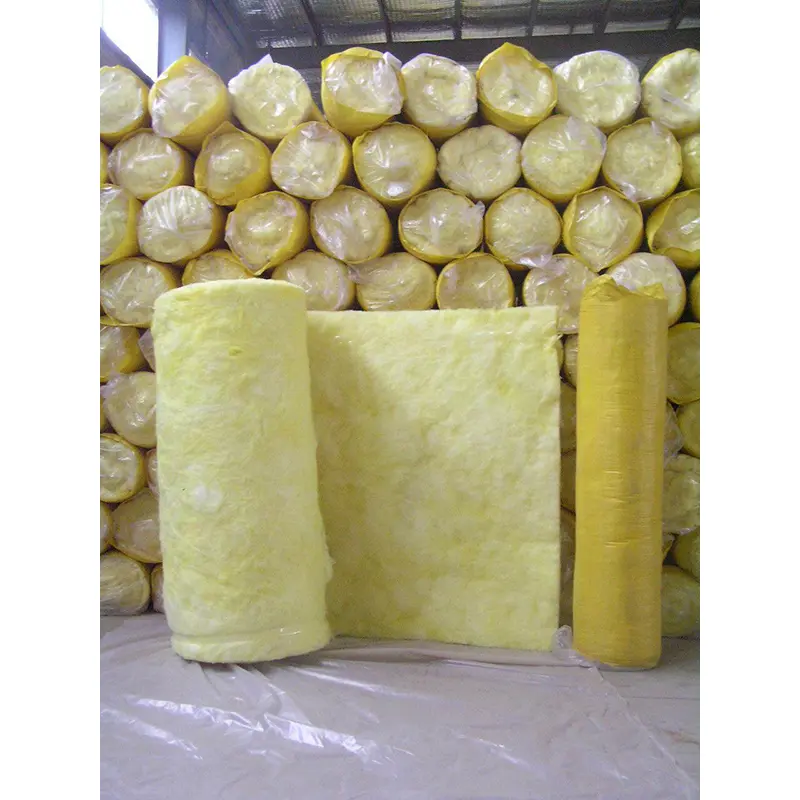
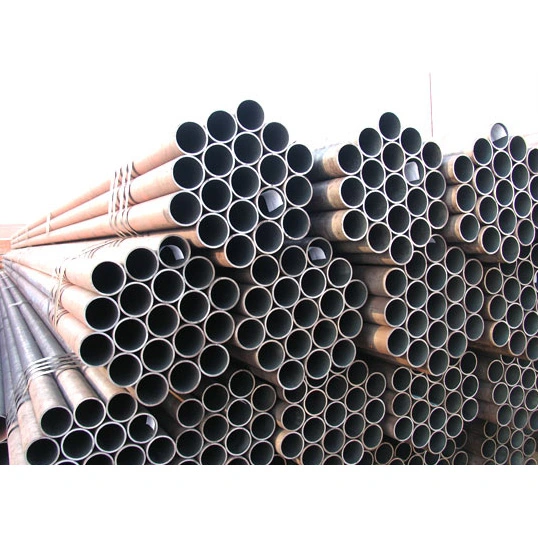
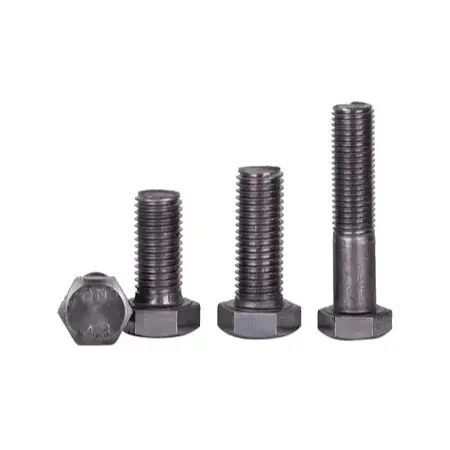
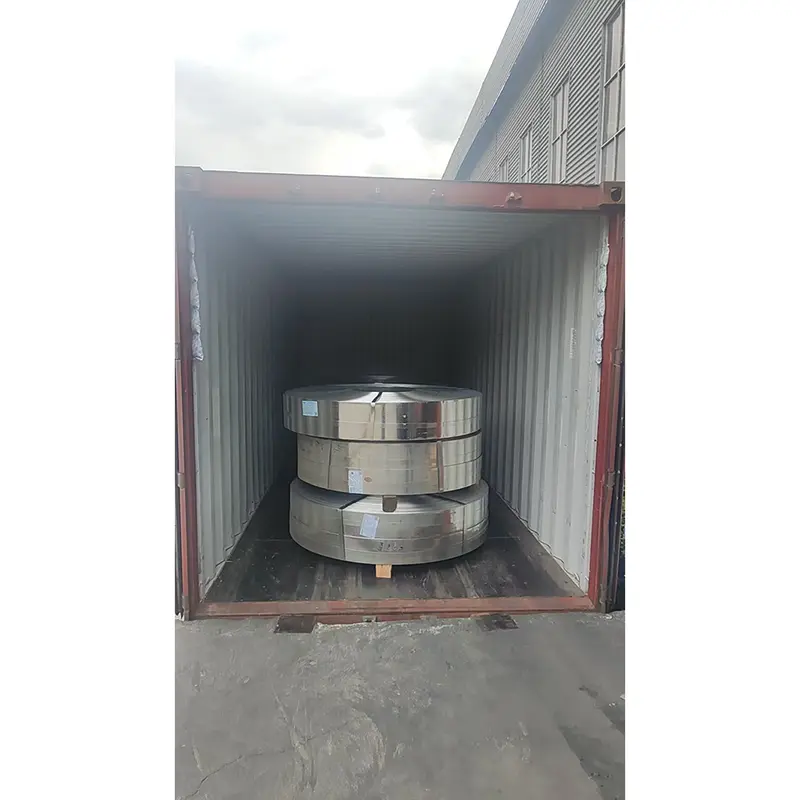
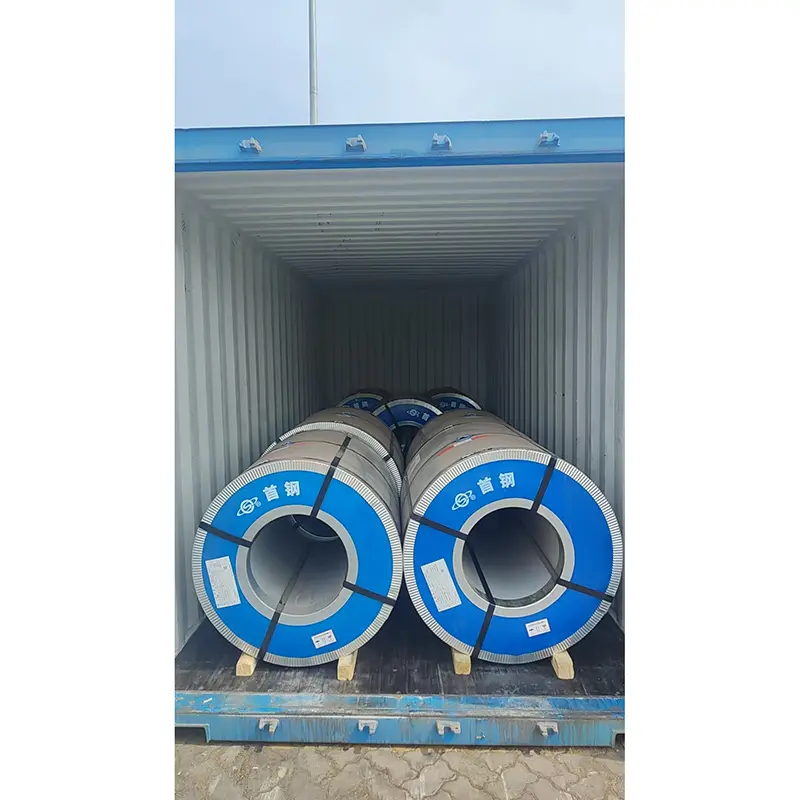
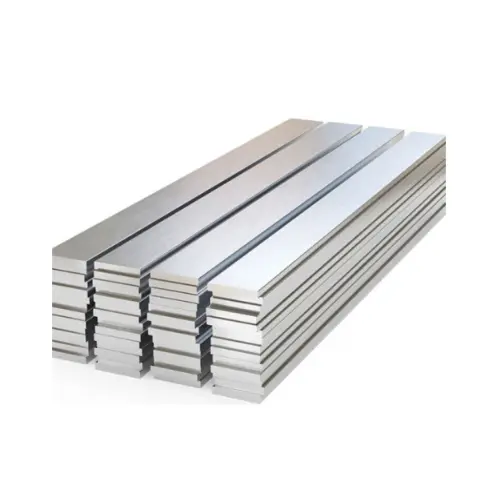
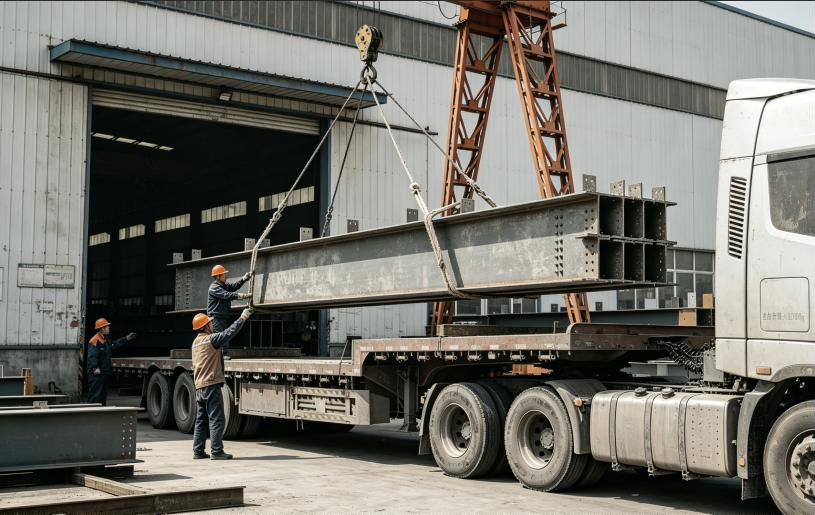
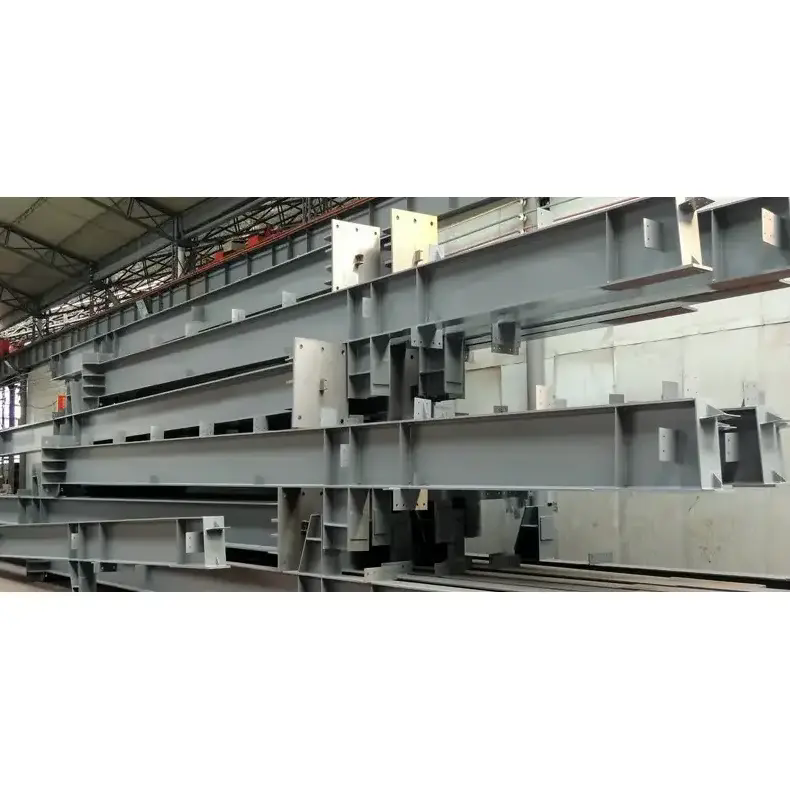
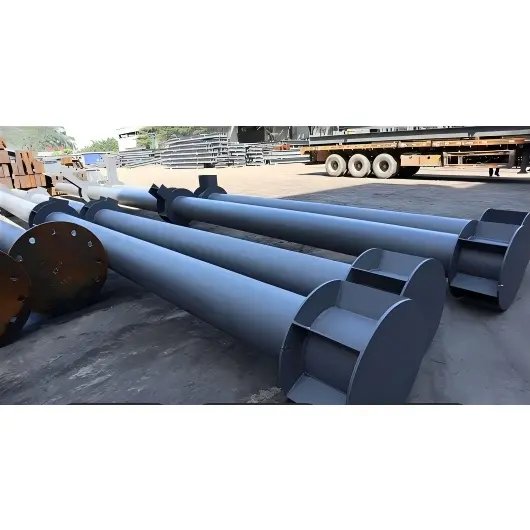
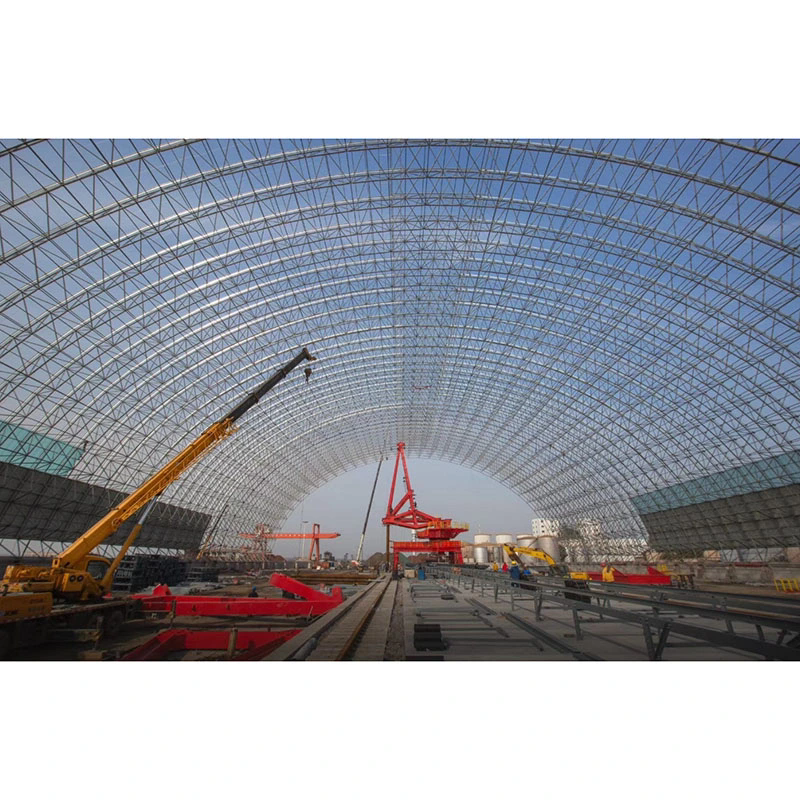
As a professional and reliable manufacturer and one-stop supplier of steel structures in China, HAISHENG offers high-quality steel materials available in bulk from stock. Our products utilize mainstream Q235B and Q355B steels as core base materials and encompass a full range of structural sections, plates, pipes, galvanized profiles, and auxiliary materials. They undergo standardized processing, including hot rolling, precision cutting and straightening, welding, and anti-corrosion coating.
Key Selling Points
Steel materials serve as the fundamental components of modern prefabricated green buildings. The base materials fall into two main categories—high-quality carbon structural steel and low-alloy high-strength structural steel—offering a comprehensive product range and exceptional adaptability for various engineering projects. They are the core raw materials for constructing main steel frameworks, building envelope systems, and auxiliary structures.
1. Stable and uniform material properties: High overall strength, low self-weight, and excellent ductility and toughness. They offer superior resistance to seismic activity, impact, and fatigue, resisting deformation and brittle fracture under long-term loads while ensuring structural safety and stability.
2. High degree of prefabrication: Standardized factory processing allows for on-site assembly and splicing. This simplifies construction procedures and accelerates erection speeds, effectively shortening the overall project timeline while ensuring consistent, controllable product quality.
3. High design flexibility: Materials can be cut, bent, twisted, and welded into combinations. They accommodate not only conventional rectangular frame structures but also large-span designs, irregular curved surfaces, and streamlined architectural forms for landmark buildings.
4. Mature protective treatments: Advanced processing options—such as hot-dip galvanizing, anti-corrosion painting, and fire-resistant coatings—ensure suitability for complex and harsh environments, including outdoor settings, high-humidity areas, coastal zones with salt spray, and dusty conditions.
5. Green, low-carbon, and recyclable: Steel is fully recyclable. Construction generates no pollution or significant amounts of waste, aligning perfectly with standards for prefabricated construction and "dual-carbon" energy-saving building practices.
What are the applications of these steel materials?
HAISHENG’s steel materials cover the full spectrum of applications, including main load-bearing structures, exterior envelope protection, joint connections and anchoring, shaping of irregular forms, and the construction of auxiliary facilities. Key applications include:
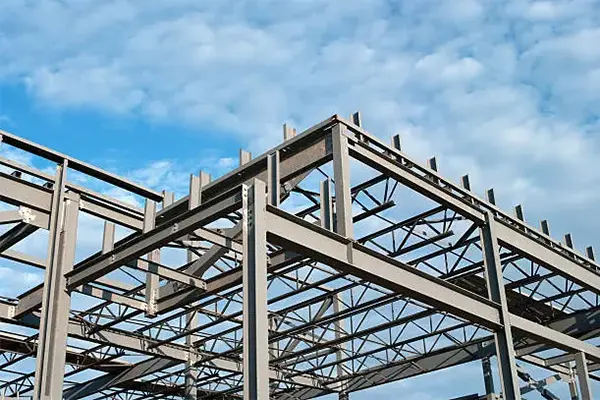
1. Constructing main load-bearing systems. Fabrication of core structural components such as steel columns, beams, trusses, bracing, and main frame girders. These components support the building's dead weight, wind and snow loads, and floor live loads; resist horizontal forces like earthquakes and strong winds; and ensure stable load transfer, thereby solidifying the building's overall structural framework.
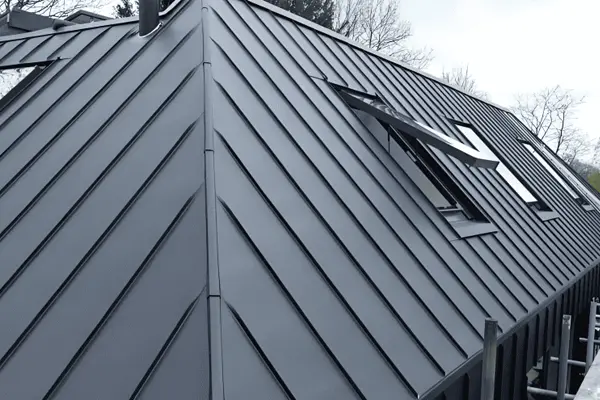
2. Construction of the building envelope support system. Production of materials such as roof and wall purlins, edge trims, flashing, gutters, and closure girts. These provide stable support for envelope panels, enabling functions such as wind and water resistance, thermal insulation, noise reduction, and airtight sealing.
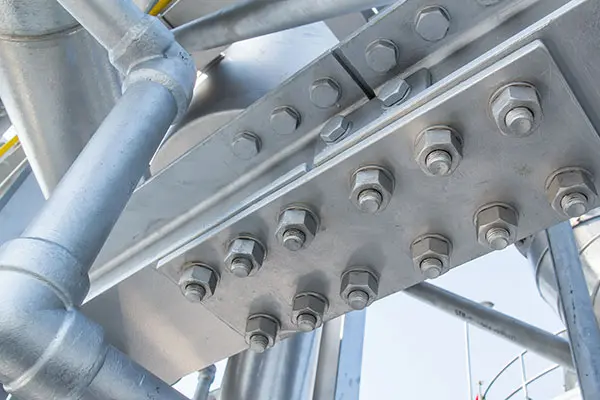
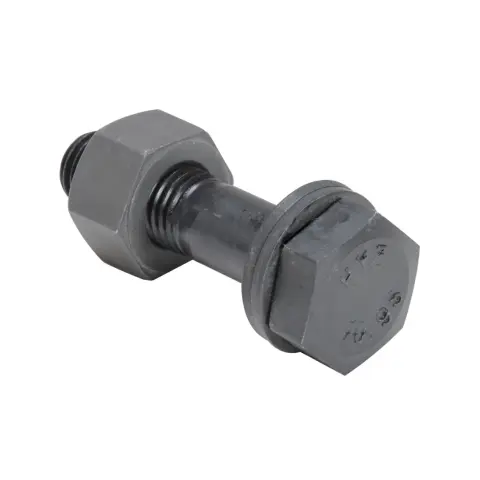
3. Fabrication of connection and anchorage components. Advanced steel processing produces high-strength connection plates, anchor bolts, and fasteners. These ensure precise assembly and fixation of the main structure, envelope, and ancillary components, enhancing joint rigidity and ensuring the structure acts as a cohesive unit under load.
4. Creation of complex architectural forms. Leveraging the high plasticity of steel, components with unique geometries—such as curved, twisted, bifurcated, or large-span domed shapes—can be fabricated. This transcends traditional architectural limitations, meeting the artistic and spatial requirements of cultural landmarks and uniquely shaped venues.
5. Construction of ancillary support facilities. Suitable for fabricating secondary structures such as steel staircases, railings and handrails, equipment platforms, maintenance walkways, utility supports, and canopies/overhangs, thereby enhancing the building's functionality, utility, and safety.
6. Adaptation for retrofitting and reinforcement in complex conditions. With anti-corrosion and fire-resistant treatments, these components are suitable for harsh environments. They are also ideal for the reinforcement, expansion, and renovation of existing buildings, effectively increasing structural load-bearing capacity and service life.
Material-Specific Application Scenarios
1. Q355B High-Strength Structural Steel: Suitable for key projects requiring high-rise capabilities, long spans, heavy load-bearing, and high seismic resistance. Primarily used for main and secondary beams and columns, trusses, bracing, and core load-bearing frames, offering high load-bearing capacity and stability. 2. Q235B Ordinary Carbon Steel: Highly versatile and cost-effective; primarily used for secondary load-bearing and auxiliary components such as standard factory frames, purlins, brackets, and staircases; suitable for the vast majority of conventional steel structure projects.
3. Hot-rolled H-beams, channel steel, and I-beams: Key load-bearing profiles for steel structures; used for building beams and columns, platform frameworks, and primary/secondary support structures; core materials for prefabricated steel construction.
4. Steel plates and specially shaped plates: Used for beam and column stiffening, joint splicing, edge finishing, and the fabrication of custom-shaped components; suitable for complex connections and unique architectural forms.
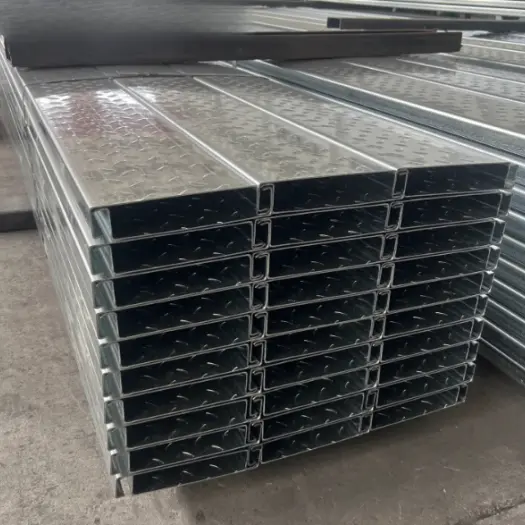
5. Galvanized anti-corrosion profiles: Primarily used for exposed outdoor components, as well as enclosure systems and supports in coastal, high-humidity, or salt-spray environments; offers long-lasting rust and corrosion protection, reducing future maintenance costs.
Industry-wide Application Scope
1. Industrial steel structures: Widely used in standard factories, production workshops, warehouses, logistics parks, heavy-duty industrial equipment platforms, and prefabricated industrial buildings; suitable for large-span, high-vibration, and heavy-load industrial operating conditions.
2. Large-span public buildings: Suitable for column-free, large-space structures such as stadiums, exhibition centers, high-speed rail stations, airport terminals, large shopping malls, and theaters; meets high standards for safety, seismic resistance, and aesthetics.
3. Municipal and transportation projects: Applied to pedestrian overpasses, bus platforms, toll stations, landscape canopies, urban landmark structures, and transportation-related steel infrastructure; balances structural safety with urban visual appeal.
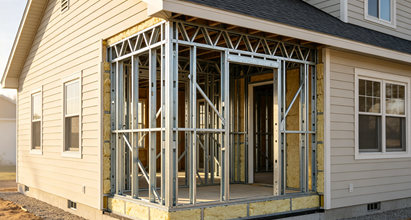
4. Civil and commercial buildings: Suitable for steel-structured office buildings, prefabricated housing, apartments, hotels, commercial complexes, and mezzanines; meets low-carbon and comfort requirements for residential, office, and commercial use.
5. Unique landmark and specialized buildings: Suitable for unconventional structures such as curved domes, twisted/curved frameworks, tensile membrane supports, and unique cultural/tourism landmarks; enables complex spatial forms that are unachievable with traditional building materials. 6. Harsh Operating Conditions & Retrofitting Projects: Suitable for demanding environments—such as coastal areas with salt spray, chemical plant zones, high-humidity/dusty areas, and locations exposed to direct sunlight—while also supporting reinforcement, expansion, and renovation projects for existing buildings.
FAQ
Q1: How should I choose between Q235B and Q355B steel materials?
A: For standard factory buildings, enclosure components, and auxiliary supports, Q235B is the preferred choice due to its superior cost-performance ratio. For key projects involving long spans, high-rise structures, heavy loads, or high seismic requirements, high-strength Q355B is recommended for main beams, columns, and load-bearing trusses, as it offers greater load-bearing capacity and structural stability.
Q2: Do you offer custom processing for anti-corrosion and fire-resistant treatments?
A: Yes. HAISHENG offers custom processing options such as hot-dip galvanizing, Zinc-Aluminum-Magnesium coating, anti-corrosion painting, and fire-resistant coatings. We tailor protective solutions to specific operating conditions, including indoor, outdoor, coastal (salt spray), and chemically corrosive environments.
Q3: What are the advantages of steel materials compared to concrete?
A: Steel offers a lighter self-weight, excellent seismic performance, a high degree of factory prefabrication, rapid on-site construction, and great design flexibility. Additionally, steel is recyclable and eco-friendly (low-carbon), resulting in a lower total cost of ownership over the structure's lifecycle.
Q4: Can you provide custom steel materials with irregular shapes or non-standard specifications?
A: We support full-category customization. We can perform bending, twisting, cutting, welding, hole-punching, and complex shaping based on construction drawings to meet the needs of landmarks, uniquely shaped venues, and special structural connections.
Q5: What is the approximate service life of steel materials?
A: In standard, dry indoor environments, the service life exceeds 50 years. For outdoor or coastal applications, materials treated with galvanizing or heavy-duty anti-corrosion coatings effectively resist corrosion and aging, significantly extending the structure's service life and reducing the frequency of maintenance.