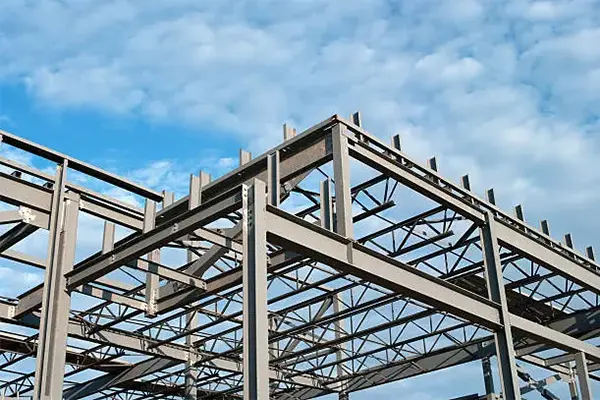
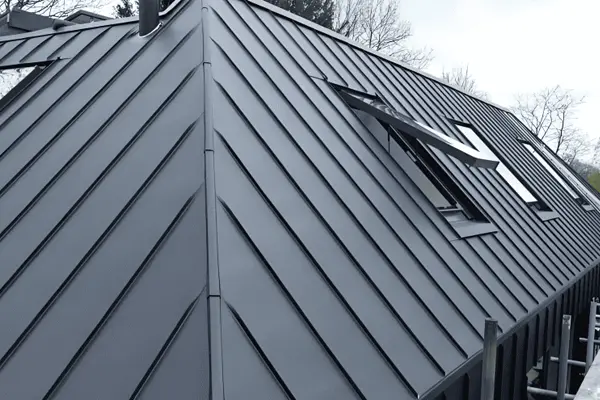
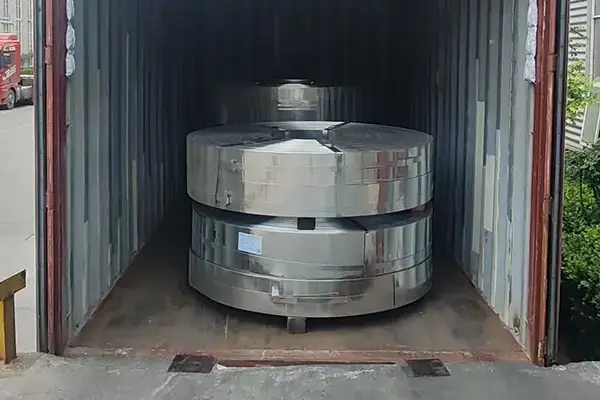
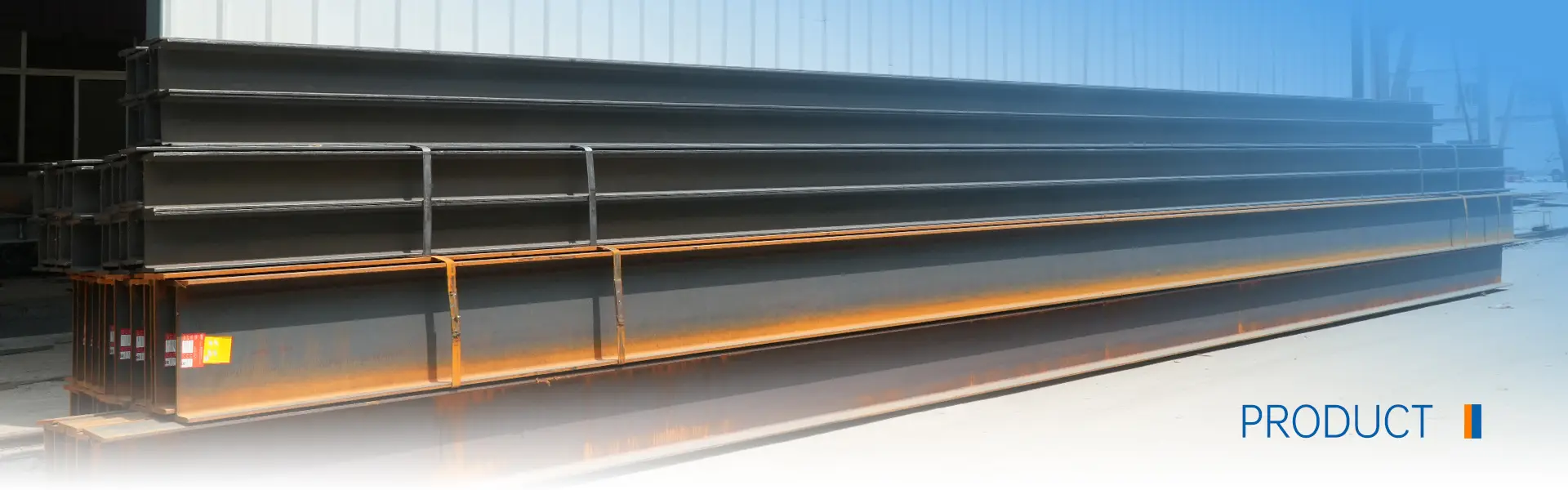
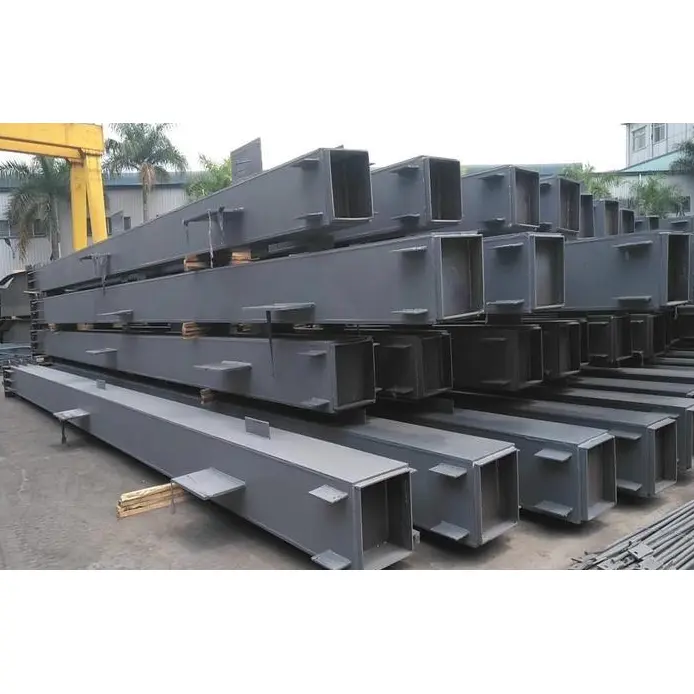
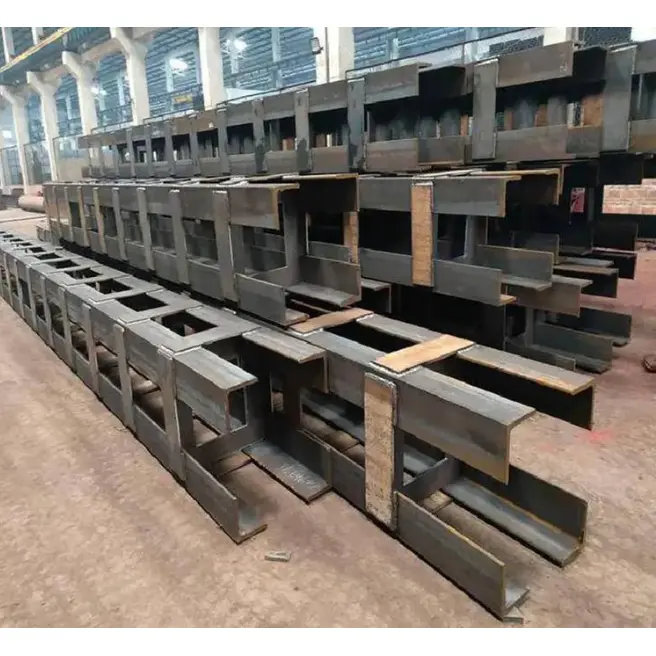
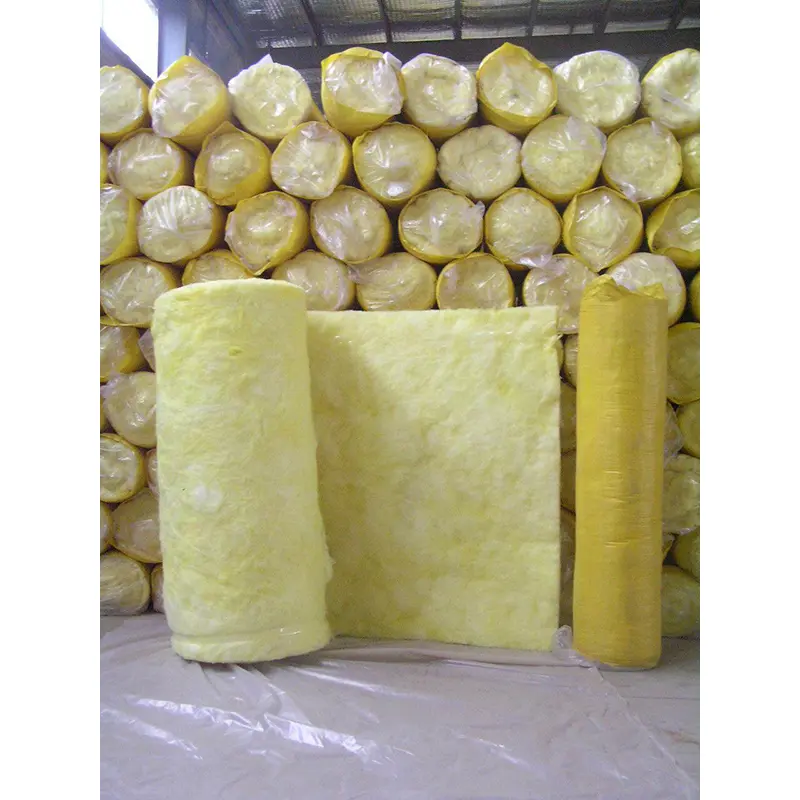
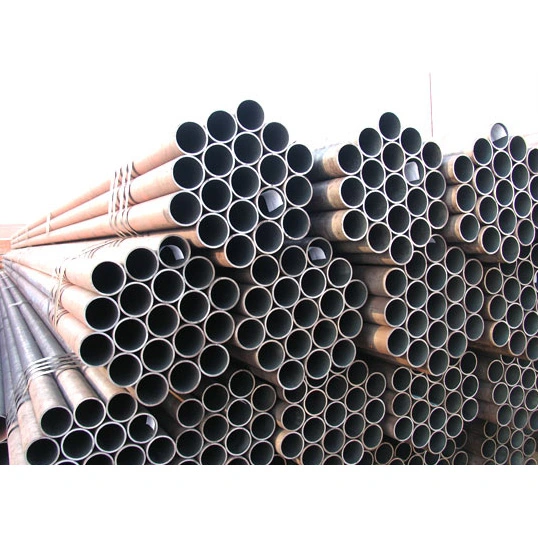
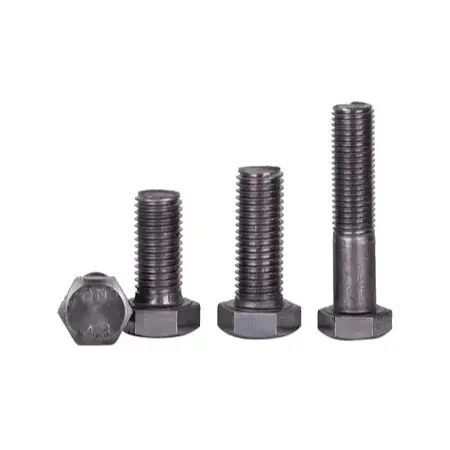
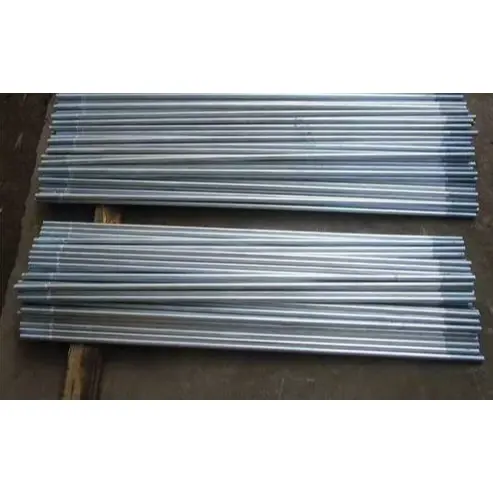
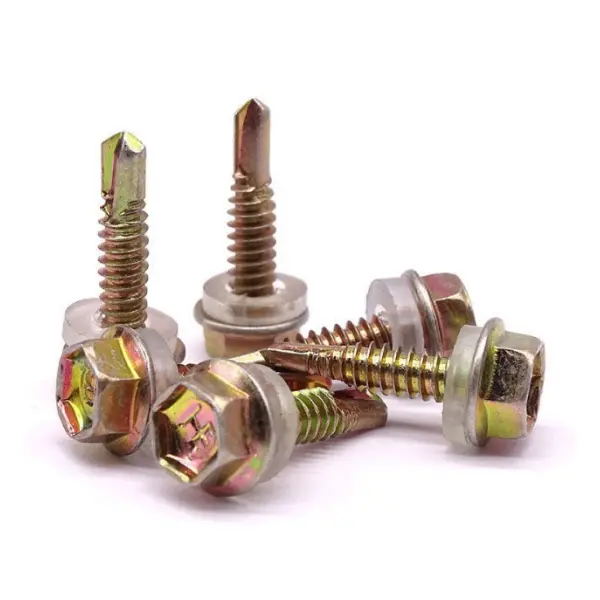
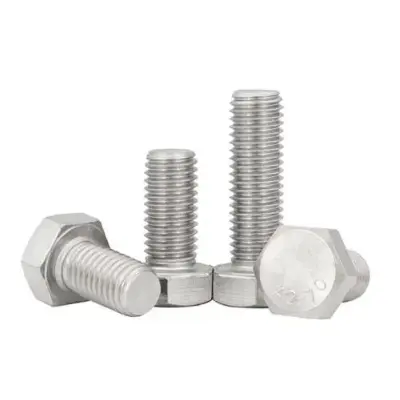
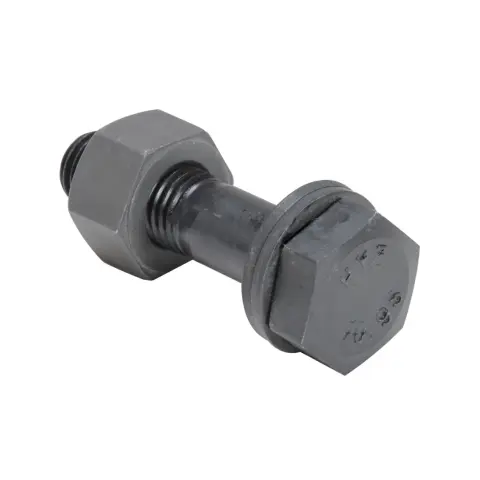
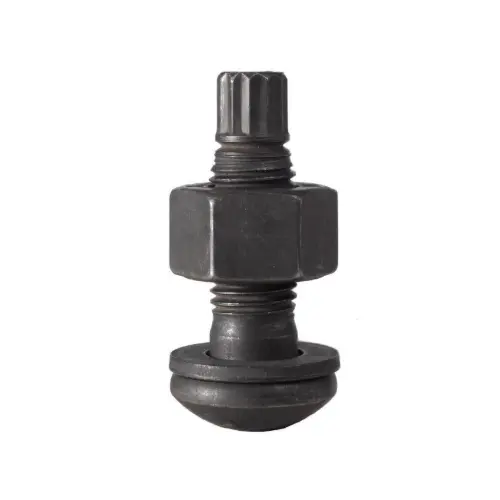
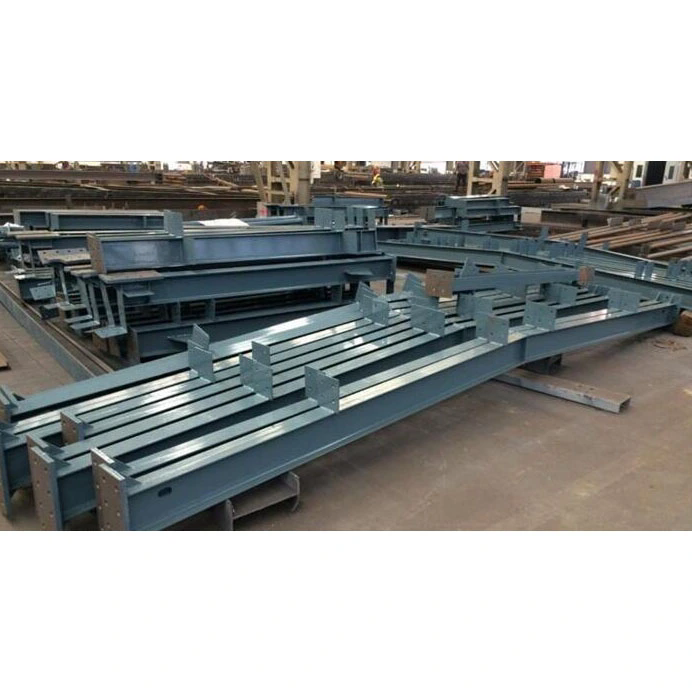
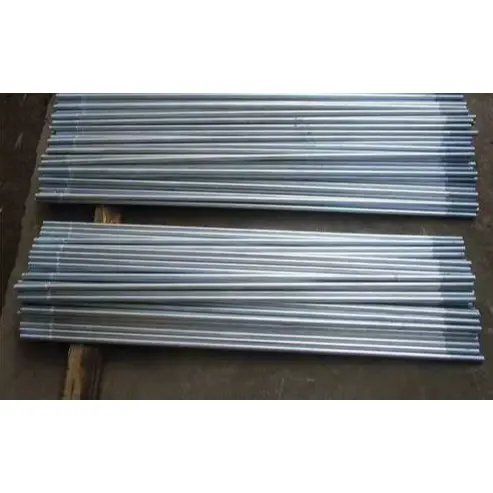
As an original manufacturer and one-stop supplier, HAISHENG specializes in providing structural steel components, steel structure cladding components, structural steel fasteners, and steel materials. Serving as core load-transferring accessories for steel structure projects, our fasteners feature stable mechanical properties, comprehensive anti-corrosion processing, and standardized prefabrication. They are suitable for procurement across industrial plants, stadiums, municipal facilities, and complex steel structure projects, and can be supplied in tandem with the main structural and cladding components.
Product Composition and Core Functions
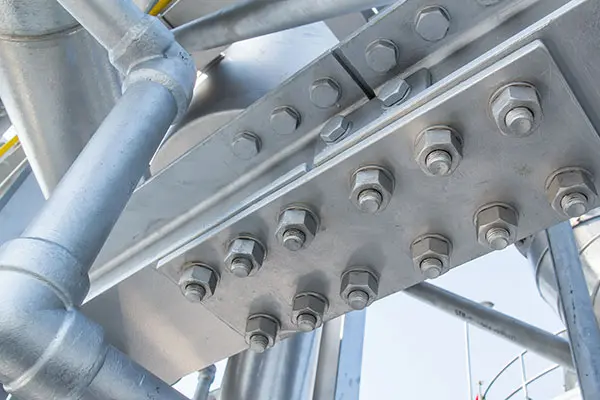
1. Our extensive product range includes high-strength bolts, standard fasteners, anchor bolts, splice plates, welding connectors, and various accessories. We utilize premium carbon steel and alloy structural steel, offering surface protection treatments such as hot-dip galvanizing, Dacromet coating, and anti-corrosion painting.
2. Their primary function is the fastening and load transfer for steel columns, beams, purlins, cladding panels, and equipment supports. They assemble individual steel components into a cohesive, load-bearing framework, stably transferring dead loads, wind and snow loads, and seismic forces, thereby ensuring the overall rigidity and safety of the steel structure.
3. Designed specifically as node-based load-transferring accessories rather than for supporting large-area loads independently, they are suitable for all types of prefabricated, long-span, and outdoor high-corrosion steel structures, serving as indispensable standard components for structural safety.
Key Performance Characteristics
1. Our structural steel fasteners exhibit stable mechanical properties, meeting standards for tensile, shear, and compressive strength. They ensure uniform load distribution and resist stress concentration and slippage; they do not suffer from brittle fracture under long-term static or dynamic loads, fundamentally minimizing the risk of structural collapse.
2. Produced using standardized modular processes, the components feature high-precision machining for bolt holes and connection plates, resulting in tight fits and minimal gaps. This enhances the assembly's overall load-bearing synergy and reduces lateral drift and deformation.
3. Installation relies primarily on dry bolting assembly with minimal on-site hot work (welding). The process is simple and allows for rapid positioning, significantly shortening on-site assembly times and reducing labor costs, making it ideal for the pace of prefabricated construction.
4. Exceptional fatigue and vibration resistance; connections remain secure under conditions such as industrial equipment vibration, persistent wind-induced oscillation, and cyclic loading, ensuring reliability over long-term service.
5. Various anti-corrosion treatments available; specific coatings can be selected to suit environments ranging from dry interiors and humid outdoor settings to coastal areas with salt spray or high dust levels, thereby extending component lifespan and reducing the frequency of future replacements.
6. Comprehensive specifications covering all application scenarios; dedicated models exist for primary load-bearing structures, envelope system fastening, foundation anchoring, and complex/irregular joints, eliminating the need for on-site drilling or modification.
7. Mature inspection and acceptance protocols; procedures such as torque re-verification, tensile testing, and non-destructive testing are readily implemented. Performance data is traceable by batch, meeting acceptance standards for key projects. Localized disassembly or maintenance does not require dismantling the main steel framework, resulting in lower O&M costs.
8. Fully dry assembly process generating no construction waste; components are detachable and recyclable, aligning with standards for low-carbon architecture and green construction.
Key Functional Applications
1. Primary structural assembly: Used for factory splicing and on-site connection of steel columns, beams, and trusses to construct a complete, load-bearing steel framework.
2. Load transfer and buffering: Acts as a pivotal node for force transmission, evenly distributing vertical and horizontal external forces to prevent deformation caused by overloading specific components.
3. Reinforcement of beam-column and column-base joints: Enhances joint rigidity and the building's seismic and lateral stability through the use of high-strength bolts, anchor bolts, and thickened connection plates.
4. Envelope system fastening: Secures secondary envelope components such as roof and wall purlins, corner trims, gutters, maintenance platforms, and guardrails.
5. Foundation anchoring and positioning: Anchor bolts lock steel columns to concrete bases, preventing structural sliding or overturning.
6. Installation, adjustment, and refurbishment: Allows for fine-tuning alignment during installation; enables individual component removal and replacement during subsequent maintenance, reinforcement, or modification.
Functions of Specific Components
1. High-strength bolts: Primary connectors for beam-column and long-span, heavy-load joints; capable of withstanding significant dynamic and static loads. 2. Standard bolts and self-tapping screws: Used for lightweight fastening of purlins, cladding panels, and small brackets; easy to install with excellent sealing performance.
3. Anchor bolts: Used for anchoring the bases of steel columns; they transfer base loads and secure the structural position.
4. Splice plates: Used for butt-joining components to extend their length and for reinforcing joints; they help distribute localized stresses.
5. Welded connectors: Designed for rigid joints in heavy-duty, oversized, or complex-shaped steel structures; they offer high resistance to deformation.
Comprehensive Application Areas
1. Industrial steel structures: Factories, warehouses, logistics parks, and heavy-equipment platforms; suitable for heavy-load and high-vibration operating conditions.
2. Long-span public buildings: Stadiums, exhibition centers, high-speed rail stations, and large shopping complexes; meets high standards for seismic resistance and structural rigidity.
3. Municipal transport steel structures: Pedestrian overpasses, bus platforms, toll stations, and urban landscape structures.
4. Civil and commercial buildings: Steel-structured apartments, office buildings, and mezzanines in commercial complexes; balances stability and low-noise requirements for living and working environments.
5. Specialized/complex-shaped buildings: Assembly of complex joints for curved or twisted components, tensile membrane structures, and streamlined landmark buildings.
6. Corrosive environments: Galvanized for corrosion resistance; suitable for high-salinity environments such as coastal areas, chemical plants, and sites exposed to the elements.
What are the differentiating advantages compared to standard fasteners on the market?
1. Higher load-bearing safety factor: These structural steel fasteners utilize specialized, high-strength, quenched-and-tempered alloy materials. Compared to standard screws, they withstand greater dynamic and static loads and offer superior resistance to earthquakes and wind-induced vibrations, eliminating structural risks associated with insufficient load-bearing capacity.
2. Dry assembly avoids common welding issues: No on-site hot work is required, eliminating problems such as thermal damage to the base material, weld cracks, slag inclusions, and deformation. Construction is not limited by welder skill levels, and efficiency is increased by over 30% compared to welding; it is also safer and more compliant for construction in enclosed or high-risk areas.
3. High standardization and interchangeability: Manufactured using unified modular specifications, these components are compatible with various cross-sections—including H-beams, channel steel, hollow sections, and special profiles—eliminating the need for on-site cutting or drilling and thereby reducing material waste and rework.
4. Multiple long-lasting anti-corrosion options: Coatings such as hot-dip galvanizing, Zinc-Aluminum-Magnesium alloy, and Dacromet offer superior adhesion and salt-spray resistance far exceeding that of standard black iron fasteners; this extends service life by two to three times and significantly reduces the need for maintenance due to joint corrosion.
5. Comprehensive testing and hassle-free project acceptance: Capabilities include tensile, torque, and flaw detection testing; products come with complete, traceable performance data, ensuring smooth approval processes for public works and key projects—a level of quality assurance impossible with standard, simple fasteners.
6. Demountable and adaptable with lower lifecycle costs: Unlike permanent welded connections, individual damaged parts can be replaced separately; renovations require no cutting of the main steel structure, and the steel itself is recyclable, resulting in better long-term cost-efficiency.
7. Complete, one-stop system: The product range extends beyond basic screws to cover load-bearing connections, foundation anchoring, envelope fastening, and specialized reinforcement; a single procurement order meets all assembly needs for steel structure joints, simplifying the purchasing process.