Tianjin Haisheng Steel Structure Co., Ltd.
Products
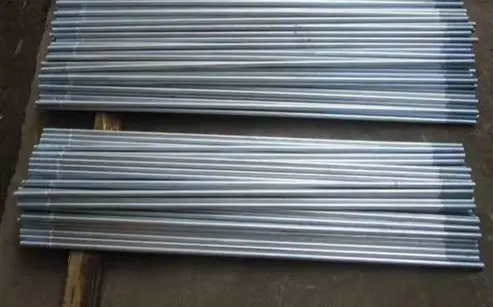
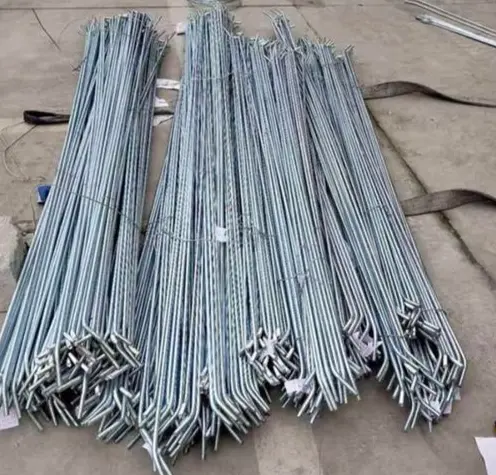
Galvanized Steel Tie Rods for Structural Bracing
  • Galvanized Steel Tie Rods for Structural BracingGalvanized Steel Tie Rods for Structural Bracing
  • Galvanized Steel Tie Rods for Structural BracingGalvanized Steel Tie Rods for Structural Bracing

Galvanized Steel Tie Rods for Structural Bracing

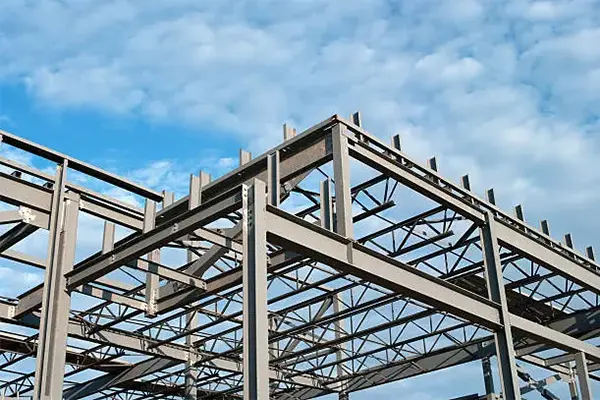
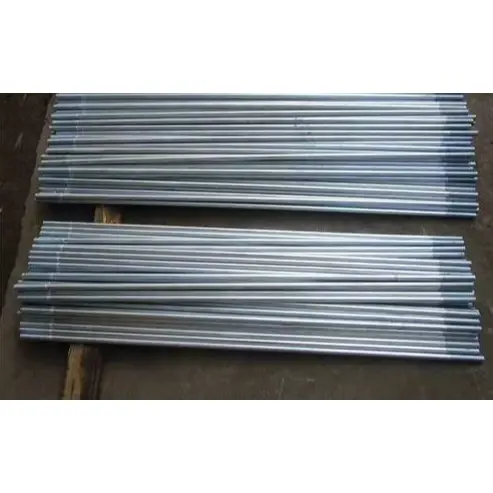
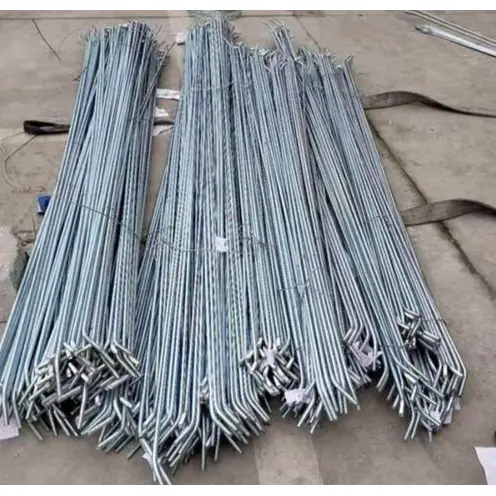
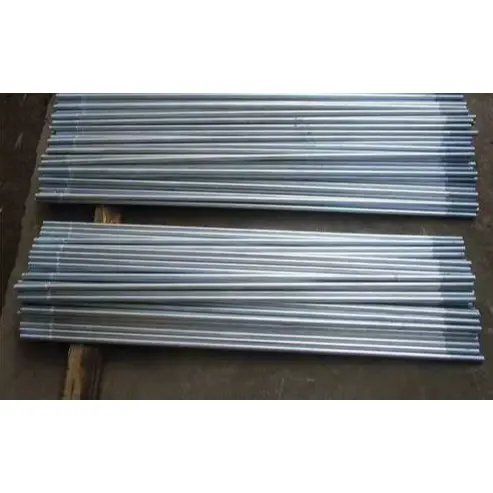
As a reliable manufacturer and one-stop supplier of steel structures, HAISHENG offers immediate stock availability of galvanized steel tie rods for structural bracing. These tie rods are specialized components for steel structure facilities; made from round steel, they feature threaded ends and an overall galvanized anti-corrosion coating. Used in conjunction with nuts and sleeves within roof and wall bracing systems, they provide tension and stability, distribute lateral loads, and control structural deformation.

Galvanized Steel Tie Rods for Structural Bracing (also known as hot-dip galvanized tie bars or steel tension rods) are round steel structural components used in steel structures—such as industrial plants, roofs, walls, and photovoltaic mounting systems—to withstand tensile forces, transfer horizontal loads, stabilize purlins and wall girts, and prevent lateral instability.

Galvanized Steel Tie Rods For Structural Bracing

Product Definition and Configuration

I. Basic Product Information

Material: Standard Q235B; Q355B for high-load applications. Round steel undergoes cold drawing, quenching and tempering, and threading at both ends.

Anti-corrosion: Hot-dip galvanized (HDG); zinc coating thickness ≥70–100μm; suitable for outdoor or highly corrosive coastal environments.

Function: Types include straight tie rods (horizontal tie bars), diagonal tie rods (knee braces/wind bracing), and turnbuckle-adjusted tie rods (adjustable tension).

II. Complete Configuration (Standard Assembly)

1) Tie Rod Body (1 piece)

Diameter: φ8/10/12/14/16mm (φ12 is most common).

Threads: M8/M10/M12/M14/M16 at both ends (matched to diameter); thread length is 2d–3d per end.

Length: Customized based on span; tolerance ±5mm; available in fully threaded or double-end threaded versions.

Surface: Hot-dip galvanized; salt spray resistance ≥500h.

2) Fastening Accessories (1 set for each end)

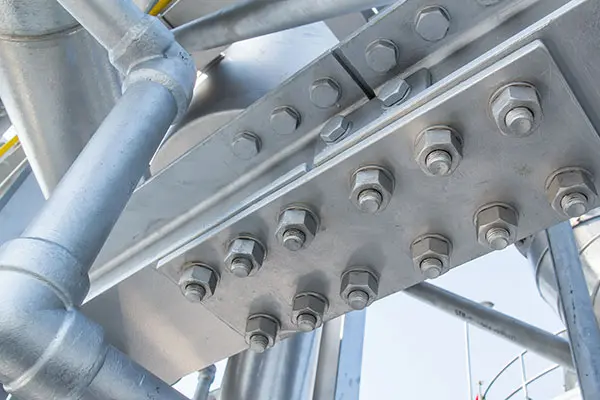
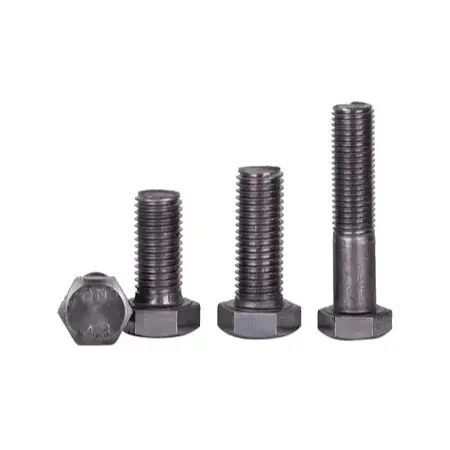
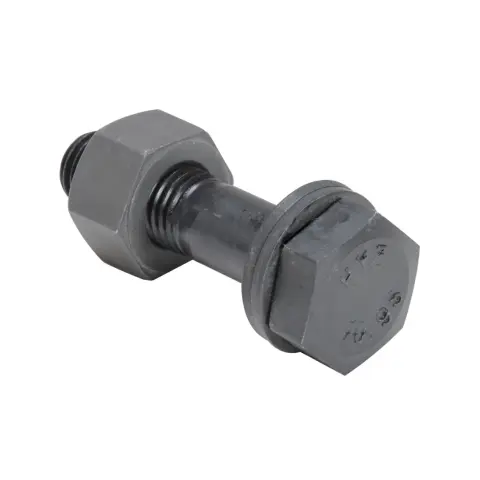
Hex Nuts: Grade 4.8 / Grade 8; hot-dip galvanized. ·Flat washers: Q235 / galvanized; distribute pressure and prevent scratching.

·Spring washers / locking nuts: Prevent loosening due to vibration (mandatory for roofing / wind-load zones).

3) Adjustment / connection accessories (optional based on requirements)

·Turnbuckles (tie-rod adjusters): Fork-end or closed-body types; forged from 45# steel, hot-dip galvanized; adjustment range: ±50–150mm.

·Lug plates / connection plates: Q235B/Q355B; thickness ≥10mm; hot-dip galvanized; for connection to purlins / beams / columns.

·Thread protectors: Prevent thread damage or corrosion during transport / installation.

·Strut tubes (for compression rods): φ42/48 steel pipe with internal tie-rod; ensures stability under compression.

III. Quick Overview of Key Parameters

·Material: Q235B (σₛ ≥ 235MPa) / Q355B (σₛ ≥ 355MPa).

·Tensile strength: ≥400MPa (Q235) / ≥470MPa (Q355).

·Galvanized coating: ≥85μm (outdoor), ≥100μm (coastal).

·Common specifications: φ12 (M12), length 1–6m.

IV. Typical Application Scenarios

·Factory roofing: Straight tie-rods (between purlins) + diagonal tie-rods (wind resistance) + turnbuckles (tension adjustment).

·Wall cladding: Diagonal tie-rods for wall girts; prevent wall bulging or lateral displacement.

·PV mounting systems: Longitudinal / transverse tie-rods; enhance stability against wind and snow loads. Core Advantages

1. Rust and corrosion resistance: The galvanized coating makes them suitable for outdoor and humid operating conditions.

2. High tensile strength: Effectively restrains purlin sway and enhances overall structural rigidity.

3. Adjustable length: Lengths can be fine-tuned on-site, ensuring high installation adaptability.

4. Efficiency: Lightweight and cost-effective, facilitating convenient batch installation.

Galvanized Steel Tie Rods For Structural Bracing

Differentiating Highlights

I. Compared to Black Steel / Painted Tie Rods

1. Superior corrosion and weather resistance

Undergoes comprehensive hot-dip galvanizing; the thick, metallurgically bonded coating blocks moisture and salt spray, allowing for long-term use in outdoor, humid, or coastal environments. In contrast, standard black steel parts rust easily, and paint coatings peel or flake, necessitating frequent rust removal and repainting—resulting in high maintenance costs.

2. Longer service life

Service life exceeds 20 years under normal conditions—far surpassing painted parts (3–5 years)—making them ideal for permanent outdoor steel structures such as factory buildings and photovoltaic mounting systems.

3. Excellent surface integrity

The zinc coating is wear-resistant and impact-resistant, minimizing damage during transport and installation. Threads are resistant to rust and seizing, ensuring smooth disassembly during future maintenance.

4. Uniform appearance and easy inspection

Features a consistent silver-gray finish, allowing for easy visual identification of specifications and quality on-site.

II. Compared to Stainless Steel Tie Rods

1. Outstanding cost-performance ratio

Procurement costs are significantly lower than those of stainless steel tie rods; under standard corrosive conditions, overall performance is comparable, leading to substantial reductions in project costs.

2. Stable mechanical properties

Primarily manufactured from Q235B/Q355B steel; strength and toughness meet tensile load requirements for steel structures, ensuring reliable load-bearing capacity and resistance to deformation.

3. High processing adaptability

Customizable lengths and threading; compatible with accessories such as turnbuckles and spacer tubes, offering flexibility for on-site installation, alignment, and tensioning.

III. Unique Advantages

1. Focused load-bearing and simple structure: Primarily handles tensile loads; lightweight and space-efficient; effectively restrains lateral displacement of purlins and wall girts, enhancing overall structural stability; serves as a simple, efficient tension member in steel structures.

2. Comprehensive supporting system: Compatible with a full set of accessories—such as galvanized nuts, washers, turnbuckles, and gusset plates—featuring matching anti-corrosion treatments to prevent galvanic corrosion and ensure uniform protection.

3. Convenient installation: Double-ended threaded design allows for fine-tuning of tension and alignment using nuts, resulting in high efficiency during construction and adjustment.

IV. Brief Limitations

1. Performance in harsh environments: Corrosion resistance is inferior to stainless steel in highly corrosive or strongly acidic/alkaline environments.

2. Cost: Unit price is higher than standard black iron tie rods, resulting in a slightly higher initial investment.

V. Selection Summary

· Dry indoor environments, temporary structures, or strict cost control → Choose black steel or painted tie rods.

· Outdoor/exposed locations, coastal areas, standard corrosion conditions, or a need for long-term, maintenance-free performance → Prioritize galvanized steel tie rods.

· Chemical environments with severe corrosion or high cleanliness requirements → Choose stainless steel tie rods.


On-site Construction Process

Galvanized Steel Tie Rods for Structural Bracing are applicable to: Factory purlin tie rods, wall tie rods, PV mounting tie rods, and turnbuckle-adjusted tie rods. Base material is typically Q235B/Q355B hot-dip galvanized round steel; installation complies with steel structure standards.

I. Construction Preparation

1. Material inspection: Verify tie rod diameter, length, and thread specifications; check for a sound galvanized coating and ensure threads are free from dents, rust, or stripped sections; ensure accessories (galvanized nuts, flat washers, spring washers, turnbuckles, gusset plates) are in good condition. Strictly prohibit mixing accessories of different specifications or manufacturing processes.

2. Tool preparation: Wrenches, sockets, tape measures, plumb bobs, and hand hammers; for tie rod adjustment, prepare crowbars and tensioning wrenches; ensure full safety gear is available for work at heights. 3. Base verification: Ensure connection plates and pre-drilled holes/diameters for beams, columns, purlins, and wall girts comply with drawings; ensure components are correctly positioned and securely temporarily fixed.

4. Technical briefing: Clearly define the layout, slope, and tensioning requirements for tie rods, distinguishing between the installation specifications for straight tie rods, diagonal tie rods, and turnbuckle tie rods.

II. Installation Process and Operational Key Points

(A) Standard double-ended threaded tie rods (straight/diagonal tie rods)

1. Insertion: Thread both ends of the tie rod through the pre-drilled holes in the components sequentially, ensuring the rod remains straight without kinks or twists.

2. Accessory placement: Install components in the order of flat washer → spring washer → nut; stagger the split in the spring washer to ensure an anti-loosening effect.

3. Initial tightening: Symmetrically tighten nuts at both ends to apply basic tension and eliminate looseness in the components.

4. Final tightening: Tighten in stages, applying force simultaneously at both ends to ensure uniform tension and overall straightness; do not fully tighten one side at a time, as this causes component misalignment and localized stress concentration.

5. Alignment: Check straightness and inclination using a plumb bob or alignment string; fine-tune nut positions as necessary.

(B) Turnbuckle tie rods (adjustable type)

1. Connect both ends of the tie rod to the structural nodes and loosely install the nuts.

2. Rotate the turnbuckle body to adjust tension, controlling overall tightness to ensure structural geometry and verticality meet design specifications.

3. Once adjusted, lock the anti-loosening nuts on both sides of the turnbuckle to prevent rotation or loosening during service.

4. For parallel tie rod groups, ensure consistent tensioning and balanced load distribution.

(C) Installation with spacer tubes

Thread the tie rod through the interior of the steel spacer tube; install washers and nuts on the threaded sections protruding from both ends. Ensure the spacer tube fits flush against the components (vertically or horizontally) without tilting or leaving gaps. 

III. Construction Requirements by Location

1. Roof purlin tie rods: Horizontal tie rods must remain level, and diagonal tie rods must be installed at the design angles; all tie rods must be tensioned and taut to eliminate slack and enhance the overall stability of the purlins.

2. Wall tie rods: Install sequentially from top to bottom while controlling the verticality of wall components; ensure tie rods do not interfere with doors, windows, or cladding panels.

3. Corner and end connections: Ensure all fittings are complete, implement dual anti-loosening measures, and apply extra reinforcement in areas subject to high wind loads.

IV. Inspection and Protection of Finished Work

1. Visual inspection: Tie rods must be straight without bending, and the galvanized coating must be free of extensive damage; fittings must be complete, with nuts fully tightened and spring washers fully compressed.

2. Functional inspection: The assembly must be free of looseness or wobbling; structural dimensions and inclination angles must comply with the drawings.

3. Protection of finished work: Stepping on, impacting, or causing welding burns to the tie rods or galvanized coating is prohibited; prevent mortar or oil contamination on threaded areas.

4. Repair localized scratches in the galvanized coating promptly by applying zinc-rich paint to restore corrosion protection.

V. Construction Prohibitions

1. Omitting flat washers or spring washers, installing incomplete sets of fittings, or mixing in non-galvanized fittings is strictly prohibited.

2. Forcing, twisting, or using flame heating to straighten tie rods is prohibited to avoid material damage or failure of the galvanized coating.

3. Do not use tie rods with damaged threads, severely peeling galvanized coatings, or deformation/bending.

4. Overtightening nuts is strictly prohibited to prevent thread stripping or component deformation.

5. Implement protective measures during outdoor construction in rainy weather to prevent rust caused by prolonged water accumulation on threads.


Key Performance Parameters of Galvanized Steel Tie Rods for Structural Bracing

Standards: GB/T 700, GB/T 13912, GB 50017

I. Base Material and Mechanical Properties

1. Common Materials

· Standard: Q235B; Heavy-duty/Long-span: Q355B

2. Mechanical Indicators

Material Grade

Yield Strength ReL

Tensile Strength Rm

Elongation After Fracture

Q235B

≥235 MPa

375~500 MPa

≥26%

Q355B

≥355 MPa

470~630 MPa

≥21%

3. Rod Specifications: Common diameters: φ8, φ10, φ12, φ14, φ16 mm; Length: Customized per drawings (standard 1–6m); Length tolerance: ±5 mm

II. Thread Parameters

1. Thread Specifications: Matched to round steel diameter (M8, M10, M12, M14, M16)

2. Thread Type: Double-ended external thread; thread length at each end is 2–3 times the nominal diameter

3. Thread Precision: 6g; smooth fit, anti-seizing

III. Galvanized Coating Properties (Hot-dip galvanizing preferred)

1. Coating Thickness

· Standard outdoor use: ≥70 μm

· Coastal / Highly corrosive environments: ≥85 μm

2. Adhesion: Metallurgical bond; no peeling or flaking upon impact

3. Corrosion Resistance: Salt spray test ≥500 h; service life >20 years under normal outdoor conditions

IV. Accessory Parameters

1. Nut Grade: Class 4.8 / Class 8; hot-dip galvanized (same material); precision fit with threads

2. Flat Washer: Q235 material, hot-dip galvanized; distributes contact pressure; protects component paint/coating

3. Spring Washer: High elasticity; used primarily in high-vibration or high-wind areas to prevent loosening

4. Turnbuckle (Adjustable): Material: Forged 45# steel, fully hot-dip galvanized; standard adjustment range: ±50–150 mm mm

V. Usage and Installation Parameters

1. Loading mode: Designed for tensile loads only; exposure to compression, bending, or lateral loads is strictly prohibited.

2. Installation requirements: The tie rod must remain straight, free from twisting or kinking; nuts at both ends must be tightened symmetrically.

3. Environmental suitability: Operating temperature range of -20°C to 80°C; avoid prolonged contact with strong acids or strong alkalis.

VI. Additional Characteristics

1. Surface finish: Matte silver-gray throughout with uniform coloration; resistant to wear and impact.

2. Reusability: The galvanized thread coating provides inherent lubrication, preventing the assembly from seizing or stripping threads during disassembly for maintenance.


Hot Tags: Galvanized Steel Tie Rods for Structural Bracing, Supplier, Factory
Send Inquiry
Contact Info
Contact HAISHENG China supplier of Structural Steel Components, Steel Structure Cladding Components and Structural Steel Fasteners. Our professional sales team will reply with detailed quotation, product parameters and delivery plan within 24 hours to meet your bulk procurement demand.
X
We use cookies to offer you a better browsing experience, analyze site traffic and personalize content. By using this site, you agree to our use of cookies.Privacy Policy
RejectAccept