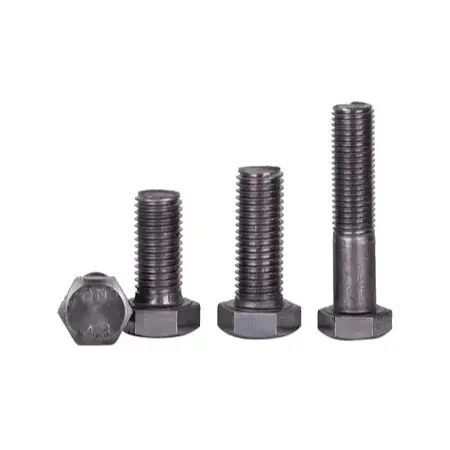
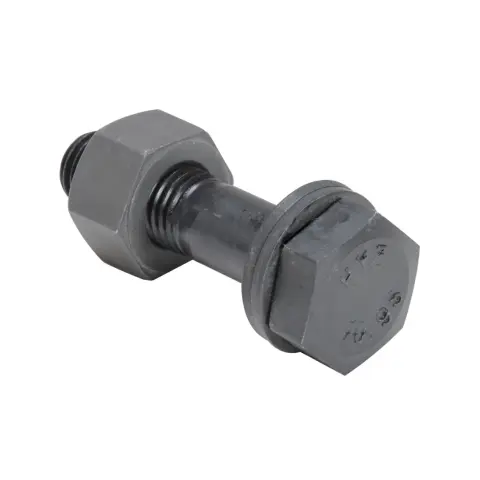
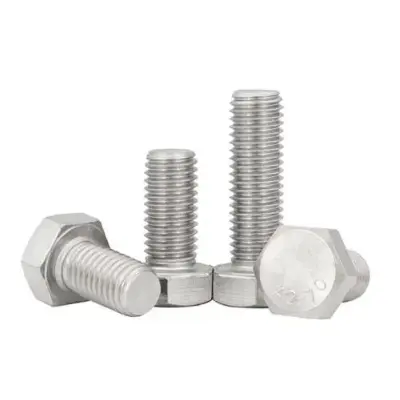
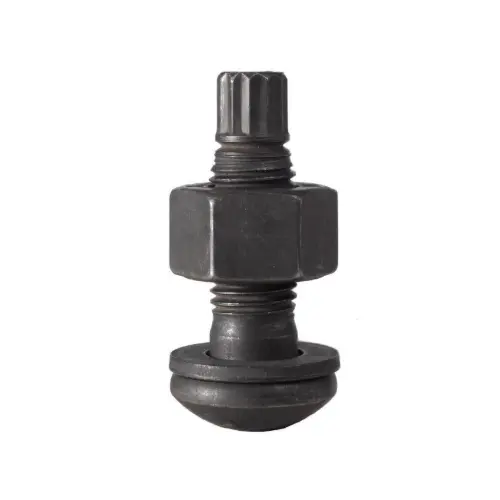
Are you looking for a manufacturer of durable High Strength Structural Bolts? As a reliable manufacturer and one-stop supplier of structural steel fasteners, HAISHENG produces high-quality bolts—primarily categorized into large-hexagon high-strength bolts and tension-control (TC) high-strength bolts—crafted from premium medium-carbon alloy steel and structural alloy steel through precision quenching and tempering processes.
Product Definition
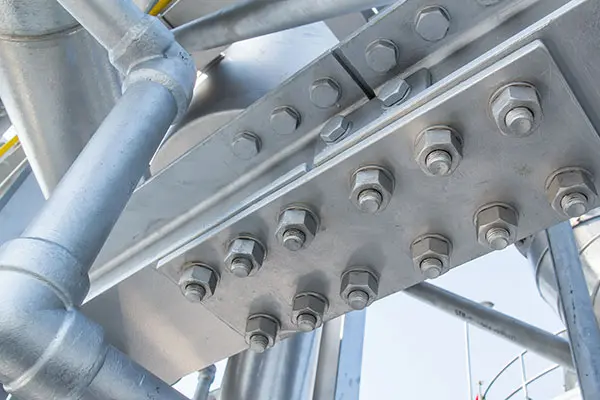
High Strength Structural Bolts are critical load-bearing fasteners used for connecting primary joints in steel structure engineering. Manufactured from high-quality medium-carbon alloy steel and structural alloy steel, they undergo precision quenching and tempering heat treatments. Available in common grades such as 8.8, 10.9, and 12.9, the products fall into two main categories: large-hexagon high-strength bolts and tension-control (TC) high-strength bolts. During professional installation, a standard preload is applied to generate significant friction between the connecting plate surfaces; this friction-based load transfer mechanism replaces the bearing-type transfer mode used by ordinary bolts. Specifically designed for joining primary load-bearing components—such as steel columns, beams, braces, and trusses—these bolts are essential for ensuring joint rigidity, overall stability, and structural safety.
Product Features
1. High strength grade and excellent load-bearing performance: Through quenching and tempering heat treatment, the steel achieves comprehensive strength and hardness far superior to ordinary bolts. With exceptional tensile, shear, and compressive capabilities, these bolts withstand heavy static and dynamic alternating loads, perfectly meeting the stress requirements of heavy-duty primary steel structure joints.
2. Stable friction-based load transfer and high joint rigidity: High pre-tensioning force clamps the component contact surfaces together, allowing shear forces to be transmitted via friction. This results in tight connections with minimal clearance; there is no slippage or loosening under load, ensuring high joint rigidity and minimal structural deformation, thereby effectively guaranteeing the coordinated load-bearing performance of the entire framework.
3. Superior fatigue and vibration resistance: With sufficient and uniform preload, these bolts resist loosening, slippage, and fatigue failure under cyclic loads—such as wind, seismic activity, and equipment vibration. They offer stable long-term performance and a high safety margin against seismic and wind forces.
4. High precision and consistent, controllable quality: Manufactured to strict standards with clearly defined grades and stable mechanical properties, these high-strength structural bolts come with comprehensive factory test reports. Key parameters like torque coefficients and preload forces are precisely controlled. The installation process allows for inspection and traceability, ensuring minimal quality variance—making them ideal for high-standard, critical projects.
5. High level of assembly and construction efficiency: Designed for dry-assembly steel construction, they eliminate the need for on-site welding, thereby avoiding issues such as welding deformation, weld defects, and fire hazards. This results in faster construction speeds and superior finished quality, significantly boosting the installation efficiency of the main framework.
6. Corrosion resistance and durability for a long service life: Surface treatments—such as blackening, galvanizing, and anti-corrosion passivation—provide excellent resistance to rust, corrosion, and aging. They are suitable for diverse environments, including indoor, outdoor, dusty, and high-humidity conditions, ensuring the durability of the connection matches that of the main structure.
7. Convenient operation, maintenance, and inspection: The connections feature a neat appearance and stable stress distribution, facilitating easy routine inspections, testing, and re-tightening checks. There is no need for extensive structural disassembly, allowing for flexible and efficient maintenance, reinforcement, and retrofitting.
Primary Applications
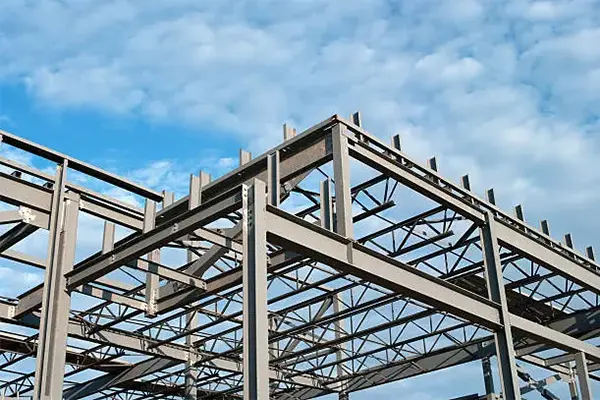
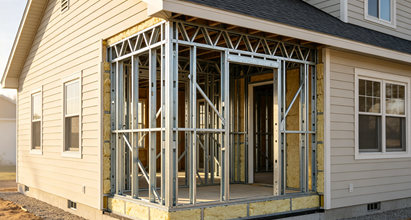
High Strength Structural Bolts are primarily used for the rigid connection of load-bearing components in steel structures. They are essential for fastening and load transfer at critical points, including steel column splices, beam splices, beam-to-column connections, steel bracing connections, and truss joints. By precisely preloading and locking structural joints, they transfer vertical loads, horizontal wind loads, seismic shear forces, and torsional moments. They constrain joint displacement and slippage, ensuring the overall rigidity, stability, and collaborative load-bearing capacity of the steel framework while preventing safety hazards such as loosening, deformation, or instability. They serve as a critical component for ensuring the safety of key structural connections.
Applications
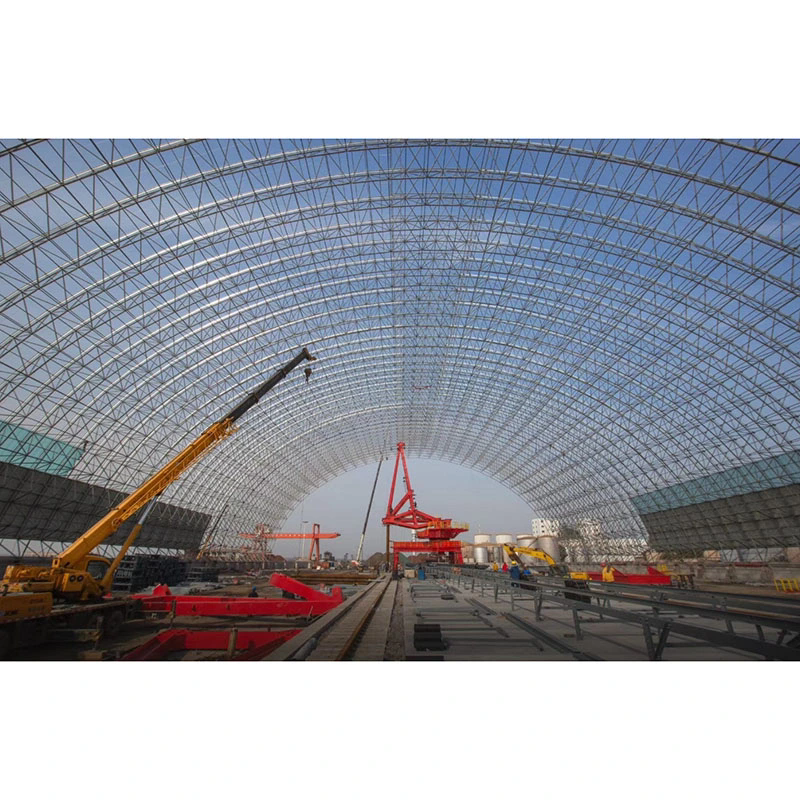
High Strength Structural Bolts are widely applicable to major steel structure projects—including high-rise buildings, large commercial complexes, industrial plants, logistics parks, exhibition centers, stadiums, high-speed rail stations, airport terminals, long-span spatial structures, municipal steel pedestrian bridges, and unique landmark buildings. They are suitable for projects requiring high load-bearing capacity, long spans, and high seismic resistance ratings.
Differentiated Highlights
1. Superior Joint Structural Performance: Unlike ordinary rough or precision bolts, high-strength structural bolts transfer loads via friction. They eliminate slip gaps, offer higher load-bearing capacity, and ensure more uniform stress distribution. This effectively prevents common issues such as loosening, wobbling, or deformation, resulting in significantly enhanced joint rigidity and safety.
2. Outstanding Fatigue and Seismic Resistance: While ordinary bolts are prone to loosening or failure under vibration and cyclic loading, high-strength bolts maintain ample preload reserves. They exhibit excellent fatigue and vibration resistance and remain stable during long-term service, making them ideal for critical projects involving high-rise structures, long spans, and high seismic requirements.
3. Stable Structural Quality (Alternative to Welding): Compared to on-site welded joints, bolted connections avoid issues such as welding deformation, residual stress, slag inclusions, and porosity. They offer higher assembly precision, a neat appearance, and superior quality control, effectively enhancing the overall accuracy of the main structure.
4. Enhanced Construction Safety and Reduced Risks: The process relies entirely on dry assembly, eliminating hot work and fire hazards. Unaffected by weather or humidity, this method offers far superior safety compared to on-site welding and is suitable for specialized scenarios such as plant expansions and confined spaces.
5. Standardized Inspection and Compliance: The system features mature standards for torque testing and final tightening verification. Data is quantifiable and traceable, ensuring high acceptance rates and full compliance with the rigorous inspection codes mandated by housing and quality supervision authorities for critical steel structure projects.
6. Excellent adaptability for future modifications and superior cost-efficiency: Bolted connections are detachable, adjustable, and reusable. Future building renovations, structural reinforcements, and layout adjustments can be carried out without destructive demolition, resulting in lower costs for operation, maintenance, and modification, as well as superior overall cost-performance across the building's entire lifecycle.