Tianjin Haisheng Steel Structure Co., Ltd.
News

How Steel Truss Improves Large-Span Construction Performance and Structural Efficiency

2026-08-27 0 Leave me a message

Article Summary

Steel truss systems have become an essential solution for modern construction projects that require large spans, high strength, and efficient space utilization. From industrial plants and warehouses to stadiums, airports, exhibition centers, and public facilities, steel trusses provide excellent load-bearing performance while reducing structural weight and construction complexity.

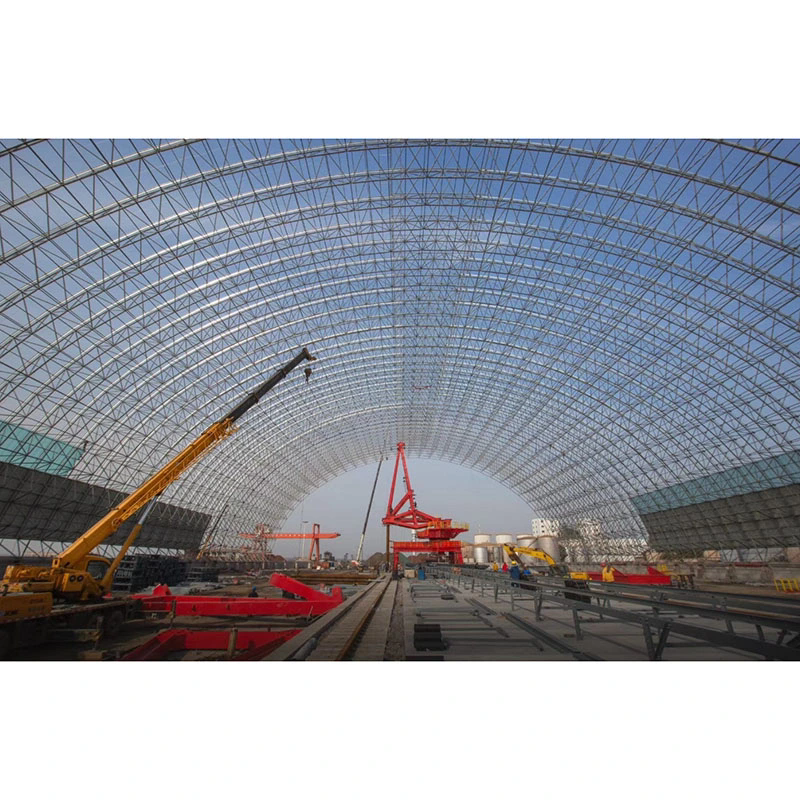
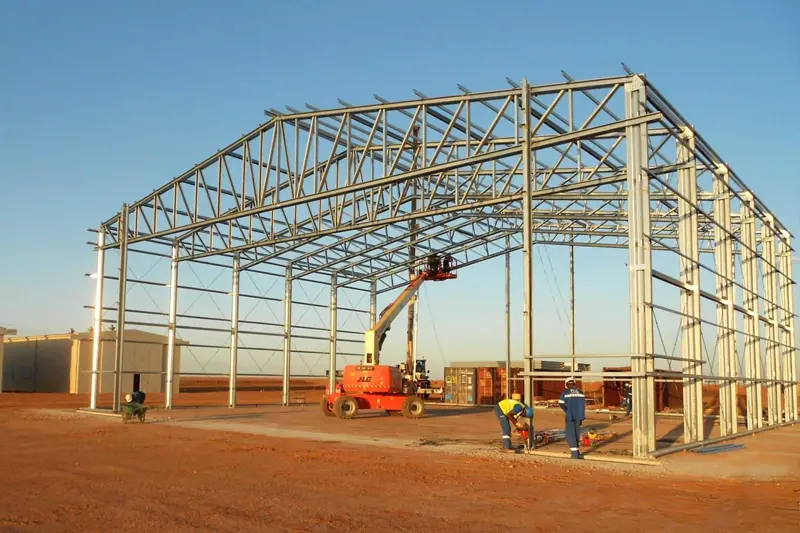
Long Span Steel Lattice Shell Structure

This article explains how steel truss structures work, why they are preferred for large-span buildings, what challenges they solve for contractors and project owners, and how choosing a reliable manufacturer such as HAISHENG can improve project quality, delivery efficiency, and long-term value.


Table of Contents


What Is a Steel Truss?

A steel truss is a structural framework made by connecting multiple steel members into a triangular or geometric configuration. Unlike traditional solid beams that mainly resist bending forces, steel trusses transfer loads through tension and compression forces among different members.

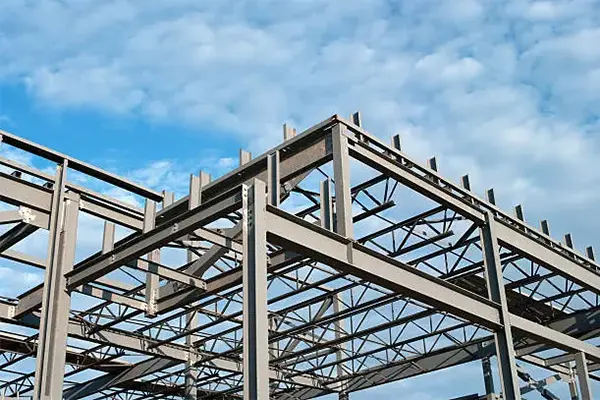
The basic components usually include upper chords, lower chords, diagonal members, vertical members, and connection nodes. Through a carefully designed arrangement, these components create a lightweight but highly stable structure capable of supporting significant loads over long distances.

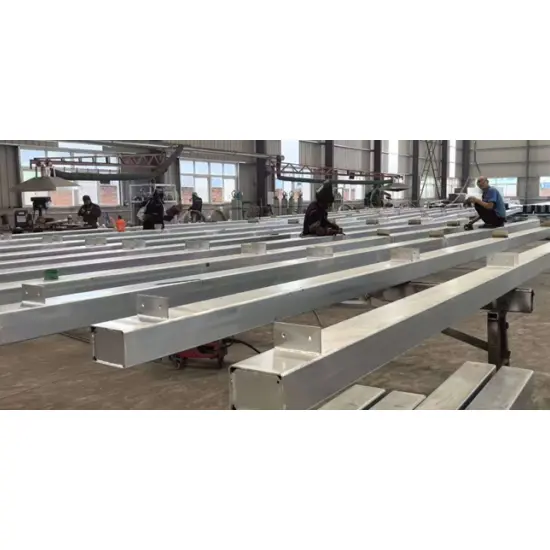
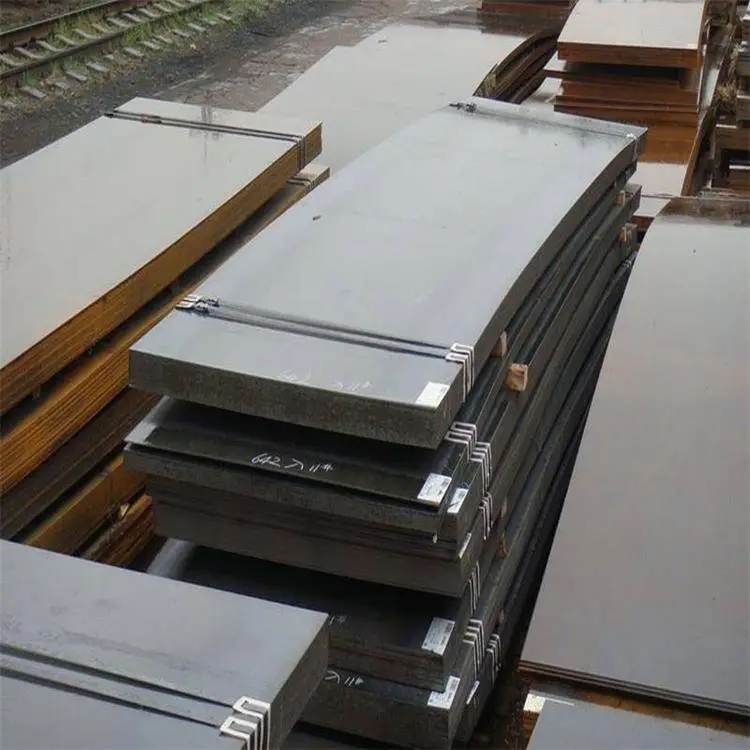
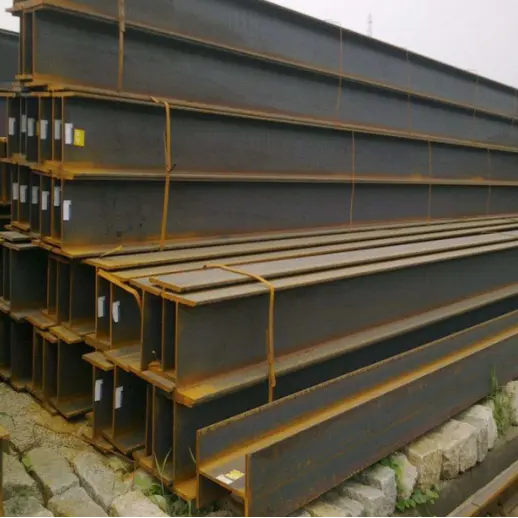
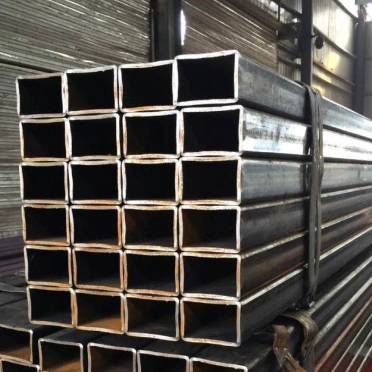
Modern steel trusses are commonly manufactured using structural steel materials such as Q235B and Q355B steel. Depending on project requirements, manufacturers can produce planar trusses, tubular space trusses, curved trusses, and customized designs.

Steel Truss Component Main Function
Upper Chord Handles compression forces and supports upper structural loads
Lower Chord Resists tension forces and maintains overall stability
Diagonal Members Transfers loads between chords and improves rigidity
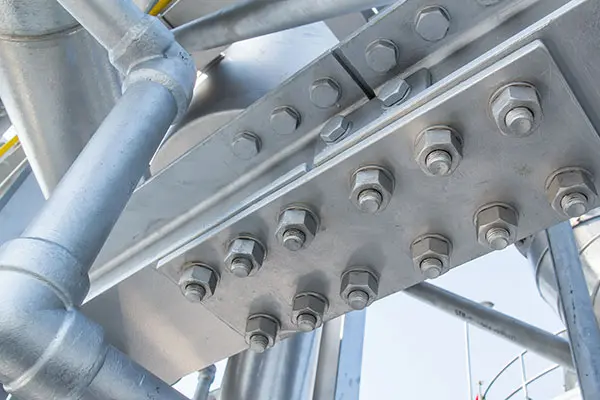
Connection Nodes Provides structural integration between steel members

How Does a Steel Truss Work?

The working principle of a steel truss is based on efficient force distribution. When external loads such as roofing weight, equipment loads, wind pressure, or snow loads act on the structure, the forces are transferred through different steel members.

The triangular configuration prevents deformation because triangles maintain their shape under pressure. This design allows steel trusses to achieve excellent strength while using less material compared with many traditional structural systems.

  • Vertical loads are distributed through the upper and lower chords.
  • Tension and compression forces are shared among multiple members.
  • Diagonal supports improve resistance against deformation.
  • The entire structure maintains stability under dynamic loading conditions.

For large buildings requiring open spaces without many columns, steel trusses provide an ideal balance between strength, flexibility, and economic efficiency.


Why Choose Steel Truss for Construction Projects?

Many construction projects face challenges such as limited interior space, high material costs, complicated installation processes, and strict safety requirements. Steel truss structures help solve these problems through optimized engineering design.

Common Construction Challenge Steel Truss Solution
Limited column-free space Provides long-span capability and creates larger open areas
Heavy structural weight Uses efficient steel distribution to reduce self-weight
Long construction periods Factory fabrication allows faster site installation
Complex architectural designs Supports customized shapes and special structures
Future expansion requirements Allows easier modification and reinforcement

Key Benefits of Steel Truss Structures

  • Large Span Capability: Steel trusses can achieve very long spans, making them suitable for buildings where interior columns are undesirable.
  • Lightweight Construction: Compared with solid structural members, steel trusses reduce the overall structural load and foundation requirements.
  • High Structural Stability: The triangular framework provides excellent resistance against bending, vibration, and deformation.
  • Flexible Design Options: Engineers can customize shapes, dimensions, and connection methods according to project requirements.
  • Efficient Installation: Prefabricated components reduce on-site processing and improve construction speed.

Common Types of Steel Truss Structures

Different projects require different steel truss designs. Selecting the correct type helps improve performance and reduce unnecessary costs.

Steel Truss Type Features Typical Applications
Planar Steel Truss Simple structure and convenient installation Factories, warehouses, roof systems
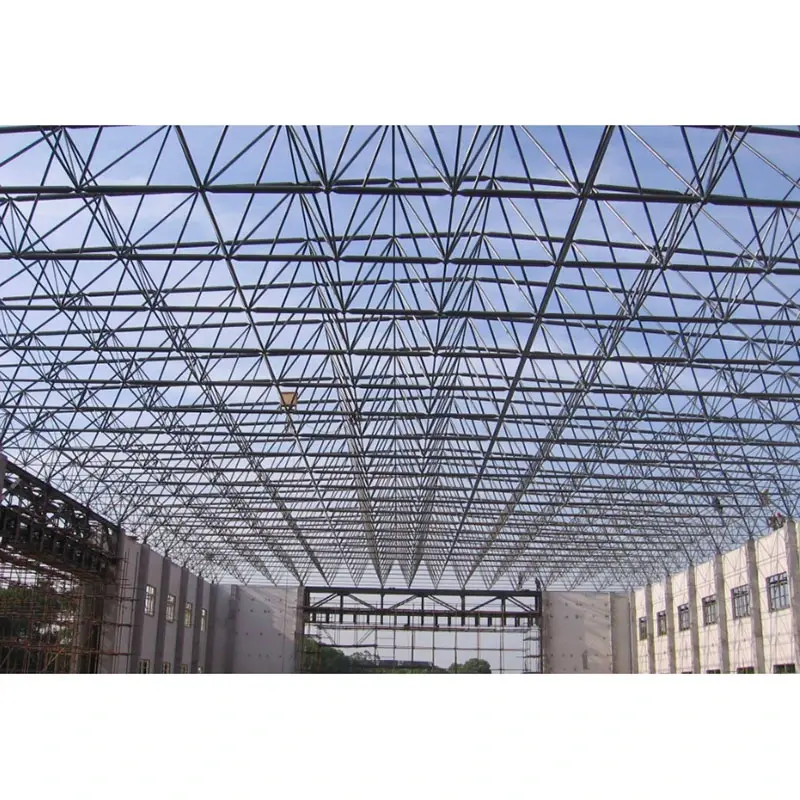
Space Frame Truss Three-dimensional structure with high rigidity Stadiums, airports, exhibition halls
Tubular Steel Truss Strong appearance and excellent mechanical performance Architectural landmarks and large public buildings
Curved Steel Truss Supports unique architectural shapes Modern commercial and cultural buildings

Where Are Steel Trusses Used?

Steel trusses are widely applied in industries where large spaces, high reliability, and structural efficiency are required.

  • Industrial Buildings: Manufacturing plants, logistics warehouses, and heavy equipment facilities.
  • Transportation Facilities: Airport terminals, railway stations, and transportation hubs.
  • Sports Facilities: Stadium roofs, arenas, and large event centers.
  • Commercial Buildings: Shopping malls, exhibition halls, and convention centers.
  • Special Structures: Bridges, architectural structures, and customized engineering projects.

The adaptability of steel truss systems makes them suitable for both functional buildings and visually impressive architectural projects.


How to Select the Right Steel Truss Supplier?

Choosing the right supplier directly affects structural safety, project schedule, and long-term operating costs. Before purchasing steel trusses, customers should consider several important factors.

Evaluation Factor What Customers Should Check
Material Quality Steel grade, mechanical performance, and material certification
Manufacturing Capability Production equipment, welding technology, and quality inspection process
Customization Ability Capability to produce different sizes and structural designs
Delivery Reliability Production schedule management and transportation solutions
Technical Support Engineering assistance and installation guidance

Why HAISHENG Steel Truss Solutions?

HAISHENG specializes in providing reliable steel structure products and customized steel truss solutions for global construction projects. With professional manufacturing capabilities and experience in structural steel production, HAISHENG supports customers with solutions designed for safety, durability, and project efficiency.

The company provides steel trusses manufactured from high-quality structural steel materials and supports customized fabrication according to engineering drawings, span requirements, load conditions, and application environments.

  • Professional steel structure manufacturing experience.
  • Customized steel truss production according to project requirements.
  • Strict quality inspection during fabrication.
  • Support for different architectural and industrial applications.
  • Reliable technical service throughout the project process.

By combining engineering expertise with advanced manufacturing processes, HAISHENG helps customers build safer, stronger, and more efficient large-span structures.


Maintenance Tips for Extending Steel Truss Service Life

  • Perform regular inspections of connection points and welded areas.
  • Check protective coatings to prevent corrosion damage.
  • Remove accumulated water, dust, or corrosive substances.
  • Repair damaged coating surfaces promptly.
  • Follow professional inspection schedules for large structures.

Proper maintenance ensures that steel trusses continue providing reliable structural performance throughout their service life.


Frequently Asked Questions

1. What is the main advantage of a steel truss?

The biggest advantage of a steel truss is its ability to provide large-span structural support while using less material. It creates spacious interiors with fewer columns and improves building flexibility.

2. Are steel trusses suitable for industrial buildings?

Yes. Steel trusses are widely used in factories, warehouses, and production facilities because they provide strong load-bearing capacity and large open working areas.

3. Can HAISHENG provide customized steel trusses?

Yes. HAISHENG can manufacture customized steel truss solutions according to project drawings, structural requirements, dimensions, and application environments.

4. How long can a steel truss structure last?

With proper material selection, protective coating, and regular maintenance, steel truss structures can provide decades of reliable service.

5. Why are steel trusses better than traditional beams for large spans?

Steel trusses distribute forces more efficiently through tension and compression members, allowing them to achieve longer spans with reduced weight and improved structural performance.


Conclusion

Steel truss structures provide an efficient answer to modern construction challenges by combining strength, lightweight design, flexibility, and fast installation. For projects requiring large open spaces and reliable structural performance, steel trusses offer significant advantages over traditional systems.

As an experienced steel structure manufacturer, HAISHENG delivers customized steel truss solutions that meet different engineering requirements. For professional consultation, customized designs, and reliable steel structure support, please contact us today.

Related News
Leave me a message
X
We use cookies to offer you a better browsing experience, analyze site traffic and personalize content. By using this site, you agree to our use of cookies.Privacy Policy
RejectAccept