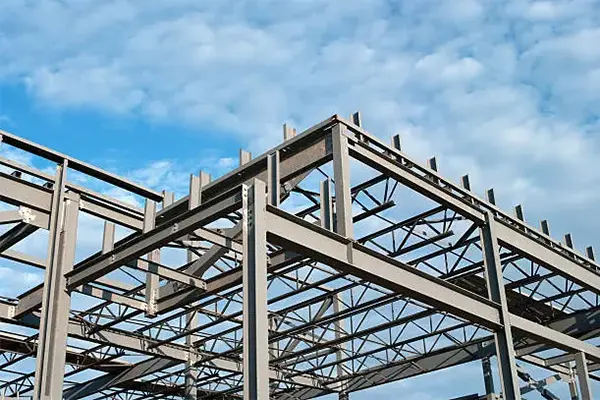
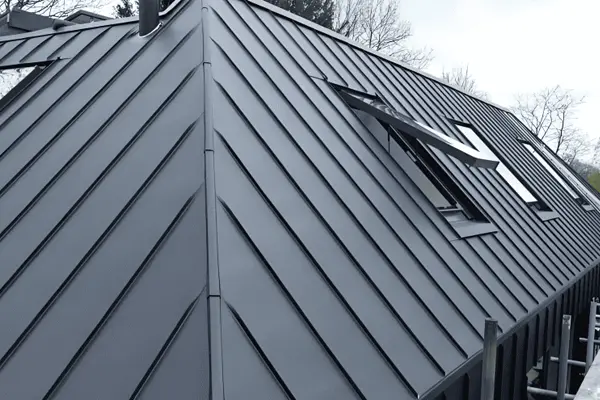
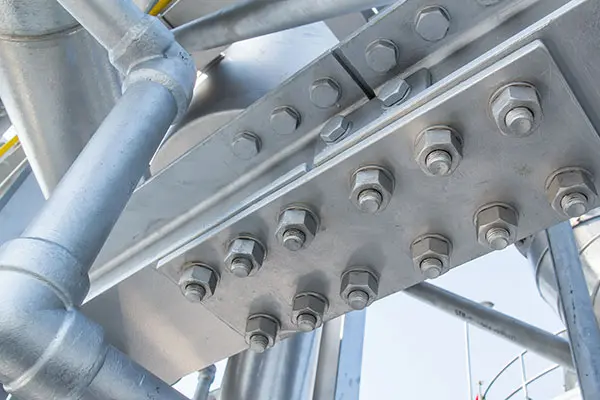
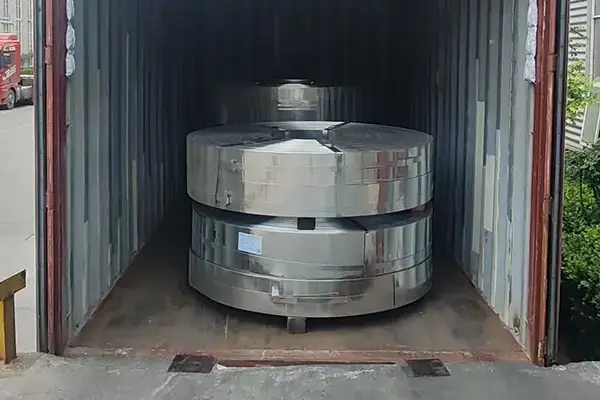
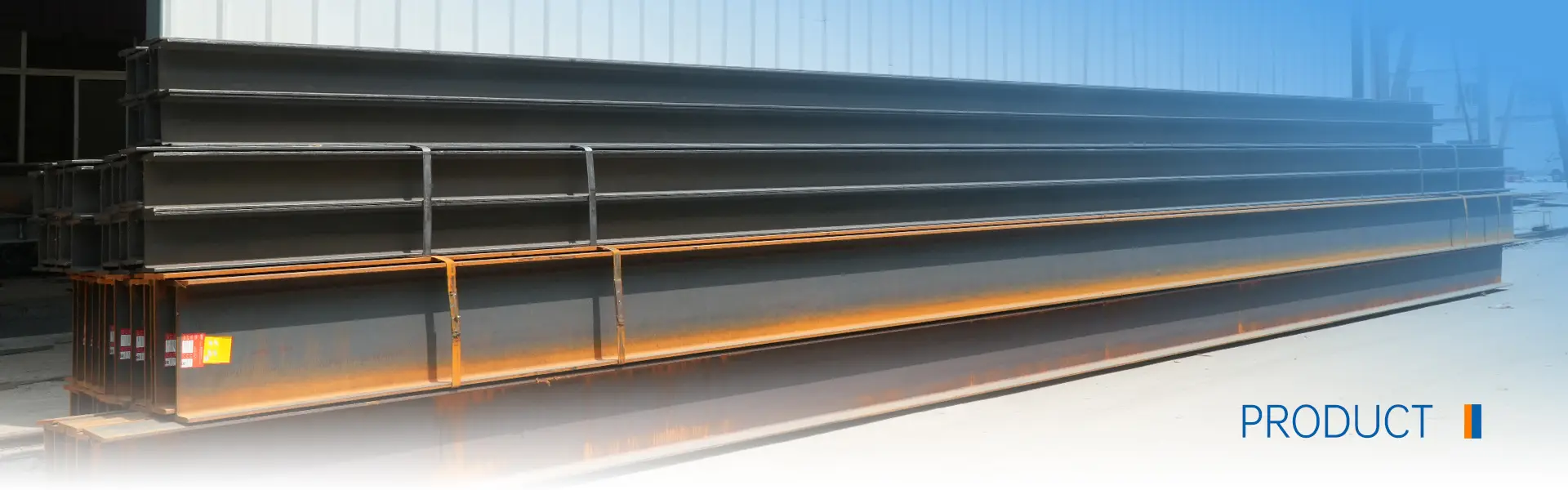
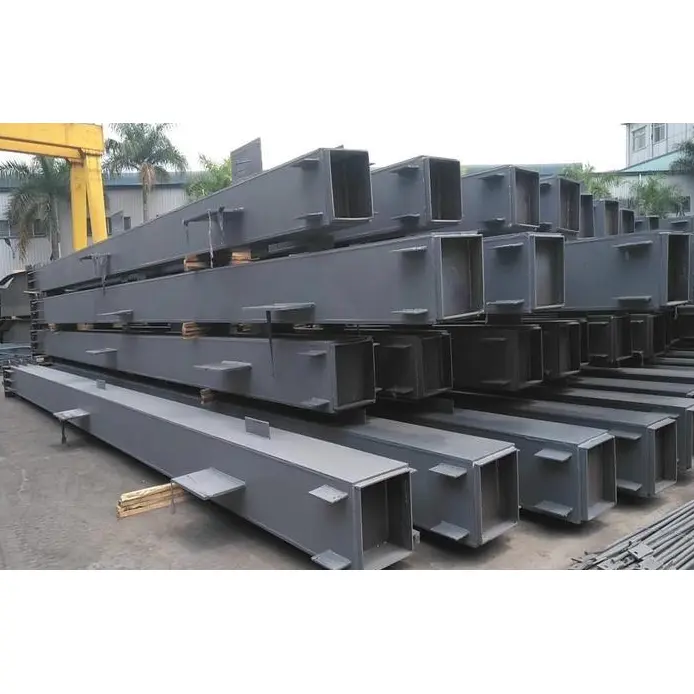
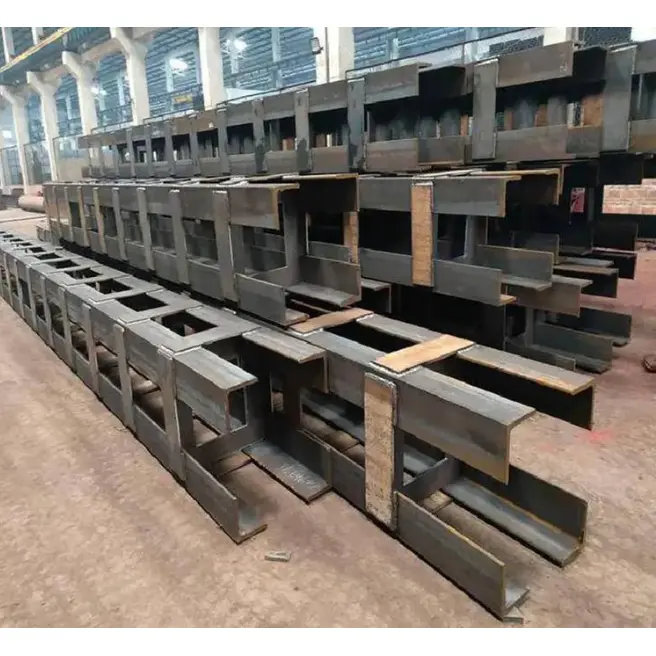
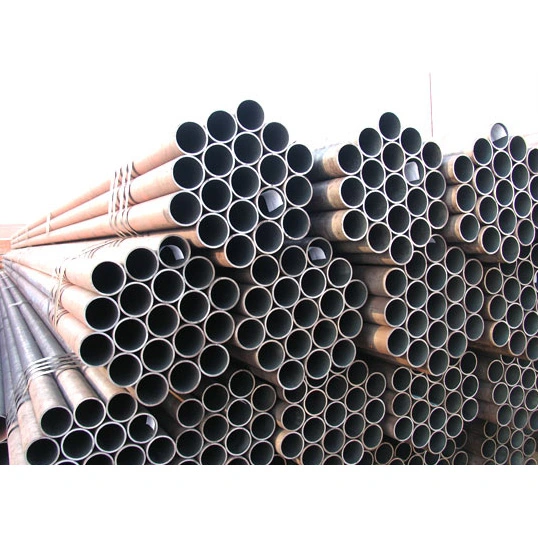
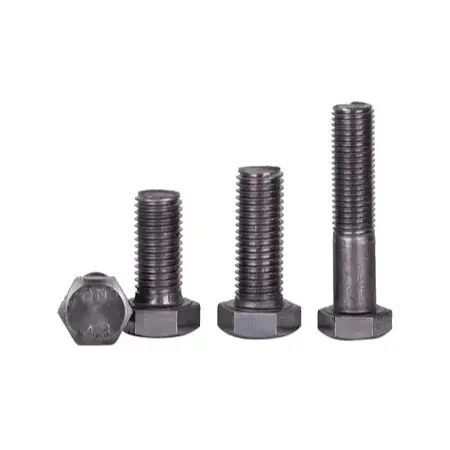
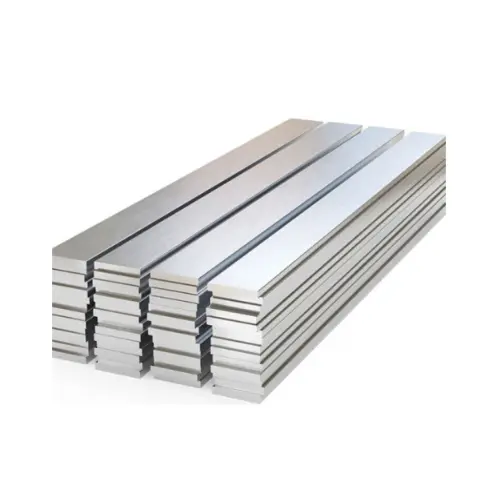
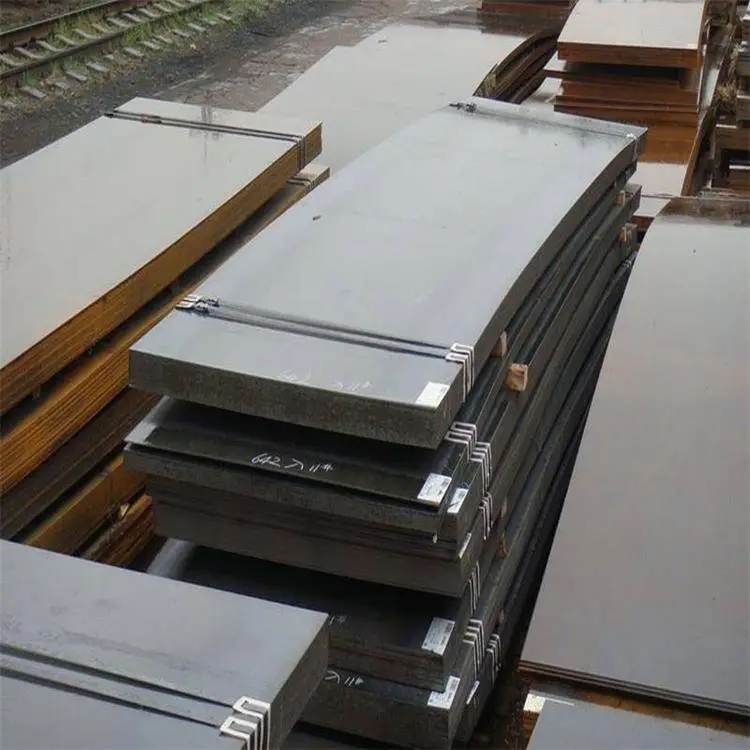
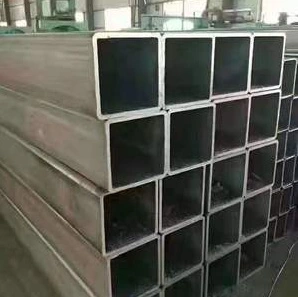
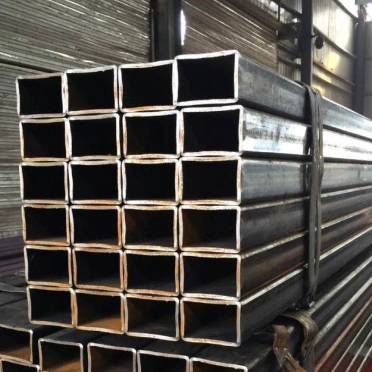
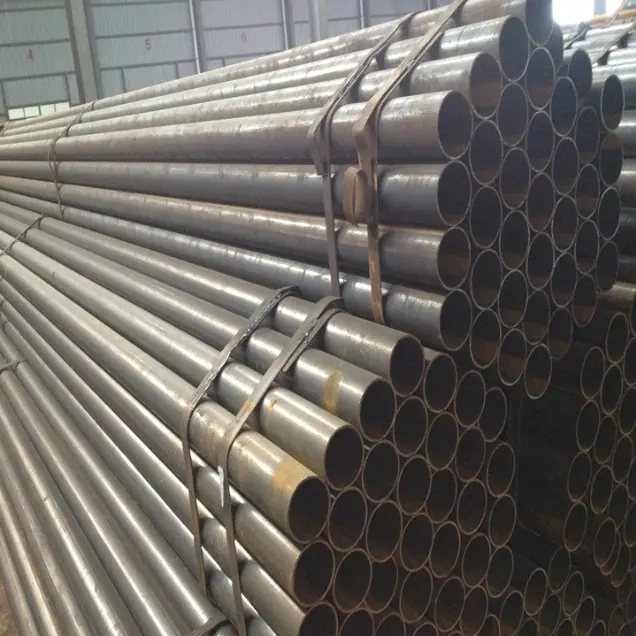
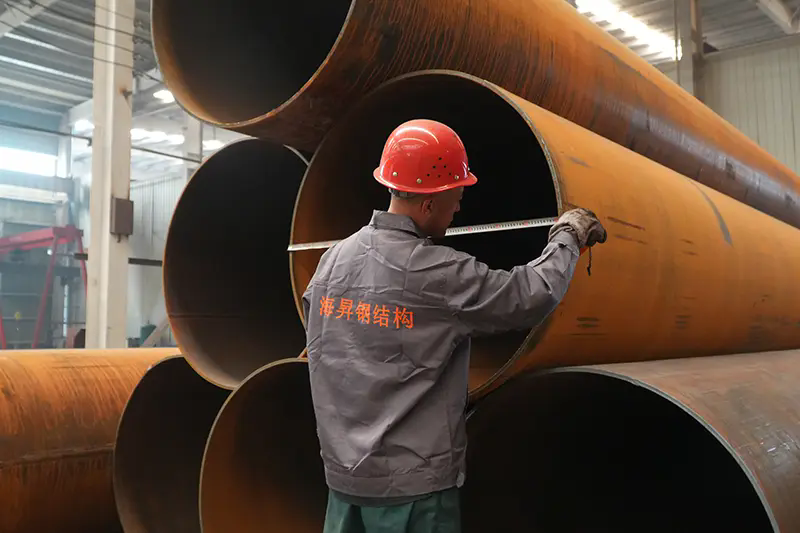
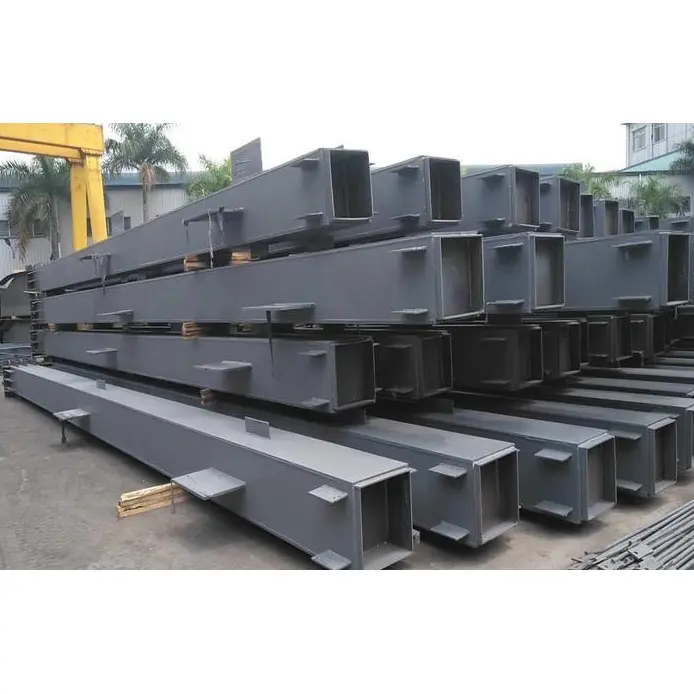
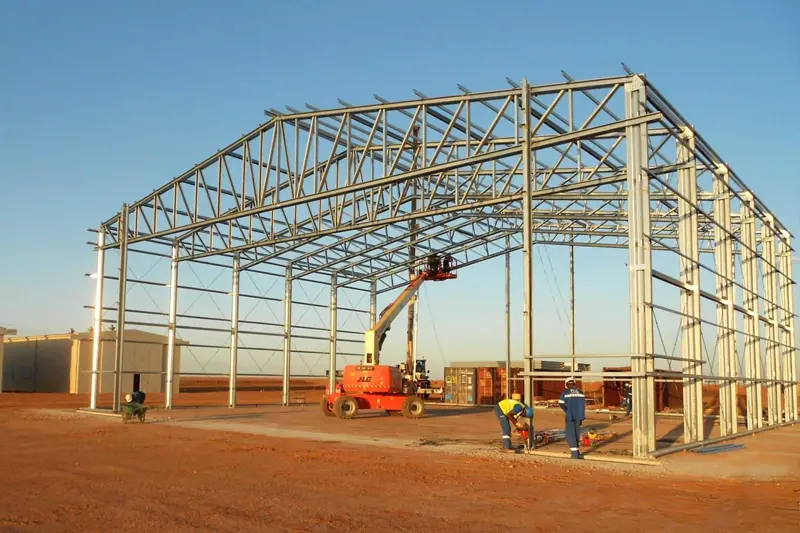
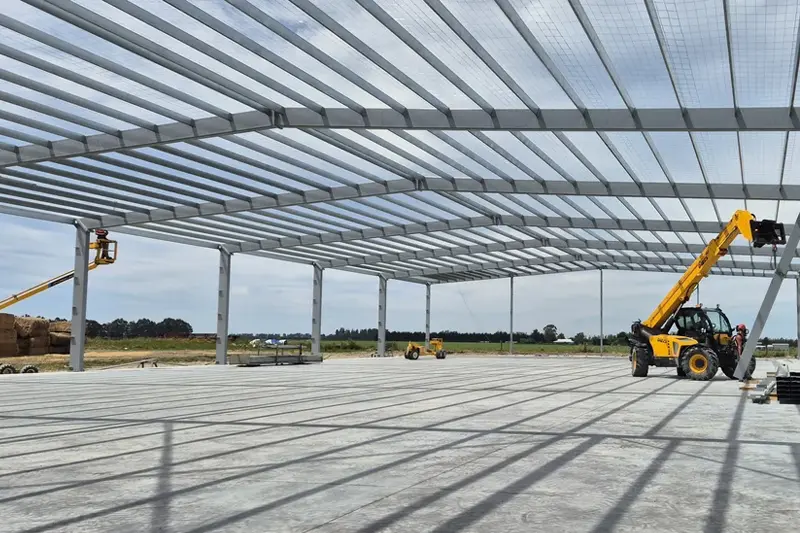
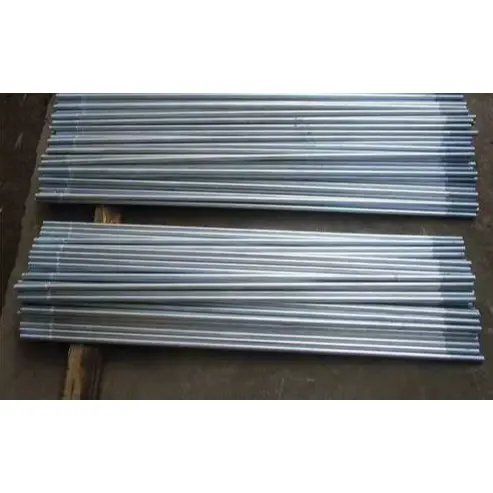
Structural steel sections serve as the fundamental raw materials for constructing steel structural frameworks. Primarily manufactured from high-quality carbon structural steels (such as Q235B and Q355B) and low-alloy high-strength steels, they are formed through rolling or welding processes. Common types include H-beams, I-beams, channel steel, square and rectangular hollow sections, circular pipes, and steel plates. As the base material for primary components—such as columns, beams, trusses, and braces—these sections bear vertical loads, resist lateral forces, and facilitate seismic load transfer; they are the essential materials determining the overall strength, rigidity, stability, and safety margin of the steel structure. HAISHENG is a professional manufacturer and supplier of steel materials; we welcome your inquiries.
Product Definition
Structural steel sections are the core raw materials used to assemble the overall framework of steel structures and serve as the base material for all primary load-bearing components. They are primarily made from high-quality carbon structural steels (e.g., Q235B, Q355B) and low-alloy high-strength steels, processed via hot rolling, cold rolling, welding, and straightening. Standard categories include H-beams, I-beams, channel steel, square/rectangular tubes, circular pipes, steel plates, and various custom-shaped profiles. These sections are the fundamental materials for fabricating primary load-bearing elements such as columns, beams, trusses, and braces. They directly determine the structure's mechanical performance, rigidity, dimensional precision, and operational safety, making them the most critical materials in steel construction projects.
Product Features
1. Uniform Material and Stable Mechanical Properties: The steel sections feature a dense, uniform microstructure with minimal internal impurities and stable mechanical parameters. They offer a balanced combination of strength, ductility, and toughness without abrupt structural defects. Capable of reliably withstanding heavy vertical loads, horizontal wind pressure, and cyclic seismic loads, they provide a solid foundation for structural safety.
2. High Strength and Excellent Load-Bearing Capacity: Low-alloy high-strength sections offer outstanding load-bearing capabilities. For a given cross-sectional specification, their load-bearing performance far exceeds that of standard steel sections. They meet the structural demands of high-rise, long-span, and heavy-load buildings, effectively enhancing the structure's overall load-bearing capacity and safety margin.
3. High versatility and adaptability to various shapes: Structural steel sections offer excellent machinability, allowing for precision processes such as cutting, bending, beveling, twisting, and splicing. They can be used to fabricate standard, regular frame components as well as complex shapes—including irregular, curved, and inclined forms—to meet diverse architectural design requirements.
4. High structural rigidity and deformation resistance: With scientifically designed cross-sections and optimized moments of inertia, these profiles exhibit excellent resistance to bending, shear, and buckling. They demonstrate minimal deflection and high stability under load, effectively ensuring the overall flatness and structural integrity of the building frame.
5. Suitable for industrialized assembly: These profiles feature standardized specifications and high modularity, with precise dimensions and controlled tolerances. They are ideal for precision factory processing and mass prefabrication, enabling rapid on-site assembly that significantly boosts construction efficiency and quality.
6. Controllable protection and long service life: The base material is compatible with various protective treatments—such as hot-dip galvanizing, anti-corrosion coatings, and fire-resistant sprays—allowing for tailored solutions to withstand harsh environments like outdoor exposure, high humidity, coastal salt spray, and dusty conditions. Proper protective treatment ensures long-term, stable performance.
7. Eco-friendly and recyclable: Steel profiles emit no harmful volatile compounds and cause no pollution during construction. They are 100% recyclable, feature low waste rates, and support low-carbon, energy-efficient practices, fully complying with standards for green prefabricated buildings and low-carbon engineering.
What are the uses and scope of application?
Primary uses: As fundamental raw materials for steel construction projects, structural steel sections are primarily used to fabricate key load-bearing and lateral-force-resisting components, including steel columns, beams, trusses, braces, equipment support frameworks, and mezzanine main frames. Through deep processing, these profiles are transformed into structural components that bear and transfer vertical, wind, and seismic loads. They form the building's overall load-bearing framework and establish the foundation for rigidity, stability, and seismic performance, serving as the core material that ensures the safety, structural precision, and long-term reliability of steel buildings.
Applications: Widely used in standard industrial plants, logistics and warehousing parks, high-rise steel-structure office buildings, commercial complexes, prefabricated buildings, exhibition centers, sports venues, high-speed railway stations, airport terminals, municipal pedestrian bridges, uniquely shaped landmark structures, steel frameworks for heavy-duty equipment, and various large-span, high-rise, or complex steel construction projects.
Differentiated Highlights
1. Superior Material Stability and Safety Margins: The specialized structural profiles meet all standards with balanced mechanical properties and are free from defects such as laminations, peeling, or cracks. Compared to standard non-compliant profiles, they offer superior strength, toughness, and fatigue resistance, eliminating structural risks and making them ideal for high-standard, critical projects.
2. Scientifically Optimized Cross-Section and Material Efficiency: The profiles feature structurally sound cross-sections with uniform moment of inertia distribution. Compared to ordinary structural steel or generic profiles, they require less material and have a lower self-weight for the same load-bearing capacity, effectively optimizing structural loads and reducing overall project costs.
3. Enhanced Processing Compatibility and Forming Precision: These profiles feature precise flatness, straightness, and wall-thickness tolerances, making them ideal for precision cutting, welding, and straightening. The resulting steel components are dimensionally accurate with tight joints, effectively resolving issues common to generic profiles, such as significant forming deviations and poor fit-up during assembly.
4. Superior Structural Integrity and Seismic Performance: With consistent mechanical properties and stability, the resulting frame systems exhibit excellent load-sharing capabilities and outstanding resistance to lateral drift, vibration, and deformation. The overall structure’s seismic and wind resistance ratings far exceed those of systems built with generic profiles.
5. Excellent Protective Coating Compatibility and Versatility: The profiles feature a uniform surface texture with strong coating adhesion, perfectly accommodating various anti-corrosion and fire-retardant coating processes. The protective layers are resistant to peeling or flaking, ensuring longer-lasting protection compared to inferior profiles and making them suitable for a wide range of harsh or complex construction environments.
6. Traceable quality and high project compliance: Standard structural steel sections come with material certificates and mechanical test reports. They offer batch consistency, verifiable quality through spot checks, and full traceability. They fully meet project acceptance standards—eliminating risks associated with the inconsistent quality and inspection failures of non-standard profiles—and are suitable for key projects subject to formal tendering.