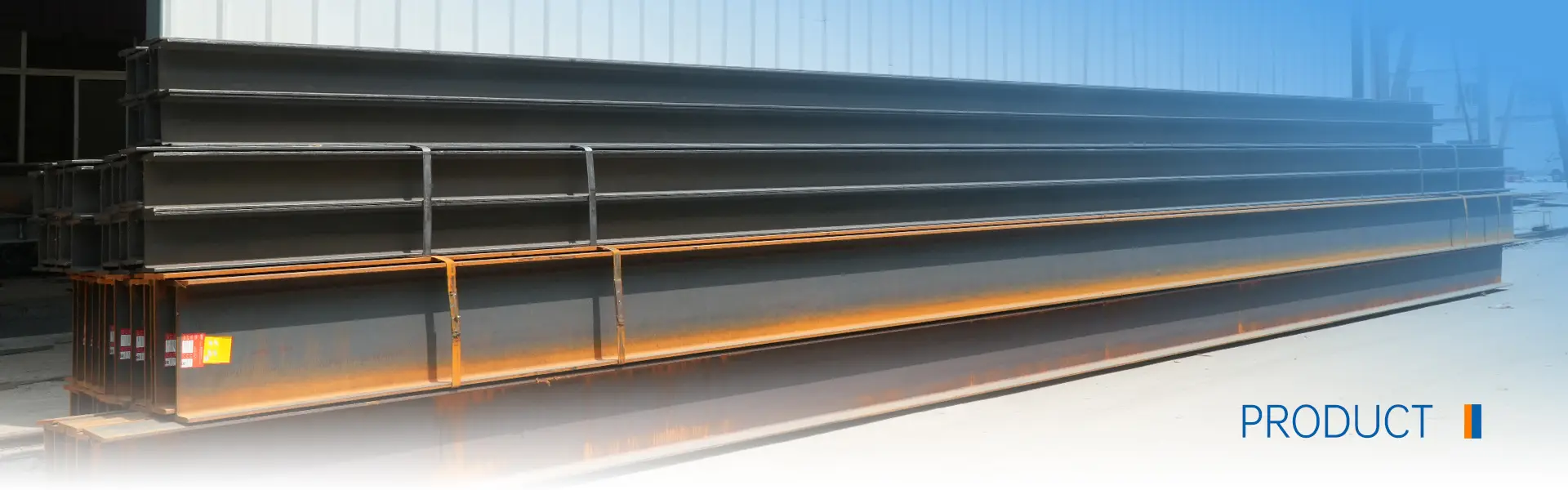
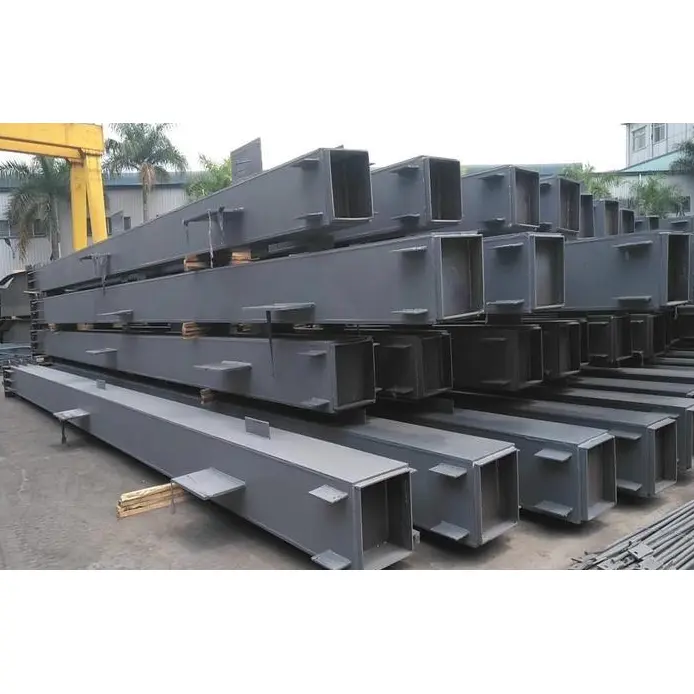
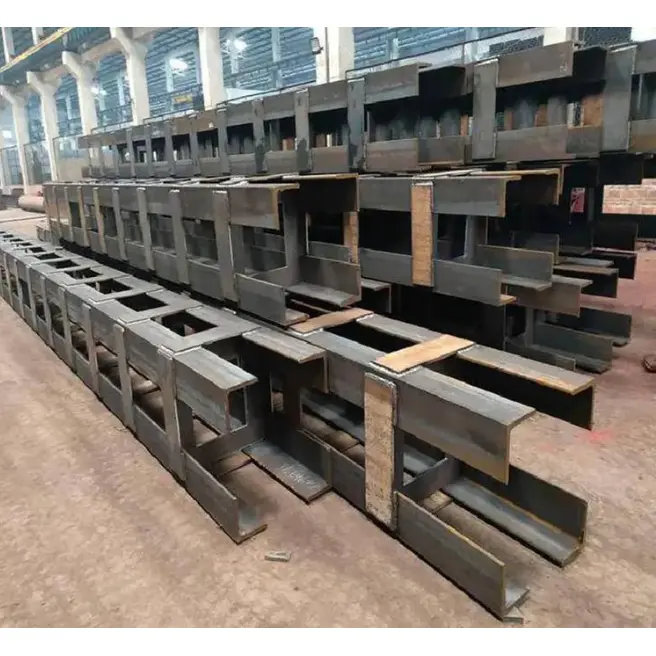
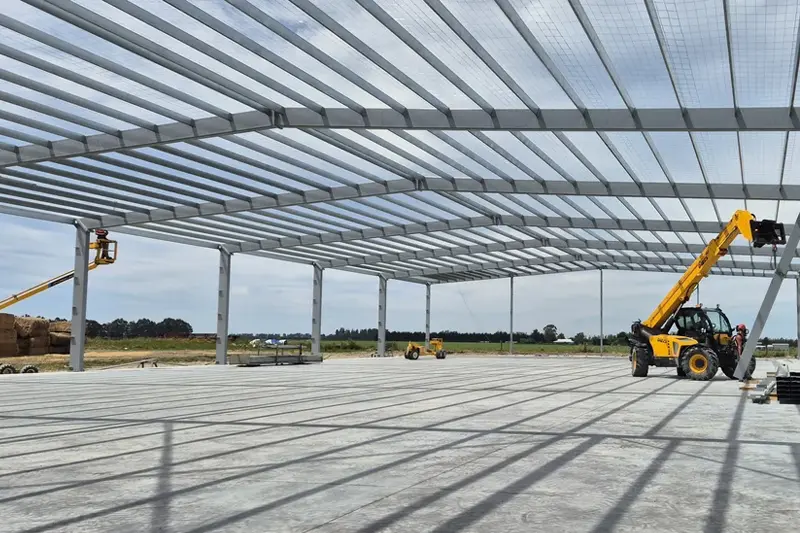
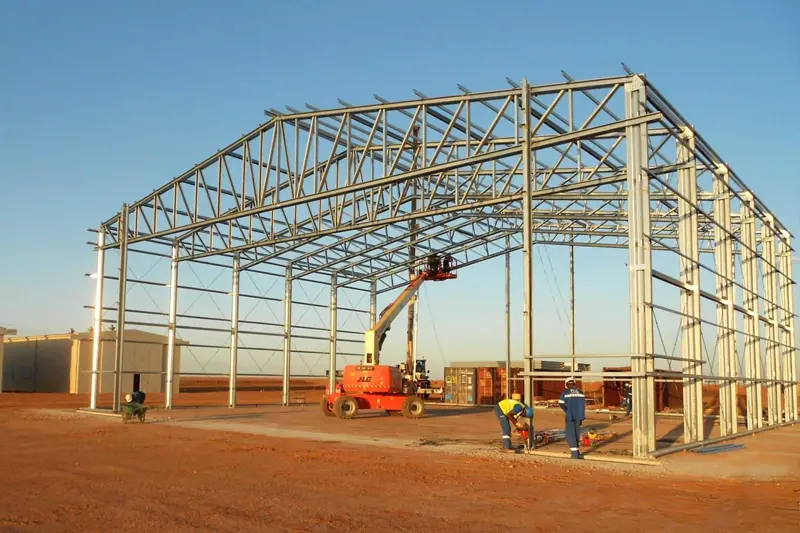
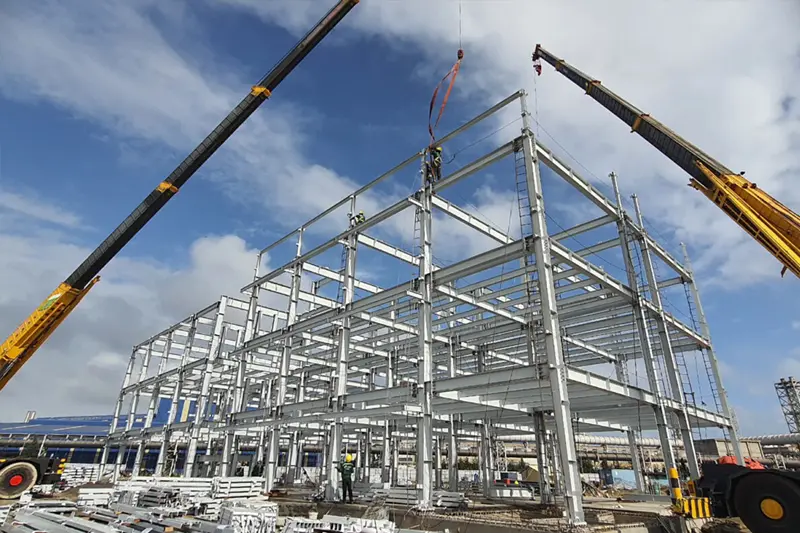
As a specialized manufacturer and one-stop supplier of structural steel components in China, HAISHENG offers steel structure beams that serve as core horizontal load-bearing elements in steel building systems. These beams feature high strength, excellent flexural performance, stable toughness, light self-weight, ease of assembly, and rapid construction speeds. They are suitable for large-span, open-plan, and irregularly shaped architectural designs. Treated with anti-corrosion and fire-resistant coatings, they offer exceptional durability and are widely used in industrial plants, public venues, high-rise commercial buildings, municipal steel structures, and iconic architectural landmarks.
Product Definition
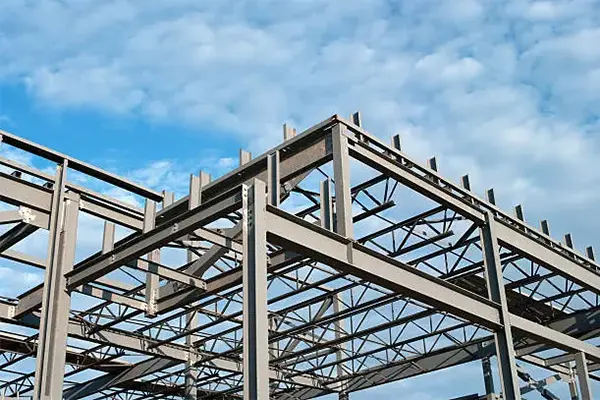
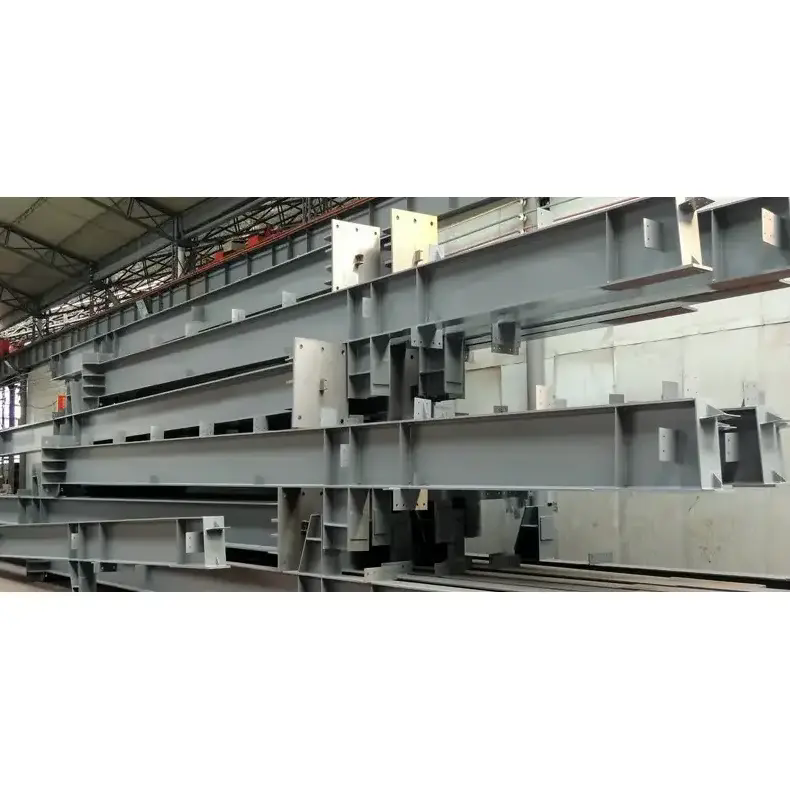
Steel Structure Beams are core horizontal load-bearing components within steel building systems; together with steel columns, they form the building's overall structural framework. Manufactured primarily from high-quality Q235B and Q355B carbon structural steels and low-alloy high-strength steels, they are shaped through a series of precision processes, including cutting, assembly, welding, straightening, flaw detection, and the application of anti-corrosion and fire-resistant coatings.
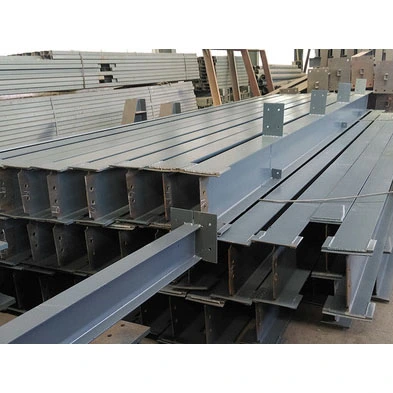
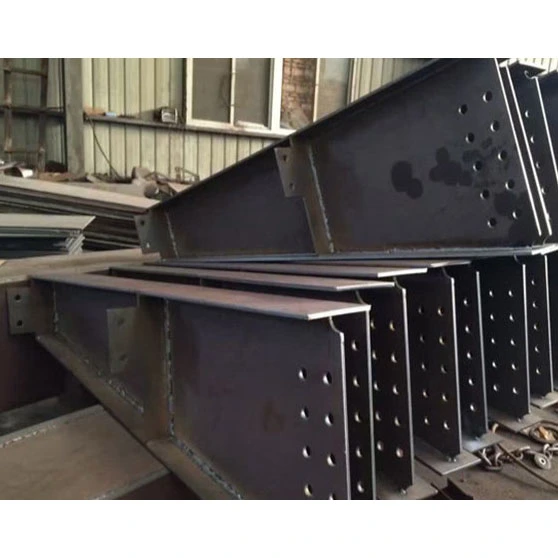
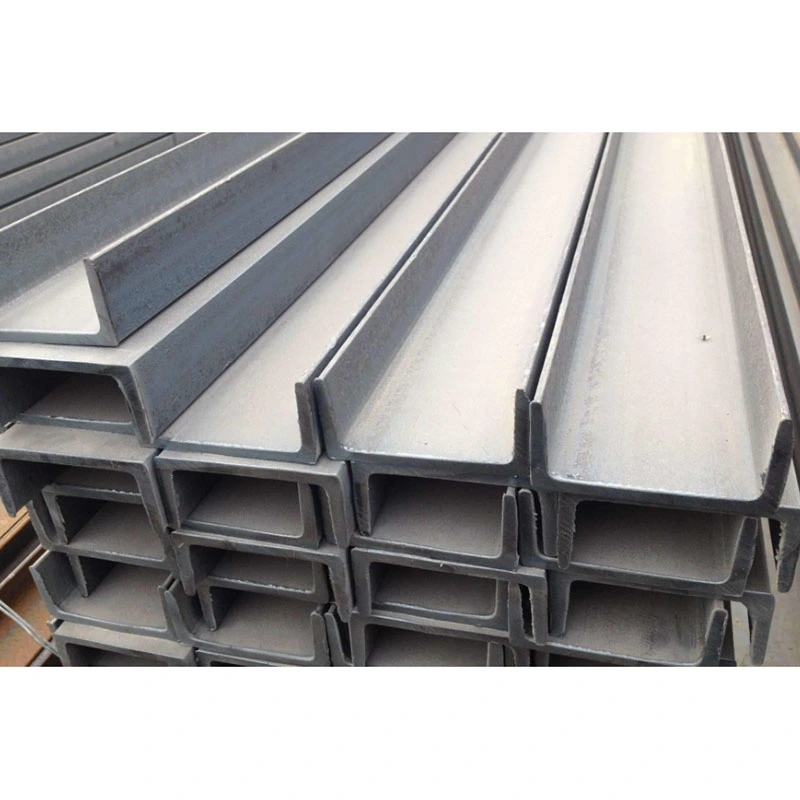
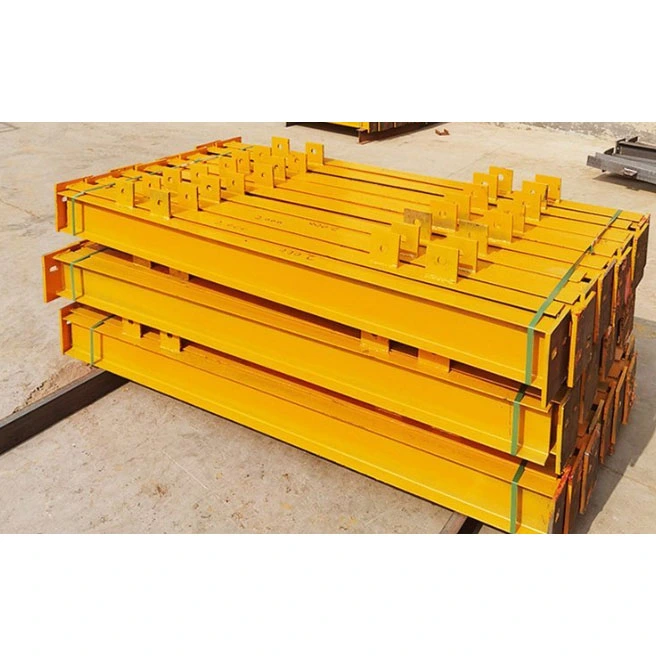
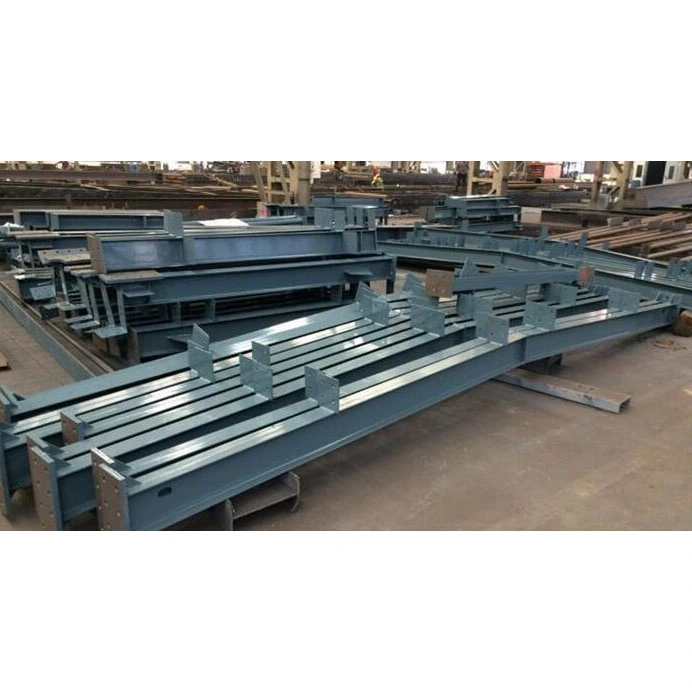
The product range includes H-beams, I-beams, box beams, variable-section beams, welded composite beams, and irregularly shaped curved or twisted beams. Responsible for receiving and transferring horizontal and vertical loads, these beams are critical load-bearing elements that ensure the building's horizontal rigidity, overall flatness, and structural stability.
Product Features
1. Excellent Flexural Performance and High Load-Bearing Capacity: Made from steel with uniform material properties and stable mechanical characteristics, these beams offer outstanding resistance to bending, tension, and shear. They effectively withstand heavy loads across large spans (such as floors and roofs) with minimal deflection and high resistance to buckling, meeting the structural demands of heavy-load, large-span buildings.
2. Good Structural Toughness and Seismic/Impact Resistance: Possessing excellent ductility and toughness, the beams can dissipate energy from dynamic loads—such as earthquakes or strong winds—through slight deformation. This prevents brittle structural failure and significantly enhances the building's overall seismic resistance and lateral stability, ensuring a high margin of safety.
3. Lightweight and highly cost-effective: For the same load-bearing capacity, steel beams are significantly lighter than concrete beams. This effectively reduces the load on the main structure and foundations, thereby lowering foundation construction costs. Additionally, their compact cross-sections maximize usable interior space and enhance the sense of openness.
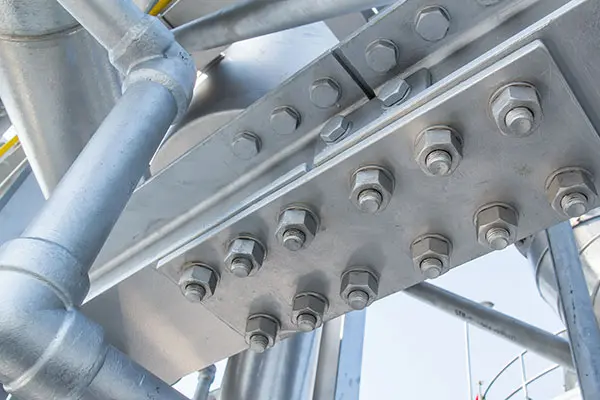
4. High degree of prefabrication and construction efficiency: Steel Structure Beams are standardized and prefabricated in factories, ensuring high dimensional precision and consistent quality. On-site work is limited to hoisting, assembly, and fastening (via high-strength bolts or welding), eliminating the need for wet curing processes. This results in rapid construction, minimal weather impact, and significantly shorter project timelines.
5. Versatile design and high plasticity: Beams can be fabricated into specialized shapes—such as variable cross-sections, curved, twisted, or irregular forms—to meet specific project requirements. They accommodate complex structural designs like large-span venues, unique landmarks, and curved buildings, transcending the limitations of traditional component shapes.
6. Controllable performance and excellent durability: Processes such as hot-dip galvanizing, anti-corrosion coatings, and fire-resistant spraying allow these beams to withstand harsh environments—including outdoor exposure, high humidity, coastal salt spray, and dusty conditions. They offer effective rust and corrosion resistance and high-temperature tolerance, extending the component's service life.
7. Convenient maintenance and modification: The structural layout is clear, making it easy to detect defects. Future reinforcement, renovation, expansion, or partial replacement can be performed without extensive structural demolition, resulting in low maintenance costs and high flexibility for modifications.
Uses and Scope of Application
Primary Uses
As core horizontal load-bearing components, steel beams primarily support vertical loads—such as roofs, floors, equipment platforms, and suspended ceilings—while also resisting horizontal forces like wind and seismic loads. They evenly transfer these loads to the main structure (e.g., steel columns and vertical bracing), balance horizontal stiffness, restrain lateral drift, and ensure the building's framework acts cohesively and remains stable. They are also suitable for applications such as mezzanines, roof and equipment load-bearing, structural reinforcement, and the creation of unique spatial forms, making them indispensable components of steel frame systems.
Applications
Steel Structure Beams are suitable for a wide range of applications, including standard industrial plants, warehouses, logistics parks, high-rise steel office buildings, commercial complexes, prefabricated structures, exhibition centers, sports arenas, swimming centers, high-speed rail stations, airport terminals, municipal pedestrian bridges, landscape canopies, and unique landmark buildings. They are also ideal for steel structure projects in challenging environments, such as coastal, high-humidity, or dusty areas.
Key Differentiators
1. Superior Mechanical Properties and Flexural Strength: Compared to traditional concrete beams or standard structural steel beams, these specialized steel beams offer uniform material properties, higher strength, and better toughness. They resist cracking, deformation, and sagging under heavy loads and long spans, delivering structural stability and safety factors that far exceed those of conventional counterparts.
2. Excellent Long-Span Capability and Space Utilization: Under identical load conditions, these steel beams feature smaller cross-sections and greater span capabilities, enabling column-free, expansive layouts. This eliminates the issues associated with bulky concrete beams and columns—such as cramped spaces and span limitations—thereby significantly enhancing the building's utility and visual openness.
3. Significantly Higher Construction Efficiency: Utilizing a factory-prefabrication and on-site assembly model, the process eliminates time-consuming "wet" operations like formwork, pouring, and curing. Construction cycles are reduced by over 60% compared to concrete beams, allowing for rapid main-frame erection—ideal for urgent, high-priority projects.
4. Unmatched Design Flexibility: Capable of forming complex shapes—such as curved, twisted, variable-section, and inclined beams—they perfectly meet the aesthetic and structural requirements of modern landmarks, curved arenas, and streamlined architectural designs, offering structural advantages that traditional concrete components cannot achieve.
5. Green, Low-Carbon, and Cost-Effective Lifecycle: Construction generates minimal waste and dust, and the steel is 100% recyclable, meeting green prefabrication standards. With simple maintenance and easy modification, the total lifecycle cost is lower than that of traditional load-bearing components of the same type.
6. Standardized quality and high compliance with acceptance standards: Structural steel components undergo flaw detection, mechanical testing, and dimensional calibration prior to leaving the factory. They offer stable quality, standardized parameters, and full traceability and inspectability. Unlike cast-in-place components, which often suffer from significant quality inconsistency, these components fully meet the rigorous acceptance specifications required for major projects.