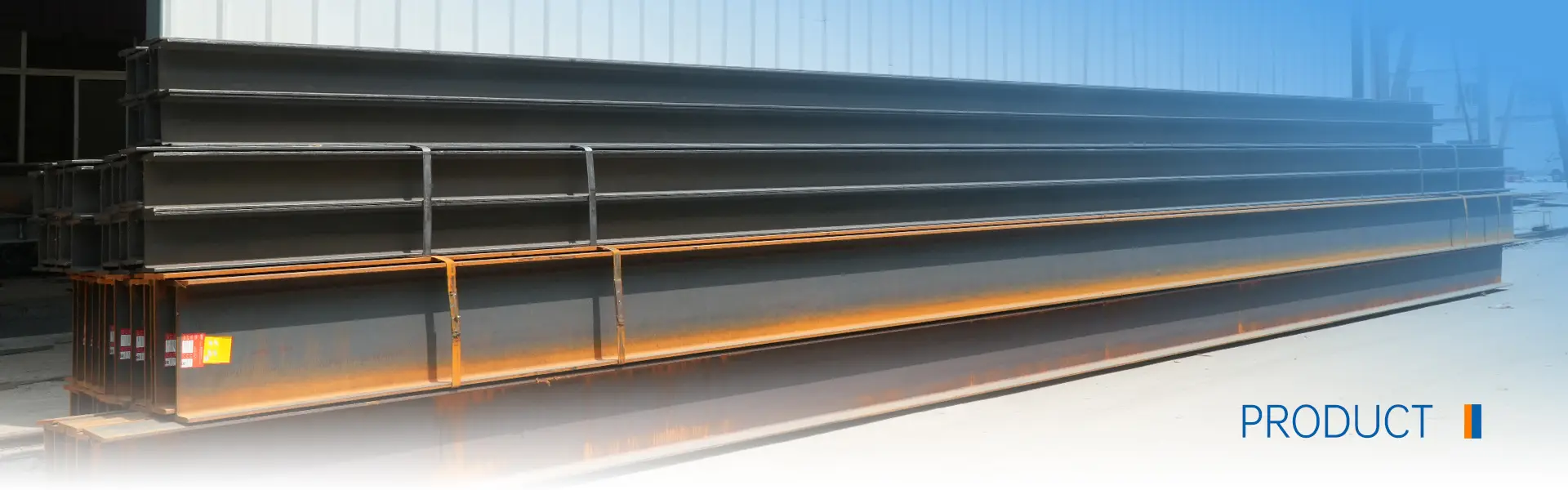
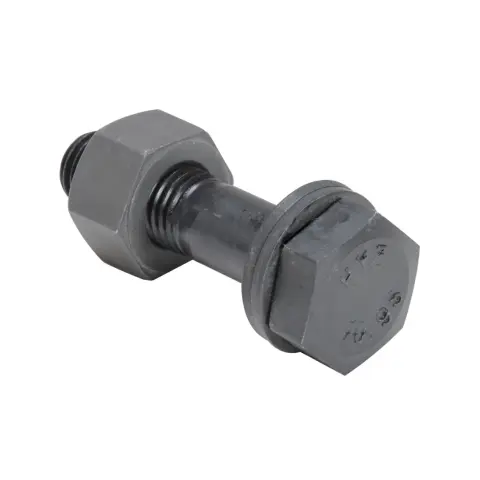
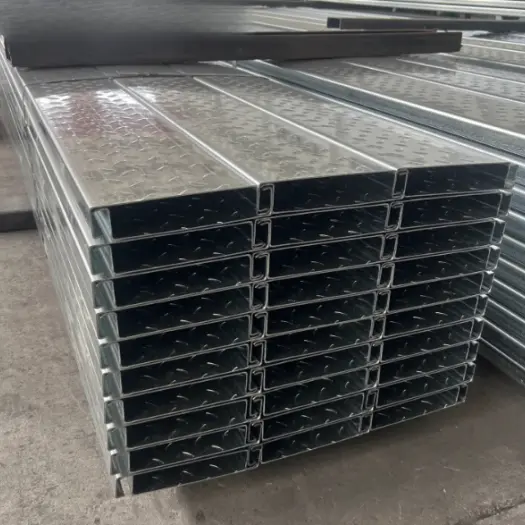
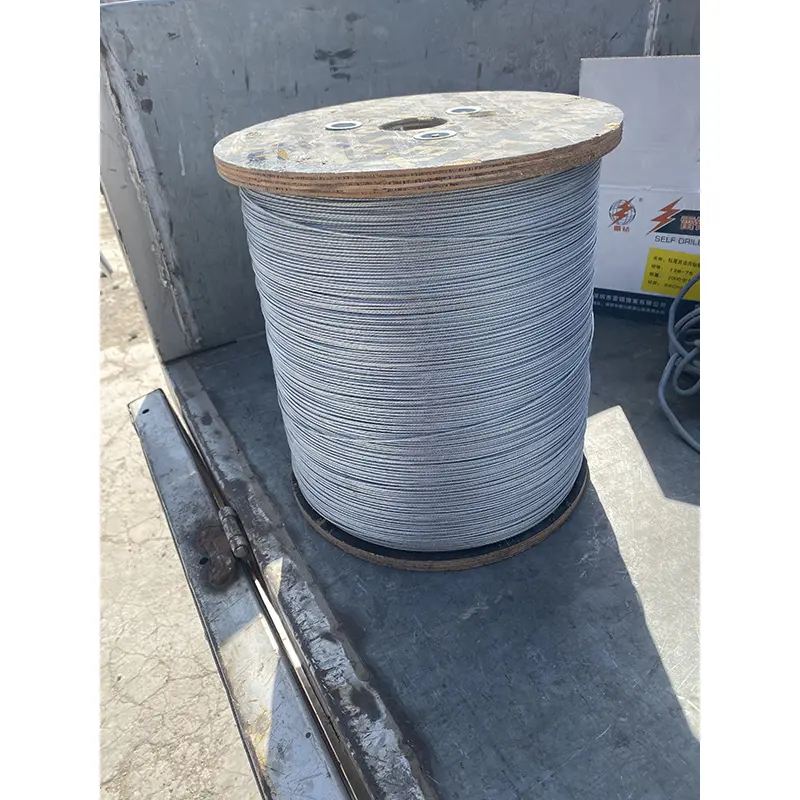
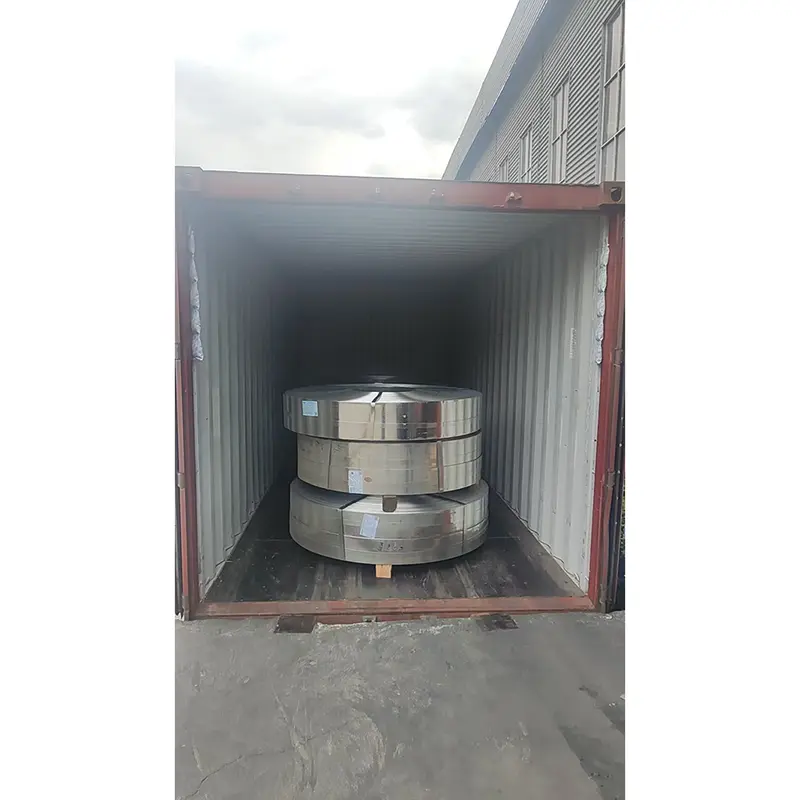
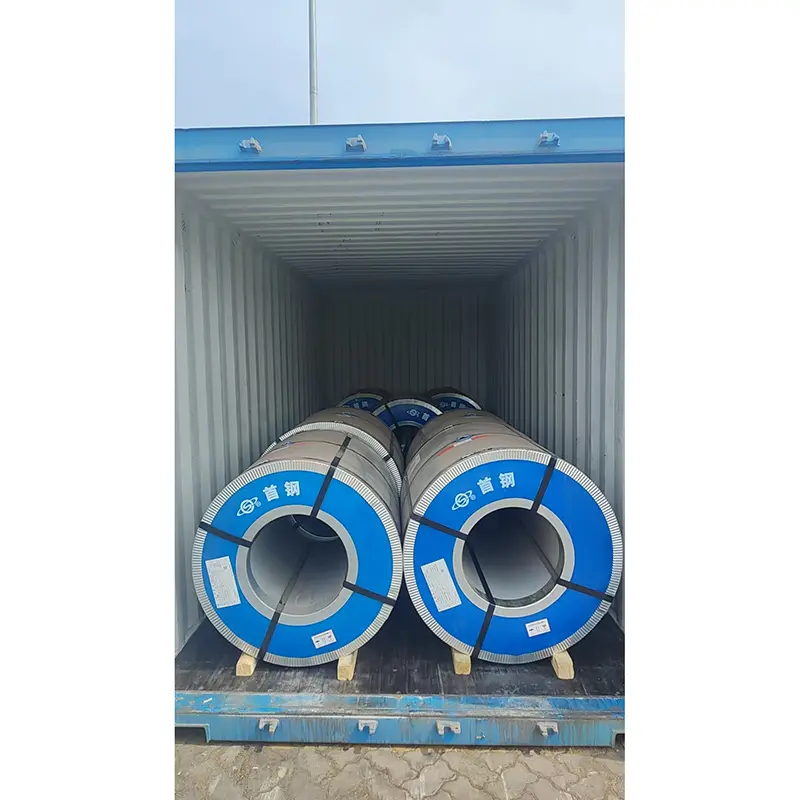
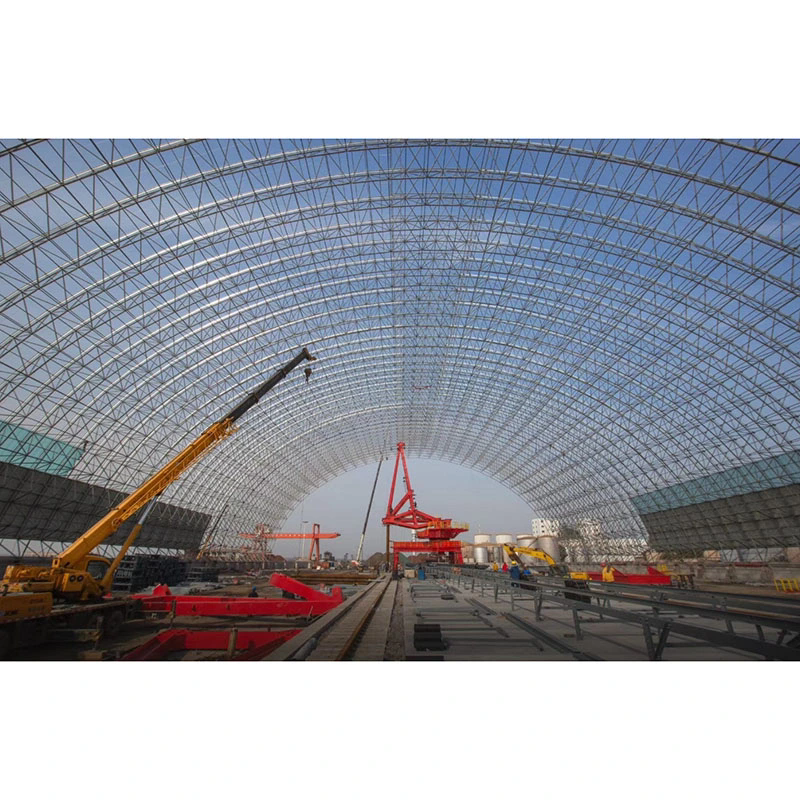
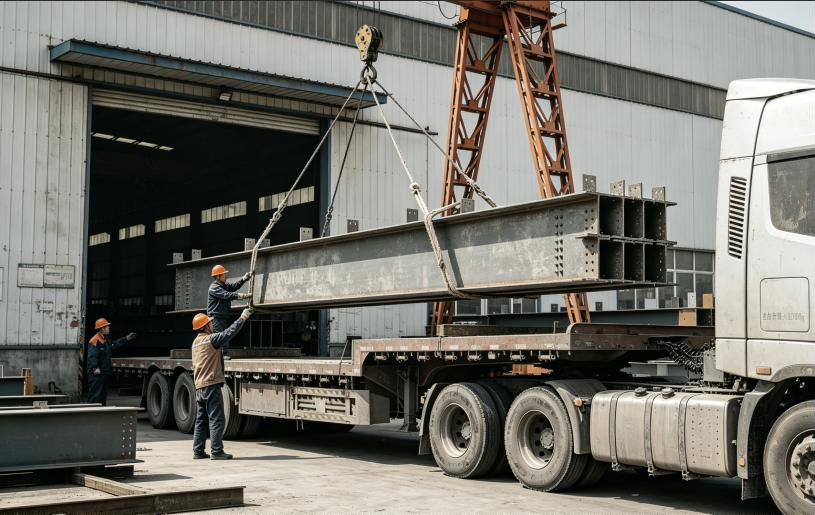
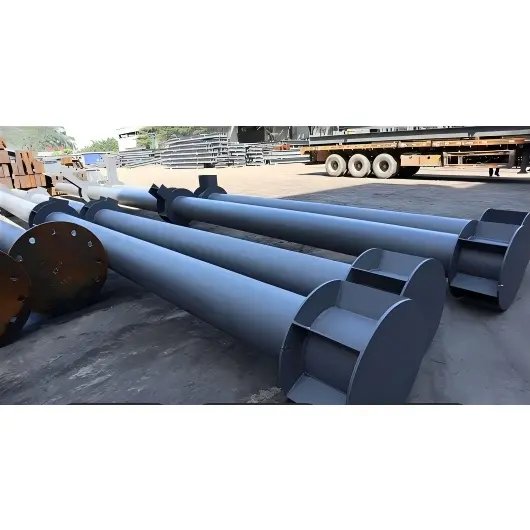
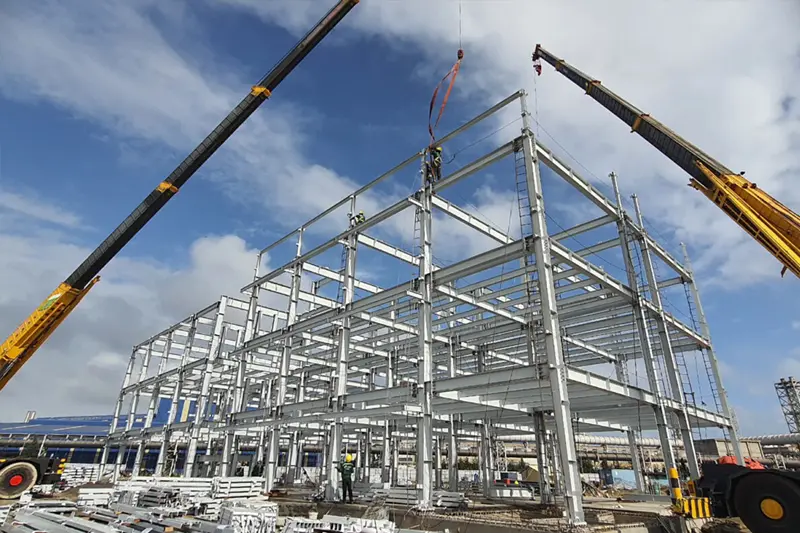
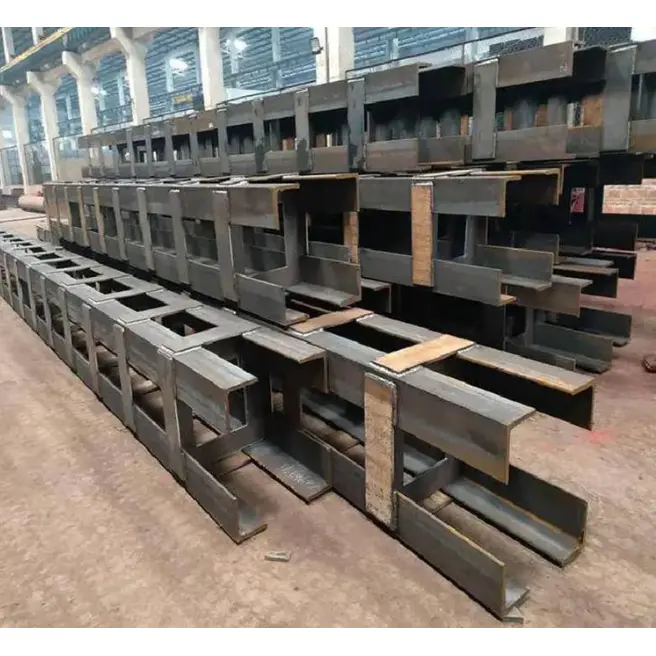
As a reliable manufacturer and one-stop supplier of steel materials, HAISHENG specializes in the custom fabrication and wholesale of cladding steel sections (embedded steel components). We offer custom production of both standard and non-standard embedded parts, handling bulk procurement, custom processing, and integrated supply orders for various projects, catering to the diverse needs of steel-concrete composite construction.
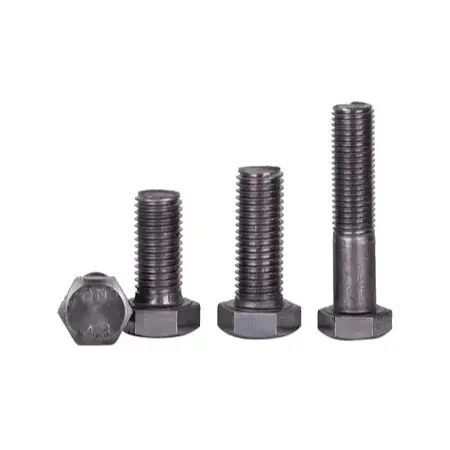
Cladding steel sections serve as indispensable, concealed, and load-bearing components in steel-concrete composite structures. HAISHENG precision-manufactures these products using high-quality national standard steels (such as Q235B and Q355B) and high-strength anchors. Our main product range includes embedded steel plates, anchor bolts, anchoring rebar, and modular embedded assemblies.
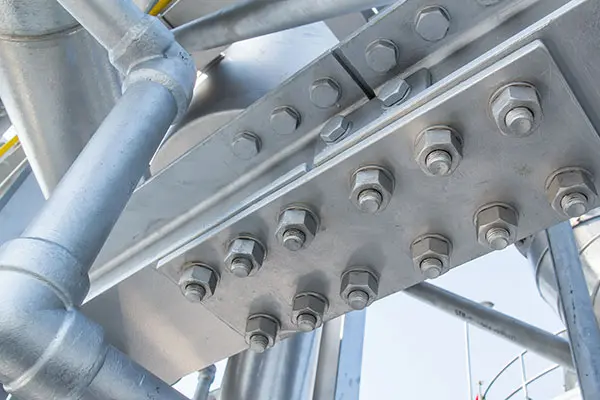
These components are embedded within the concrete matrix prior to casting. They primarily facilitate rigid connections and load transfer between the steel structure and concrete foundations, walls, beams, or slabs, while also providing precise, stable mounting bases and load-bearing points for subsequent steel columns, beams, bracing, auxiliary components, and building envelope systems. By preventing issues such as loosening, displacement, or detachment at the steel-concrete interface right from the source, they are critical for ensuring the quality and structural safety of steel construction projects.
Key Performance Characteristics
Leveraging standardized factory manufacturing processes, HAISHENG maintains strict quality control from raw material selection to final product dispatch. Compared to standard embedded parts, our cladding steel sections offer superior stability and construction compatibility, effectively resolving common issues such as insecure connections, positioning errors, poor durability, and complex installation procedures. Key features include:
1. Robust anchoring performance with high pull-out and shear load capacities: Featuring specialized anchor bar designs, the components interlock deeply with the concrete after casting to generate substantial mechanical anchorage. They stably withstand vertical pull-out forces, horizontal shear forces, and long-term cyclic loads. Once embedded, the connection is secure and resistant to loosening, slippage, or detachment over time, providing ample safety margins for heavy-load and high-frequency stress conditions.
2. Precise positioning and controllable on-site installation: All components are manufactured using standardized factory prefabrication and precision molding, ensuring uniform dimensions and specifications. During on-site construction, they allow for rapid, accurate positioning and fixation; errors regarding embedment location, elevation, and spacing are strictly controlled within engineering specifications. This effectively resolves common issues such as the misalignment or displacement of steel components found in traditional construction, comprehensively ensuring the installation precision of the primary steel structure—including columns, beams, and bracing.
3. Clear load transfer path and robust structural integrity: Serving as a dedicated load-transfer transition node between steel and concrete, the component smoothly transfers vertical static loads, horizontal wind loads, and seismic forces. It enables integrated, synergistic action between the steel and concrete structures, effectively enhancing overall building stiffness, structural stability, and lateral resistance, thereby strengthening the building's overall seismic and disaster resilience.
4. Weather-resistant and durable, with a service life matching the primary structure: The main steel components undergo professional rust removal and anti-corrosion pretreatment. Once embedded, they are fully encased in concrete, effectively isolating them from air, moisture, and acidic or alkaline corrosive agents to prevent rust and aging. The node maintains stable long-term performance without risk of future failure; its service life perfectly matches that of the primary building structure, significantly reducing long-term operation and maintenance costs.
5. Wide range of applications and support for customization: A full range of standard specifications is readily available, while custom fabrication is offered for various non-standard embedded components based on specific structural load parameters, node geometries, and installation requirements. Suitable for all embedment locations—including foundations, walls, beams, slabs, and roofs—the system precisely solves anchoring and connection challenges for complex nodes and non-standard steel structures.
6. Simplified on-site construction and significantly improved assembly efficiency: Utilizing a process of precise, one-time pre-embedment, steel components can be directly aligned and assembled later. This eliminates the need for secondary on-site operations such as drilling, post-installation anchoring, or chemical anchoring, thereby shortening the assembly schedule for the primary steel structure, reducing the need for on-site rework or repairs, and significantly boosting overall construction efficiency.
7. Stable and controllable quality with high compliance rates in project acceptance: Leveraging mature production techniques and standardized quality inspection processes, the products feature consistent material specifications and uniform processing quality. The quality of the embedded installation is fully controllable and traceable throughout the process. This effectively eliminates issues associated with post-installed anchors—such as unstable load-bearing capacity and poor reliability—and fully meets the construction acceptance standards for various key steel structure projects.
Primary Uses and Application Scenarios
1. Core Product Functions
The primary function of Cladding Steel Sections is to facilitate the anchoring and bidirectional load transfer between steel and concrete structures. They precisely secure the installation positions of various steel components and stably withstand vertical loads, uplift forces, and horizontal shear forces, enabling the steel-concrete composite structure to function as an integrated, load-bearing unit. These products are widely compatible with all steel-concrete connection points—including steel column base anchoring, steel beam support connections, steel structure bracing, stair railing anchoring, equipment support mounting, curtain wall framing installation, and roof accessory connections. They fundamentally prevent component displacement, loosening, or detachment, ensuring the safety of structural joints, installation precision, and long-term load-bearing stability.
2. Broad Application Scope
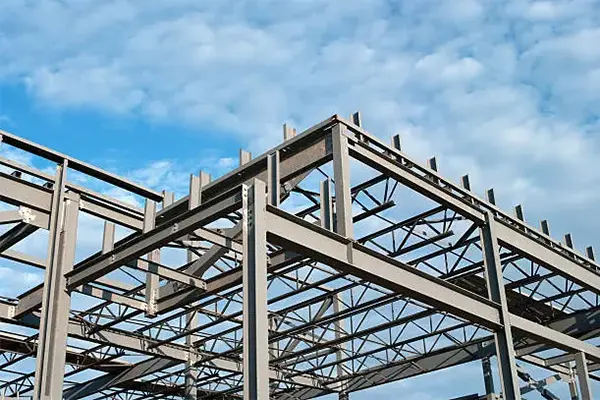
These products are suitable for a wide range of civil, industrial, and municipal steel structure projects, meeting embedded installation requirements for standard conditions as well as complex joints and irregular structures. Specific application scenarios include: high-rise steel buildings, commercial complexes, industrial plants, multi-story production workshops, warehousing and logistics facilities, exhibition centers, sports stadiums, high-speed railway stations, airport terminals, municipal pedestrian bridges, landscape steel structures, curtain wall support systems, and various prefabricated steel-concrete composite buildings.
Product Advantages
While many projects in the industry currently rely on post-installed anchoring products—such as mechanical expansion anchors or chemical anchors—HAISHENG’s Cladding Steel Sections leverage the advantages of an integrated, cast-in-place manufacturing process. They comprehensively outperform post-installed anchors in terms of safety, precision, durability, and regulatory compliance, effectively resolving the various pain points associated with post-installation methods.
1. Superior anchorage stability and higher safety factor: Unlike post-installed mechanical or chemical anchors, this product is cast monolithically with the concrete, ensuring ample anchorage depth and a large load-bearing contact area. It offers excellent resistance to fatigue, vibration, and aging. It eliminates risks associated with chemical adhesive degradation—such as cracking or debonding—providing uniform, stable load-bearing capacity and long-term reliability, with an overall safety factor far exceeding that of post-installed anchoring systems.
2. Higher installation precision and superior finished quality: Factory-prefabricated to precise, uniform dimensions and embedded accurately in a single on-site operation, the system completely avoids issues common to post-drilling methods, such as positioning errors, surface damage, and hole misalignment. It ensures superior flatness and verticality at steel structure joints, delivering excellent visual quality and dimensional accuracy that perfectly meet high-standard construction requirements.
3. Continuous load transfer and enhanced structural integrity: Monolithic casting eliminates installation gaps, ensuring continuous load transfer and uniform stress distribution; this prevents the load discontinuity and stress concentration issues often found in post-installed components. It effectively enhances the building's overall seismic and lateral resistance, enabling true synergistic load-bearing between the steel and concrete structures and significantly improving overall structural integrity.
4. Outstanding durability with no risk of future failure: It eliminates the flaws associated with chemical anchors—such as adhesive aging, cracking, poor temperature resistance, and short service life. Relying on a purely mechanical anchoring structure for permanent stability, it performs reliably in complex environments, including extreme temperatures, outdoor conditions, prolonged vibration, and mild corrosion. The product requires no replacement over its lifetime, offering exceptional durability and reliability.
5. Higher construction efficiency and preservation of structural integrity: Pre-embedding allows for direct assembly later, eliminating the need for chiseling or drilling into the concrete structure or subsequent surface repairs, thereby preserving the integrity of the main concrete structure throughout the process. This reduces the need for rework, boosts construction efficiency, and maximizes the quality of the finished structure.
6. Superior engineering compliance and suitability for key benchmark projects: The manufacturing process for embedded parts is mature, and industry testing standards are comprehensive; product quality is verifiable and traceable, eliminating acceptance disputes associated with post-installed anchors. It is the preferred anchoring solution for major steel structure projects, seismic-resistant construction, and heavy-load building structures, ensuring high project acceptance rates and fully meeting the construction specifications for various high-end, critical projects.