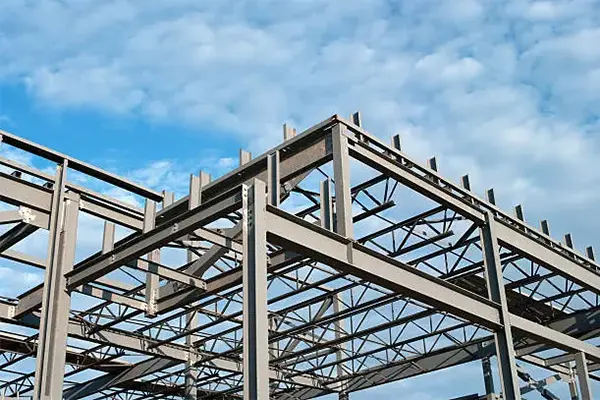
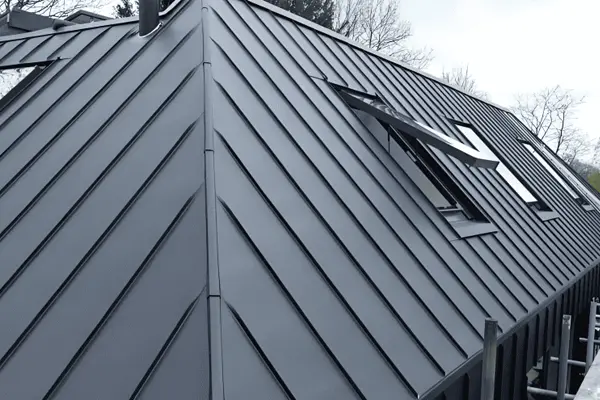
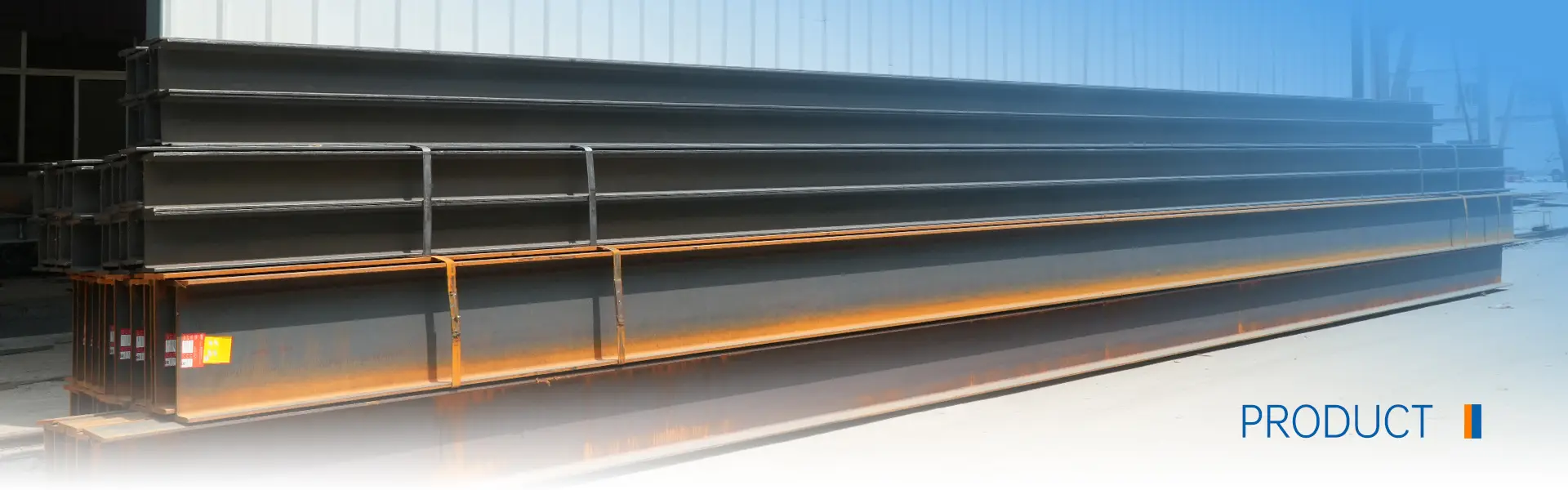
HAISHENG is a primary manufacturer specializing in the custom production and volume supply of steel structure cladding components, dedicated to providing comprehensive exterior envelope solutions for various steel structure projects. As part of the auxiliary protective system for steel structures, these components do not bear the primary structural load; instead, they fulfill essential functions such as enclosure and sealing, waterproofing and thermal insulation, corrosion resistance and noise reduction, and edge/corner finishing. Characterized by standardized prefabrication, weather resistance, durability, and installation efficiency, they are widely used in industrial plants, public venues, municipal facilities, and complex-geometry steel projects, serving as core components for perfecting the building envelope and enhancing overall project quality.
Core Product Composition and Basic Attributes
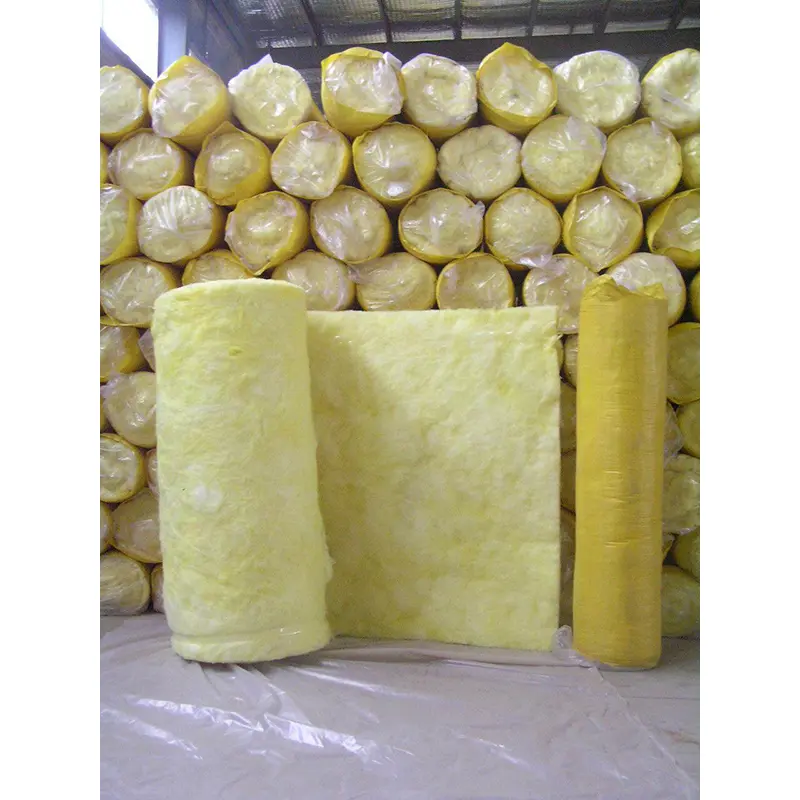
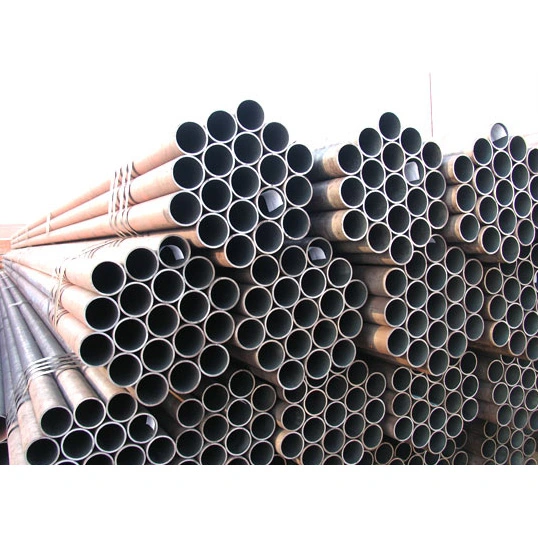
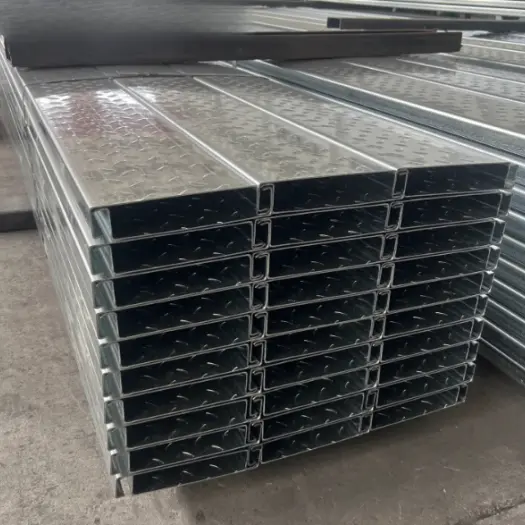
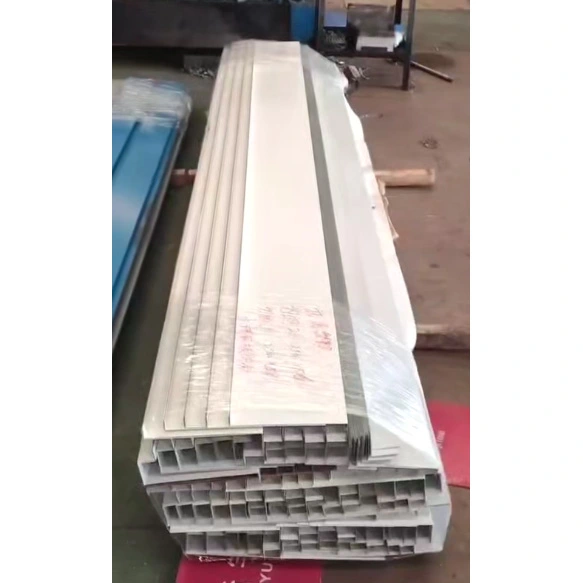
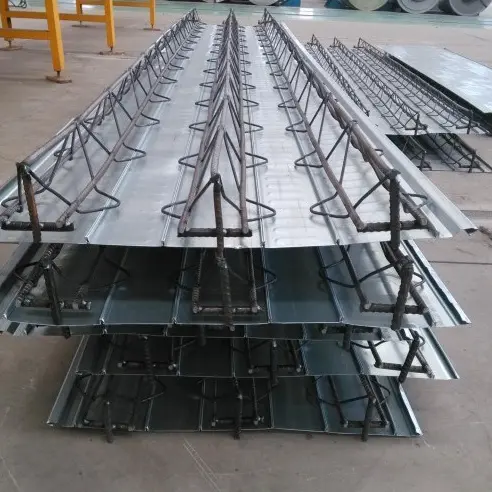
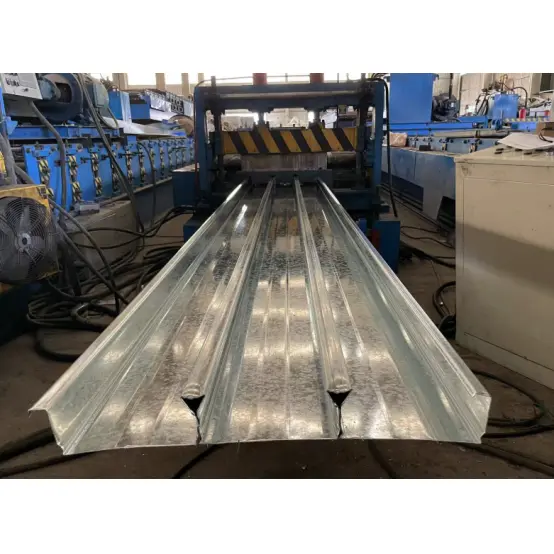
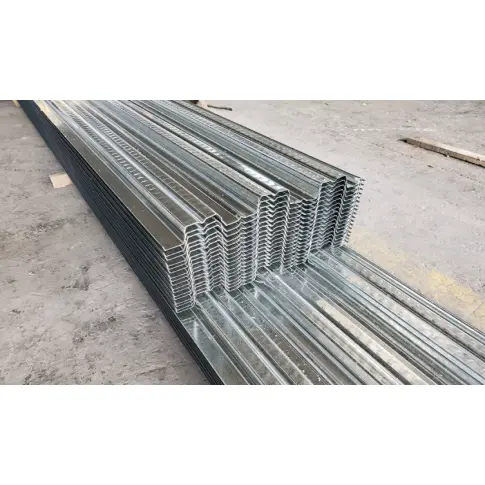
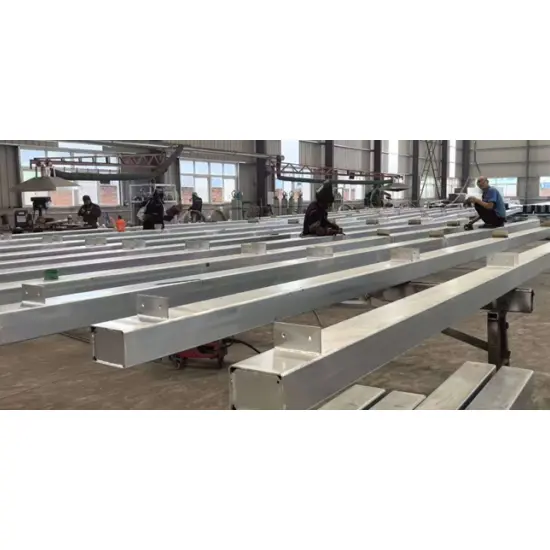
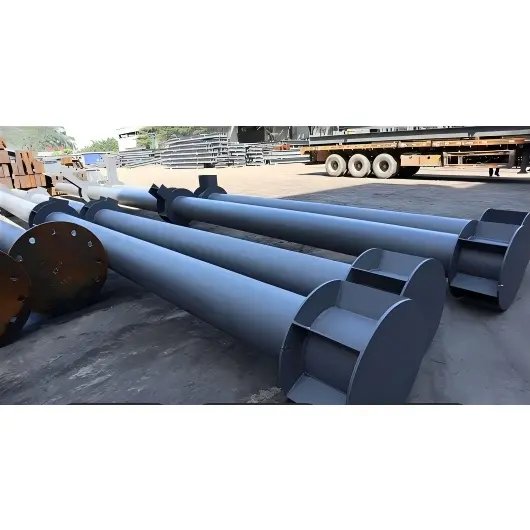
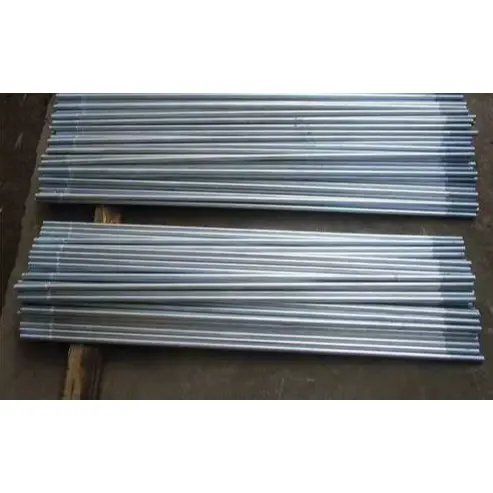
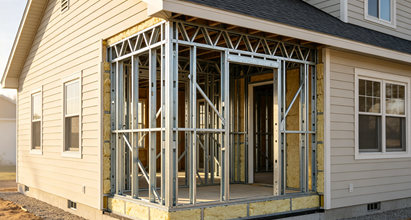
The steel structure cladding component range is extensive and systematic, comprising roofing and wall cladding panels, C/Z-section purlins, door and window frames, edge trims and corner covers, flashing, roof gutters, and floor decking, alongside auxiliary materials such as thermal insulation seals and aluminum foil protective layers. The primary materials consist of high-quality national standard steels (Q235B, Q355B) processed with composite protective materials, resulting in products that are lightweight yet high-strength, with excellent sealing capabilities and high adaptability. Designed to withstand only envelope loads and external environmental forces without interfering with the primary load-bearing structure, these components integrate precisely with various steel frameworks, effectively addressing construction challenges associated with building envelopes.
Practical Performance Advantages
1. Lightweight and low-load, reducing project costs.
The components are lightweight, eliminating the need for additional reinforcement of the main structure or foundation. This effectively reduces the superimposed load on the primary steel structure and minimizes material consumption, controlling construction costs at the source while meeting the design requirements for long-span, lightweight steel structures.
2. Weather-resistant and anti-corrosive, suitable for complex operating conditions.
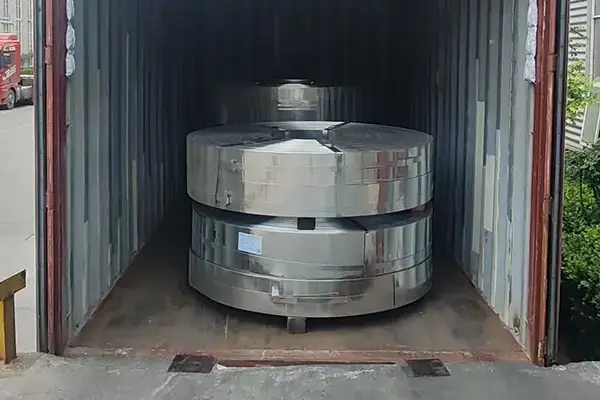
Through treatments such as hot-dip galvanizing, anti-corrosion coatings, and composite laminations, the components exhibit excellent rust, water, and aging resistance. They perform reliably in harsh environments—including direct sun exposure, high humidity and dust, and coastal salt spray—significantly lowering long-term maintenance and refurbishment costs.
3. Integrated functionality, providing comprehensive building protection. Through the synergistic combination of components—such as purlin supports, corner trims, drainage gutters, and thermal insulation seals—these systems provide a one-stop solution for wind and rain protection, thermal insulation, dust and noise control, and airtight joint sealing. This effectively eliminates common issues found in traditional enclosure systems, such as large gaps, leakage risks, and high energy consumption.
4. Standardized prefabrication for higher construction efficiency.
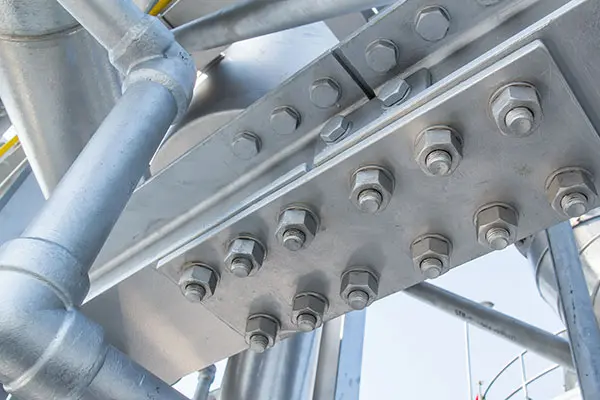
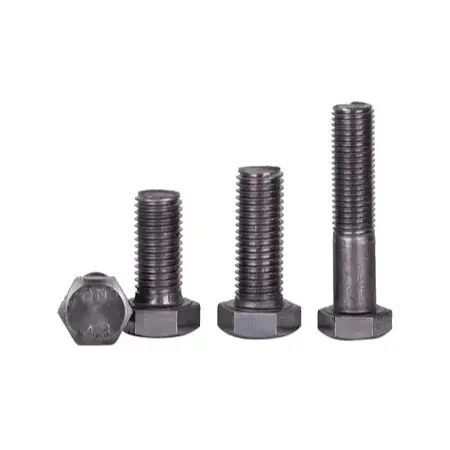
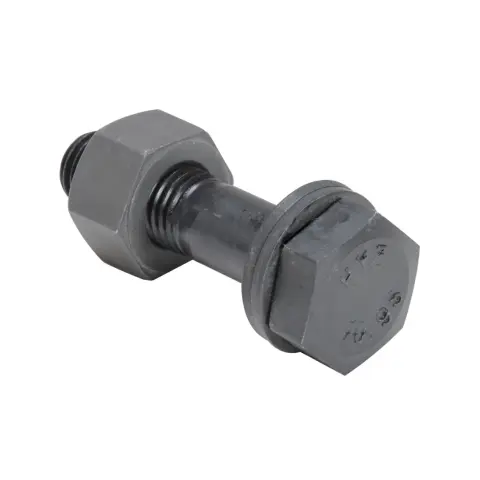
All steel structure cladding components are manufactured using standardized factory processes, ensuring uniform specifications and high interchangeability. On-site assembly relies primarily on bolting, eliminating the need for complex welding or wet-curing processes; this prevents delays to the main structural construction and significantly shortens the overall project timeline.
5. Versatile design adaptability, balancing utility and aesthetics.
Customization of non-standard shapes is supported to accommodate various roof slopes, architectural forms, and joint structures, making them suitable for both conventional industrial buildings and unique landmark steel projects. Standardized trim components conceal construction imperfections, create clean facade lines, and enhance the building's overall visual quality.
6. Convenient O&M and long-term stability.
The components feature simple structures and uniform load distribution, resisting loosening or deformation under external forces like wind and rain. They allow for localized disassembly and replacement, meaning inspections and repairs do not require dismantling large sections of the structure, resulting in efficient, low-cost maintenance.
Core Application Scenarios and Functional Implementation
These steel structure cladding components are designed for comprehensive application across the building envelope, offering clearly defined functions and precise adaptability. Core application scenarios cover the full spectrum of steel structure projects:
1. Industrial steel structures. Suitable for various factory buildings, warehouses, logistics parks, and industrial equipment platforms. Serving as standardized enclosure systems, they provide building sealing, thermal insulation, noise reduction, and waterproofing, meeting the demands of all-weather industrial operations.
2. Large-span public buildings. Ideal for large-volume structures such as stadiums, exhibition centers, high-speed railway stations, airport terminals, and large shopping complexes. They balance thermal insulation and energy efficiency with soundproofing and aesthetic appeal, meeting the high standards required for public infrastructure projects.
3. Municipal and landscape steel structures. Suitable for municipal infrastructure such as pedestrian overpasses, bus shelters, toll stations, landscape pergolas, and landmark structures; balances protective functionality with urban aesthetic harmony while meeting high standards for precision municipal construction.
4. Civil and commercial steel structures. Suitable for steel-framed office buildings, apartments, residences, and commercial complexes; effectively optimizes indoor living and working environments while ensuring building airtightness, comfort, and safety.
5. Buildings for specialized operating conditions. Enhanced with anti-corrosion and weather-resistant treatments, these components are suitable for steel structures in corrosive environments—such as coastal, chemical processing, or high-dust areas—ensuring the long-term, stable performance of the building envelope system.
Core Differentiating Competitiveness
Compared to traditional masonry envelopes and basic structural steel fittings, HAISHENG’s Steel Structure Cladding Components offer distinct advantages through their systematic, prefabricated, and durable nature, effectively addressing common industry construction challenges:
1. Systematic, closed-loop protection that eliminates common construction defects. Unlike the limited protection offered by scattered, individual fittings, this complete component set forms a comprehensive envelope system. Through multi-dimensional features—including sealing, water drainage, thermal insulation, and structural reinforcement—and techniques such as concealed bolting and injected sealant at panel ribs, it thoroughly resolves issues like joint leakage, air infiltration, and condensation, delivering airtightness far superior to traditional assembly methods.
2. Lightweight structural design suited for modern architecture. Offering significant load advantages over heavy envelope structures like concrete or masonry, the design optimizes profile cross-sections to ensure uniform load distribution without localized stress concentration. High-end profiles (such as Z-sections) offer 15%–25% higher flexural strength than standard profiles, aligning with modern trends toward lightweight steel construction.
3. Dry-assembly construction for green efficiency. Eliminates the cumbersome processes associated with traditional wet construction; components are prefabricated in the factory and rapidly assembled on-site. This method generates no construction waste, is unaffected by weather conditions, significantly shortens construction cycles, and meets standards for prefabricated building construction.
4. Low-carbon energy efficiency aligned with "Dual Carbon" standards. Incorporates aluminum foil vapor barriers and thermal insulation components to effectively block thermal bridging and reduce building energy consumption. With significant energy-saving and noise-reduction capabilities, the system easily meets acceptance criteria for ultra-low energy buildings. 5. Highly durable and recyclable, offering exceptional cost-effectiveness. Enhanced by multiple anti-corrosion treatments, the product boasts a service life two to three times longer than traditional enclosure systems, resulting in low long-term maintenance costs. The steel is recyclable and eco-friendly, delivering clear advantages in overall cost-performance across the entire lifecycle.