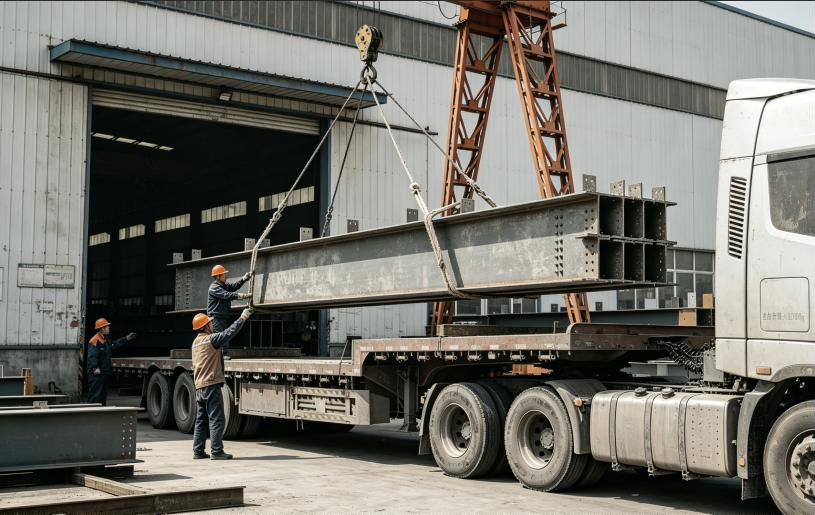
HAISHENG is a specialized domestic manufacturer and stockist of steel structure purlins, offering one-stop supply and bulk customization for steel structure cladding components. Serving as core secondary support members within steel structure envelope systems, these products are precision-rolled from national standard Q235B and Q355B steel. They effectively address common engineering issues—such as unstable panel support, surface deformation, poor corrosion resistance, and slow installation—making them ideal for bulk procurement and project integration across various industrial and public steel structure projects.
What are Steel Structure Purlins?
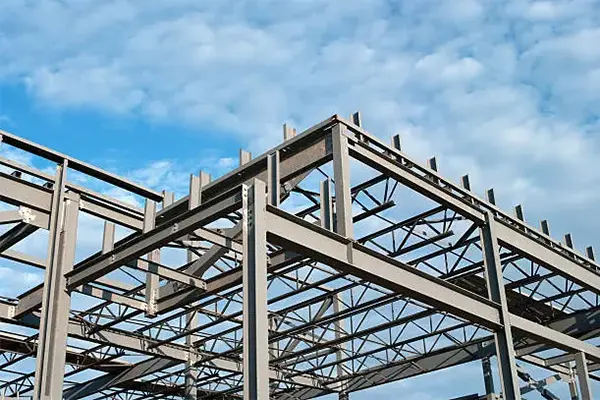
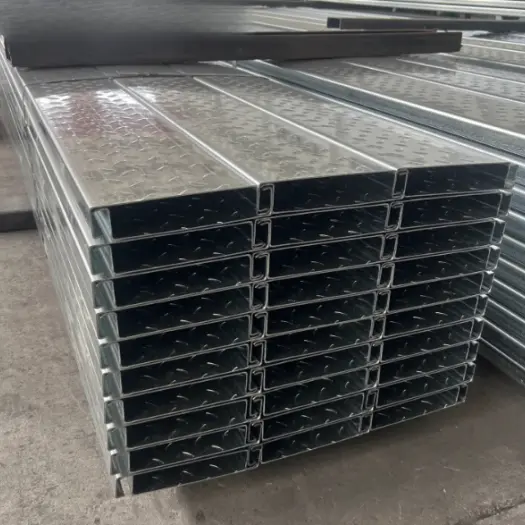
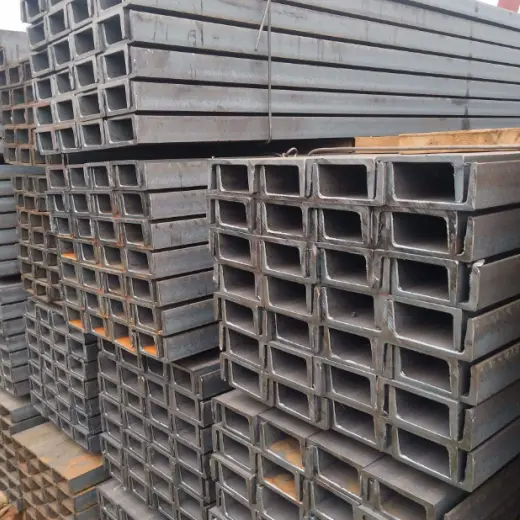
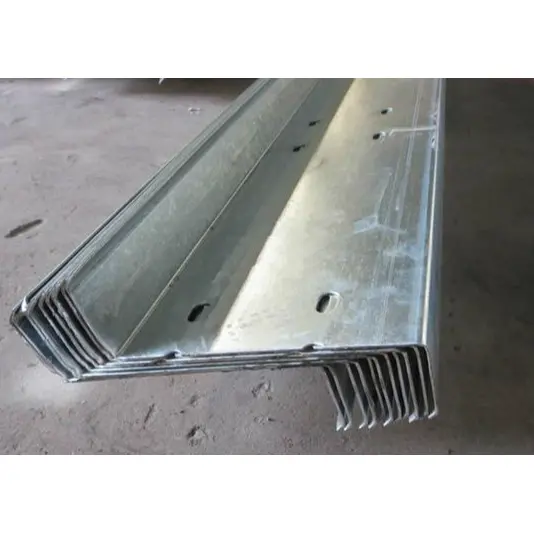
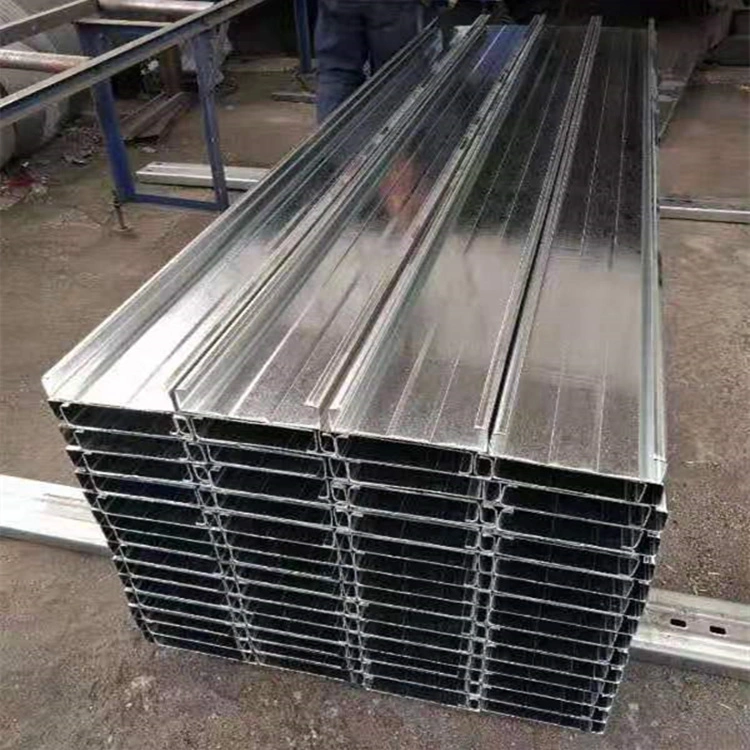
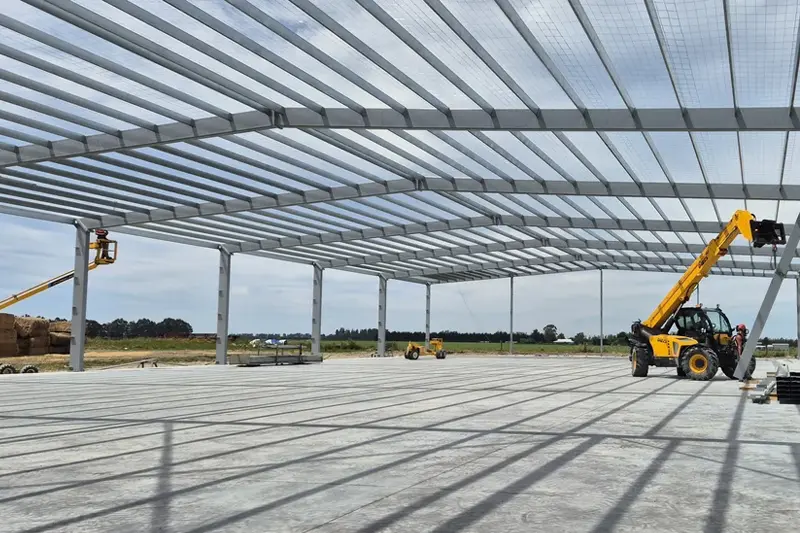
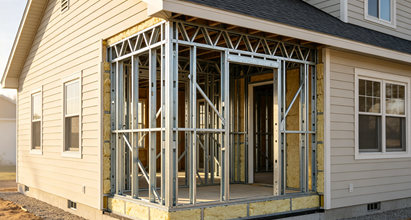
Steel Structure Purlins are core secondary load-bearing elements of a building's exterior envelope system; while distinct from the primary load-bearing structure, they are essential for supporting cladding panels and transferring loads. Manufactured from high-quality hot-rolled steel strips through cold-bending, precision punching, and shaping processes, the product range includes C-sections, Z-sections, U-sections, and custom-engineered special-shaped purlins. Installed between the primary steel beam and column framework, these components serve as the direct structural base for cladding materials—such as color-coated steel sheets and insulated sandwich panels—reliably withstanding external loads like wind, snow, and negative pressure to ensure the envelope system remains flat, secure, and structurally balanced.
Key Practical Features
1. Optimized structural cross-section for superior support stability. Featuring an optimized cold-formed thin-walled cross-section design, these components offer excellent flexural rigidity and uniform load distribution. They exhibit minimal deflection under both standard and complex cladding conditions and resist bending, sagging, or buckling over long-term use, effectively preventing roof or wall panel collapse and loosening.
2. Lightweight design reduces loads and project costs. Their low self-weight imposes no significant additional load on the primary steel frame or foundation, eliminating the need for structural reinforcement. This reduces primary steel consumption and lowers foundation construction costs, delivering outstanding overall project cost-efficiency.
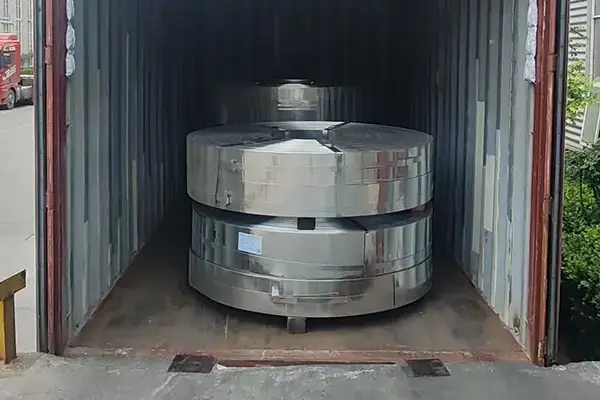
3. Advanced multi-layer anti-corrosion processing suitable for complex operating environments. Supports anti-corrosion treatments such as hot-dip galvanizing and Zinc-Aluminum-Magnesium coating; the coating is uniform with strong adhesion, offering excellent rust, aging, and corrosion resistance. It is suitable for harsh environments—including direct sun exposure, high humidity, heavy dust, and mild corrosive conditions—ensuring a longer service life.
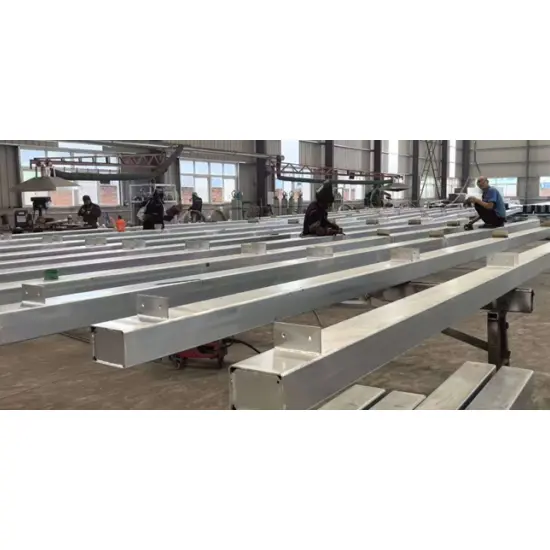
4. High dimensional precision and broad compatibility. Factory-based modular pre-fabrication and punching ensure accurate dimensions and hole positioning. Components are highly interchangeable, perfectly matching various cladding panels and main frame spacings, while also accommodating flat, steep-slope, curved, and irregular roof and wall cladding structures.
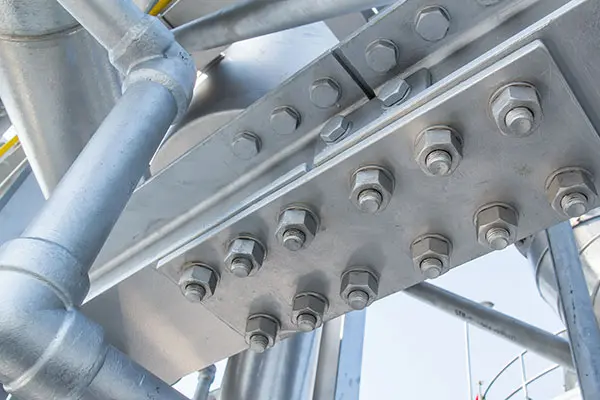
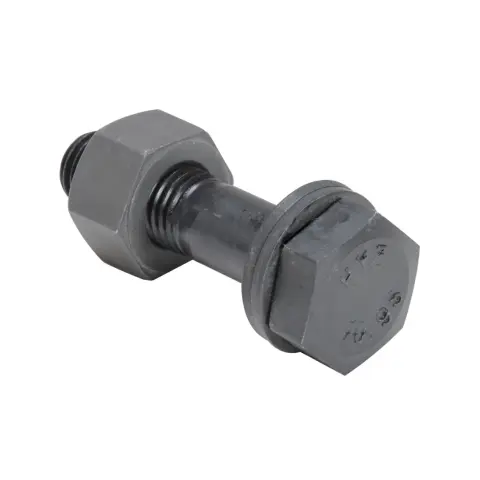
5. Dry assembly construction significantly accelerates the schedule. Components are uniformly formed and easy to hoist; on-site installation relies entirely on bolting, eliminating the need for hot work (welding) or wet curing. The process is simple and rapid, effectively shortening the overall construction period for the cladding system.
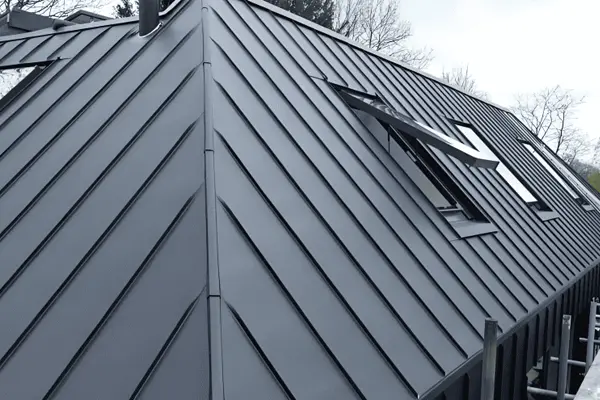
6. Neat finished appearance and high-quality facade aesthetics. Uniform component layout and balanced load distribution effectively prevent issues such as panel arching, waviness, or surface irregularities. This ensures the building's roof and walls remain flat and straight, enhancing the facade's uniformity and the quality of the final inspection.
7. Convenient maintenance and modification with lower long-term costs. Component connections are simple and clearly laid out, making routine inspections and maintenance easy. Damaged components can be replaced individually without dismantling large sections of the cladding system, accommodating future needs such as building renovation, expansion, or retrofitting.
Core Functions and Applications
Primarily used to support the dead weight of roof and wall cladding panels, insulation layers, and waterproofing layers, while resisting external environmental loads such as wind, snow, and negative pressure. It stably transfers all cladding loads to the main steel framework. It effectively secures cladding panels, constrains surface deformation, and reinforces the overall rigidity of the building envelope. When combined with sealing, insulation, and trim components, it completes the cladding system, ensuring long-term, stable performance regarding wind resistance, waterproofing, thermal insulation, and dust protection.
Versatile Engineering Applications
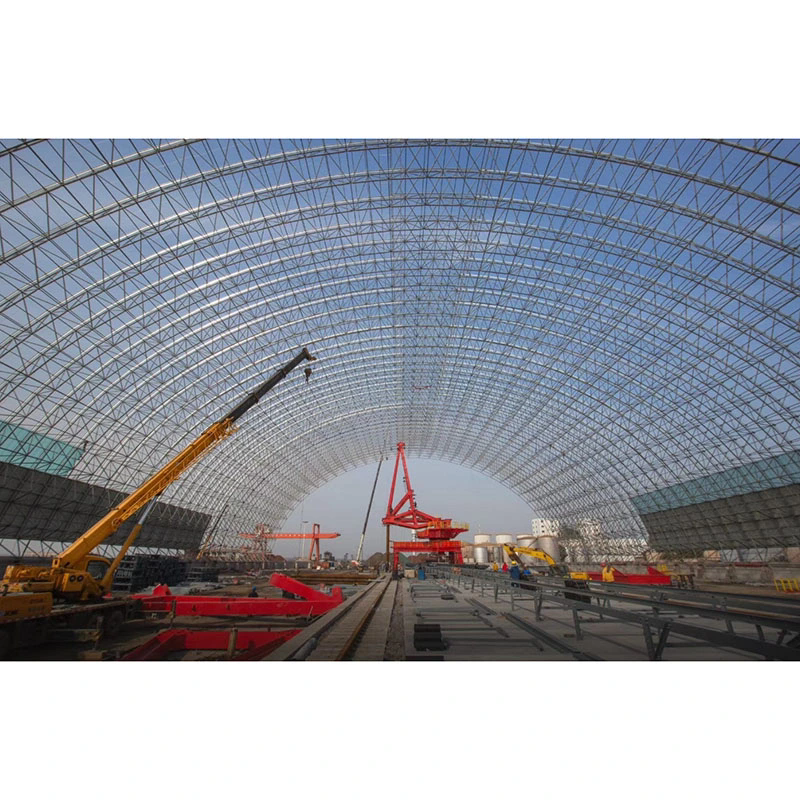
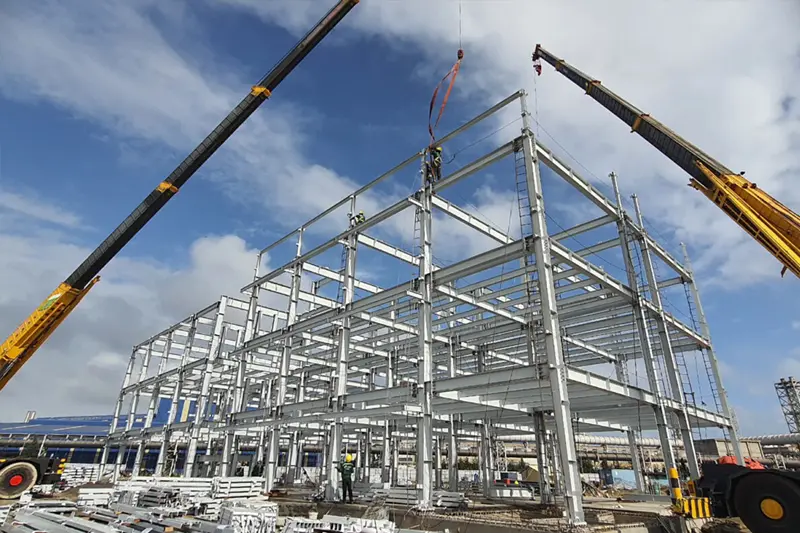
These Steel Structure Purlins are widely compatible with standard industrial plants, production workshops, logistics warehouses, and prefabricated steel buildings. They are suitable for large-span public structures such as exhibition centers, large retail complexes, and sports stadiums. Additionally, they cater to municipal steel structures, landscape enclosures, complex geometric steel designs, and outdoor cladding projects, performing reliably in diverse indoor and outdoor environments.
Distinctive Engineering Advantages
1. Superior Structural Efficiency and Material Economy: Compared to traditional supports like channel steel or square tubing, C/Z-section purlins utilize high-efficiency, thin-walled profiles. They offer lighter self-weight and reduced material consumption for the same load-bearing capacity, resulting in higher structural efficiency and tangible savings on primary material costs.
2. Enhanced Adaptability for Complex Roof Geometries: Z-section purlins feature continuous lap-joint structural integrity. They perfectly accommodate steep slopes, arcs, and curved roof profiles, effectively resolving industry issues such as poor adaptability and deformation often associated with standard structural steel sections.
3. Exceptional Corrosion Resistance and Durability: These components undergo integrated galvanization for comprehensive corrosion protection, eliminating rust-prone "dead zones." With significantly improved aging and corrosion resistance, their service life is more than double that of untreated steel supports, effectively reducing the frequency and cost of future refurbishment and maintenance.
4. High Prefabrication Precision and Low On-Site Rework: Standardized factory punching and forming eliminate the need for on-site cutting or drilling modifications. Precise alignment and uniform shaping ensure controllable construction quality; compared to on-site steel fabrication, this results in more stable schedules and lower failure rates.
5. Superior Cladding Finish Quality: Uniform rigidity and balanced load distribution effectively prevent issues like surface waviness, buckling, or sagging caused by uneven support. This significantly enhances the flatness and overall aesthetic appeal of the building facade, meeting the requirements of high-standard acceptance inspections.
6. Broad System Compatibility and Versatility. The product line features comprehensive specifications and high interchangeability; it is compatible with mainstream market cladding systems—such as profiled steel sheets and sandwich panels—and integrates seamlessly with various primary steel frameworks. Suitable for both standard and uniquely shaped architectural designs, its overall engineering adaptability far surpasses that of conventional support components of the same type.