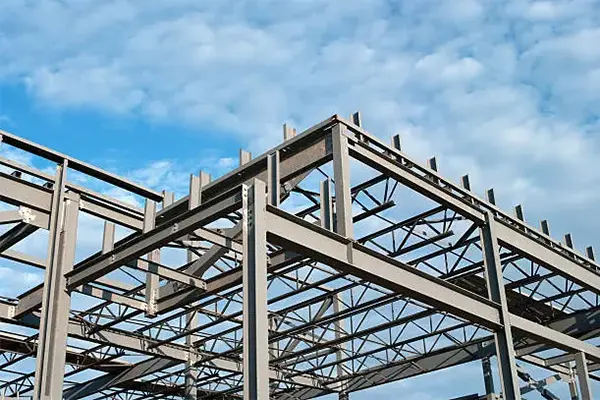
Global prefabricated steel‑structure projects keep expanding, with fast‑track construction of industrial plants, logistics warehouses, commercial complexes and high‑rise steel buildings. Most general contractors and engineering buyers focus heavily on the main steel frame, yet frequently overlook compatibility between secondary enclosure/floor components and connection hardware. Poor selection of secondary components will trigger late‑stage project hazards such as roof deformation, floor slab cracking, joint leakage and fastener corrosion. Drawing on years of export and project‑support experience for steel components, HAISHENG interprets key selection principles covering colour panels, purlins, floor decks and matching connection systems, delivering practical engineering references for overseas and domestic steel‑structure projects.
Secondary‑Component Real‑World Pain Points in Modern‑Day Projects
Reviews of completed projects show enclosure‑system failures rarely stem from insufficient main‑frame bearing capacity. Most issues arise from mismatched secondary components, panels and connecting hardware.
Parameter Mismatch Between Panels and Supporting Members
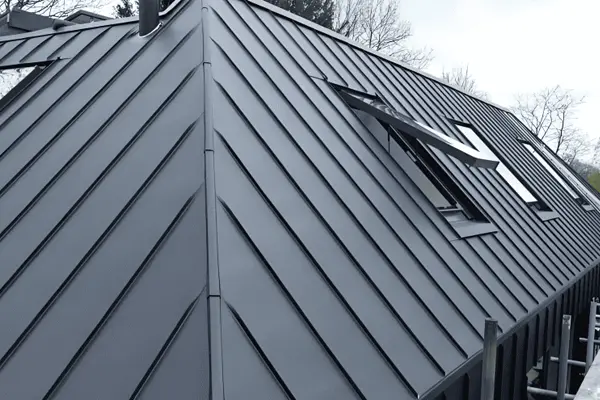
Some projects cut budgets by adopting thin‑substrate colour panels paired with small‑section purlins. Under snow or wind loads, purlin deflection exceeds allowable values, colour panels develop wavy distortion, and sealing lap joints pull apart, causing water leakage and moisture ingress. Many buyers source colour panels or purlins separately without verifying the full enclosure‑system performance, resulting in substantial later‑stage repair costs.
Inconsistent Specification and Corrosion‑Resistance Grades for Connection Hardware
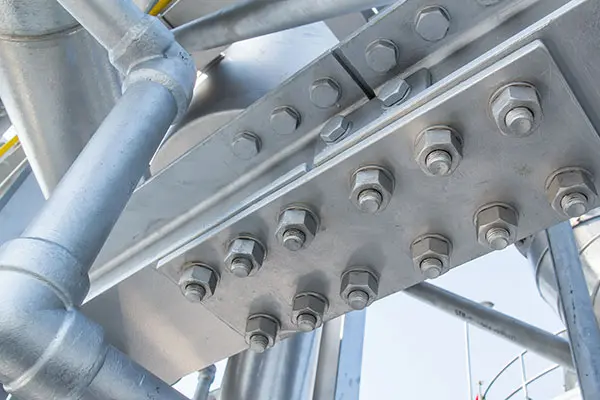
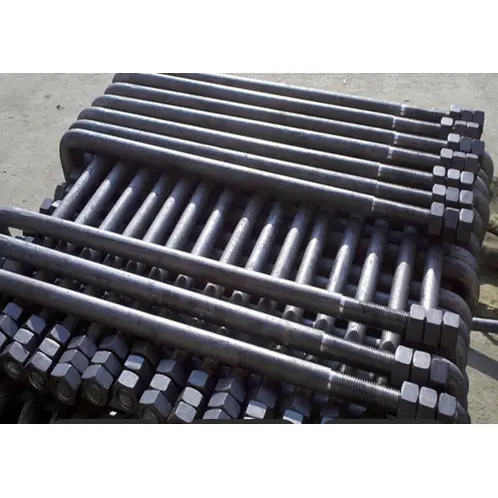
Service‑life weaknesses of enclosure systems normally appear at connection joints. When panels and purlins adopt hot‑dip galvanizing while fasteners feature low anti‑corrosion grades, bolts will corrode within several years and cause joint loosening. Structural Steel Fasteners represent invisible yet critical parts of complete enclosure assemblies. Their strength, coating and torque parameters must match substrates of purlins and colour panels; even premium panels cannot achieve their designed service life with mismatched fasteners.
Improper Overlap and Selection for Steel Floor Decks
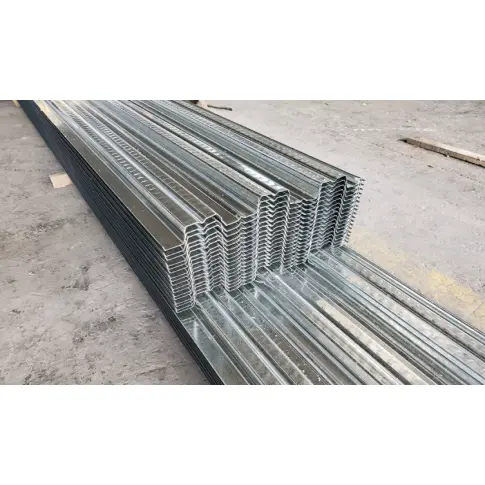
Insufficient floor‑deck overlap length or mismatched profile against steel‑beam width triggers sagging deformation during concrete pouring. Some projects blindly adopt low‑cost profiles while ignoring shear‑bond performance, greatly increasing slab‑cracking risks.
Copy‑Pasted Product Solutions for Diverse Working Conditions
Products designed for inland environments are directly deployed in coastal salt‑spray zones or dust‑rich chemical plants. Widespread corrosion occurs within 3‑5 years, driving up whole‑life‑cycle costs instead of cutting expenses.
Reference Table of Core Technical Parameters for Mainstream Steel‑Structure Secondary Components
Engineering selection relies on measurable parameters rather than product names alone. The table below lists baseline indicators for enclosure‑system components, enabling quick comparison for factories, warehouses and public‑building projects.
Component‑Selection Logic for Different Application Scenarios
Industrial Plants & Logistics Warehouses
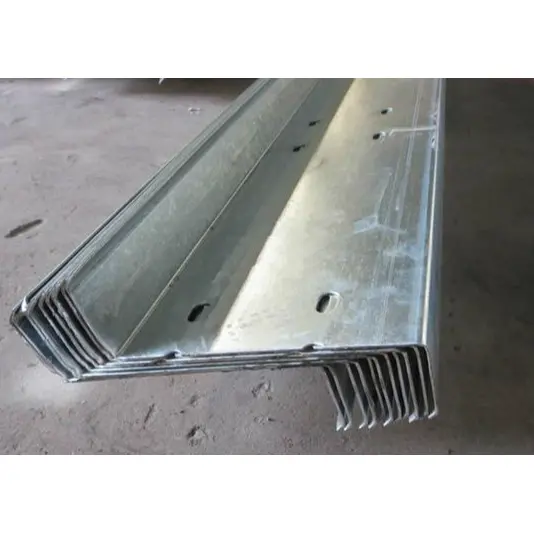
Large‑area roofs face prominent wind‑snow loads. Z‑section purlins with continuous lap joints are preferred. Substrate thickness of colour panels shall match local wind‑snow load data. For multi‑storey warehouse buildings, closed‑type or truss‑style floor decks help minimise slab deflection. Structural Steel Fasteners shall meet corresponding strength grades; ordinary civil bolts cannot replace structural‑grade fasteners. The whole secondary‑component system requires unified calculation to avoid “robust main frame yet damaged enclosure”.
Complicated floor loads in high‑rise projects put high demands on shear‑bond performance of floor decks to guarantee composite action with concrete. Exterior walls frequently feature irregular shapes, requiring custom cutting for purlins and colour panels. Anti‑corrosion closure treatment shall be implemented for all connection joints.
Coastal & Mild‑Corrosion Working Conditions
Anti‑corrosion upgrades apply not merely to panels, but also purlins and fasteners. If only panels are upgraded while purlins and Structural Steel Fasteners remain unimproved, joints will corrode first and shorten overall enclosure‑system service life.
Common Procurement Pitfalls for Engineering Projects
Comparing only unit prices while ignoring full‑system compatibility. Sourcing colour panels, purlins, floor decks and fasteners from separate suppliers often causes mismatched hole positions and lap dimensions, raising rework expenses.
Valuing main‑steel materials while neglecting inspection reports for secondary components. Material certificates and coating test reports are mandatory for secondary parts; missing documentation may block acceptance for export‑oriented projects.
Confusing temporary formwork with composite floor decks. Ordinary steel formwork serves only for pouring phases, whereas floor decks act as permanent load‑bearing members. Their cross‑section and galvanizing standards differ and cannot substitute each other.
Overlooking installation accessories. Premium components still suffer roof‑wall leakage without matching edge trims, sealants and water‑stop plugs.
Industry Trend: Secondary Components Move toward Complete‑Set Supply
Procurement habits for overseas steel‑structure projects have transformed in recent years. Previously many overseas general contractors sourced individual parts separately. Nowadays an increasing number of engineering clients prefer suppliers delivering full secondary‑enclosure packages integrating colour panels, purlins, floor decks and matched accessories, lowering compatibility risks brought by multi‑vendor coordination.
Field feedback shows complete‑set supply reduces on‑site installation errors and facilitates batch‑traceable material and inspection documents, better satisfying acceptance requirements for overseas projects. As a Chinese steel‑component manufacturer, HAISHENG’s product portfolio covers steel roofing panels, steel purlins and steel floor decks for enclosure secondary systems. It provides parameter‑checking and selection guidance for global engineering customers, helping buyers avoid selection‑related risks from a practical construction perspective instead of enforcing large‑volume order commitments.
Conclusion: Enclosure‑System Reliance Depends on Matched Assemblies Rather Than Isolated‑Component Quality
Steel‑structure enclosure systems represent interconnected assemblies. Panels, supporting secondary members, floor components and connection fasteners interact with one another. Even high‑performance single components will incur hidden risks such as leakage, deformation and corrosion if supporting parts mismatch.
When making selections, engineers and purchasers shall verify not only single‑item parameters but also base‑material grades, anti‑corrosion schemes and load calculation for the whole system, including specification confirmation for Structural Steel Fasteners. Reasonable configuration reduces rework and maintenance and improves whole‑building life‑cycle value.
We use cookies to offer you a better browsing experience, analyze site traffic and personalize content. By using this site, you agree to our use of cookies.Privacy Policy