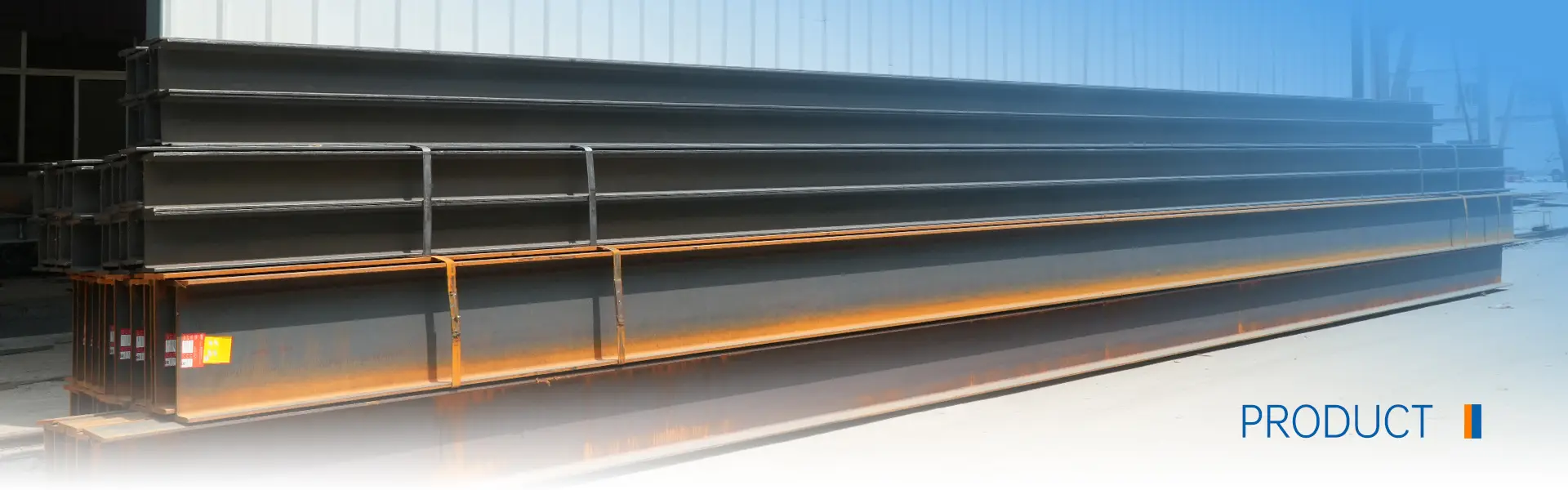
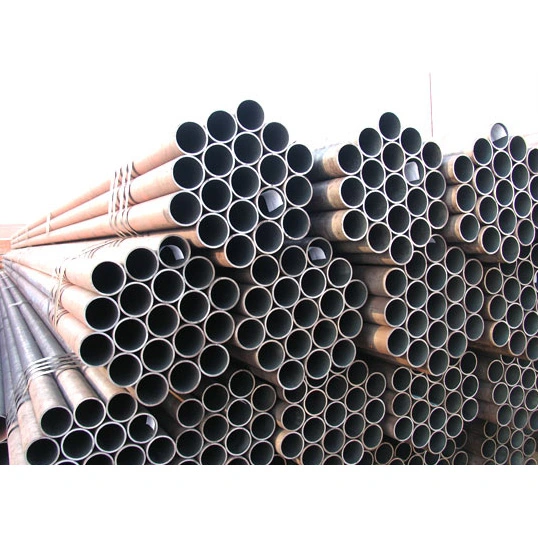
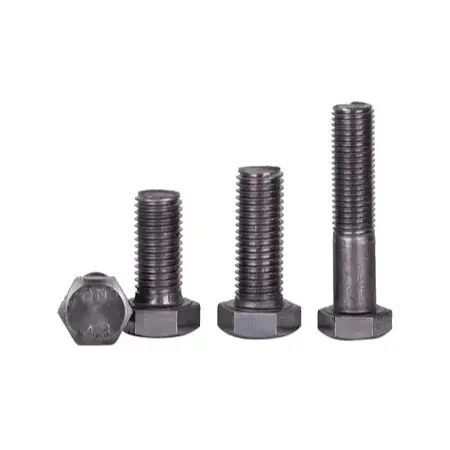
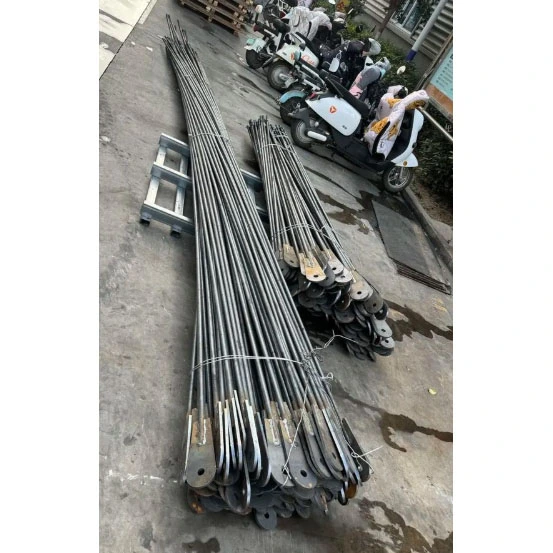
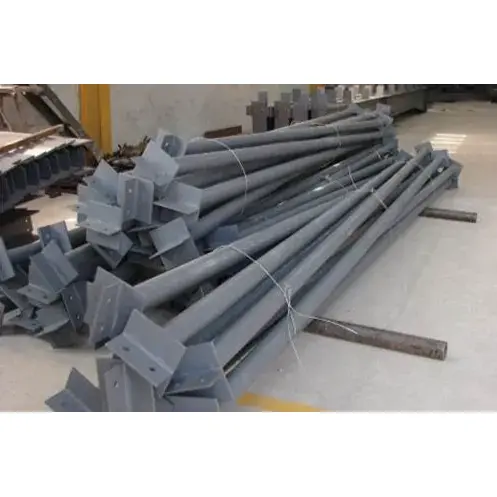
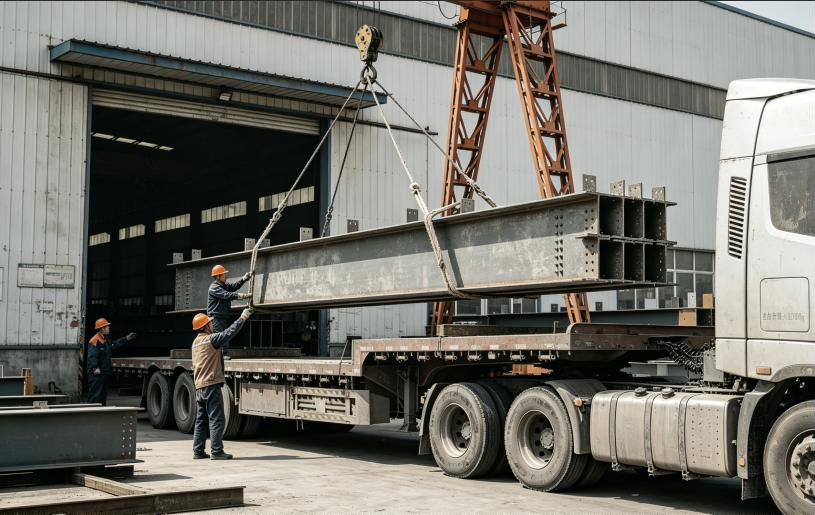
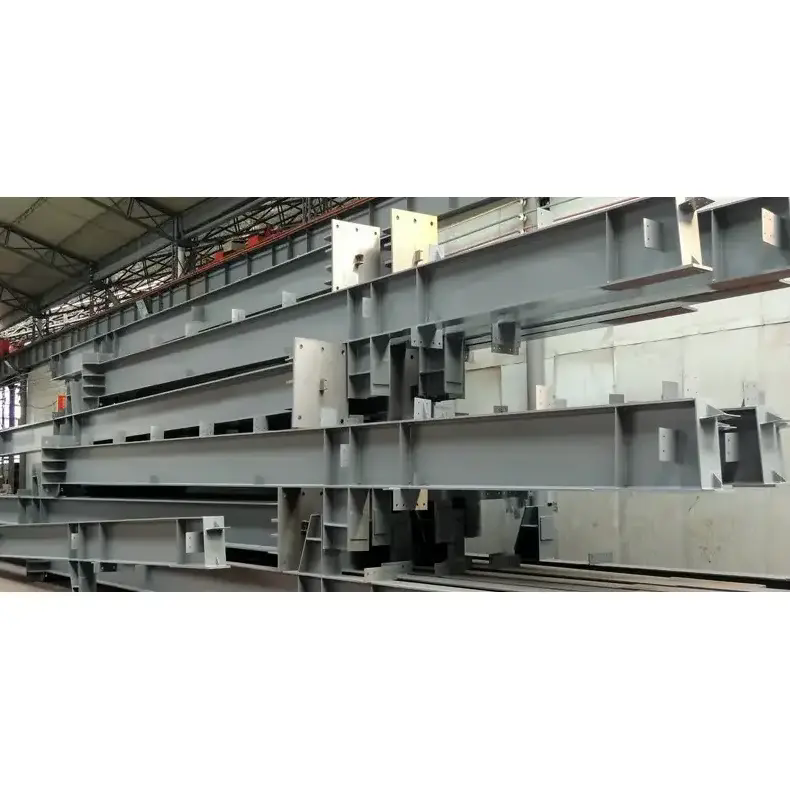
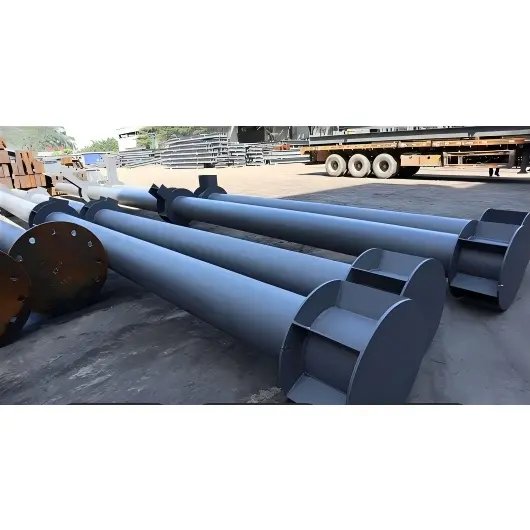
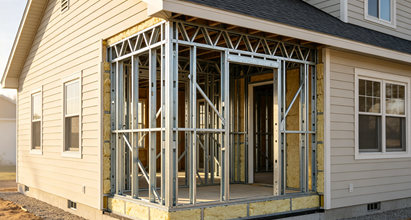
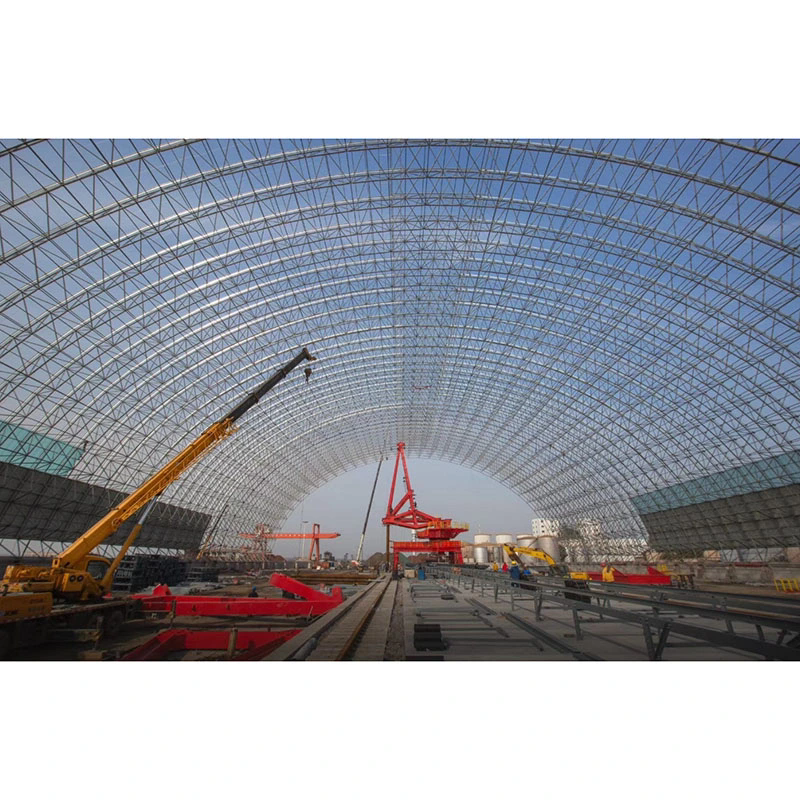
HAISHENG is a reliable China-based structural steel manufacturer and one-stop project supplier, providing standardized and customized Steel Structure Support for all types of steel construction projects. Fabricated from premium Q235B and Q355B structural steel, our structural bracing products serve as the core lateral force-resisting components of steel buildings. With clear force transmission, high rigidity and easy installation, our steel bracing systems effectively stabilize main frame structures and are widely purchased for industrial plants, public venues, high-rise buildings and irregular landmark steel projects worldwide.
What is the product?
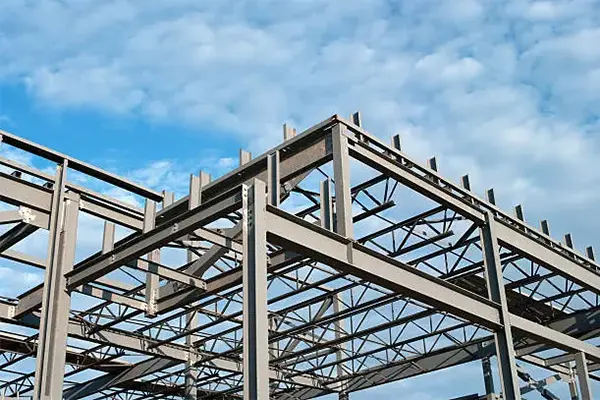
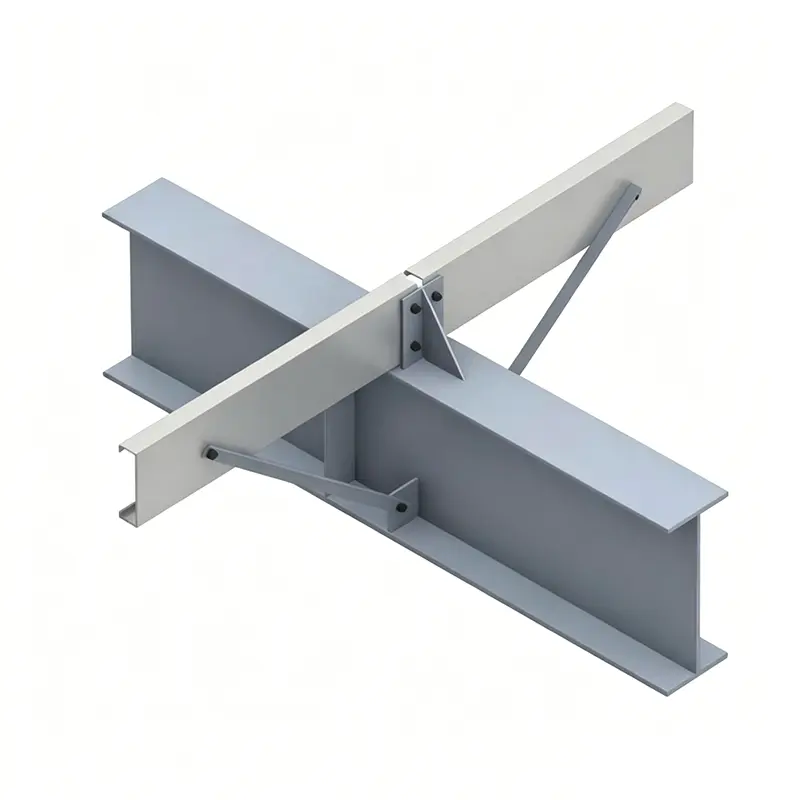
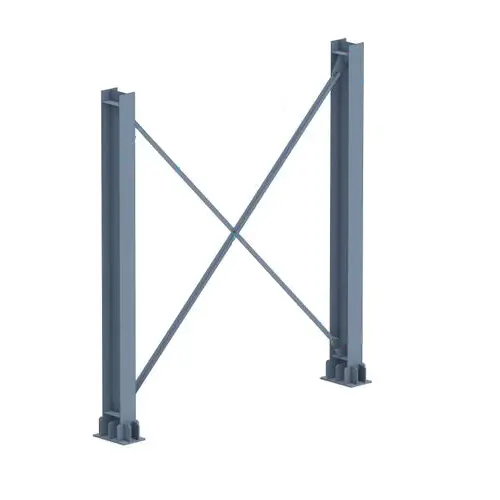
Steel Structure Supports are core auxiliary structural components in steel buildings designed to resist lateral forces and enhance overall rigidity; they are integral parts of the building's permanent load-bearing system rather than simple accessories. The product range includes standard components such as inter-column bracing, horizontal bracing, tie rods, and knee braces, all precision-manufactured using national standard Q235B and Q355B steels. Installed between the main steel column and beam framework, these components specifically receive, transmit, and distribute horizontal dynamic loads—such as wind and seismic forces—while restraining lateral sway, torsion, and oscillation. They address industry challenges regarding excessive flexibility and insufficient stability in pure steel frames, serving as a critical structural system that ensures the building's overall stability and resistance to overturning and deformation.
Key Product Features
1. High lateral stiffness and superior seismic/wind resistance. The supports provide a clear, controllable load-transfer path, efficiently resisting horizontal wind-induced vibrations and cyclic seismic loads. They significantly reduce inter-story drift, structural torsion, and frame oscillation, thereby greatly enhancing the building's overall rigidity and safety margin.
2. Load sharing and optimized stress distribution. By specifically bearing horizontal shear forces and dynamic alternating loads, they effectively alleviate stress on steel beams and columns, prevent local stress concentrations, protect the main framework, and extend the structure's service life.
3. Outstanding resistance to instability and high structural stability. They effectively restrain buckling deformation and lateral displacement in long-span and high-rise steel frames, eliminating risks of structural instability or overturning under dynamic loads and strengthening the building's overall resistance to deformation.
4. Lightweight design with minimal additional load. Featuring scientifically optimized cross-sections and low self-weight, these components significantly improve structural safety without imposing extra burdens on the main framework or foundation, offering excellent structural cost-efficiency.
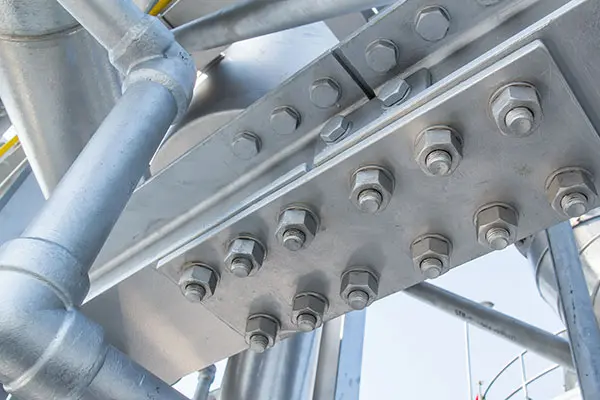
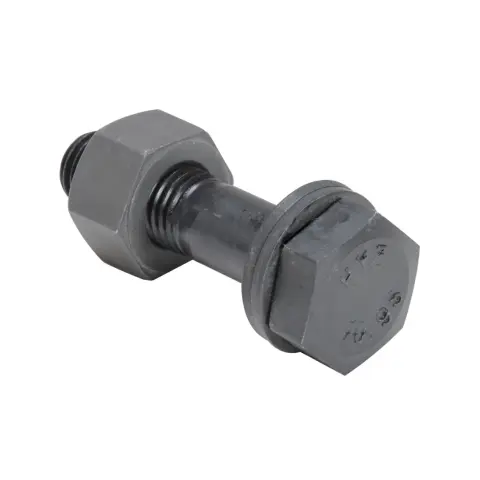
5. High degree of standardization and efficient construction. All components are precision-prefabricated in the factory with uniform specifications and high interchangeability. On-site installation primarily involves bolting or precision welding; this "dry construction" method eliminates complex procedures and drastically shortens the main structure's construction cycle.
6. Flexible layout adaptable to various structural forms. Offers a comprehensive range of support types with customizable angles; layouts can be flexibly arranged based on building span, floor height, and spatial geometry, making them suitable for standard frames, large-span venues, high-rise steel structures, and complex curved buildings.
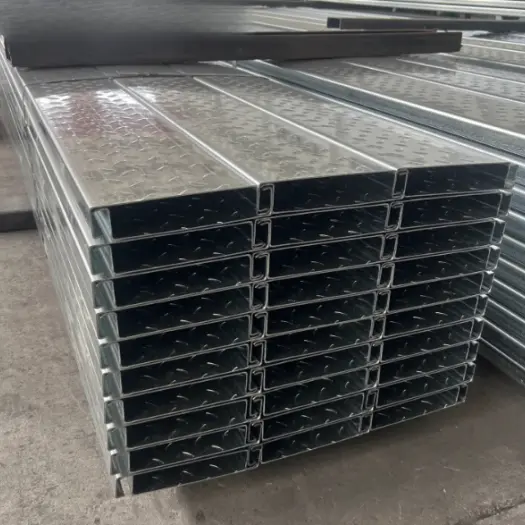
7. Weather-resistant and durable with low maintenance costs. Compatible with finishes such as hot-dip galvanizing, anti-corrosion coatings, and fire-resistant coatings, effectively withstanding harsh conditions including direct sun exposure, high humidity, coastal salt spray, and heavy dust; facilitates easy inspection, tightening, and localized replacement without requiring extensive dismantling or modification of the main structure.
Usage & Application
Core Purpose:
The primary function of steel structure supports is to establish a complete lateral-force-resisting system for the building, compensating for the inherent flexibility of pure steel frame structures. They serve to transfer and balance horizontal loads, constrain lateral frame displacement, and suppress structural sway and twisting. This enhances seismic and wind resistance, stabilizes critical joints in large-span, high-rise, and complex structures, and ensures long-term safety, stability, and dimensional integrity under dynamic loads.
Wide Range of Applications:
1. Industrial Steel Structures: Standard factories, warehouses, logistics parks, steel structures for heavy-duty industrial equipment, and large-span prefabricated industrial buildings.
2. Large-Span Public Buildings: Column-free, large-space steel structures such as exhibition centers, sports venues, high-speed railway stations, airport terminals, and large shopping complexes.
3. High-Rise and Commercial Buildings: Steel-structured office buildings, apartments, hotels, and commercial complexes; reinforcement and strengthening of high-rise frame structures.
4. Municipal and Landscape Projects: Municipal pedestrian bridges, bus shelters, landscape pergolas, and unique urban landmark steel structures.
5. Projects in Complex Environments: Steel structures designed for harsh service conditions, including coastal areas (salt spray), chemical plants (high corrosion), and locations with high humidity or heavy dust.
Differentiated Advantages
1. More precise load distribution, resolving common issues associated with pure frame structures. Unlike unsupported pure frame structures—which suffer from significant wind-induced vibration, excessive lateral drift, and weak seismic resistance—HAISHENG’s engineering-grade steel supports create a systematic lateral-force-resisting system. They specifically absorb and transfer horizontal loads, resulting in a higher seismic fortification rating and structural stability far superior to simple member reinforcement.
2. Optimized material usage reduces overall project costs. By using the support system to bear the majority of horizontal loads, beam and column cross-sections can be reasonably reduced. This effectively saves on primary steel consumption while fully complying with structural codes, offering greater cost-efficiency than traditional methods like thickening beams/columns or adding shear walls.
3. Permanent structural load-bearing capacity, distinct from temporary supports. While common reinforcement members on the market have low load-bearing capacities and are suitable only for temporary assistance, our steel supports are permanent structural components. They withstand long-term cyclic dynamic loads without loosening, fatigue, or deformation, meeting the rigorous safety and service standards required for key projects.
4. High space utilization; adaptable to irregular architectural forms. Unlike concrete shear walls or masonry supports—which are bulky, obstruct space, and cannot adapt to irregular shapes—our steel structure supports are lightweight and unobtrusive. They can be customized with specific angles and curvatures, preserving usable floor space and natural lighting, making them ideal for modern irregular landmarks and large-span curved architectural designs.
5. Fully dry assembly with significant schedule advantages. This method eliminates the lengthy cycles associated with traditional wet masonry and concrete curing. Components are prefabricated in the factory and rapidly assembled on-site; construction is unaffected by weather, generates no debris, ensures uniform quality, and boasts a high inspection pass rate.
6. Green and recyclable; superior cost-performance over the full lifecycle. Components are detachable and reusable, aligning with low-carbon prefabricated building standards. Future modifications, reinforcements, or layout adjustments require no destructive demolition—maintenance and upgrades can be achieved through partial replacement, resulting in lower long-term comprehensive costs.
FAQ
Q1: Is the steel structure support considered part of the primary load-bearing structure?
A: It serves as a secondary structural component; while it does not bear primary vertical loads, its core function is to provide lateral, seismic, and wind resistance and to constrain frame deformation, making it an indispensable, permanent stabilizing element in steel structures.
Q2: How should one choose between Q235B and Q355B steel braces?
A: Q235B is the cost-effective choice for standard industrial plants, low-rise buildings, and general enclosure reinforcement. High-strength Q355B braces are preferred for large-span venues, high-rise buildings, projects requiring high seismic resistance, and coastal areas with high wind loads, as they offer superior stability.
Q3: Can steel braces be used as a substitute for shear walls?
A: Yes, they can fully replace traditional concrete shear walls within steel structural systems. They offer lighter self-weight, higher space utilization, and faster construction, representing a mainstream lateral-force-resisting solution for modern prefabricated steel structures.
Q4: What protective treatments are required for outdoor coastal environments?
A: For open-air or coastal environments exposed to salt spray, hot-dip galvanizing or heavy-duty anti-corrosion coating is recommended. These treatments effectively prevent rust and corrosion, avert fatigue failure at connection points, and significantly extend the structure's service life.
Q5: Can steel braces be customized for non-standard angles?
A: Yes, full customization is available. They can be fabricated to suit irregular architectural designs, curved structures, and specific connection angles, meeting the construction requirements of various unconventional steel structure projects.
Q6: How do steel braces impact the overall project cost?
A: A well-designed bracing system optimizes the overall load distribution, allowing for a rational reduction in the cross-sections of primary beams and columns. This effectively lowers total steel costs while maintaining safety and compliance, making it a key solution for cost reduction and efficiency improvement in large-span steel structures.