Tianjin Haisheng Steel Structure Co., Ltd.
Products
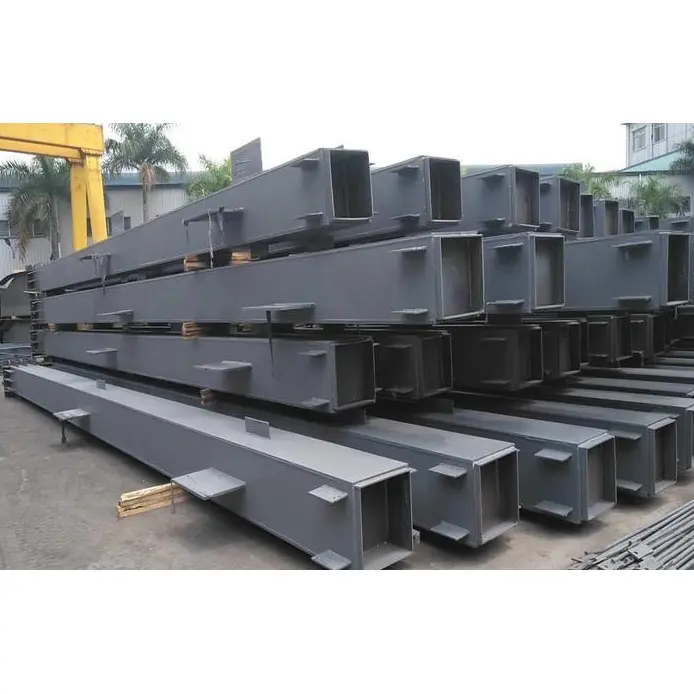
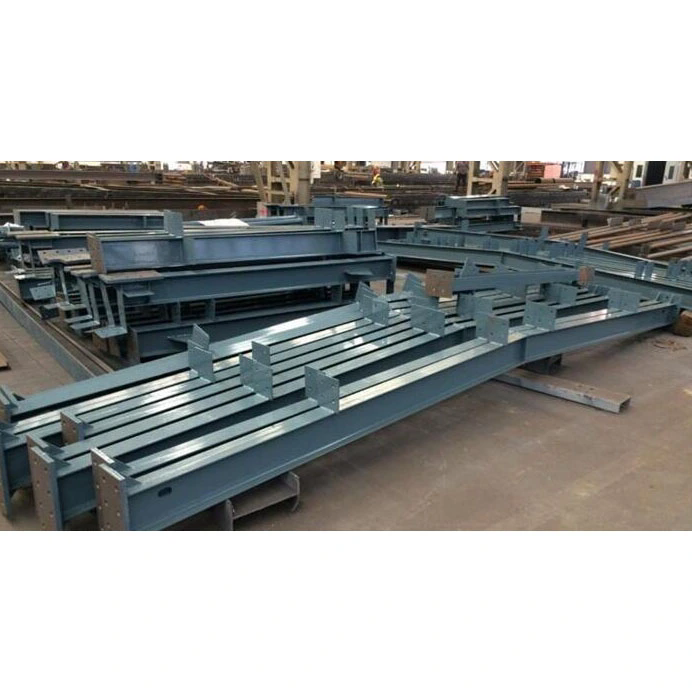
Horizontal Structural Steel Bracing System
  • Horizontal Structural Steel Bracing SystemHorizontal Structural Steel Bracing System

Horizontal Structural Steel Bracing System

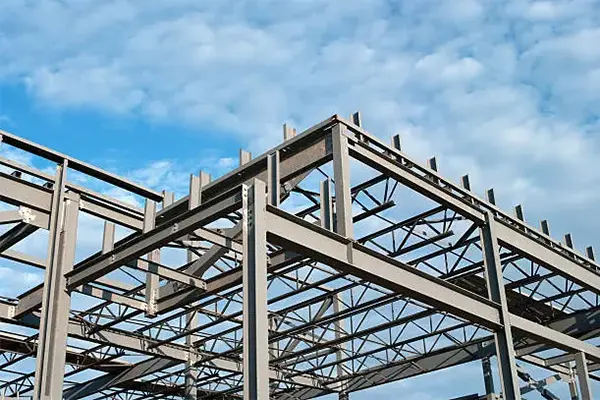
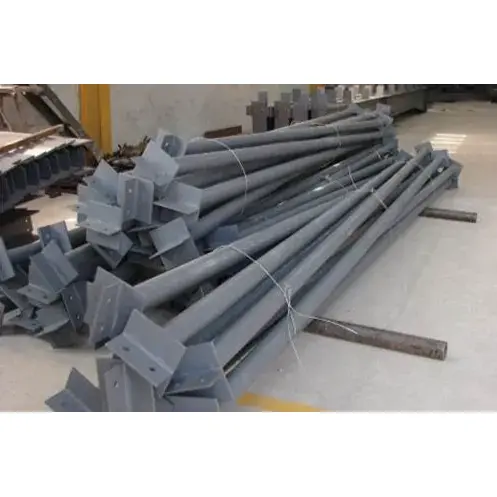
HAISHENG is a professional manufacturer and supplier of horizontal structural steel bracing systems. These systems serve as lateral stabilization components specifically designed for steel roof and floor structures. Typically fabricated from circular hollow sections (CHS), angle steel, or channel steel, they are arranged in a cross or linear pattern between roof beams and floor frames to form a planar truss system. This configuration effectively transfers horizontal wind and seismic loads, limits horizontal displacement, maintains frame spacing, and significantly enhances the overall rigidity, stability, and sway resistance of the steel roof and floor planes.

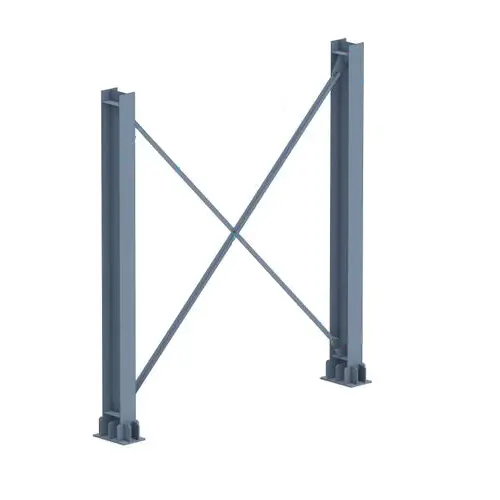
Installed within the plane of the roof beam's top or bottom flange in an "X" (cross) configuration, Horizontal Structural Steel Bracing Systems are critical for the spatial stability of industrial buildings. They function primarily in tension rather than compression and work in conjunction with tie rods and knee braces to form the roof's lateral resistance system.

1. Product Functions

Transfers wind loads from gable walls and horizontal seismic forces to the tie rods at the column tops, subsequently channeling them down to the inter-column bracing and into the foundation; restrains the lateral displacement of roof steel beams, preventing overall lateral tipping or instability of the roof structure.

2. Common Materials

1). Standard applications: Equal-leg angle steel (L50×5, L63×5, L70×6);

2). Long-span, heavy-load, or seismic-resistant facilities: Small-diameter circular hollow sections (CHS); standard material is Q235B, with Q355B used for heavy-load applications.

3. Installation Locations

Installed in the end bays of the roof and the bays flanking expansion joints to create a rigid structural diaphragm.

Horizontal Structural Steel Bracing System

Standard Factory-Supplied Configuration

1. Main Bracing Components

Cross-bracing members (angle steel or CHS) supplied as individually fabricated units; a pair of diagonally crossing members within a single bay constitutes one complete horizontal bracing set.

2. End Connection Accessories

1. End connection plates: 8–14mm steel plates factory-welded to both ends of the bracing member, featuring pre-drilled bolt holes for bolting to the steel beam flanges;

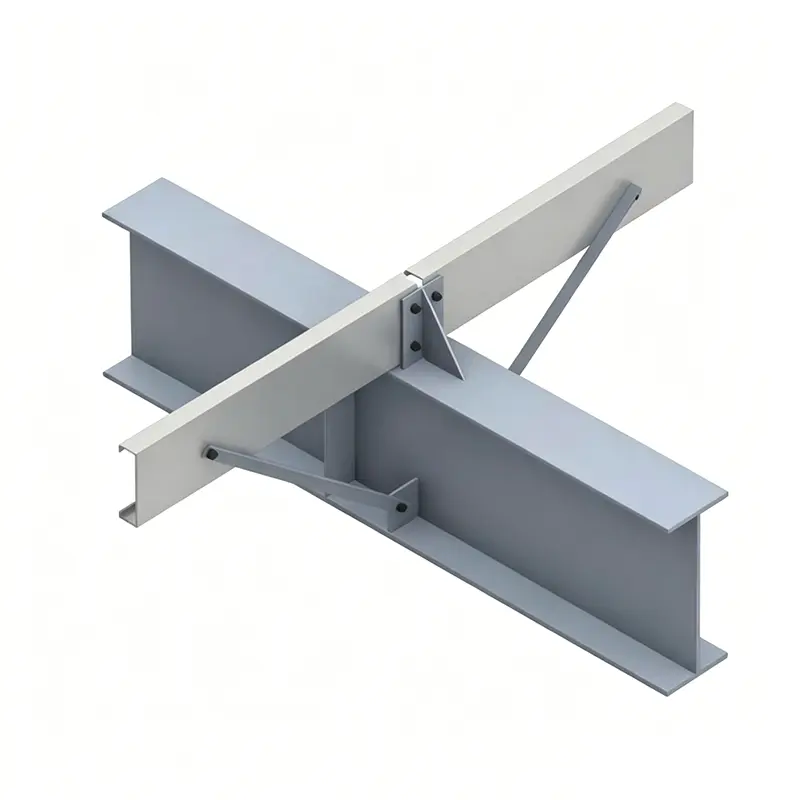
2. Central cross-splice plate: A shared splice plate at the intersection point of the "X" configuration, where the two diagonal braces overlap and are secured. 

3. Matching Fasteners

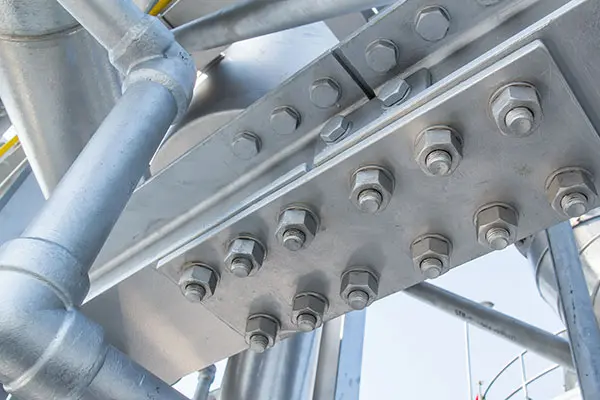
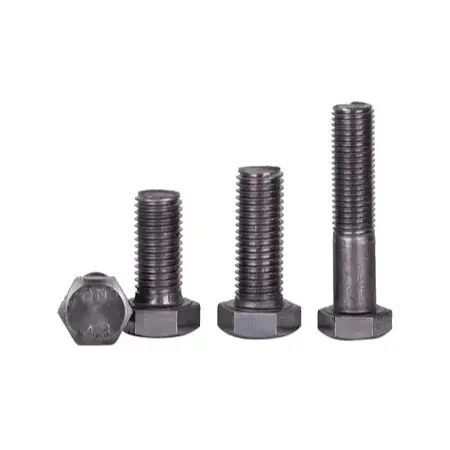
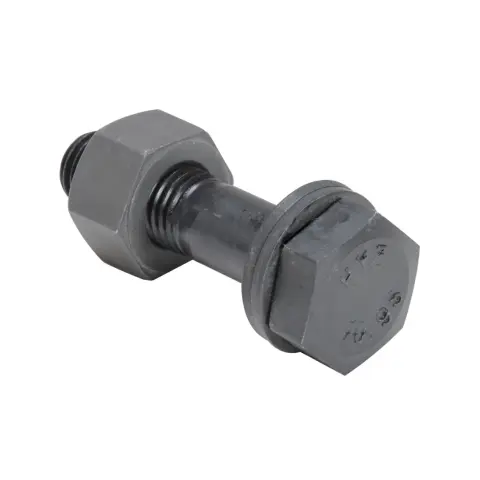
Standard Grade 4.8 bolts (M16/M20) for general use; Grade 8.8 high-strength bolts (with flat washers and spring washers) for seismic-resistant structures or facilities housing overhead cranes.

4. Corrosion Protection Specifications

1). Standard: St3 manual surface preparation + primer and topcoat (dry film thickness: 60–90 μm);

2). Corrosive industrial areas / Coastal regions: Full hot-dip galvanizing.

5. Fire Protection Specifications

Application of 0.5-hour rated thin-film intumescent fire-retardant coating within designated fire compartments; anti-corrosion treatment only for areas without fire protection requirements.


Standard Complete Solutions for Horizontal Structural Steel Bracing Systems

1. Conventional Angle Steel Horizontal Bracing: Angle steel main member + end connection plates + intermediate splice plates + anti-corrosion treatment + matching bolts

2. Heavy-duty Circular Hollow Section (CHS) Horizontal Bracing: CHS member + thickened end plates + cruciform gusset plates + high-strength bolts

3. Simplified Light-duty Bracing: Slender angle steel, no thickened stiffeners; typically used for small light-steel industrial buildings

Product Integration

Horizontal bracing (transverse wind resistance) + tie rods (longitudinal tension connection) + knee braces (lateral restraint for beams) form an integrated, stable roof bracing system. Key Advantages

1. Effectively counteracts horizontal forces, providing robust wind and seismic resistance while preventing overall roof swaying or shifting.

2. Tightens the spacing between frame components, preventing misalignment or deformation of steel beams and purlins.

3. Features a simple structural design with flexible installation layouts, facilitating convenient construction.

4. Made from robust, high-tensile material that resists loosening or deformation over long-term use.

5. Undergoes comprehensive anti-corrosion treatment, ensuring high durability for outdoor or exposed industrial facilities.

6. Highly compatible; perfectly integrates with complete steel structural systems, such as portal rigid frames and long-span industrial buildings.


Distinctive Highlights of Roof Horizontal Bracing

I. Unique Structural Performance Advantages

1. The horizontal structural steel bracing system utilizes an X-shaped cross-configuration specifically designed to transmit lateral horizontal forces. It operates under unidirectional loading—acting only in tension and not compression—resulting in a short load path and high overall rigidity. In contrast, tie rods are longitudinal axial members that limit longitudinal movement but cannot resist lateral forces; knee braces and sag rods only provide local restraint for purlins and steel beams and cannot bear the building's overall horizontal loads.

2. It creates a rigid roof diaphragm by concentrating the bracing within specific bays, effectively linking individual rigid frames into a unified, rigid roof structure. Wind loads from the gable ends are rapidly transmitted via the bracing and tie rods down to the columns and foundations. It serves as a core component for preventing lateral roof instability—a capability that other accessories lack.

II. Material Selection and Cost Highlights

1. The primary material is typically equal-leg angle steel, which is readily available and cost-effective. Angle steel is a standard market commodity that is easy to cut and weld; compared to round-tube tie rods or load-bearing steel beams, it uses less material, keeping costs manageable for large-scale installations. Conversely, custom box girders or H-beam components entail high costs and are unsuitable for mass use as bracing.

2. Material selection is graded according to specific needs: standard angle steel is used for ordinary light-steel industrial buildings, while smaller round-tube bracing is employed for long-span, seismic-resistant, or crane-equipped facilities. This allows for flexible load matching and prevents material waste. 

III. Construction and Installation Highlights

1. Split prefabrication and on-site bolting; no on-site welding required for standard members. Factory-prefabricated members feature end connection plates for rapid on-site bolted assembly at cruciform joints; however, some tension members require on-site drilling and welding, resulting in lower construction efficiency.

2. Modular, standardized component sets. Single-span bracing sets are mass-produced with uniform hole diameters and interchangeable bolts, facilitating inventory stocking and on-site replacement or maintenance.

IV. System Configuration and Differentiation

1. Lateral stability relies on horizontal bracing, while longitudinal stability relies on rigid tie rods; the two functions complement each other and are indispensable:

Horizontal Bracing: Provides lateral wind and seismic resistance; installed in specific bays.

Longitudinal Tie Rods: Provide continuous longitudinal tying; distributed throughout the structure. Eave braces and sag rods are minor components associated with the building envelope and do not participate in the primary lateral force-resisting system.

1. Restrains out-of-plane buckling of steel beams, significantly reducing the effective out-of-plane length for calculations; optimizes main beam cross-sections and saves steel.

V. Anti-Corrosion Advantages

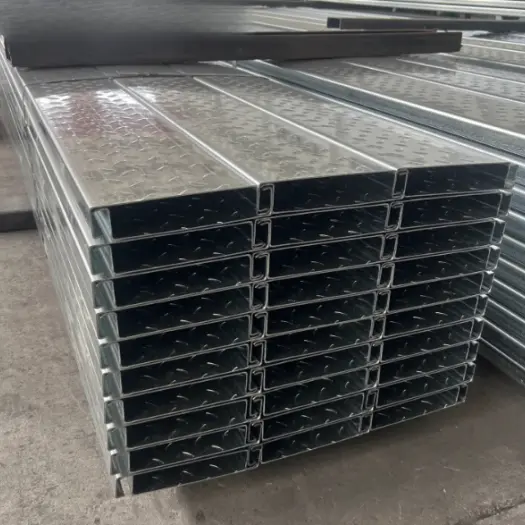
Angle steel members have a regular shape, making rust removal, painting, and hot-dip galvanizing convenient. Compared to open-profile channel steel, there are fewer inaccessible corners, allowing for more thorough anti-corrosion treatment.

VI. Product Positioning and Distinction

1. Horizontal Bracing: Lateral resistance; X-shaped layout in specific bays; primary structural stability component.

2. Tie Rods: Longitudinal tying; continuous layout; capable of resisting both tension and compression.

3. Eave Braces / Sag Rods: Local reinforcement for purlins and minor beams; envelope structural components.


Standard Fabrication Process

1. Raw Material Acceptance

Main material: Q235B round steel. Verify material quality certificates; inspect for bending, cracks, and corrosion (straighten if bending exceeds tolerances); inspect accessory steel plates (lug plates) upon entry to storage.

2. Cutting to Length

Cut round steel to drawing specifications using an abrasive saw or CNC saw; grind cut ends smooth and remove burrs. 

3. End Processing (Two Common Methods)

Option ① Threading (On-site bolted connection)

Roll-thread external threads onto both ends of the round steel bar; thread length must accommodate the nut and backing plate assembly allowance; apply temporary protection to threads to prevent damage.

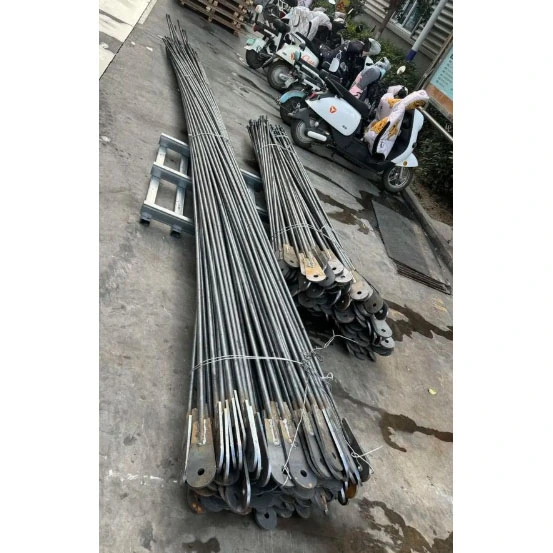
Option ② Welded Lug Plate (Bolted beam-to-column connection)

Weld connection plates/lugs onto both ends of the round steel bar; use a jig for alignment and tack-weld for positioning.

4. Welding Process (Lug plate type)

Full circumferential CO₂ gas-shielded welding; Grade II fillet welds; visual inspection; sampling for flaw detection on critical projects.

5. Hole Making (Lug plate components)

CNC drilling of connection plates (hole diameters matched for M16/M20 bolts).

6. Straightening and Grinding

Straighten members to correct welding-induced bending; grind off weld spatter and burrs.

7. Anti-corrosion Treatment

Standard: St3 rust removal → primer + topcoat; dry film thickness 60–90 μm;

Humid plant areas: Hot-dip galvanizing of the entire assembly.

8. Packaging

Package with matching nuts, flat washers, and spring washers; label sets and store.


Standard Fabrication Process for Horizontal Structural Steel Bracing System (X-type Angle Steel)

1. Raw Material Inspection

1. Main material: Equal-leg angle steel (Q235B/Q355B); verify material certificates; inspect for bending, twisting, or deformation (straighten if limits are exceeded);

2. Re-inspect appearance of matching steel connection plates.

2. CNC Sawing/Cutting

Cut angle steel to specified lengths per drawings; grind burrs from cut ends; separate layout for long and short members of the cross-brace assembly.

3. Connection Plate Cutting

CNC cutting of end connection plates and central cross-splice cover plates.

4. Assembly and Tack Welding

Position using a jig; center and tightly fit connection plates to both ends of the angle steel; tack-weld to secure; pre-assemble and position the lap plate at the central intersection point.

5. Gas-shielded Welding

Full CO₂ welding of seams between connection plates and angle steel; standard Grade II fillet welds; visual inspection; limited sampling for flaw detection on critical projects. 

6. CNC Drilling of Bolt Holes

Standardized drilling of connection plates (typically M16 or M20) to ensure precision in hole spacing and edge distances.

7. Correction and Grinding

Correction of warping or deformation caused by welding; grinding off weld slag and spatter.

8. Anti-corrosion Treatment

·Standard: St3 manual rust removal → primer + topcoat (dry film thickness: 60–90 μm);

·Coastal/Corrosive environments: Hot-dip galvanizing of the entire component.

9. Numbering, Packaging, and Warehousing

Component numbers marked by span and assembly set; issued with a matching parts list.


Core Performance Parameters for Horizontal Steel Structural Bracing (Angle Steel, Round Steel, and Circular Hollow Sections)

I. Geometric Specifications

1. Angle Steel Horizontal Bracing (Predominantly rigid tension members)

Common equal-leg angles: L50×5, L63×5, L70×6, L80×6; end connection plate thickness: 8–14 mm; bolt holes: M16, M20; single member length: 3–9 m; member straightness: ≤L/1000.

2. Round Steel Flexible Bracing

Diameter: Φ12–Φ22; threaded ends (40–60 mm) or welded lug plates (8–12 mm); used only for tension bracing in lightweight roofing.

3. Circular Hollow Section (CHS) Heavy-duty Horizontal Bracing

Common sizes: φ89×3, φ114×3.0, φ114×3.5; end plate thickness: 10–16 mm.

II. Base Material Mechanical Properties

Material Grade

Yield Strength

Tensile Strength

Application Scenarios

Q235B

≥235MPa

375~500MPa

Horizontal bracing for conventional workshops

Q355B

≥355MPa

470~630MPa

Large-span workshops, crane workshops and seismic areas

III. Structural Performance

1. Angle Steel / Round Steel Bracing: Tension-only members (cannot resist compression; buckling failure occurs under compression); arranged in an X-pattern; under load, the single diagonal member acts in tension.

2. Circular Hollow Section Bracing: Resists both tension and compression; stable in both directions; used in high-seismic zones and heavy-duty industrial facilities.

3. Function: Transfers gable wind loads and horizontal seismic forces; restrains out-of-plane displacement of steel beams; works with tie rods to form a rigid roof diaphragm. IV. Weld Control

End-connection fillet welds are classified as Grade II welds; they undergo standard visual inspection and, for key projects, spot Ultrasonic Testing (UT) rather than 100% inspection.

V. Corrosion Protection Parameters

1. Standard horizontal structural steel bracing systems: St3 manual surface preparation; primer plus topcoat with a total dry film thickness of 60–90 μm.

2. Coastal corrosive environments: Full hot-dip galvanizing.

VI. Connection Components

Standard: Grade 4.8 ordinary bolts. Seismic-resistant or crane-equipped facilities: Grade 8.8 high-strength bolts, fitted with flat washers and spring washers.

VII. Brief Distinction Between Three Types of Bracing

1. Round steel bar bracing: Flexible; tension-only; for lightweight auxiliary applications.

2. Angle steel bracing: Standard primary bracing; tension-only; standard configuration for conventional industrial buildings.

3. Circular hollow section (CHS) bracing: Rigid (resists both tension and compression); specialized for heavy-duty and seismic-resistant applications.


Hot Tags: Horizontal Structural Steel Bracing System, Custom, Manufacturer
Send Inquiry
Contact Info
Contact HAISHENG China supplier of Structural Steel Components, Steel Structure Cladding Components and Structural Steel Fasteners. Our professional sales team will reply with detailed quotation, product parameters and delivery plan within 24 hours to meet your bulk procurement demand.
X
We use cookies to offer you a better browsing experience, analyze site traffic and personalize content. By using this site, you agree to our use of cookies.Privacy Policy
RejectAccept