Tianjin Haisheng Steel Structure Co., Ltd.
News

Advantages of Steel Structure Factory Buildings

2026-06-17 0 Leave me a message

1. Rapid Construction and Short Time-to-Market

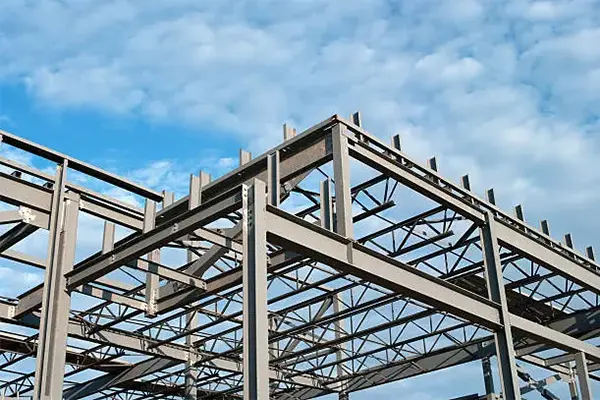
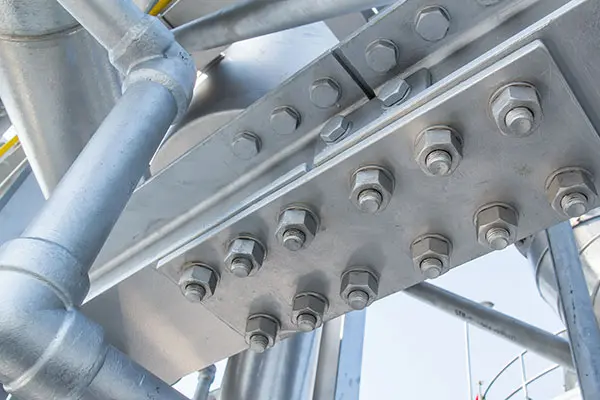
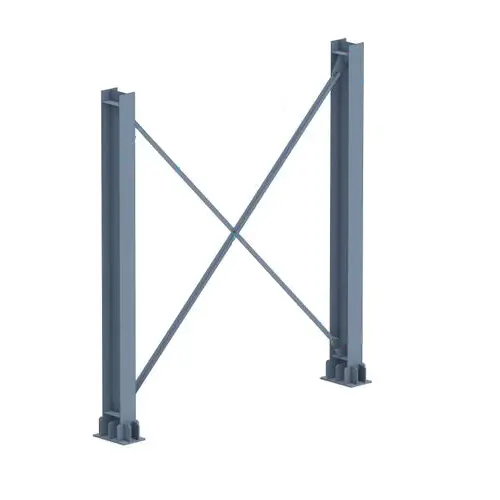
Components are prefabricated in factories and assembled on-site using only bolts, eliminating the need for on-site formwork, rebar tying, or concrete curing;

For a facility of the same size, the construction period for a steel structure is 30%–50% shorter than that of a concrete frame, enabling faster production startup and capital recovery;

Construction is not restricted by rainy seasons or low temperatures, allowing for year-round operations.


2. Lightweight Structure and Lower Foundation Costs

High-strength steel allows for smaller cross-sections, resulting in an overall weight that is only one-fifth to one-third that of a concrete facility;

Lower requirements for geological conditions; deep pile foundations are unnecessary even on soft soil, significantly reducing civil engineering costs for the foundation;

Ideal for factory construction on mountainous terrain, filled land, or sites with poor load-bearing capacity.


3. Spacious Interiors and Large, Column-Free Spans

Easily achieves single spans of 18m, 24m, 30m, or even larger, with minimal or no internal columns;

Provides an open, unobstructed interior space suitable for heavy equipment, assembly lines, warehousing, overhead cranes, and large-scale processing workshops;

Flexible column spacing ensures that future production line modifications, shelving layouts, and forklift traffic are not hindered by walls or columns.


4. Controllable Overall Costs and High Cost-Performance

Steel usage in the main structure is controllable, and the mass production of standardized components lowers unit prices;

Savings on foundations, reduced labor requirements, and shorter construction times minimize interest costs associated with tied-up capital;

Ceiling heights can be easily increased to create ultra-high facilities (8m–15m), whereas the cost of high-ceiling concrete facilities would rise sharply.


5. Excellent Seismic and Deformation Resistance

Steel’s high ductility allows it to absorb energy during earthquakes, preventing total structural collapse;

Superior toughness compared to brittle concrete makes it resistant to cracking or collapse caused by ground settlement or minor geological shifts;

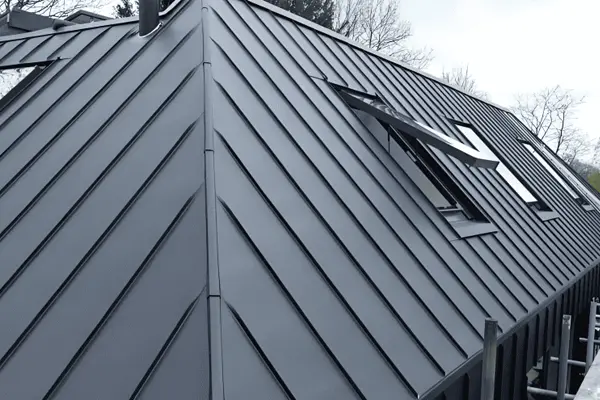
Lightweight steel roofing offers outstanding wind resistance, making it ideal for coastal regions prone to typhoons. 


6. Demountable and Reusable; Relocatable with High Residual Value

Fully bolted connections eliminate the need for concrete pouring, allowing for complete disassembly, transport, and re-erection at a new site;

Steel components can be reused during corporate relocation or land requisition, offering a residual recovery value far higher than that of brick-concrete or reinforced concrete structures;

An ideal choice for temporary facilities and phased expansion projects, facilitating simple future modifications such as span widening or height increases.


7. Energy-Efficient and Eco-Friendly; Green Construction

Steel is 100% recyclable, generating minimal construction waste;

Construction avoids the dust associated with large-scale cement and aggregate handling and results in minimal wastewater discharge;

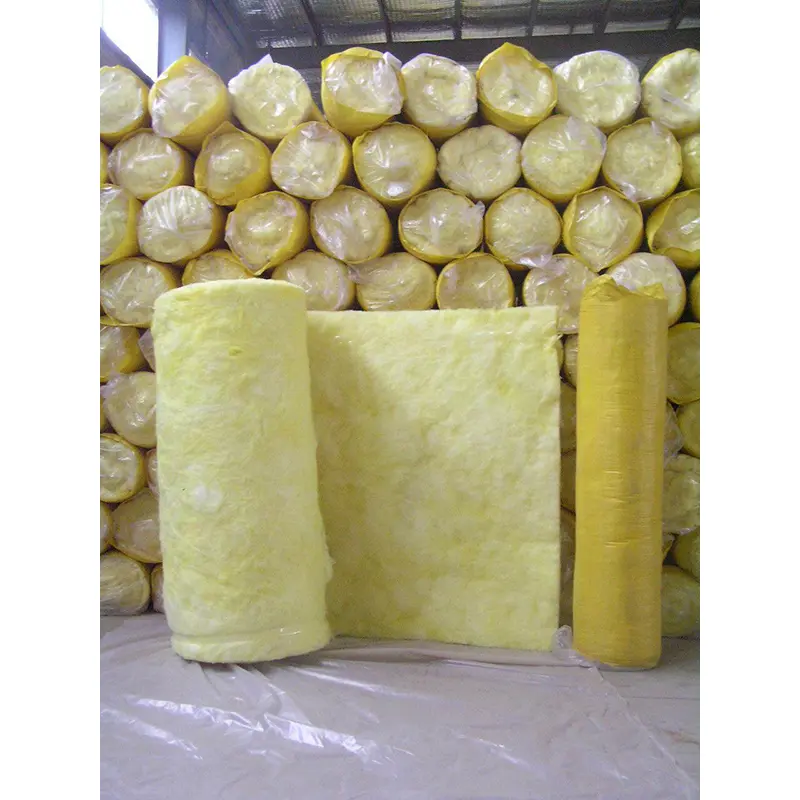
Compatible with rock wool or glass wool insulated sandwich panels, providing excellent thermal insulation and reducing energy consumption for workshop air conditioning and heating.


8. Flexible Design for Roof Lighting, Drainage, and Ventilation

Large-area skylight strips can be installed to save on daytime lighting costs;

Steel roofs easily accommodate steeper slopes, ensuring rapid drainage and preventing water pooling or leakage;

Facilitates the installation of roof monitors, ventilators, and exhaust fans, making it suitable for processing workshops involving exhaust fumes or high temperatures.


9. Convenient Future Maintenance and Expansion

Easily accommodate the addition of overhead cranes, extra floors, or factory extensions by simply connecting new steel columns and beams;

Wall and roof panels can be replaced individually, allowing for localized repairs without requiring large-scale work stoppages;

Utilities and piping can be routed overhead along steel columns and purlins without compromising the integrity of the main structure.


Related News
Leave me a message
X
We use cookies to offer you a better browsing experience, analyze site traffic and personalize content. By using this site, you agree to our use of cookies.Privacy Policy
RejectAccept