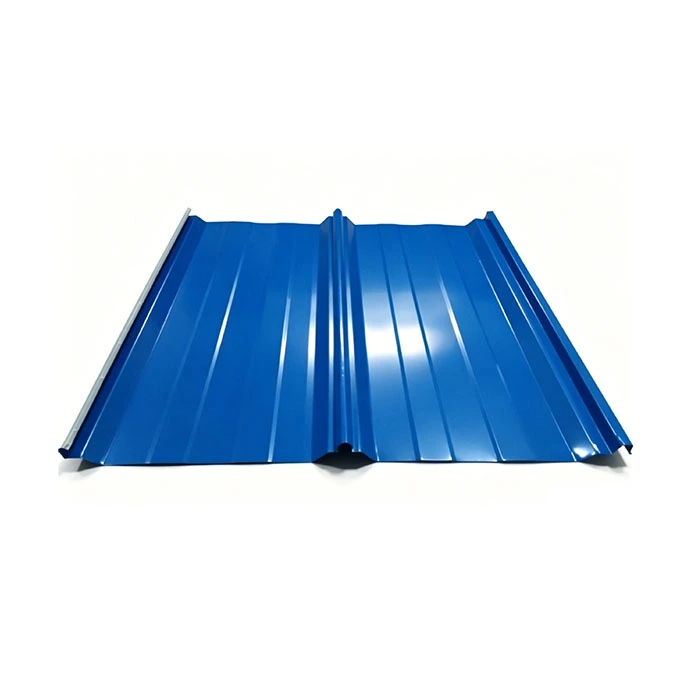
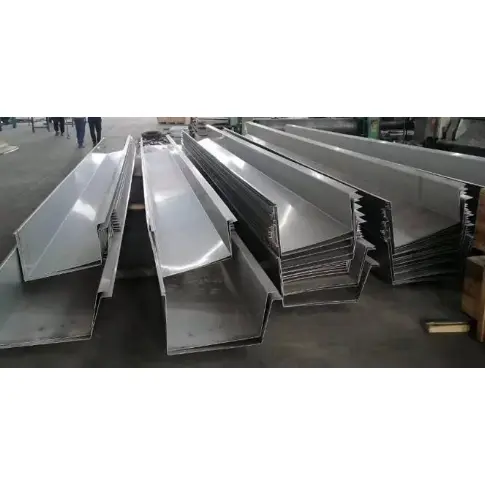
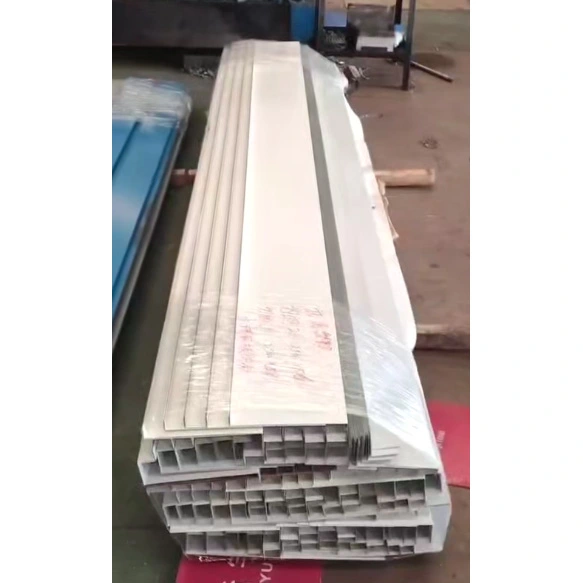
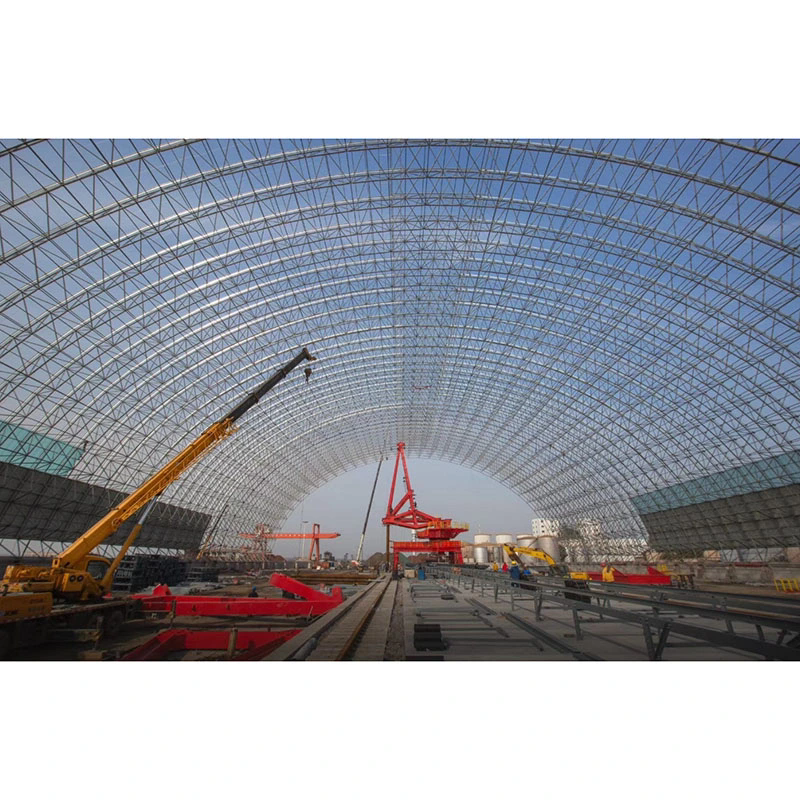
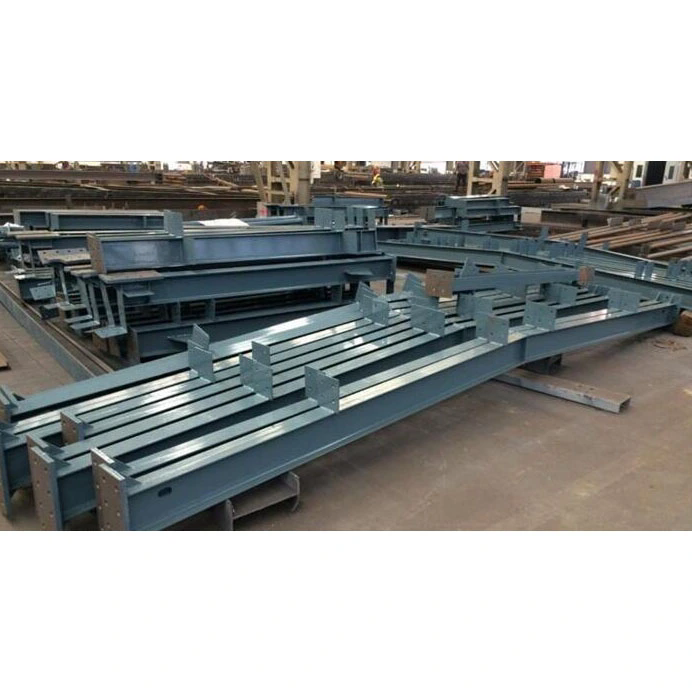
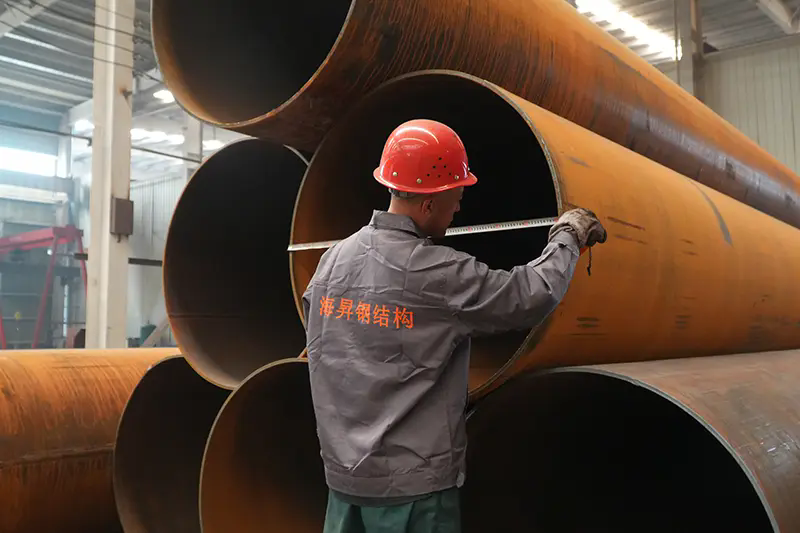
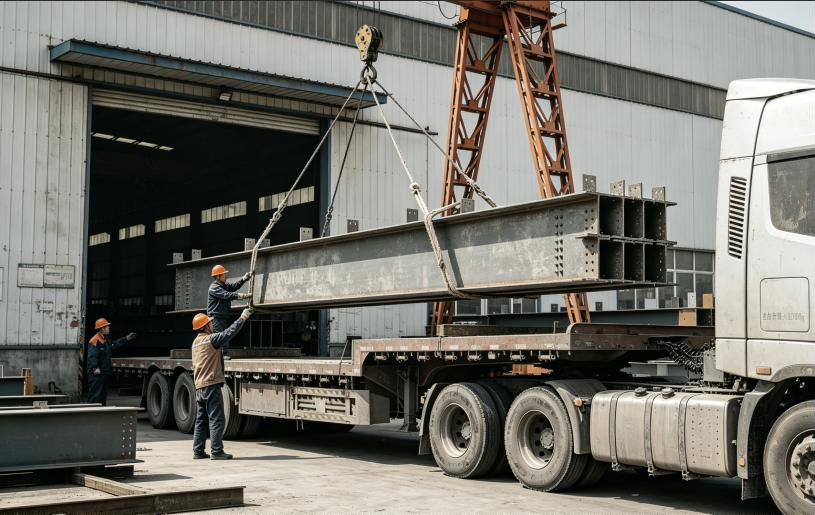
Choose HAISHENG—a China-based, one-stop supplier of prefabricated steel wall cladding panels. We offer three core procurement services: custom cutting, complete system customization, and full-container direct shipping. Our panels feature a range of Al-Zn (Aluminium-Zinc) substrates and paint finishes, making them suitable for exterior wall cladding in inland, riverside, coastal, and chemical plant environments.
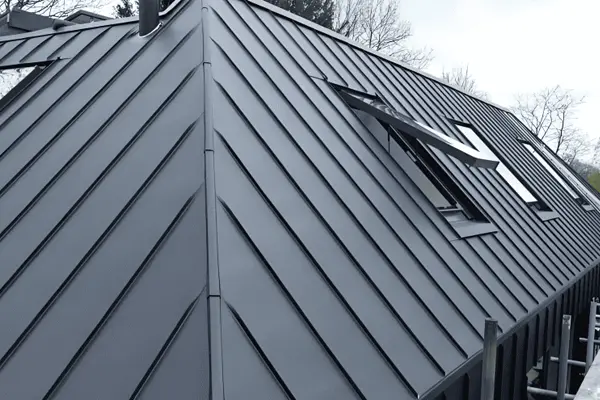
HAISHENG’s prefabricated steel wall cladding panels are factory-produced, cold-roll-formed exterior cladding units. Unlike standard roofing sheets, these feature a specialized profile designed for vertical drainage and optimal rib height. We provide comprehensive, end-to-end cladding solutions—including the exterior panels, insulation systems, load-bearing sub-structures, and opening trim—rather than just selling individual sheets. Backed by 12 years of export experience, we offer graded anti-corrosion solutions tailored to diverse overseas climatic and corrosive environments. Our products effectively resolve four common project pain points: wall leakage, long-term rusting, construction delays, and excessive structural loads. All specifications meet international standards for industrial facility cladding, and we support both direct shipment of stock items and custom manufacturing.
What is the difference between standard steel sheets and these prefabricated steel wall cladding panels?
1. Drainage Structure:
Wall panels typically feature a rib height of 25–35 mm and short overlap edges, with drainage paths designed for vertical installation; roof panels typically feature a rib height exceeding 50 mm, suitable for large-scale horizontal drainage.
2. Fastening Method:
Wall panels are secured exclusively using exposed self-tapping screws (lacking the "470" standing-seam structure used for roofs), facilitating future maintenance, disassembly, and reinstallation.
3. Mold Precision:
Wall panel roll-forming molds undergo edge passivation to prevent salt accumulation at sharp external corners—which accelerates corrosion—a process not applied to roof panels.
- Inland arid regions (Central Asia, inland Eastern Europe): AZ150 g/m²; ensures no substrate corrosion for 5–8 years; suitable for standard warehouses and factories.
- Rainy, high-humidity regions along rivers (Yangtze River basin, inland Southeast Asia): AZ180 g/m²; offers 20% higher resistance to moisture penetration; suitable for production workshops.
- Coastal/chemical corrosion zones (coastal Southeast Asia, petrochemical parks): AZ275 g/m²; features a higher aluminum-zinc alloy content to block chloride ion corrosion paths.
2 Top-side Coating Weatherability and Warranty Terms
- PE (Standard Polyester): 20–25 μm dry film thickness (DFT) on the top side, 5–10 μm epoxy anti-rust backing; 5–8 year warranty; suitable only for inland dust-free factories.
- HDP (High Durability Polyester): 25–30 μm DFT on the top side; UV-resistant; 10–15 year warranty; suitable for regions with heavy rain and intense sunlight.
- PVDF (Fluorocarbon): 25–35 μm DFT on the top side; acid and alkali corrosion resistant; 20+ year warranty; mandatory pairing with AZ275 substrate.
3 Differentiated Selection Standards for Panel Thickness
- - Exterior wall panels: Standard 0.4–0.5mm (for areas with wind speeds ≤24m/s); 0.55–0.7mm for high-wind coastal regions (wind speeds ≥28m/s)
- Interior wall liner panels: Uniform 0.3–0.4mm light-gray fine-ribbed "Model 900" panels; designed solely for interior dust containment, requiring no high-weather-resistance paint finish
Measured Parameter Table of Prefabricated Steel Wall Cladding Panels
Panel Model
Effective Coverage Width
Wave Height
Fixing Method
Applicable Scenario
900 Type Wall Panel
900mm
25mm
Exposed Self-drilling Screw
Most popular for vertical installation
820 Type Wall Panel
820mm
32mm
Exposed Self-drilling Screw
Large wind load area exterior wall
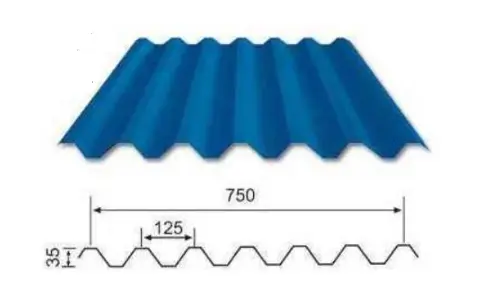
750 Type Horizontal Panel
750mm
35mm
Exposed Self-drilling Screw
Exclusive for horizontal wall paving
Dimensions: Maximum single-panel length is 12m; on-site splicing is supported for extra-long spans, with specialized water-stop strips to eliminate leakage risks at joints.
Comprehensive Accessory List
Unlike manufacturers supplying only the panels themselves, HAISHENG offers a one-stop supply of complete accessory kits for prefabricated steel wall cladding systems, with components tailored to address specific on-site installation challenges:
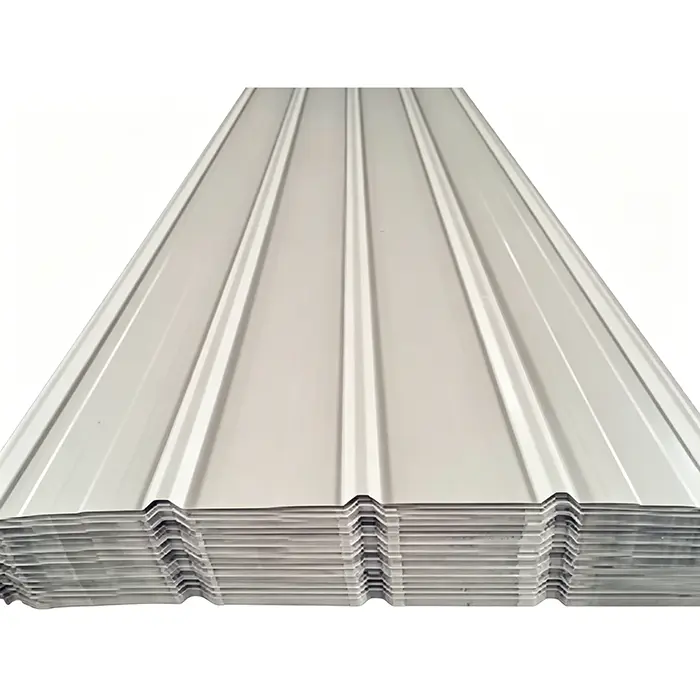
1. Exterior decorative panels: Available in three profiles (900/820/750) for wind/rain protection and aesthetics; paint finishes can be customized via color chart.
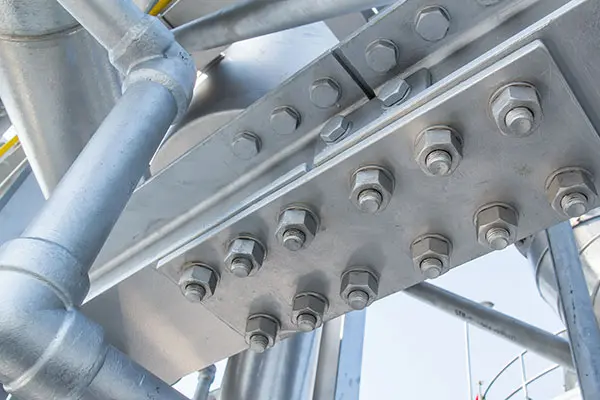
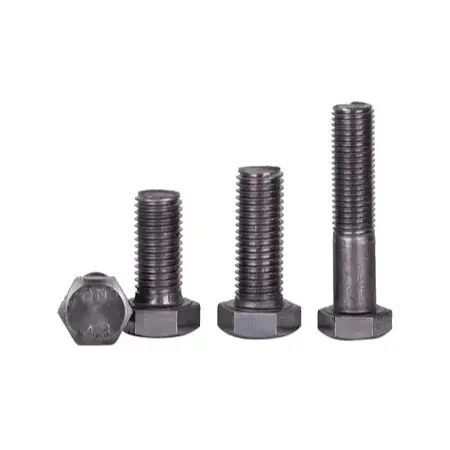
2. Waterproofing & fastening accessories: Hot-dip galvanized self-tapping screws (φ4.8/φ5.5) with EPDM waterproof washers; 15/20mm butyl sealing tape; and specialized water-stop strips for horizontal installation—solving common leakage issues at screw penetration points.
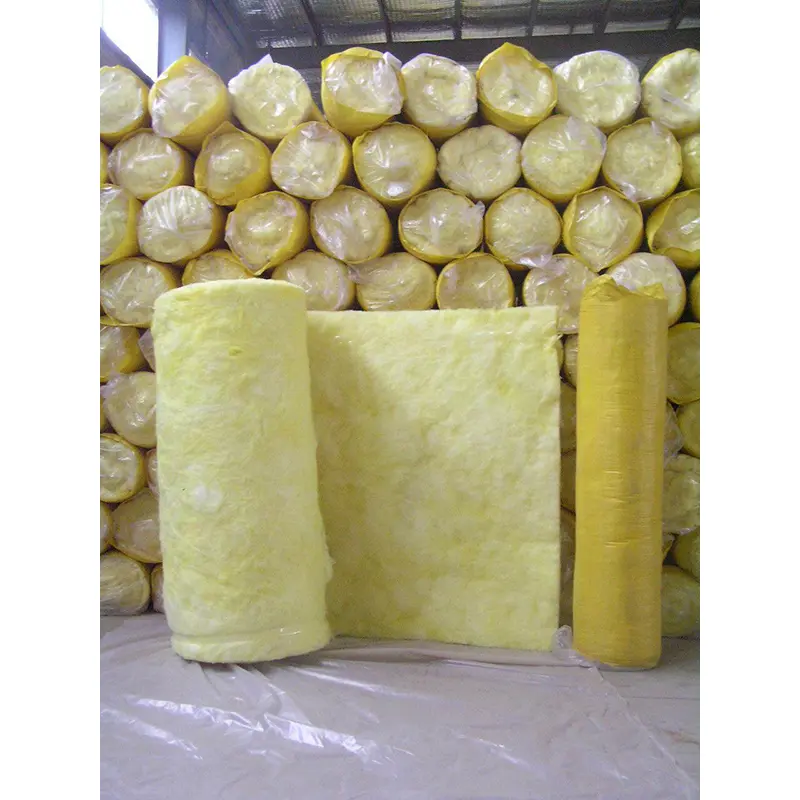
3. Thermal insulation layer: Options include Class B1 glass wool (for standard factories; density 12–16kg/m³; thickness 50/75/100mm) and Class A rock wool (for chemical/flammable/explosive workshops; density 100–150kg/m³; thickness 50–100mm), complete with support mesh and clips to prevent insulation sagging.
4. Interior vapor barrier: PE vapor barrier film installed on the interior side of the insulation layer; specifically designed to prevent moisture backflow in high-humidity workshops and avoid mold growth or insulation failure.
5. Interior liner panels: 0.3–0.4mm "Model 900" fine-ribbed color-coated steel panels; conceal the rough edges of the insulation material, improve interior aesthetics, and prevent interior dust from escaping.
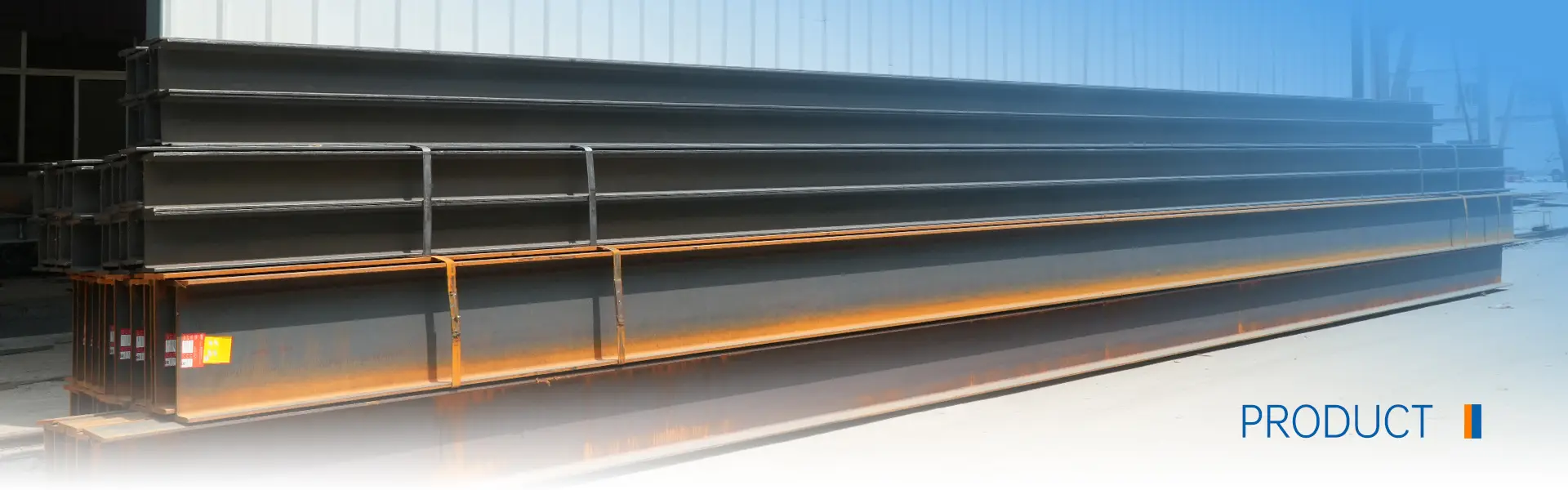
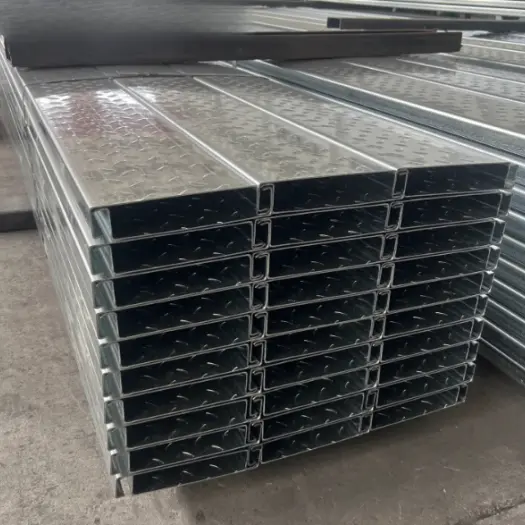
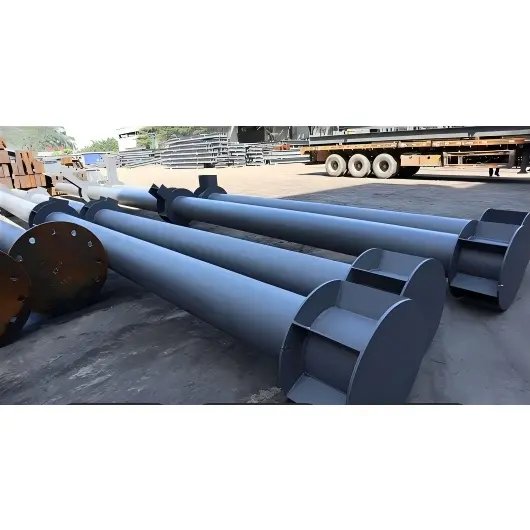
6. Load-bearing secondary wall structure: Hot-dip galvanized C-section steel wall girts (C80–C180) with a zinc coating thickness ≥80μm; equipped with φ12 tie rods and φ32×2.0 sag rods to prevent lateral-torsional buckling of girts under high wind loads.
7. Specialized opening trim components: Base angles, eave trims, door/window flashings, corner trims (internal and external), and expansion joint covers; all formed from the same material and finish to prevent color mismatch and corrosion.
8. Daylighting components: FRP daylighting wall panels matching the profile of the metal panels; corrugation pitch and overlap dimensions are fully compatible, ensuring seamless integration into the exterior wall daylighting strip with no leakage gaps.
9. Ventilation trim accessories: Breathable louvers and specialized ventilator trim panels; designed to fit workshop heat dissipation and ventilation points while maintaining a unified exterior facade appearance.
Comprehensive, Ready-to-Implement Solutions
1 Simple, non-insulated warehouse exterior wall
Configuration: 900-series 0.45mm PE-coated AZ150 wall panel + C100 hot-dip galvanized wall girt; no insulation, vapor barrier, or liner panel; Application: Dry inland material storage; service life < 5 years.
2 Standard constant-temperature production workshop exterior wall
Configuration: 900-series 0.5mm HDP-coated AZ180 wall panel + 75mm glass wool + PE vapor barrier + C120 wall girt + complete opening trim set; Application: General processing workshops in rainy riverside areas; balances thermal insulation with cost-efficiency.
3 Double-layer envelope for chemical/coastal high-corrosion environments
Configuration: 0.6mm PVDF-coated AZ275 exterior panel + 100mm Class A rock wool + thickened PE vapor barrier + 0.35mm liner panel + C140 heavy-duty wall girt; Application: Coastal areas (salt spray) and chemical workshops (flammable/explosive risks); Class A fire rating; service life > 20 years.
Structural and Engineering Parameters
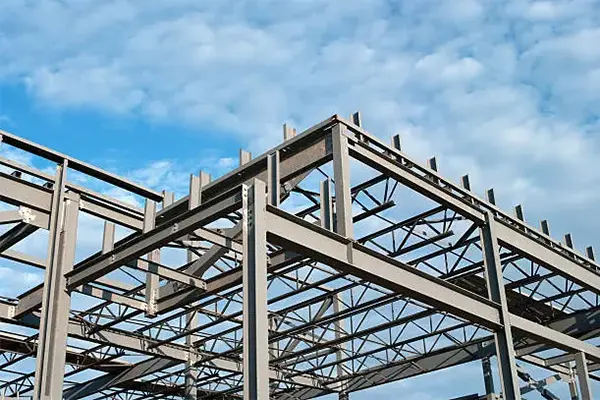
1. Substrate steel grades: TS280 and TS350 high-strength structural steel; yield strengths of 280 MPa and 355 MPa respectively; tensile strength of 380–520 MPa; capable of resisting deformation caused by brief, high-velocity wind pressure.
2. Measured self-weight: 4.0 kg/m² for 0.5 mm panels and 4.8 kg/m² for 0.6 mm panels—significantly lower than the load of masonry walling.
3. Thermal expansion parameters: Linear expansion coefficient of 1.2 × 10⁻⁵/°C; a 20 mm expansion joint is required every 60 meters of wall length to prevent panel buckling or cracking due to high temperatures.
4. Secondary structure corrosion protection: Hot-dip galvanized coating thickness is ≥80 μm for wall girts and all metal fasteners, complying with the ISO 1461 standard for hot-dip galvanized corrosion protection.
What are the differentiating advantages compared to competing products?
1 Structural Load Advantages
Prefabricated steel wall cladding panels weigh only 3–5 kg/m², compared to 220 kg/m² for red brick masonry and 45 kg/m² for ALC panels. Using color-coated steel panels allows for reduced steel column cross-sections and smaller foundation dimensions, lowering civil construction costs for large-span space-frame factories by 12%–18%.
2 Construction and Delivery Advantages
Utilizes a fully dry, prefabricated assembly method—eliminating wet processes like mortar and plastering—allowing construction to proceed in rain, snow, or low temperatures. Enclosing a 10,000 m² exterior takes only 12–15 days, whereas masonry walls require 45–75 days, thereby shortening the time to production.
3 Advantages for Non-Standard Shapes
Allows for on-site bending to create curved corners and irregular gable ends; matching trim components (made of the same material) are provided for doors, windows, plinths, and expansion joints. In contrast, ALC panels and red bricks cannot be bent on-site, making irregular sections highly prone to cracking and water leakage over time.
4 Moisture and Seepage Resistance
Features dual waterproofing at panel joints and screw points using butyl tape and EPDM washers; the overall wall water vapor permeability is below 0.05 g/(m²·h). Masonry walls commonly suffer from exterior seepage and interior putty peeling after three years.
5 Thermal and Acoustic Insulation Advantages
Thermal insulation, vapor barriers, and interior lining panels are installed in a single assembly step, achieving sound insulation of 32–38 dB. Masonry walls require separate interior insulation and plastering, and the insulation layer is highly likely to delaminate or detach after 2–3 years of use.
6 Weathering and Durability Advantages
Fully coated with three-layer anti-corrosion paint, requiring no refurbishment for 20 years in coastal areas. Masonry exterior walls often show efflorescence, weathering, and peeling within five years, and refurbishment costs can reach 40% of the cost of a new wall.
7 Advantages of Disassembly and Reuse
Individual wall panels can be removed independently, eliminating the need for large-scale demolition when installing ventilators or modifying doors and windows later. The steel is 100% recyclable, with a residual value rate exceeding 35% upon dismantling; in contrast, red bricks and ALC panels become 100% construction waste with no recycling value.
8. Comprehensive Cost Advantages
Mass-produced via roll-forming, the main materials offer lower production costs and require simpler secondary structural support. Costs are 45% lower than aluminum-plastic curtain walls and 22% lower (combined labor and material) than ALC panels, offering the best cost-performance ratio for industrial applications.
HAISHENG Factory Standardized Processing Workflow
1. Incoming Raw Material Inspection:
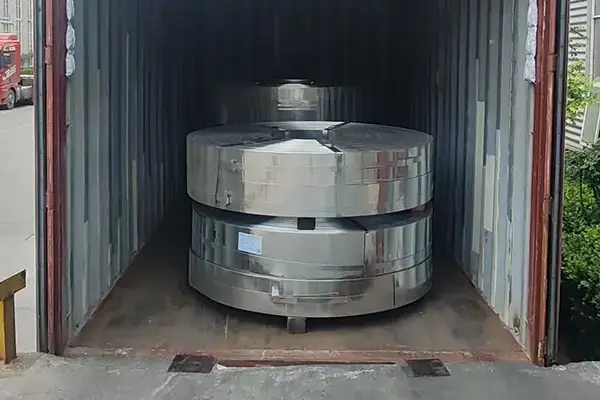
Verification of steel coil zinc coating weight, paint thickness, and surface appearance; rejection of materials with coating defects or transit scratches; third-party coating inspection reports issued for every batch.
2. Uncoiling and Alignment:
Dual-side photoelectric alignment system controls strip deviation to within ±0.5mm, preventing slanted edges on the formed panel.
3. Specialized Roll-Forming Dies:
Dedicated low-profile rib dies for wall panels (distinct from roofing dies) ensure uniform interlocking seams.
4. Precision Cutting:
Hydraulic burr-free shearing with edge passivation treatment to eliminate potential rust initiation points at cut edges.
5. Finished Product Spot Checks:
Sampling of profile, width, and flatness every 200 panels; non-conforming items are isolated for rework.
6. Protective Film Application:
Outdoor-grade PE protective film prevents paint scratches caused by friction during maritime transport.
7. Custom Trim Bending:
In-house CNC bending machines allow for custom fabrication of trim components for all openings, ensuring consistent paint color across the batch.
8. Accessory Consolidation:
Fasteners, sealants, and insulation materials are sorted, moisture-proof packed, and shipped in the same container as the wall panels to prevent missing parts upon delivery.
FAQ
1. Q: What is the delivery lead time for in-stock items?
A: We hold 50,000 m² of ready stock for standard 900/820 profile panels, with container loading within 3 working days of payment; non-standard sizes are processed within 7 working days.
2. Q: Do the prefabricated steel wall cladding panels support third-party inspections?
A: Yes, we support on-site factory inspections by SGS or BV and provide certificates of origin for raw materials as well as paint finish warranty agreements.
3. Q: How should I choose between vertical and horizontal installation?
A: Vertical installation is recommended for rainy regions to facilitate faster drainage; horizontal installation is preferred for dry regions to achieve a smoother, more uniform facade appearance.
Hot Tags: Prefabricated Steel Wall Cladding Panels, Supplier, Manufacturer
Contact HAISHENG China supplier of Structural Steel Components, Steel Structure Cladding Components and Structural Steel Fasteners. Our professional sales team will reply with detailed quotation, product parameters and delivery plan within 24 hours to meet your bulk procurement demand.
We use cookies to offer you a better browsing experience, analyze site traffic and personalize content. By using this site, you agree to our use of cookies.Privacy Policy