Tianjin Haisheng Steel Structure Co., Ltd.
Products
Corrugated Steel Roofing Panels for Structural Buildings
  • Corrugated Steel Roofing Panels for Structural BuildingsCorrugated Steel Roofing Panels for Structural Buildings
  • Corrugated Steel Roofing Panels for Structural BuildingsCorrugated Steel Roofing Panels for Structural Buildings

Corrugated Steel Roofing Panels for Structural Buildings

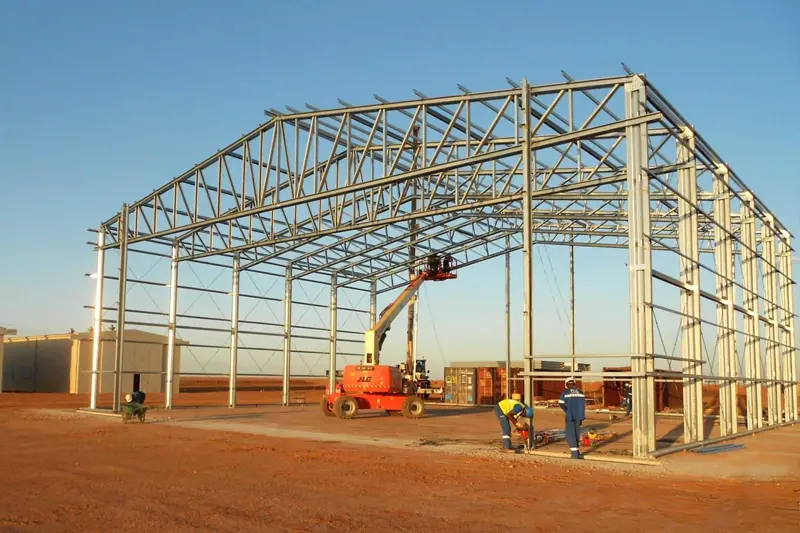
As a specialized manufacturer and one-stop supplier of steel structures in China, HAISHENG offers direct shipment of corrugated steel roofing panels for structural buildings. Roll-formed from Al-Zn (Aluminium-Zinc) coated steel substrates, these panels integrate waterproofing, thermal insulation, and wind-resistant enclosure functions. Available in a wide range of profiles and easy to install, they are widely used in steel-structured factories, as well as large-span space frame and reticulated shell roofing projects.

Corrugated Steel Roofing Panels for Structural Buildings are the most widely used roofing enclosure materials in steel structure systems. These products utilize hot-dip galvanized or Al-Zn coated steel as the base substrate, featuring a roll-coated colored protective finish and formed into standard profiles via cold-roll forming. The complete system comprises roofing panels, fasteners, insulation layers, waterproof membranes, purlins, and various trim components, creating a comprehensive assembly that spans from the load-bearing base to the surface waterproofing, insulation, and edge finishing.

Characterized by light weight, high construction efficiency, and customizable corrosion resistance levels, these panels are suitable for standard warehouses and factories as well as large-span space frame and curved reticulated shell roofs. Balancing performance, construction costs, and long-term durability, they are a preferred choice for steel structure roofing projects.

Corrugated Steel Roofing Panels For Structural BuildingsCorrugated Steel Roofing Panels For Structural Buildings

Product Analysis and Definition

1 Basic Product Definition

Corrugated steel roofing panels for structural buildings utilize hot-dip galvanized or Al-Zn coated profiled steel as the outer layer. Combined with insulation materials, waterproofing accessories, fasteners, and trim components, they are installed over C-section or Z-section steel purlins to form a complete roofing enclosure structure. The system provides essential functions such as roof sealing, waterproofing, thermal insulation, and wind resistance, serving as a mainstream roofing solution for light steel buildings, space frames, and reticulated shell projects.

2 Substrate and Coating Specifications

2.1 Mainstream substrates include hot-dip galvanized steel and hot-dip Al-Zn coated steel; common coating specifications include AZ150, AZ180, and AZ275.

2.2 The surface features a colored baked-on finish, available in three coating types—Polyester (PE), High Durability Polyester (HDP), and Polyvinylidene Fluoride (PVDF)—selected based on indoor/outdoor environmental conditions and corrosion resistance requirements. 

3 Mainstream Product Categories

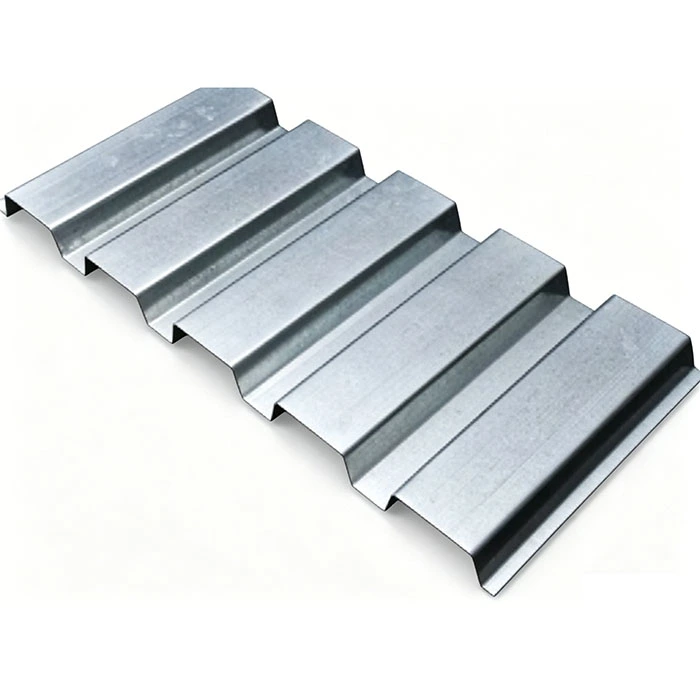
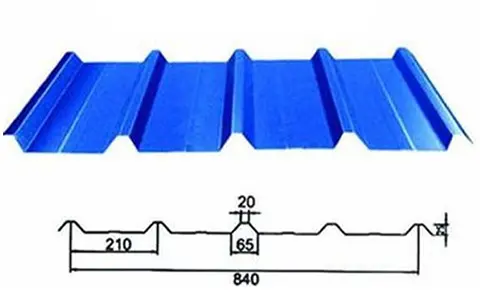
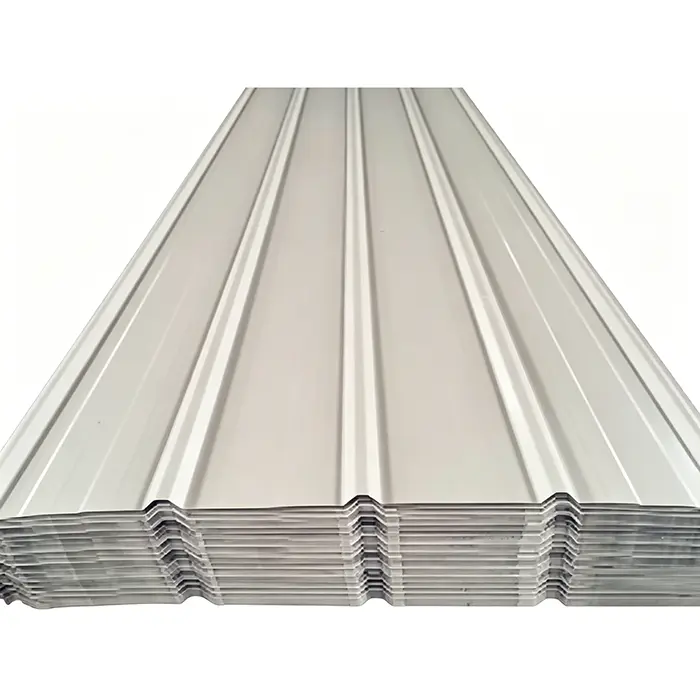
3.1 Standard Overlapping Color-Coated Steel Sheets: Includes two common profiles—Type 840 and Type 900. These are fastened using exposed self-tapping screws and are widely used for standard factory buildings and warehouses.

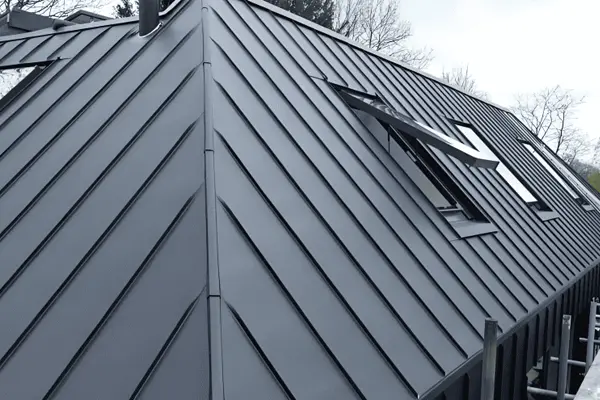
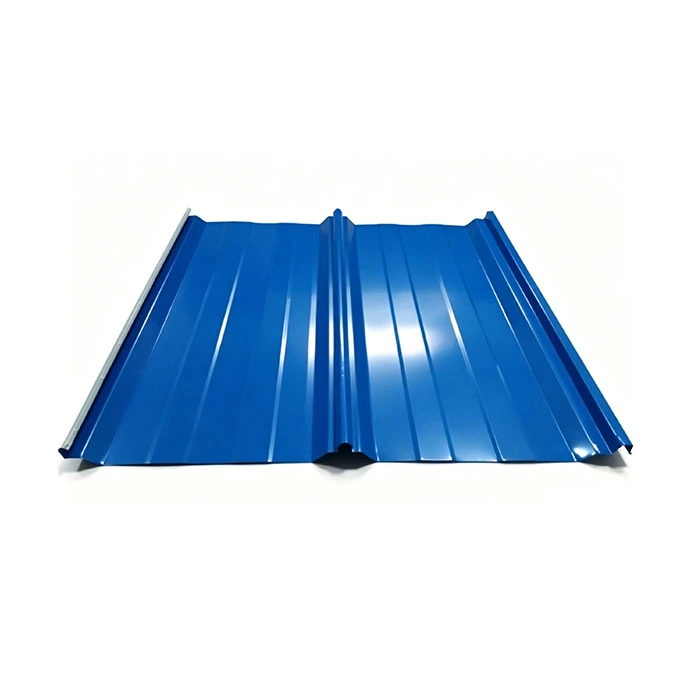
3.2 Standing Seam Roof Panels: Includes Type 470 and Type 475. These feature a concealed-clip installation method with no exposed screws and offer excellent waterproofing performance; they are suitable for large-span and curved roof structures, such as space frames and reticulated shells.


Comprehensive System Configuration

1 Roofing Panel Layer

1.1 840/900 Series Lap-Seam Panels: Panel thickness of 0.4mm–0.8mm; features side-lap joints secured with exposed self-tapping screws.

1.2 470/475 Series Standing Seam Panels: Panel thickness of 0.6mm–1.0mm; utilizes a male-female interlocking seam structure installed with concealed clips.

1.3 Material Selection Recommendations: For standard inland projects, use Al-Zn coated substrates with standard polyester paint; for coastal or chemically corrosive areas, prioritize Al-Zn (AZ275) substrates with fluorocarbon (PVDF) topcoats.

2 Fastening and Connection Accessories

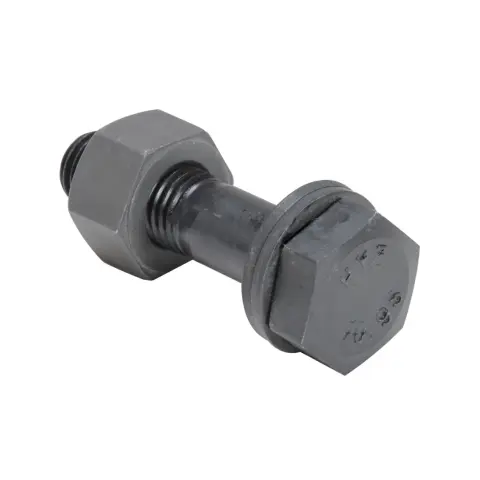
2.1 Sliding Concealed Clips: Designed specifically for standing seam panels; made of hot-dip galvanized steel; accommodates thermal expansion and contraction of the panels.

2.2 Self-Tapping Screws and Waterproof Washers: Used for securing lap-seam panels; washers are made of EPDM rubber to ensure long-lasting waterproof sealing.

2.3 Auxiliary Accessories: Blind rivets and butyl sealing tape; used to seal and reinforce panel overlaps and flashing joints, preventing capillary water seepage.

3 Waterproof-Breathable Layer

Utilizes a spun-bonded polypropylene waterproof-breathable membrane installed between the insulation layer and the Corrugated Steel Roofing Panels for Structural Buildings; it blocks external liquid water ingress while allowing internal moisture vapor to escape, preventing insulation dampness, mold growth, and thermal performance degradation.

4 Thermal Insulation Layer

4.1 Rock Wool Insulation Boards: Thickness of 50mm–150mm; meets Class A non-combustible fire safety standards and smoke toxicity requirements; suitable for production workshops, hazardous chemical warehouses, and facilities subject to strict fire safety inspections.

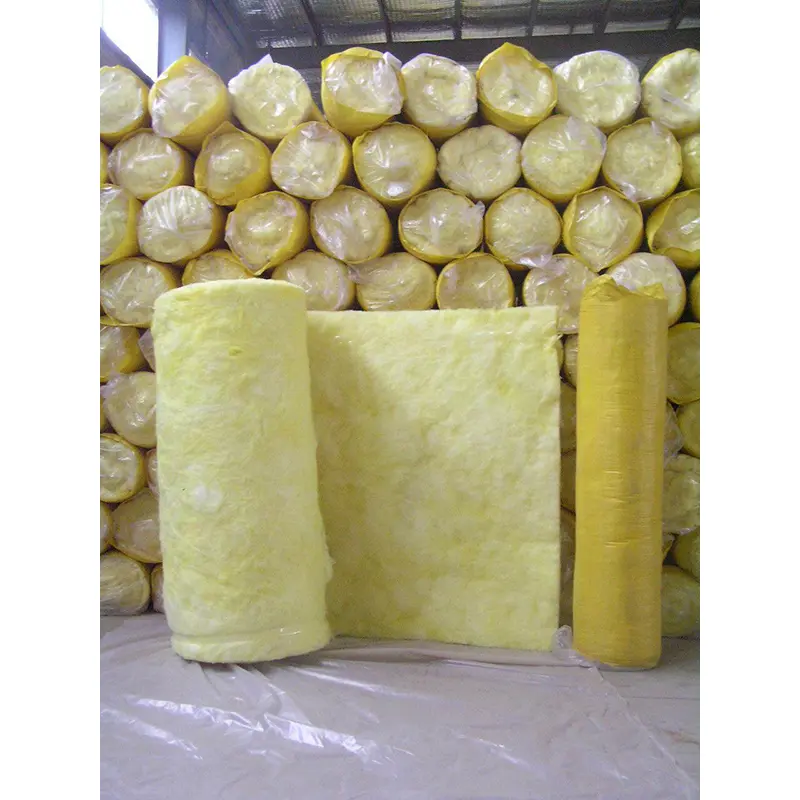
4.2 Glass Wool Blankets: Thickness of 50mm–150mm; thermal conductivity ≤0.042W/(m·K); offers excellent cost-performance value; widely used in standard light-steel industrial buildings without special fire safety requirements. 4.3 Ancillary Components: Insulation support mesh and specialized insulation clips are arranged transversely along the purlins to prevent the flexible insulation wool from sagging or tearing.

5 Vapor Barrier

For buildings subject to high humidity—such as those involving indoor cooking, washing, or humidification—a PE vapor barrier membrane must be installed. It is laid over the purlins and beneath the insulation layer to block the upward migration of hot, moist indoor air, thereby preventing extensive condensation and dripping within the insulation layer during winter.

6 Secondary Roof Structure

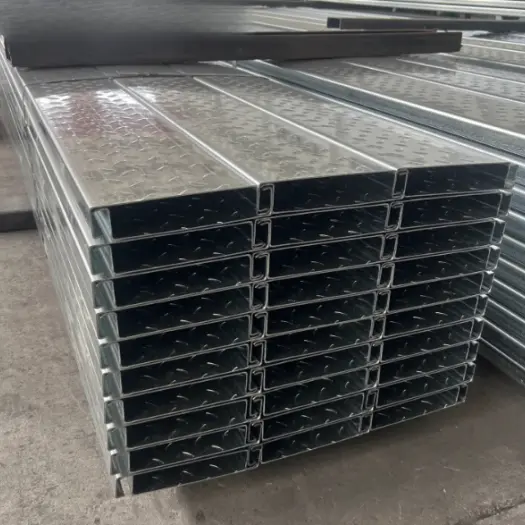
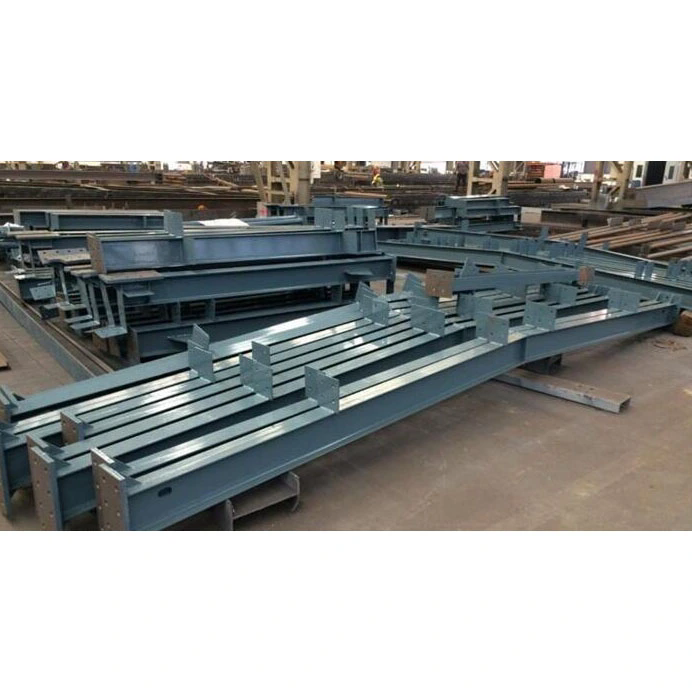
The load-bearing substructure utilizes hot-dip galvanized C-section and Z-section steel purlins (specifications ranging from C100–C250 and Z140–Z220), which are bolted to the supports on the steel beams or the top chords of the space frame. Ancillary components—including purlin sag rods, horizontal struts, and knee braces—are used to restrict lateral purlin twisting and resist transverse wind loads on the roof.

7 Complete Set of Trim and Flashing Accessories

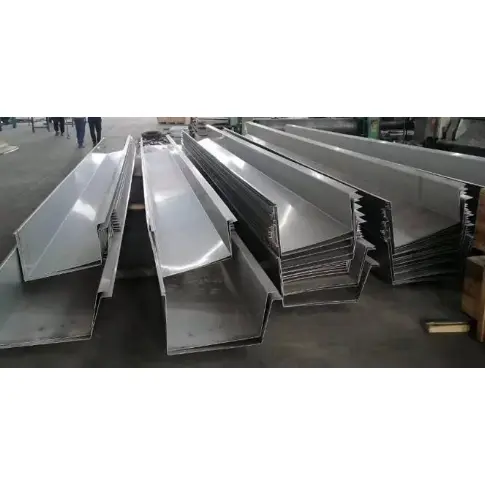
Includes ridge caps, gable edge trim, internal corner flashing, eave closures, and edge trim for daylighting panels, ensuring comprehensive coverage of all roof joints and corners (both internal and external). The system incorporates factory-made color-coated steel or 304 stainless steel gutters, paired with PVC anti-corrosion downpipes, galvanized rainwater hoppers, and expansion joints to form a complete, organized drainage system.

8 Daylighting Components

Utilizes FRP (fiberglass-reinforced plastic) or PC (polycarbonate) daylighting panels. These panels feature profiles that perfectly match the roof panel modules, allowing for seamless overlapping. They are typically spaced every 2–3 bays to provide natural daylighting for the facility and reduce energy consumption for artificial lighting.


Standard Integrated Application Solutions

1 Simple Warehouse Roof Assembly

Configuration: 840-profile color-coated steel sheet + single-layer 50mm glass wool + C120 steel purlins + standard color-coated steel trim accessories. This configuration offers a simple structure and low cost; it is suitable for temporary warehouses or simple storage buildings for materials like sand and gravel, where there are no stringent requirements for thermal insulation or fire resistance. 

2 Standard Industrial Factory Roof Assembly

Configuration: Model 900 color steel roofing + 100mm thick rock wool insulation + PE vapor barrier + C/Z-section steel purlins + prefabricated gutter and downspout system. This assembly offers a balanced combination of fire resistance, thermal insulation, and waterproofing. It is suitable for general industrial factories in rainy inland regions and represents the most widely implemented standardized solution to date.

3 Long-Span Space Frame and Reticulated Shell Roof Assembly

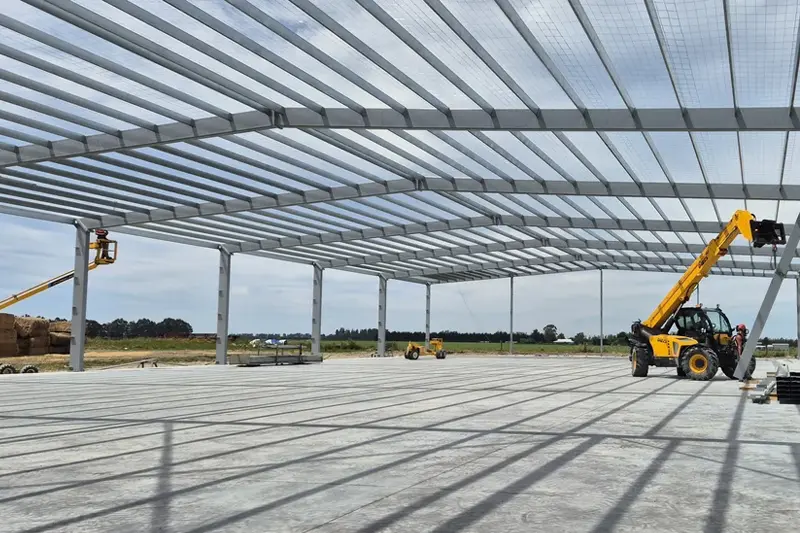
Configuration: Model 470 standing-seam panels + waterproof breathable membrane + 100–150mm rock wool + hot-dip galvanized sliding supports + a full set of custom flashings and stainless steel gutters. The system features no exposed fastener holes, accommodates thermal expansion/contraction of ±25mm, and offers superior resistance to deformation, strong winds, and water ingress. Corrugated Steel Roofing Panels for Structural Buildings are suitable for space frame and curved reticulated shell roofs with spans exceeding 60 meters.


Anti-Corrosion Standards

1 Roof Panel Substrate Anti-Corrosion

For standard dry inland projects, the Al-Zn coating weight is no less than AZ150; for regions along rivers with mild acid rain, AZ180 is selected; for coastal areas with salt spray or environments with chemical fume corrosion, AZ275 coating is used, paired with a PVDF fluorocarbon topcoat to delay paint aging.

2 Metal Accessory Anti-Corrosion

For steel accessories such as purlins, concealed clips, and tie rods, the factory-applied hot-dip galvanized coating thickness is at least 80μm. Cut edges are repaired on-site using a cold-spray zinc coating (with >95% zinc content) to prevent the spread of rust from the cut surfaces.


Key Operational Advantages

1 Waterproofing and Drainage Advantages

The roof slope is designed to a 1:100–1:200 gradient, ensuring smooth water flow along the valleys. Overlapping panels utilize a double-lap joint sealed with butyl tape, while standing-seam panels feature a mechanical lock without perforations; this eliminates water leakage from fastener holes or gaps at the source, making the system suitable for continuous heavy rainfall.

2 Lightweight Load Advantage

With a dead weight of only 0.05–0.12 kN/m²—less than one-twentieth that of concrete roofing—these panels eliminate the need to reinforce primary steel beams, space frame members, or independent building foundations; for large-span, column-free roofs, this directly reduces the cost of the primary steel structure by 12%–18%.

3 Durability and Weather Resistance Advantage

Paint finishes are available in three durability grades: PE (polyester) for inland areas (5–8 year warranty), HDP (high-durability polyester) for rainy regions (10–15 years), and PVDF (fluorocarbon) for coastal areas (20+ years). The Al-Zn (aluminum-zinc) coating on the substrate offers sacrificial anti-corrosion properties, allowing a protective oxide film to form automatically at any damaged areas.

4 Construction and Delivery Advantage

Installation is entirely dry-assembly; there is no need for concrete curing, formwork, or wet trades, and work is not halted by sub-zero temperatures, rain, or snow. Mechanically roll-formed panels are installed directly on-site, allowing a 10,000 m² roof to be completed in just 15 working days—one-fifth the time required for concrete roofing.

5 O&M and Retrofitting Advantage

Panels support the weight of a single person for maintenance; localized rust or damage can be addressed by replacing individual panels without dismantling the entire roof. Retrofitting photovoltaic mounts or axial ventilators requires minimal structural reinforcement, keeping modification costs very low. Discarded panels are 100% recyclable as steel and can be remelted and re-rolled.

6 Fire Safety and Environmental Advantage

The color-coated substrate is non-combustible; when paired with Class A rock wool insulation, it meets the 0.5-hour fire resistance rating required for industrial facilities. Production and installation generate no construction debris, reducing solid waste emissions by 90% compared to concrete roofing and meeting international green building certification standards.


Comparative Analysis with Similar Products

1 Comparison with Concrete Roofing

Concrete roofs have high dead weight and foundation costs, require 3–6 months of on-site wet construction, cannot be bent to fit curved grid shells, and suffer from irreversible cracking and leakage over time. In contrast, these Corrugated Steel Roofing Panels for Structural Buildings are lightweight, offer short construction times, can be bent into custom shapes, and allow for simple leak repairs.

2 Comparison with Aluminum-Magnesium-Manganese (Al-Mg-Mn) Roofing

While Al-Mg-Mn offers slightly superior waterproofing, its unit material cost is over 40% higher than that of color-coated steel, and its lower hardness makes it prone to denting from falling objects; under standard wind pressure and corrosive conditions, Al-Zn coated steel performs equally well while offering vastly superior cost-efficiency.

3 Comparison with Clay Tiles/Asbestos Tiles

Clay tiles are too heavy for long-span steel structure roofs and are suitable only for low-rise brick-concrete buildings; asbestos tiles suffer from poor durability and high brittleness, and—due to environmental regulations banning asbestos—are prohibited in overseas projects, whereas color-coated steel is fully compliant and offers superior impact resistance.


Standardized Processing Workflow

1 Raw Material Incoming Inspection

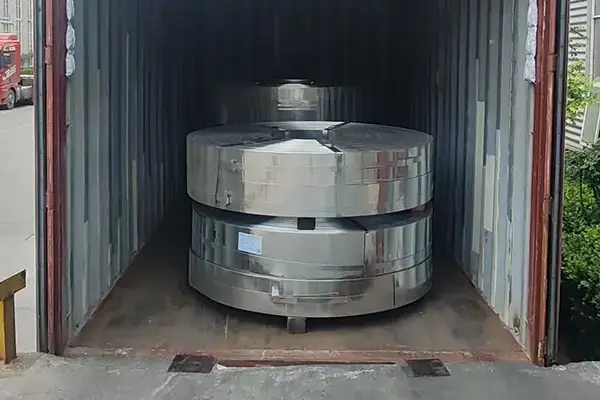
Verify original manufacturer material reports and zinc coating test reports for hot-dip galvanized or Al-Zn coated steel coils; use coating thickness gauges for on-site spot checks of AZ values and inspect the surface for scratches, coating voids, or white oxidation spots; return non-compliant raw materials directly to the steel mill.

2 Uncoiling, Alignment, and Feeding

Use an overhead crane to load the coil onto the hydraulic uncoiler; the uncoiler flattens the steel strip at a constant speed, utilizing a photoelectric alignment system to keep deviation within ±2mm, preventing panel skewing during forming.

3 Multi-pass Roll Forming

Lap-seam panels are formed using 12 sets of rollers with a 50mm overlap width reserved at the edge; standing-seam panels utilize 16 sets of specialized forming rollers to create interlocking male and female joints, ensuring a seam clearance of ≤0.3mm.

4 Fixed-length Hydraulic Cutting

Cut to specified lengths based on drawings; standard panels (≤12m) are cut for road transport, while extra-long panels are cut into sections; cut edges are deburred and stress-relieved to prevent future corrosion at the cut site.

5 Comprehensive Finished Product Inspection

Measure effective coverage width, rib height, and panel thickness, and spot-check paint film adhesion; standing-seam panels undergo additional seam tensile testing to ensure the interlocking wind-load capacity meets standards.

6 Protective Packaging & Dispatch

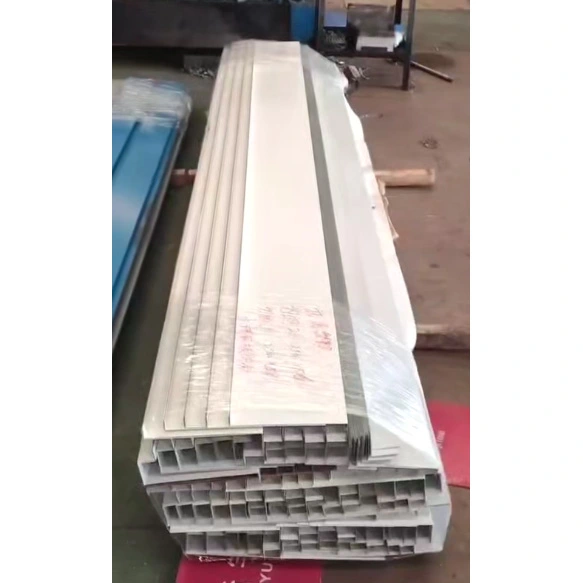
Transparent PE protective film is applied to the panel surface to prevent transport scratches; Corrugated Steel Roofing Panels for Structural Buildings are cross-bundled and placed on solid wood base blocks; specifications (profile type, length, project ID) are spray-marked on the exterior; and for sea freight orders, additional waterproof stretch wrap is applied.

7 Custom Fabrication of Accessories

After slitting the color-coated steel master coils, components such as ridge caps, flashing, gutters, and end closures are fabricated using CNC bending machines; bend radii are standardized to three times the panel thickness to prevent cracking or paint peeling during bending.

8 Comprehensive Accessory Supply

Hot-dip galvanized self-tapping screws, EPDM washers, sliding brackets, and sealing tapes are individually packaged by type and shipped in the same batch as the roof panels, ensuring consistency in accessory coatings and paint finishes.


Key performance parameters

1. Panel Dimension Parameters

Panel Type

Effective Width

Wave Height

Fixing Method

840 Lap Panel

840mm

35mm

Exposed self-drilling screws

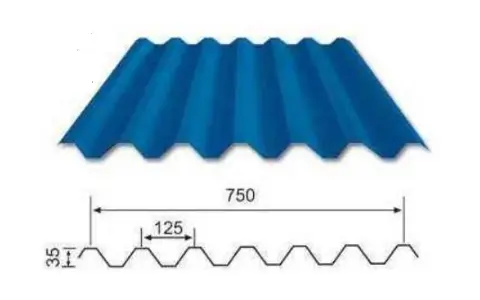
900 Lap Panel

900mm

25mm

Exposed self-drilling screws

470 Standing Seam Panel

470mm

65mm

Concealed sliding support

475 Standing Seam Panel

475mm

65mm

Concealed fixed support

2. Substrate & Coating Technical Index

Substrate Grade: TS280 (ordinary area), TS350 (high wind pressure area)

Tensile Strength: 380~520MPa

Thermal Expansion Coefficient: 1.2×10⁻⁵/℃

Surface Paint Dry Film: PE 20-25μm, HDP 25-30μm, PVDF 25-35μm

Reference Weight: 0.5mm=4.0kg/㎡, 0.6mm=4.8kg/㎡

3. Wind & Thermal Supporting Parameters

Wind Resistance: 0.55~1.0kPa basic wind pressure with Z purlin reinforcement

Sliding Support Slip Range: ±25mm

Rock Wool Parameter: Density 100-150kg/m³, Class A fireproof


HAISHENG One-Stop Delivery Service

1 Pre-sales Customization & Selection

Based on local project conditions—including wind pressure, snow load, corrosion class, and fire safety codes—we provide free matching solutions for roof profiles, coatings, and insulation layers, mitigating the risk of future rework related to waterproofing or wind resistance.

2 Cross-border Logistics Protection

Specialized moisture-proof, airtight packaging for sea freight includes corner protectors and sectional panel separation to prevent damage from oceanic salt spray and surface deformation.

3 After-sales Technical Support & Warranty

Remote installation guidance provided in both Chinese and English; substrate coating warranty of 15 years for inland areas and 8 years for coastal areas; paint finish warranty based on the specific coating's service life; and lifetime supply of replacement accessories.


FAQ

1 Is a fluorocarbon (PVDF) finish mandatory for coastal projects?

For sites within 5km of the coast or in chemical industrial parks, an AZ275 substrate combined with a PVDF fluorocarbon finish is mandatory; for areas 5–20km from the coast with mild salt spray, an AZ275 substrate with an HDP (High Durability Polyester) finish may be used to balance cost and longevity.


2 Can Corrugated Steel Roofing Panels for Structural Buildings be used for curved space-frame roofs?

For curved roofs with a radius greater than 50m, the 900-type lapped panel can be used to a limited extent; for complex curved surfaces with tighter radii, the 470-type standing seam panel is mandatory to prevent deformation, cracking, or leakage at the lap joints.


3 Can one choose between a vapor barrier and a waterproof breathable membrane?

Use a vapor barrier for interiors prone to dampness, and a waterproof breathable membrane for exteriors exposed to rain; in regions with high humidity and frequent rainfall, both layers must be installed, whereas for simple, dry warehouses, both can be omitted entirely.


Hot Tags: Corrugated Steel Roofing Panels for Structural Buildings, Supplier, Wholesale
Send Inquiry
Contact Info
Contact HAISHENG China supplier of Structural Steel Components, Steel Structure Cladding Components and Structural Steel Fasteners. Our professional sales team will reply with detailed quotation, product parameters and delivery plan within 24 hours to meet your bulk procurement demand.
X
We use cookies to offer you a better browsing experience, analyze site traffic and personalize content. By using this site, you agree to our use of cookies.Privacy Policy
RejectAccept