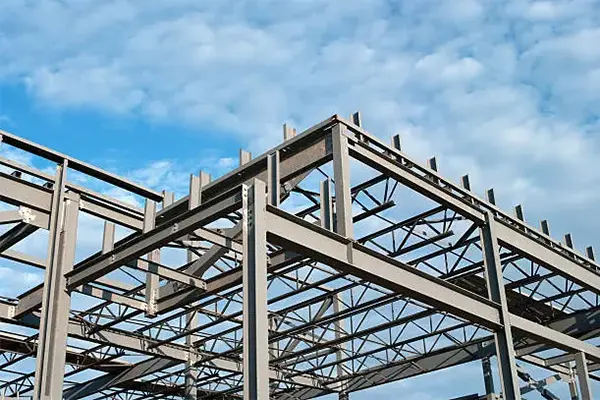
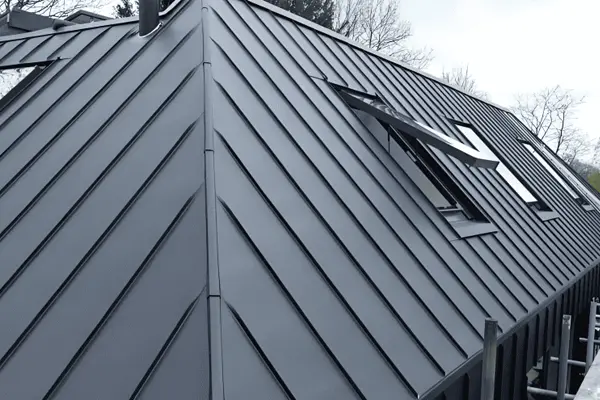
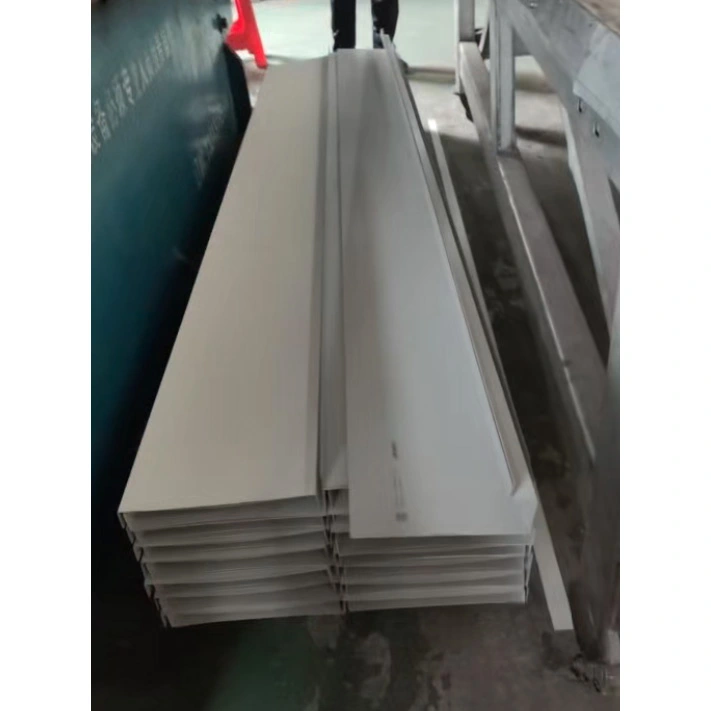
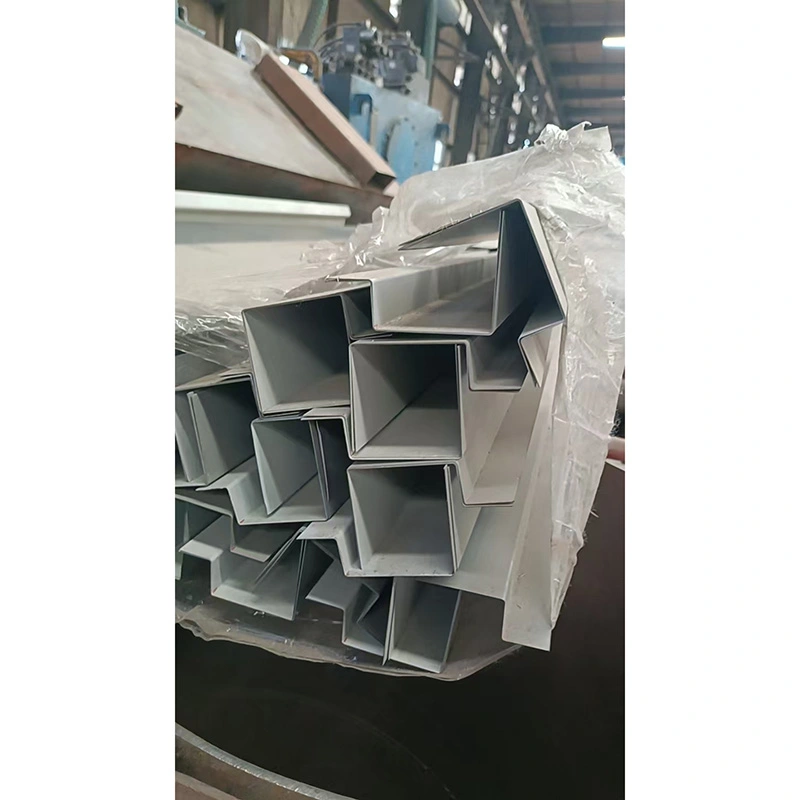
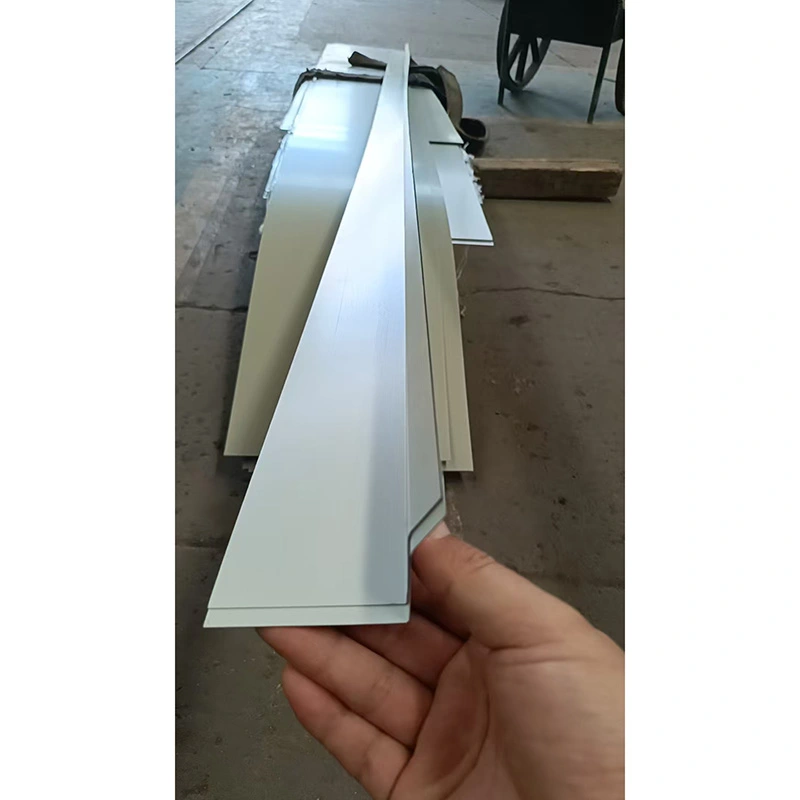
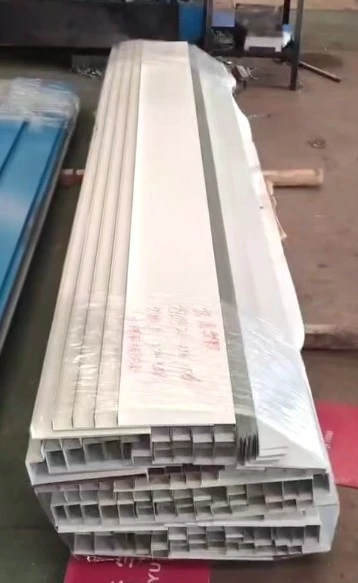
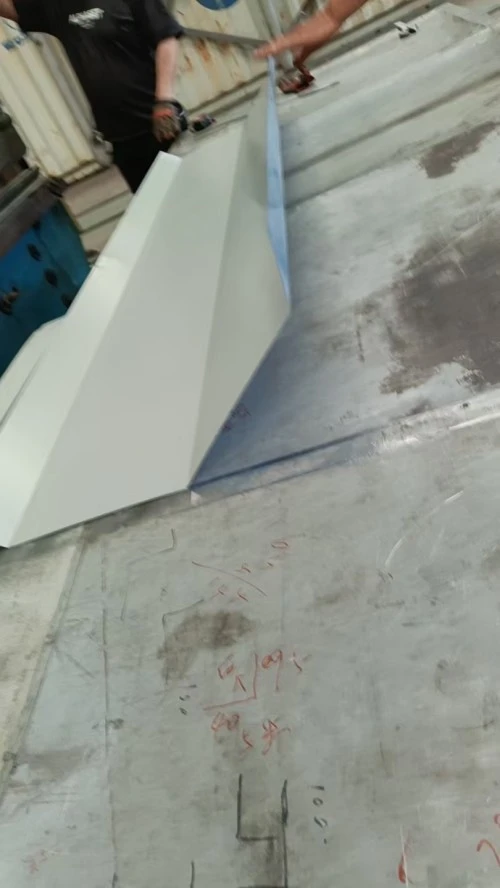
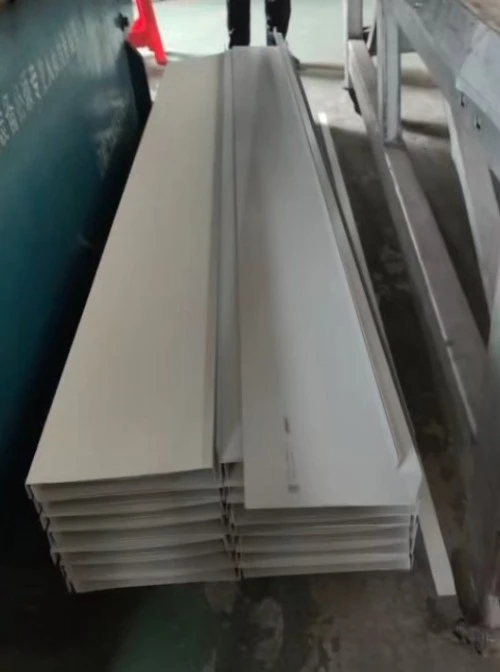
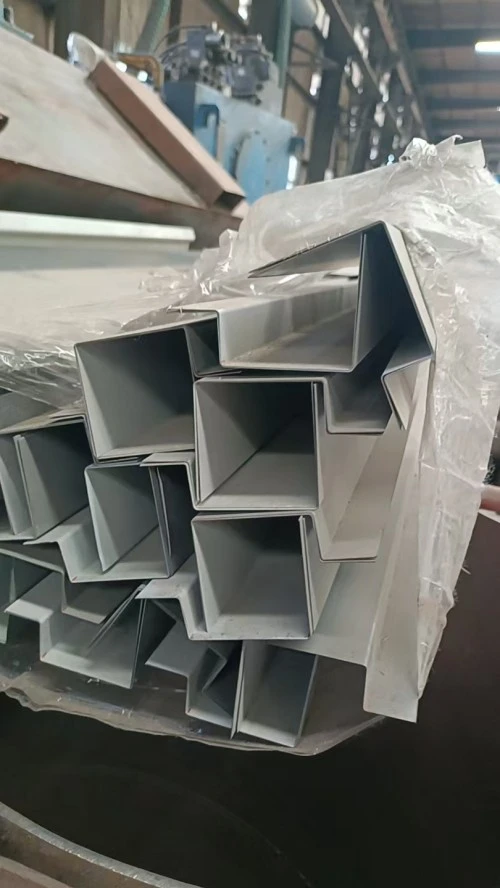
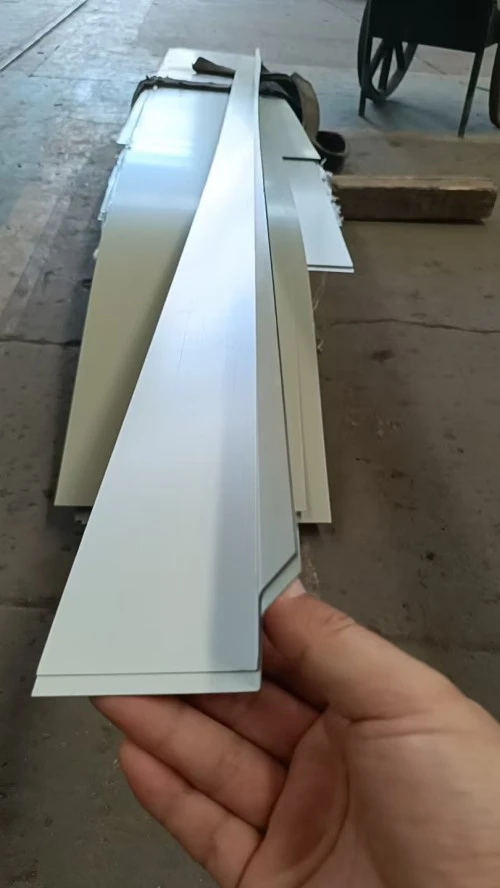
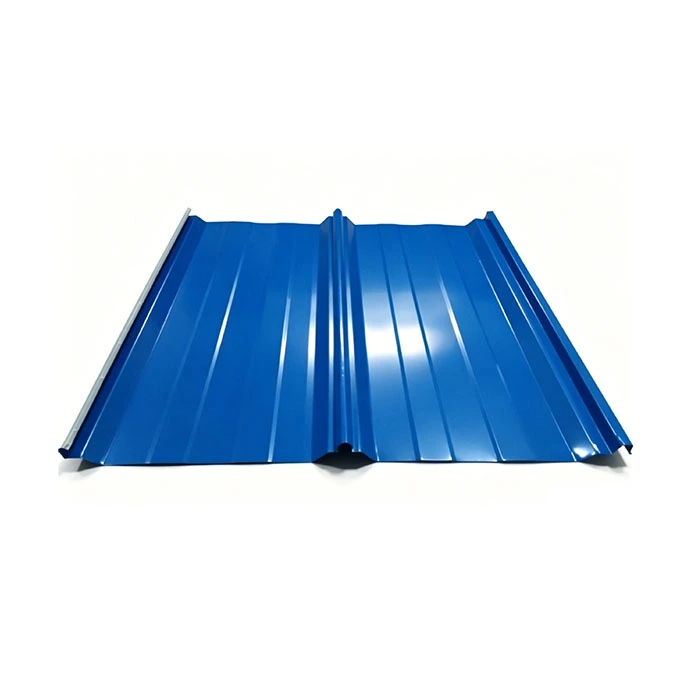
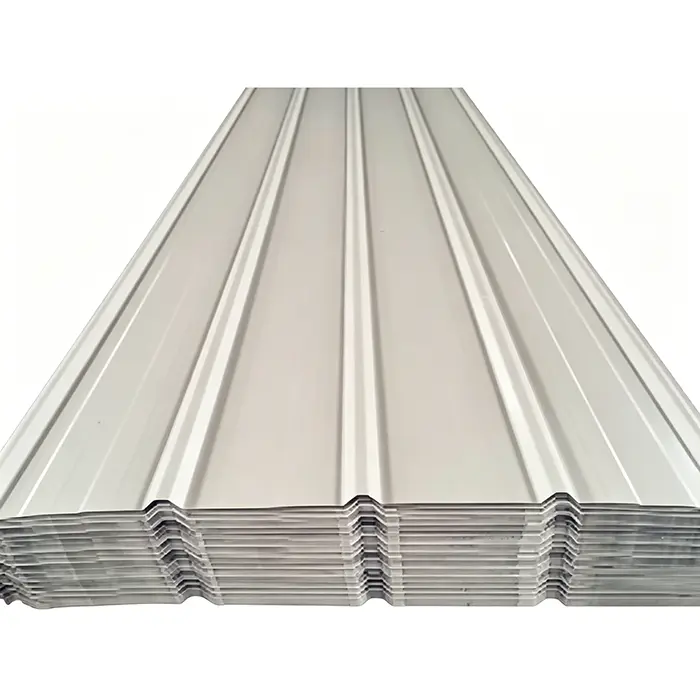
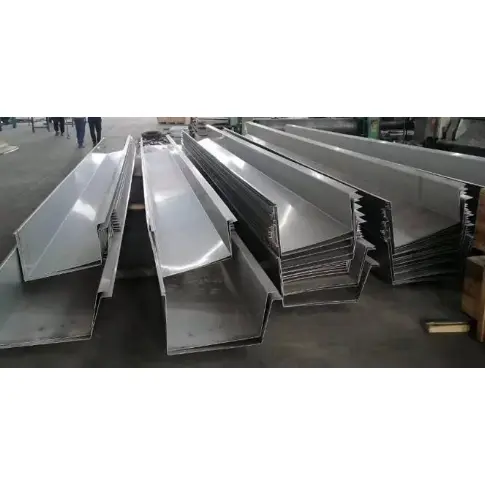
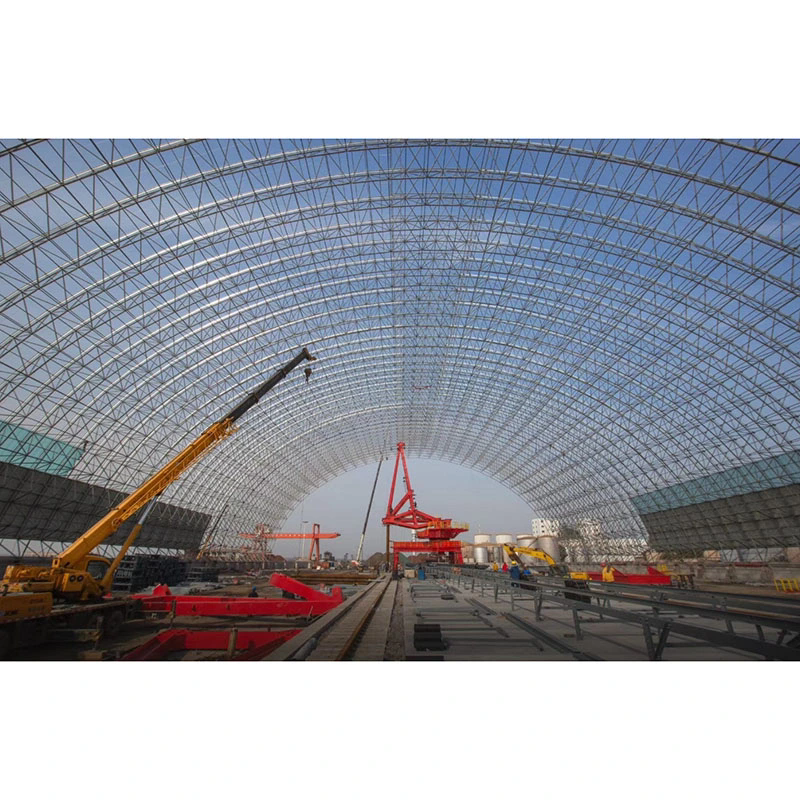
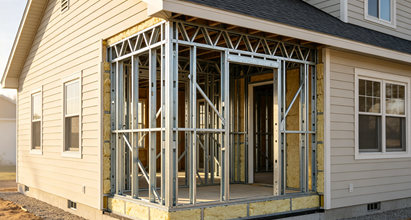
HAISHENG is a professional manufacturer and supplier of steel roof edge trim components for cladding. These specialized, custom-profiled decorative and waterproofing components—fabricated via precision bending from galvanized, Al-Zn coated, color-coated, or stainless steel sheets—are designed for use in steel structure, metal roofing, and wall systems. Serving as standardized or customized metal accessories for edges, corners, joints, and intersections (such as roofs, walls, doors/windows, eaves, ridges, gables, and gutters), they provide sealing and waterproofing, conceal raw edges, protect panels, channel rainwater, and enhance aesthetics; they are critical functional accessories for the waterproofing and visual appeal of the building envelope system.
Steel Roof Edge Trim Components for Cladding are CNC-bent from color-coated steel sheets matching the material of the wall and roof panels. They are applied at all joint and intersection points on roofs and walls to seal gaps, channel water, ensure neat finishing, and provide wind and dust protection, serving as essential finishing accessories for the steel structure envelope's waterproofing system. Materials include Al-Zn coated color steel (AZ150/AZ275) and 304 stainless steel, with finishes color-matched to the wall and roof panels.
Comprehensive Configuration Categories
(I) Roof Edge Trim
1. Ridge Cap + Ridge End Cap: Seals the junction of roof panels at the peak; end caps seal the ridge ends to prevent wind and snow ingress.
2. Eave Flashing: Seals the roof panel edge extending into the gutter; directs water into the gutter and prevents backflow.
3. Gable Flashing: Seals the intersection of the roof and gable wall; covers both the roof edge and the wall panel edge.
4. High-Low Span Flashing: Specialized trim for the transition area between roof sections of different heights.
5. Skylight/Ventilator Flashing: Four-sided trim assembly comprising upper, lower, and side flashing components.
(II) Wall Edge Trim
1. Internal and External Corner Trim: Finishing trim for 90° wall corners.
2. Base/Plinth Trim: Waterproofing trim for the junction between the bottom of the wall and the ground.
3. Door and window perimeter flashing: Window sill flashing, drip flashing above door headers, and side trim/casing.
4. Eave and parapet trim: Edge finishing at the junction of the wall top and roof.
5. Expansion joint covers: Covering for movement joints in walls and roofs.
3. Finish: PE (standard), HDP (high durability/weather resistance), or PVDF (fluorocarbon).
Common Configuration Schemes
1. Simple warehouse: Ridge cap + eave trim + internal/external corner trim + standard sealant.
2. Standard production workshop: Full range of roof and wall trim + butyl tape + weather-resistant sealant.
3. Coastal chemical plant: AZ275 or stainless steel trim throughout; waterproofing tape applied to all joints.
What are the core advantages of using steel roof edge trim components for cladding?
1. Waterproof sealing: Seals panel joints and connection gaps, blocks rainwater infiltration, and directs runoff into gutters or drainage systems.
2. Water diversion and drainage: Directs rainwater away from eaves, gables, and ridges; prevents backflow and capillary water creep.
3. Panel protection: Covers rough cut edges, screw holes, and lap joints; protects against rust, impact damage, and wind uplift.
4. Aesthetic appeal: Unifies lines, conceals imperfections, and enhances the building's overall flatness and visual integrity.
5. System compatibility: Connects various components—such as roof, walls, doors/windows, and gutters—ensuring system integrity and airtightness.
How does Steel Roof Edge Trim Components for Cladding differ from alternatives like cement mortar edge finishing?
1. Material compatibility: Integrated waterproofing with roof and wall panels
The edge trim shares the same base material, coating, and finish as the roof and wall panels, ensuring matching thermal expansion coefficients; this prevents cracking or leakage caused by differential expansion. In contrast, cement, PVC, and standard color steel have different shrinkage rates, often leading to joint cracking and leaks.
2. Integrated bending: Superior sealing and water drainage
Formed via precision CNC bending with standardized slopes, it directs rainwater smoothly into gutters or down wall surfaces without backflow or pooling. Cement finishes are prone to slope errors and water accumulation, while PVC can deform, sag, and pool water.
3. Dry installation: Rapid construction
Prefabricated components are secured on-site using rivets and sealant; no wet mortar work is required, allowing for installation even in rainy weather. Cement finishing involves mixing mortar, plastering, and curing—a complex, time-consuming process.
4. Flexible design: Customization for irregular openings
Components for ridges, split-level transitions, fan openings, curved gables, and irregular door/window edges can be custom-bent on-site or in the factory. Customizing cement or precast parts is costly and often results in a rough finish.
5. Weather and corrosion resistance options: Service life matches the main structure
Options include AZ150 (inland), AZ275 (riverside), and 304 stainless steel (coastal) to match the lifespan of the wall and roof panels. Cement mortar is prone to efflorescence, weathering, and spalling, while PVC ages, becomes brittle, and cracks under sun exposure.
6. Convenient maintenance and modification
Localized leaks can be fixed simply by resealing; components can be cut and reused when modifying doors, windows, or ventilation systems. Damaged cement finishes must be chipped away and redone, with the waste material being unusable.
7. Aesthetic appeal: Uniform color
The Steel Roof Edge Trim Components for Cladding match the color of the cladding and enclosure panels, creating straight, neat edges. Cement finishes often suffer from color inconsistency, cracking, peeling, and a poor visual appearance.
8. Lightweight; imposes no additional structural load
Thin-walled color-coated steel is extremely lightweight and can be secured directly to purlins or wall panels without requiring additional civil engineering structures; in contrast, cement flashing is heavy and places an extra load on beams and columns.
9. Summary
1. Cement edging: Prone to cracking and water leakage; slow installation; susceptible to weathering and spalling.
2. PVC edging: Poor UV resistance; sags in high temperatures and becomes brittle/breaks in low temperatures.
3. Steel structure edging: Original matching trim for steel enclosure systems; offers superior waterproofing, durability, and compatibility.
Standard Manufacturing Process
I. Raw Material Inspection
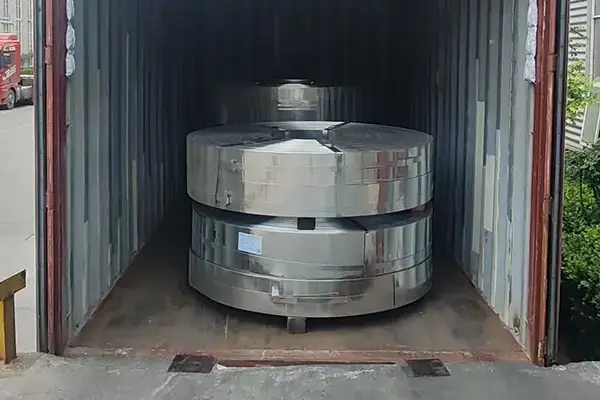
Raw materials: Al-Zn alloy coated steel coils (AZ150/AZ275) or 304 stainless steel coils. Verify sheet thickness, coating weight, and paint finish (PE/HDP/PVDF); ensure surfaces are free from scratches, paint loss, or corrosion. Standard material thickness: 0.5–0.8 mm.
II. Coil Uncoiling and Slitting
1. Load coil onto the uncoiler and unwind the steel strip.
2. Slit lengthwise into narrower strips based on the required developed width for each trim type; discard defective material from the coil ends.
III. CNC Bending and Forming
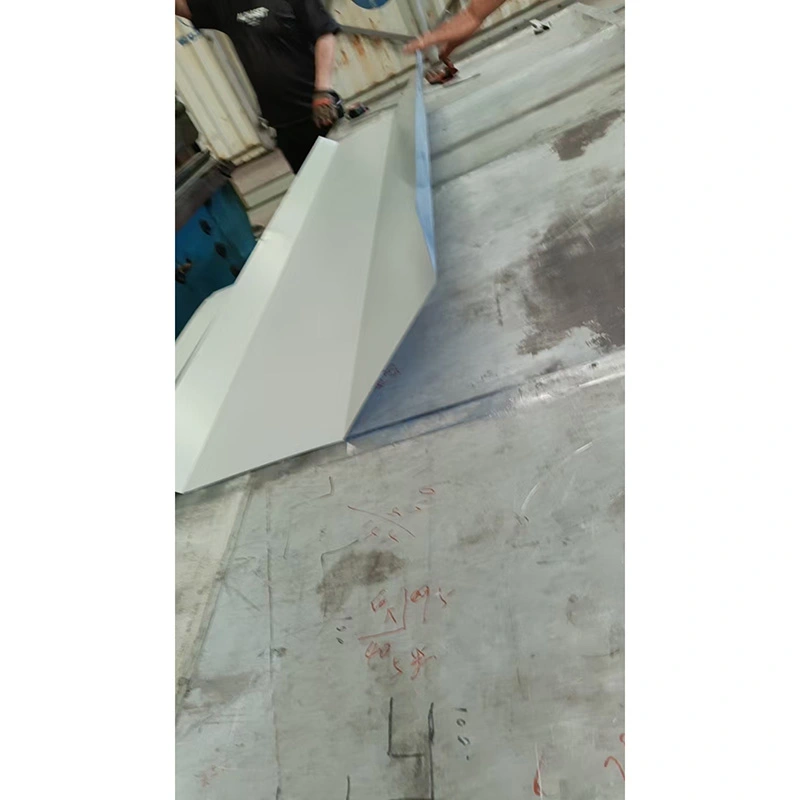
Adjust machinery according to specifications; form shapes—such as internal/external corners, ridge caps, flashing, and door/window surrounds—in a single pass based on drawings, ensuring consistent bend angles and overlap dimensions. Apply protective film throughout the stainless steel processing stage to prevent surface scratches.
IV. Cut-to-Length
Cut to actual project lengths; ensure cut edges are smooth and free of burrs.
V. Finished Product Inspection
1. Measure bending dimensions, width, and angles.
2. Inspect for paint damage, bending cracks, or edge warping; rework any non-conforming items.
VI. Sorting and Packaging
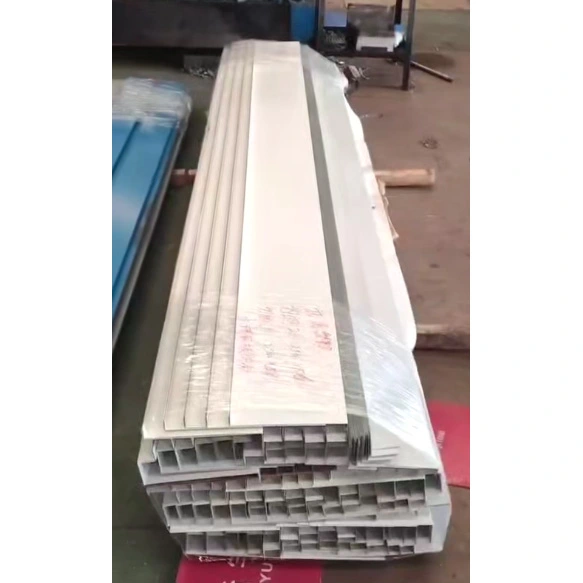
Sort by model; apply protective film to surfaces; bundle and stack on wooden pallets; label with product name, thickness, and specifications.
VII. Packaging and Dispatch of Ancillary Materials
Pack self-tapping screws, blind rivets, butyl tape, and weather-resistant sealant in separate boxes for shipment alongside the trim components.
VIII. On-site Installation Procedure
1. After aligning the edge trim, apply butyl waterproof tape at the panel joints;
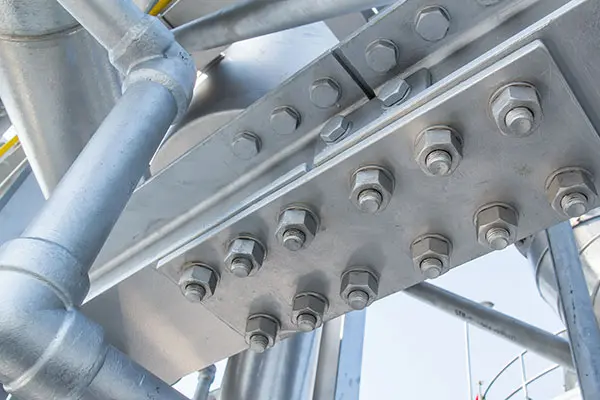
2. Secure with blind rivets or self-tapping screws; apply weather-resistant sealant along the exterior to ensure watertightness.
II. Standard Finished Steel Roof Edge Trim Components for Cladding Specifications
Common developed widths for inside/outside corners, flashings, and ridge caps: 150, 200, 250, 300, 350, 400 mm (custom bending available); Factory lengths: 3 m/4 m/6 m (spliced on-site).
III. Mechanical Properties
1. Base Material Grade: TS280, TS350; Yield Strength: 280 MPa / 355 MPa; Tensile Strength: 380–520 MPa
2. Linear Expansion Coefficient: 1.2 × 10⁻⁵/°C (matches roof and wall panels for synchronized thermal expansion/contraction).
3. Reference weight: 0.6mm ≈ 4.8kg/m²
IV. Specifications for auxiliary sealing materials
1. Butyl water-stop tape: Width 15/20mm; temperature resistance -40°C to 90°C; provides permanent viscoelastic waterproofing.
2. Weather-resistant silicone sealant: UV-resistant; suitable for outdoor use across a wide temperature range.
Contact HAISHENG China supplier of Structural Steel Components, Steel Structure Cladding Components and Structural Steel Fasteners. Our professional sales team will reply with detailed quotation, product parameters and delivery plan within 24 hours to meet your bulk procurement demand.
We use cookies to offer you a better browsing experience, analyze site traffic and personalize content. By using this site, you agree to our use of cookies.Privacy Policy