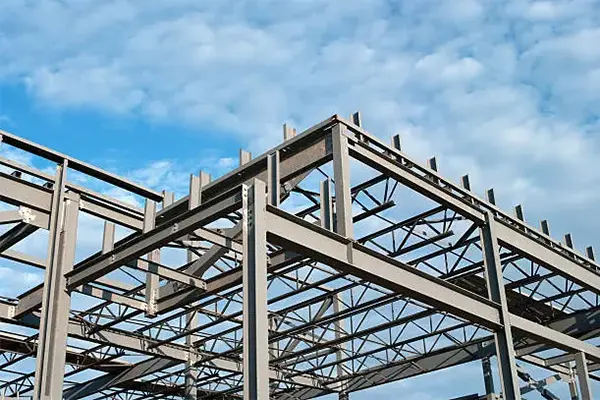
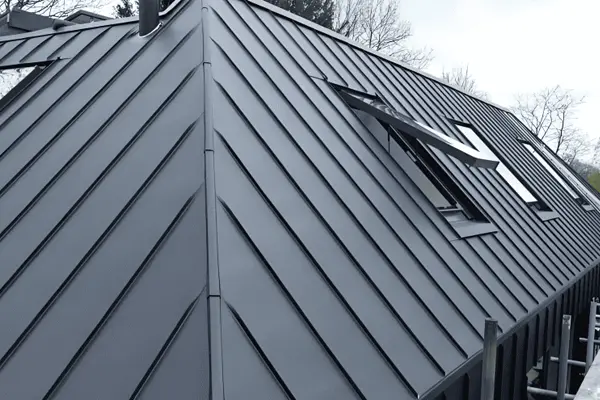
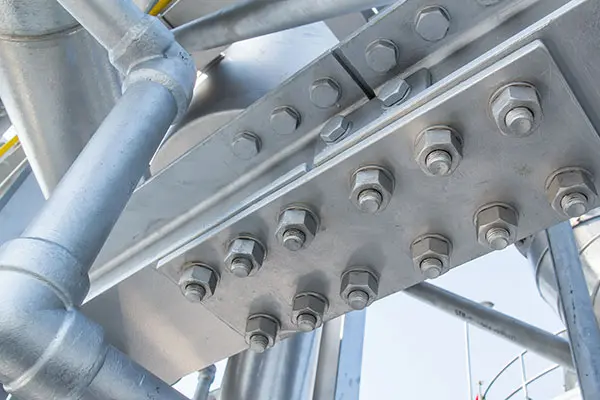
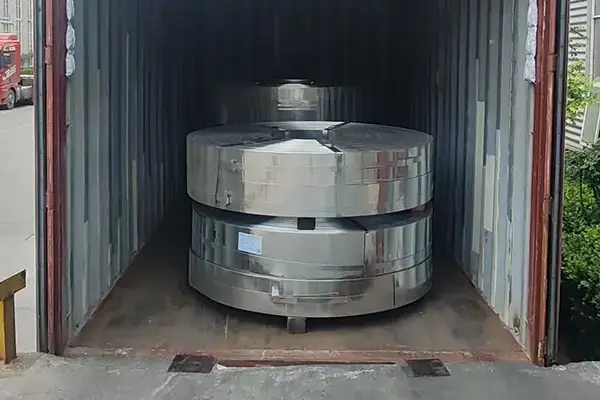
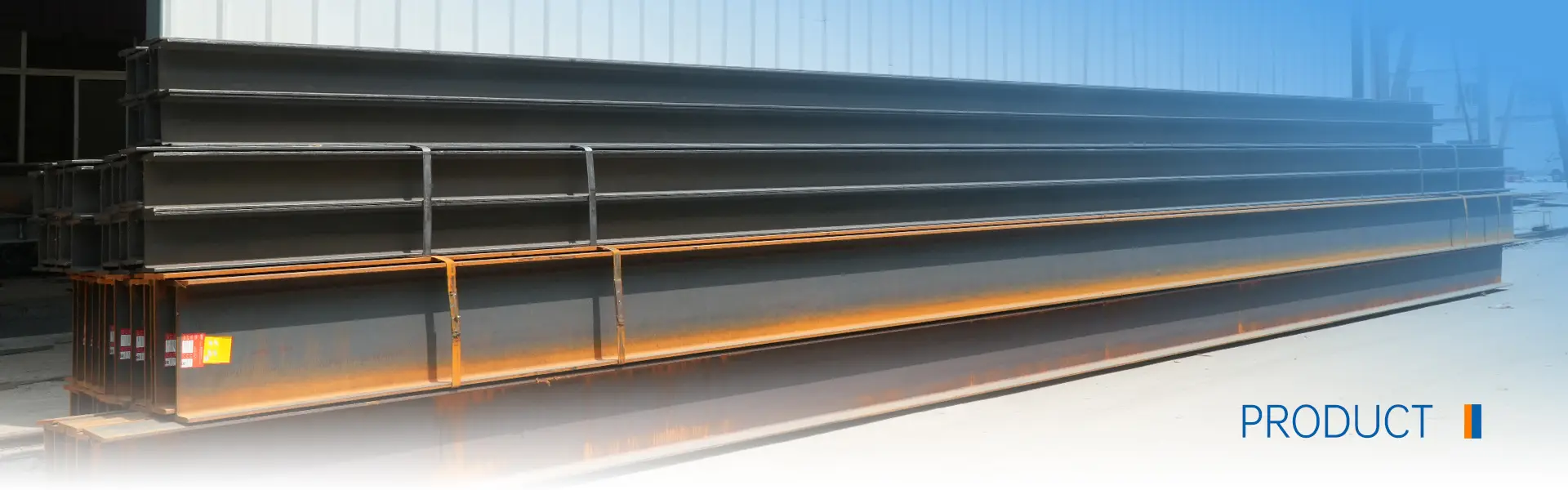
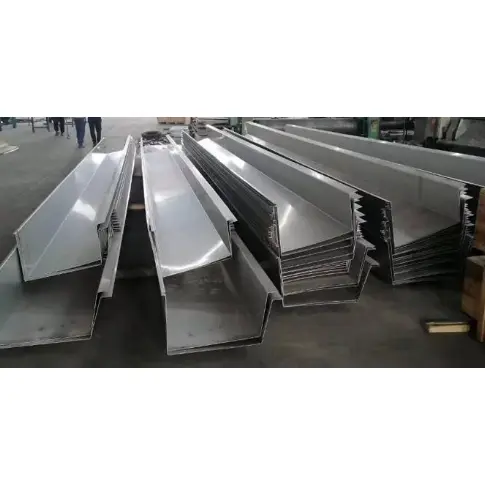
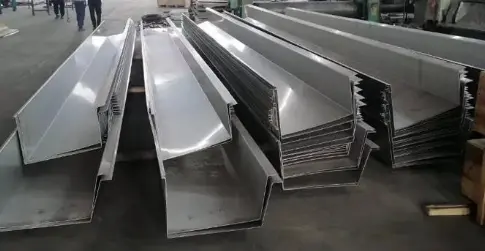
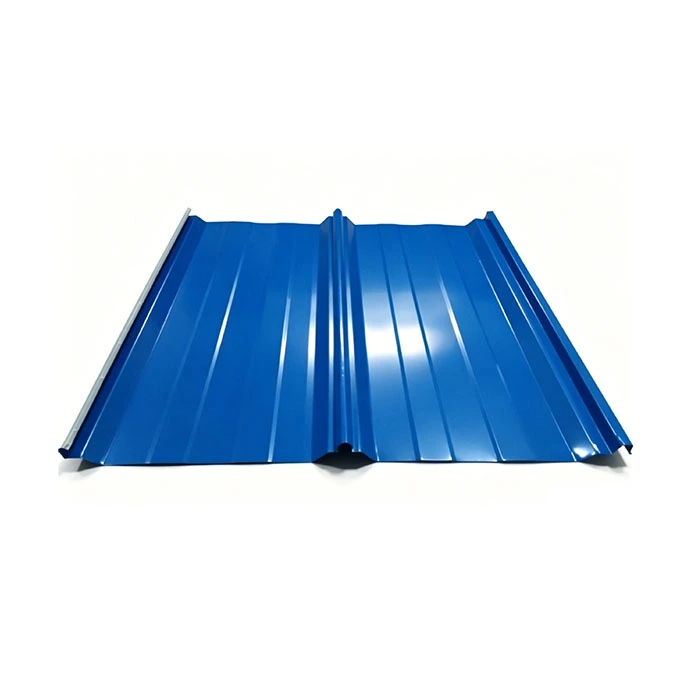
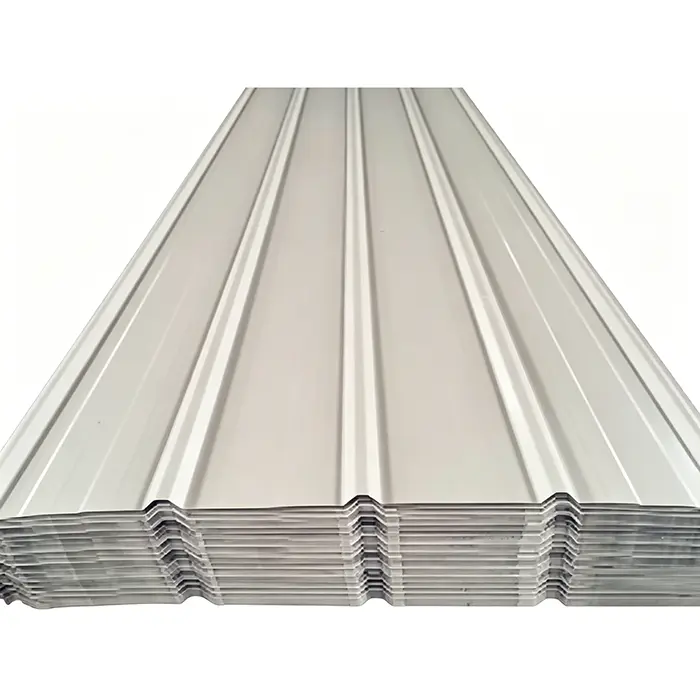
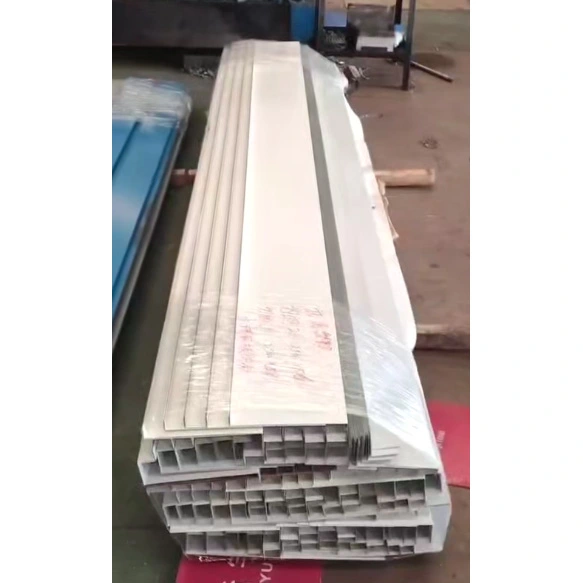
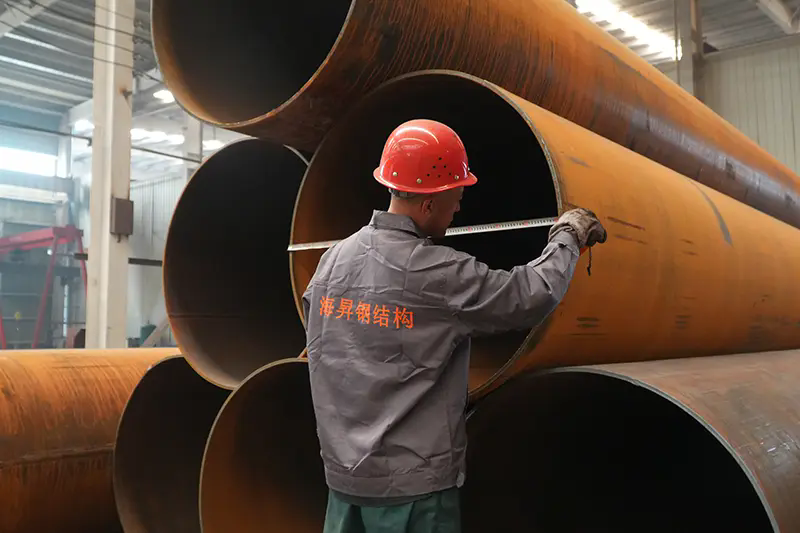
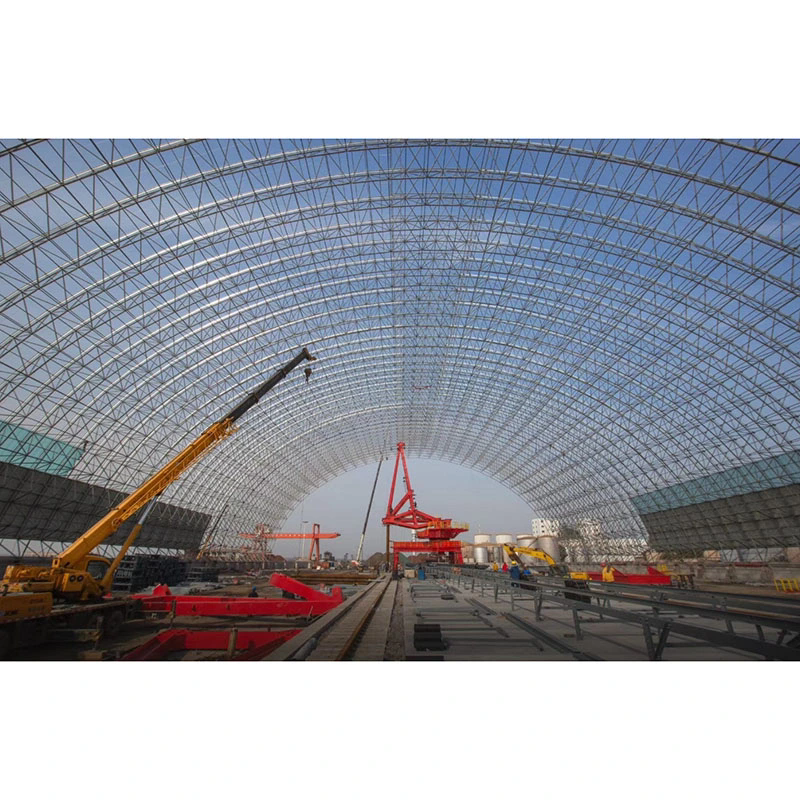
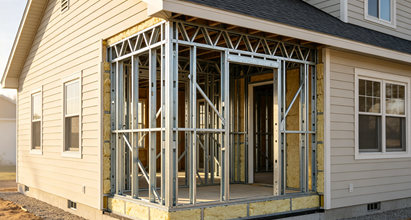
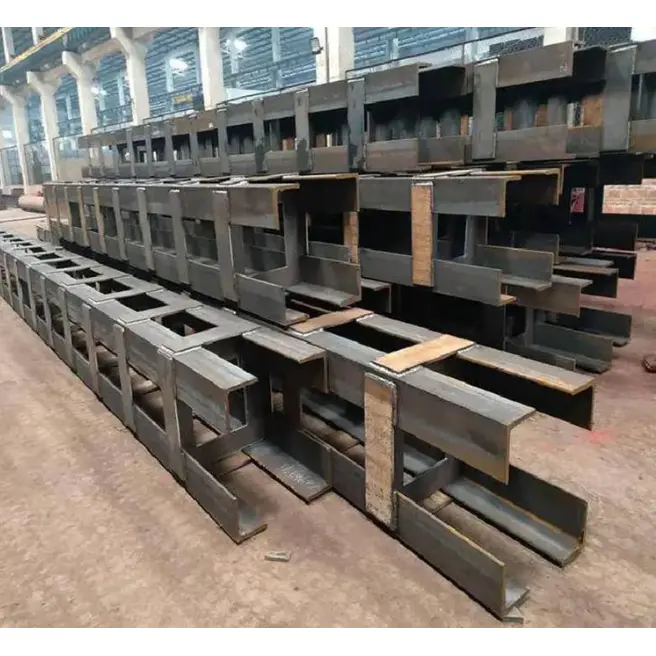
As a reliable manufacturer and one-stop supplier of steel structures in China, HAISHENG provides Steel Roof Gutter System for Buildings. These are trough-like drainage components installed between roof spans, at the junctions of high and low roof sections, or along parapet walls. They serve as core elements of organized drainage systems, collecting rainwater from the roof and channeling it into downpipes for discharge, thereby preventing uncontrolled runoff from eroding walls and foundations.
Steel Roof Gutter System for Buildings consist of drainage troughs positioned at the eaves to collect rainwater from the roof's color-coated steel panels and direct it outdoors via downpipes. They are essential components of drainage systems for light steel industrial plants, space frames, and reticulated shell roofs. Available types include factory-finished color-coated steel gutters, stainless steel gutters, and gutters formed on-site from galvanized steel sheets; they are secured to eave secondary purlins or steel cantilever beams.
System Configuration Overview
1. Main Trough Body
1) Color-coated steel gutter: Uses the same Al-Zn alloy coated base material (AZ150/AZ275) as the roof; thickness 0.6–1.0mm; standard opening widths of 200/250/300mm; the mainstream choice for inland industrial plants.
2) 304 Stainless steel gutter: Thickness 0.7–1.2mm; designed for coastal areas and environments with chemical corrosion risks.
3) On-site formed galvanized steel gutter: 1.2–2.0mm hot-dip galvanized sheet bent on-site; suitable for long-span space frames and extra-long eaves.
2. Load-bearing & Fixing Components
Gutter brackets (hot-dip galvanized flat bar or angle iron): Spaced at 600–800mm intervals; fixed to eave C-section cantilever purlins;
Eave edge purlins and cantilever beams: Support the gutter load.
3. Joint & Waterproofing Accessories
Splicing caps and end plates (for sealing gutter ends);
Butyl waterproof sealing tape, weather-resistant structural sealant, and blind rivets;
Expansion joints: Installed approximately every 12 meters for extra-long gutters to accommodate thermal expansion and contraction.
4. Downspout System Components
1) Rainwater hopper: Welded or snap-fitted to the bottom of the gutter to channel rainwater;
I. Lightweight; does not increase the load on the main steel structure
Color-coated steel or stainless steel gutters are formed from thin-gauge material and weigh far less than cast-in-place concrete eaves gutters. They can be secured directly to the eave purlins without requiring larger steel columns or ring beams, thereby saving on the cost of the main steel structure. They are suitable for various long-span steel roofing systems, including portal rigid frames, space frames, and reticulated shells.
II. Rapid construction, dry assembly, and short project duration
Factory-finished gutter segments are assembled on-site using rivets and sealed joints, eliminating wet processes like formwork, casting, and plastering. Rapid segmented installation of extra-long eaves significantly shortens the roof finishing phase, whereas concrete gutters require long curing periods and are highly weather-dependent.
III. Excellent waterproofing integrity and low leakage risk
1. Panels are formed via integrated bending, ensuring no seams in the panel body; joints feature a triple-waterproofing system: butyl sealing tape, weather-resistant sealant, and rivets.
2. Integrated expansion joints accommodate thermal expansion and contraction, preventing cracks and leaks in long gutters caused by thermal stress; concrete gutters are prone to cracking, joint failure, and subsequent leakage.
IV. Flexible material grading; weather and corrosion resistance suited to various environments
Coastal/Chemical zones: 304 stainless steel. Materials are tailored to dry, rainy, and salt-spray environments, offering service lives of 8–25 years.
V. High design adaptability; suitable for irregular eaves
Custom bending allows for curved reticulated shells, fan-shaped eaves, and variable-width gables, easily complementing circular or irregular roofs; conversely, constructing irregular concrete gutters is costly and difficult.
VI. Simple post-installation maintenance
Localized leaks can be fixed by replacing a single gutter segment and resealing; the openable design allows for easy removal of accumulated debris; the steel material is recyclable and can be dismantled and reused during facility renovations.
VII. Smooth drainage; smooth inner walls prevent sediment buildup
Cold-rolled forming ensures smooth, flat inner walls that resist mud and grime accumulation; rapid rainwater flow and superior drainage capacity during heavy storms (compared to rough concrete channels) reduce the risk of overflow and backflow onto the roof.
VIII. Controllable costs
The overall cost of standard steel roof gutter systems is lower than that of cast-in-place concrete gutters, with even greater economic advantages for extra-long, large-span space frame roofs.
What are the key differentiators?
I. Lightweight Design Compatible with Steel Structures
Thin-walled color steel or stainless steel gutters are extremely lightweight; they can be suspended using only eave purlins or brackets without requiring larger steel columns or foundations. They are the preferred choice for space frames, reticulated shells, and long-span light steel roofs. In contrast, concrete gutters impose heavy dead loads and require additional concrete ring beams, significantly increasing civil construction costs.
II. Dry Assembly and Rapid Installation
Gutters are factory-fabricated to specific lengths and assembled on-site using blind rivets and sealant, eliminating the need for formwork, pouring, plastering, or curing. Eave installations for factory buildings spanning tens of thousands of square meters can be completed in just a few days. Concrete gutters are constrained by temperature and weather (rain/snow) and require long curing periods, resulting in a significant difference in construction timelines.
III. High Waterproof Reliability and Thermal Expansion/Contraction Resistance
1. Gutters feature seamless, integrally bent bodies with joints only between sections. Systems utilize butyl tape, weather-resistant sealant, and expansion joints to eliminate risks of cracking due to thermal expansion and contraction.
2. Concrete gutters are prone to cracking, leakage, and joint failure due to thermal expansion, contraction, and settlement. PVC gutters become brittle and crack in low temperatures, while deforming and sagging in high temperatures.
IV. Material Grading for Region-Specific Corrosion Resistance
Options range from AZ150 Al-Zn coated steel (inland) and AZ275 high-zinc coated steel (rainy areas) to 304 stainless steel (coastal/chemical zones), offering service lives from 5 to 25 years. Alternatives like brick gutters suffer from efflorescence and weathering, concrete crumbles easily, and standard PVC degrades under UV exposure.
V. High Formability for Irregular Roofs
On-site bending allows for customization to fit curved eaves (reticulated shells), fan-shaped gables, and variable-section eaves. Constructing irregular gutters from concrete or brick is complex and costly.
VI. Smooth Interior Walls for Efficient Drainage
Cold-rolled forming ensures smooth interior walls that resist sediment accumulation, ensuring unobstructed drainage during heavy rain and reducing the risk of water backflow into the roof. Concrete and brick gutters have rough interiors that trap sediment, making them highly prone to clogging and overflow.
VII. Advantages in Maintenance and Dismantling
Localized leaks require only the disassembly of a specific section for re-sealing and repair; for factory renovations, the system can be fully dismantled and reused, and the steel material can be recycled for value. In contrast, damaged concrete or brick gutters must be chipped away and rebuilt, generating significant construction waste that cannot be reused.
VIII. Outstanding Cost-Effectiveness
The overall cost of Steel Roof Gutter System for Buildings is lower than that of cast-in-place concrete gutters; it offers a massive cost advantage over stainless steel gutters and custom stone channels.
Standard Manufacturing Process
I. Raw Material Inspection
1. Color-coated Steel Roof Gutter System for Buildings: AZ150/AZ275 Al-Zn coated coils, thickness 0.6–1.0mm;
2. Stainless steel: 304 stainless steel coils, 0.7–1.2mm; verify thickness, coating, and paint film; ensure surfaces are free of scratches and corrosion.
II. Uncoiling and Slitting
Load steel coil onto the uncoiler → slit longitudinally according to the gutter's developed width; remove defective material from the coil ends.
III. Bending and Forming
1. Feed narrow strips into the CNC bending machine; bend into the standard U-shaped gutter profile according to drawings (standard opening widths: 200/250/300mm);
2. Formed via integrated bending; the gutter body has no intermediate seams, and corner radii are smooth.
IV. End Fitting Fabrication
Cut from the same raw material: bend and form end caps, expansion joint covers, rainwater hopper connection plates, and flashing components.
V. Hole Cutting
CNC-cut holes for rainwater outlets; ensure edges are smooth and burr-free for subsequent hopper assembly.
VI. Finished Product Inspection
1. Measure channel opening width, depth, and bending dimensions;
2. Inspect paint/stainless steel surfaces for dents or cracks; rework any non-conforming items.
VII. Packaging
Wrap individual gutters in protective film → stack on wooden pallets by category; label with specifications, material, and length; pack end caps and brackets separately in boxes.
VIII. Processing of Auxiliary Components
1. Gutter brackets: Cutting and bending of hot-dip galvanized flat bars or angle steel;
2. Downpipes, elbows, and pipe clamps: Cutting and processing to size.
IX. On-site Installation and Assembly
1. Install galvanized brackets at the eaves with a spacing of 600–800mm;
2. Position gutter sections; at overlap joints, apply butyl sealing tape, secure with blind rivets, and seal the exterior with weather-resistant sealant;
3. Install expansion joints for extra-long sections; install rainwater hoppers and downpipes;
4. Extend roof panels into the inner side of the gutter; install eave flashing/trim to ensure a watertight seal.
X. Key Differences in Processing: Color-Coated Steel vs. Stainless Steel
Color-coated steel: No anti-corrosion treatment after forming; relies on the factory-applied coating/paint finish;
Stainless steel: Prone to scratching during bending; protective film used throughout processing; on-site welds sealed to prevent rust.
Core Performance Parameters
I. Base Material Parameters
1. Steel Roof Gutter System for Buildings (Al-Zn Coated Steel)
Contact HAISHENG China supplier of Structural Steel Components, Steel Structure Cladding Components and Structural Steel Fasteners. Our professional sales team will reply with detailed quotation, product parameters and delivery plan within 24 hours to meet your bulk procurement demand.
We use cookies to offer you a better browsing experience, analyze site traffic and personalize content. By using this site, you agree to our use of cookies.Privacy Policy