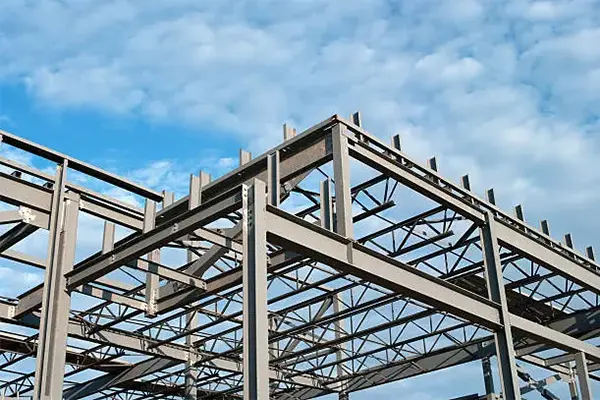
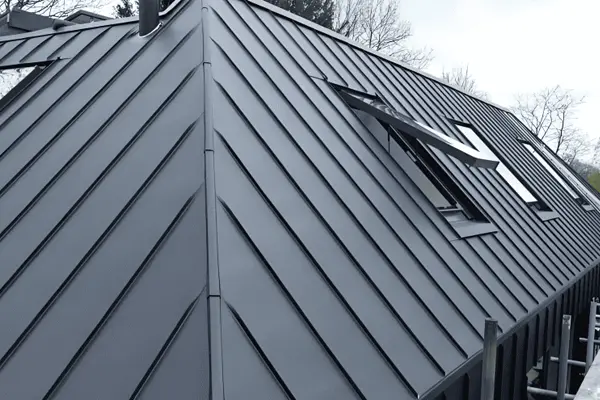
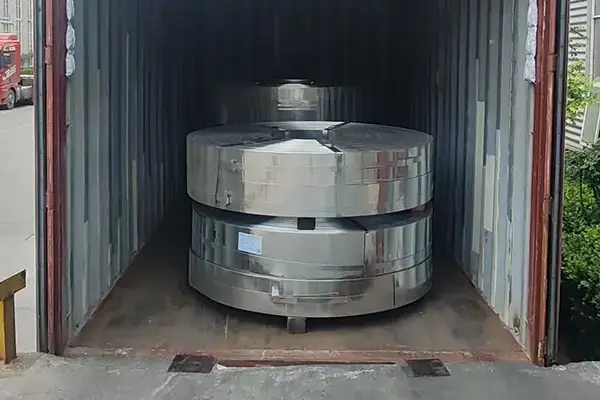
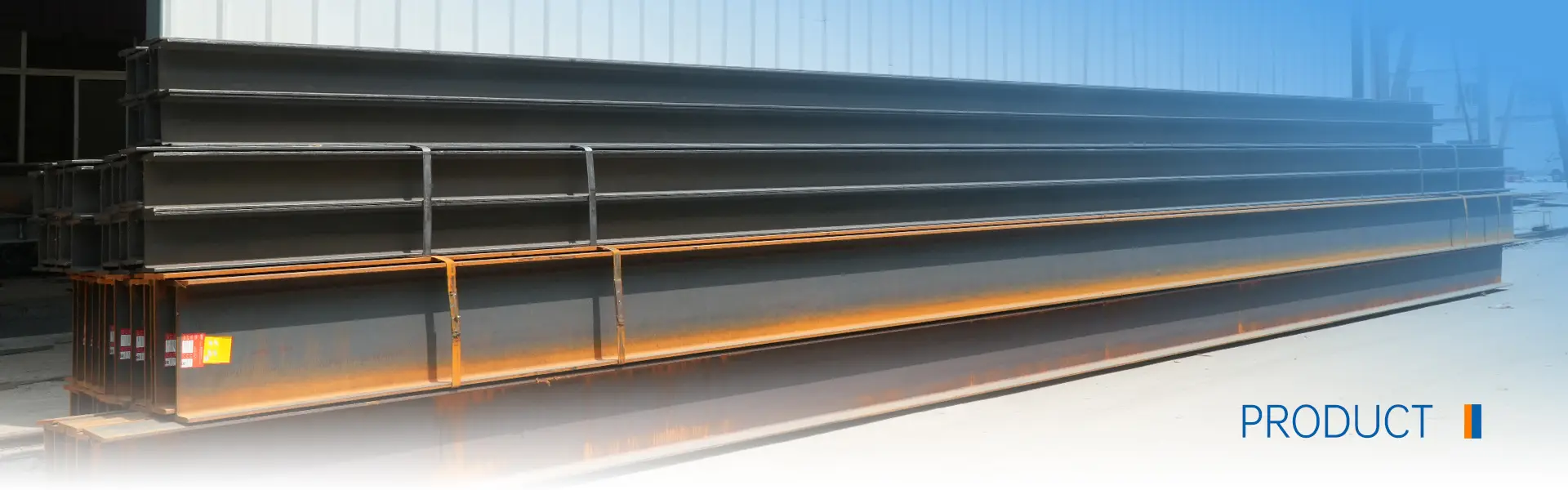
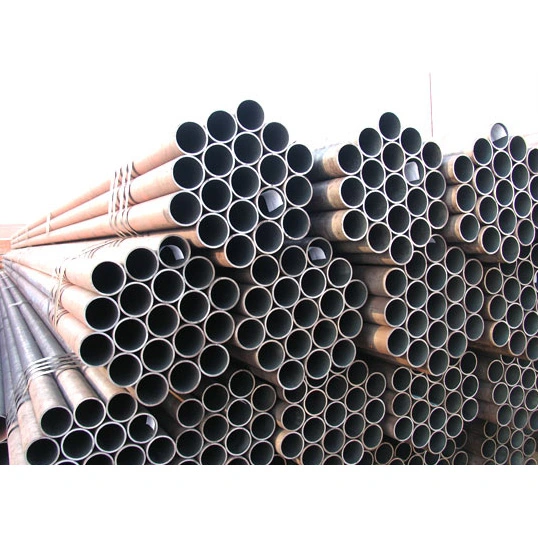
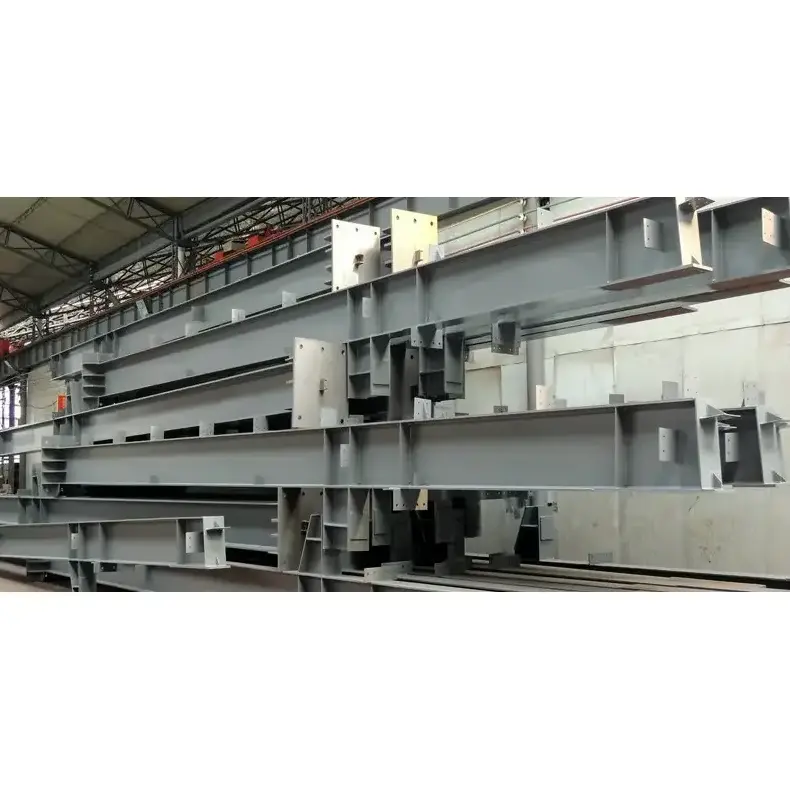
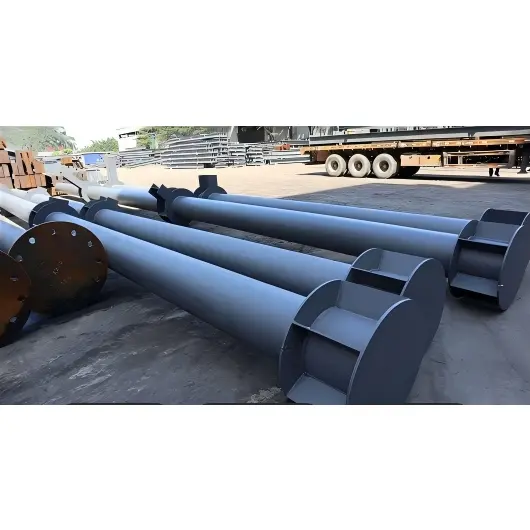
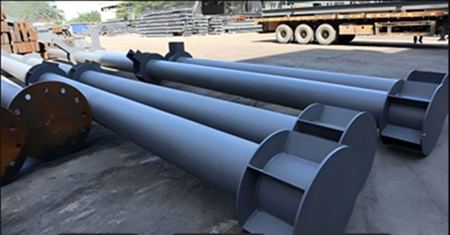
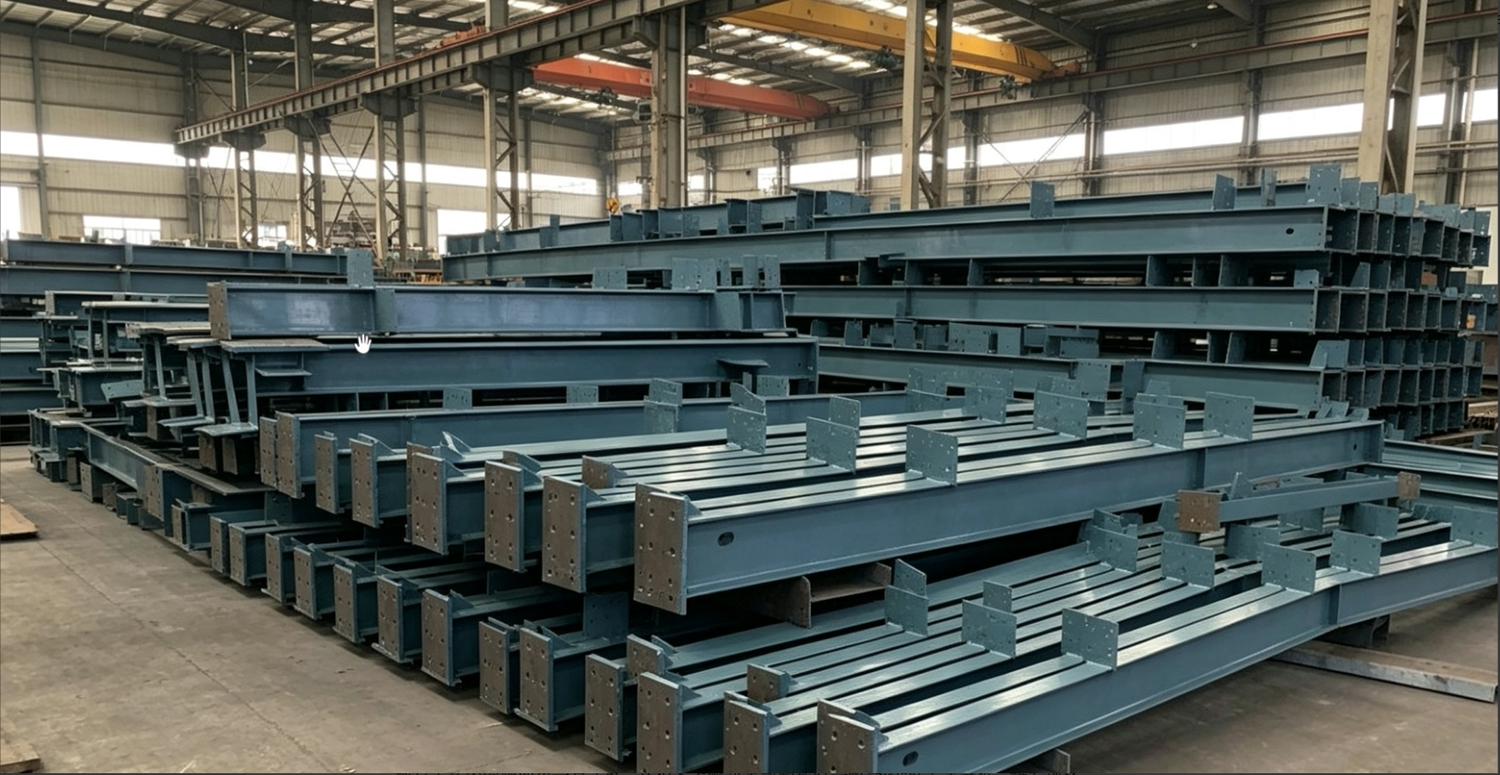
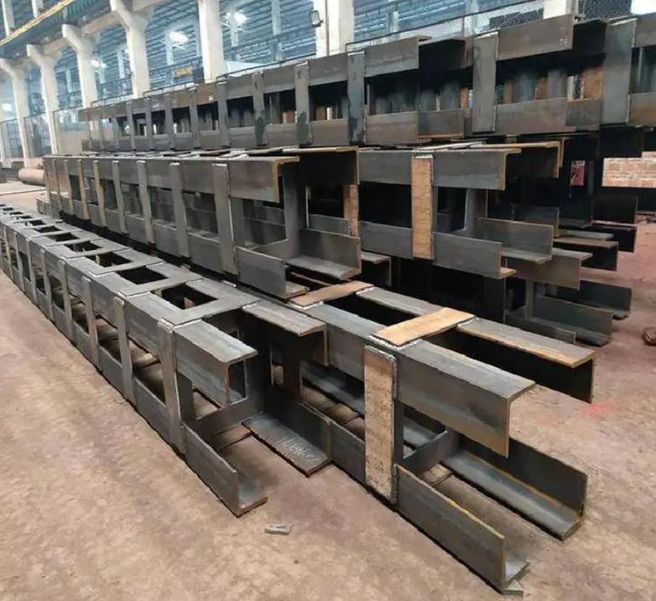
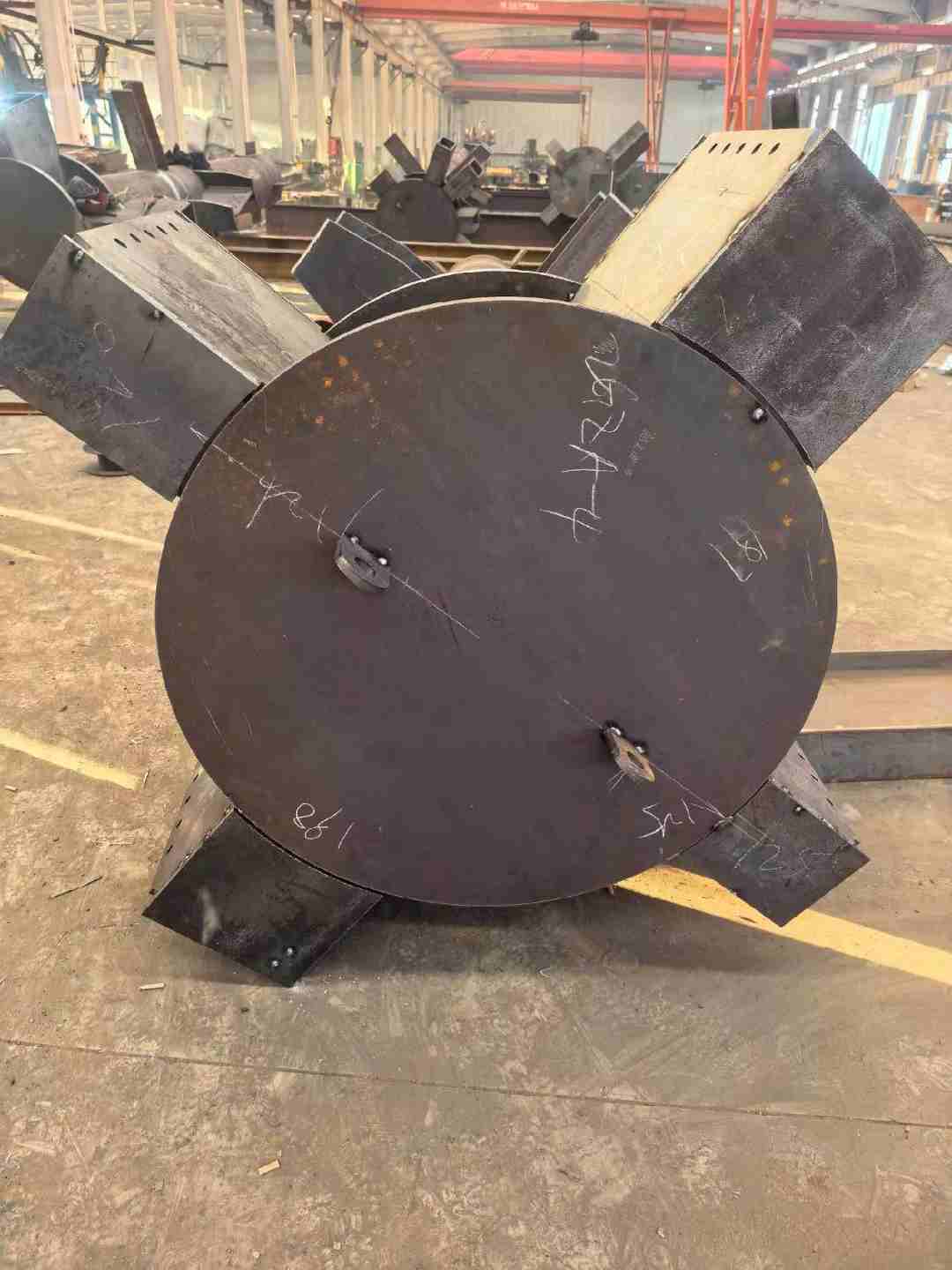
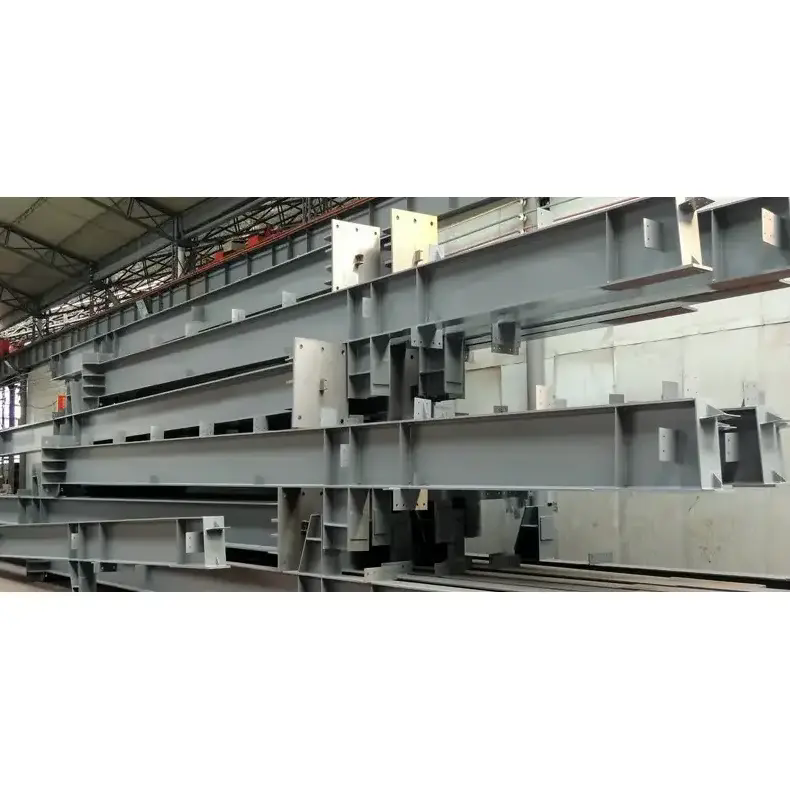
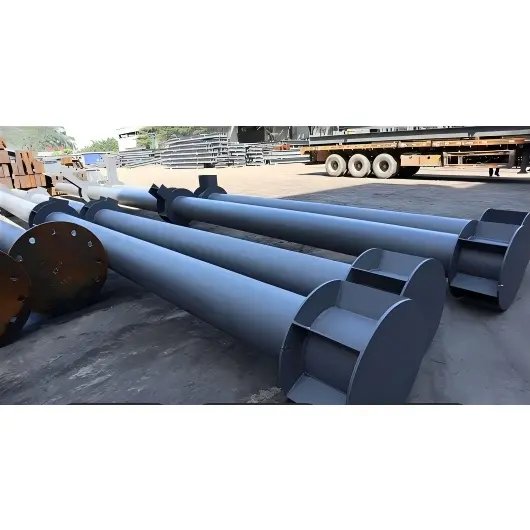
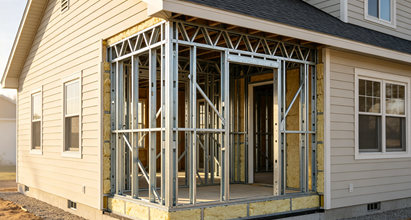
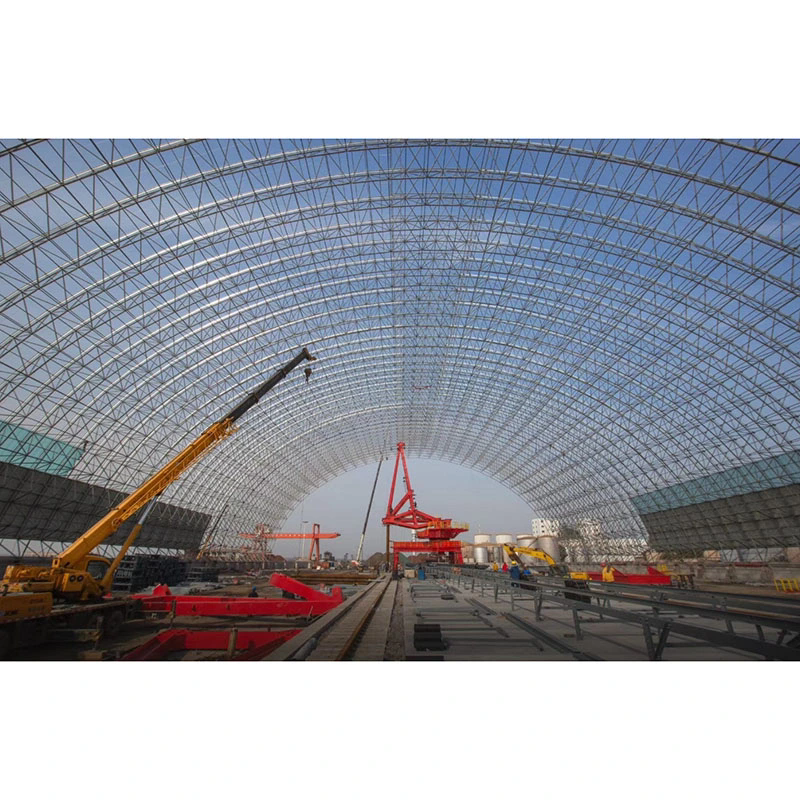
Are you looking for a high-quality manufacturer of steel structure columns? HAISHENG specializes in supplying a wide range of structural steel components. Steel structure columns serve as the core vertical load-bearing elements in steel building systems. Fabricated primarily from high-quality Q235B and Q355B steel, they come in various types, including H-section columns, I-beams, cruciform columns, circular and square hollow sections, and complex curved or twisted columns.
Our products undergo precision factory processing—including straightening, edge beveling, and anti-corrosion/fireproofing treatments—resulting in high strength, superior load-bearing capacity, excellent stability, rapid installation, and outstanding seismic performance. Suitable for standard structures, long-span spatial structures, and architecturally complex designs, they are widely used in industrial plants, public venues, high-rise buildings, municipal landmarks, and other steel construction projects.
Product Definition
Steel structure columns are the primary vertical load-bearing components in steel building systems. Fabricated from high-strength Q235B and Q355B steel, they are precision-manufactured through processes such as cutting, assembly, welding, straightening, flaw detection, and the application of anti-corrosion and fire-resistant coatings. The product range includes H-section columns, square and circular hollow sections, cruciform columns, and complex curved or twisted columns. As the core vertical load-bearing element, the steel column supports the entire load from the structure above and transfers it evenly to the foundation; it is a critical component determining the building's overall rigidity, vertical stability, lateral resistance, and seismic performance.
Product Features
1. High Load-Bearing Capacity and Strong Vertical Stability: Made from uniform, high-strength material, these columns offer stable compressive performance and resistance to buckling deformation. They can support heavy vertical loads, meeting the structural requirements of high-rise, long-span, and heavy-duty buildings.
2. High Overall Rigidity and Excellent Lateral Resistance: With regular cross-sections and efficient load distribution, these columns—when combined with bracing systems—effectively resist wind loads and horizontal seismic forces. They minimize structural lateral drift, ensure high overall rigidity, and provide a significant margin of safety for the building.
3. Lightweight with Low Foundation Load: Significantly lighter than concrete columns, they effectively reduce pressure on the foundation and lower construction costs; they are particularly suitable for soft soil foundations and long-span structures.
4. Excellent Seismic Resilience and High Safety Factor: Steel possesses superior ductility and toughness, allowing it to dissipate energy through slight deformation during seismic events; it is resistant to brittle collapse, offering seismic performance far superior to traditional concrete structures.
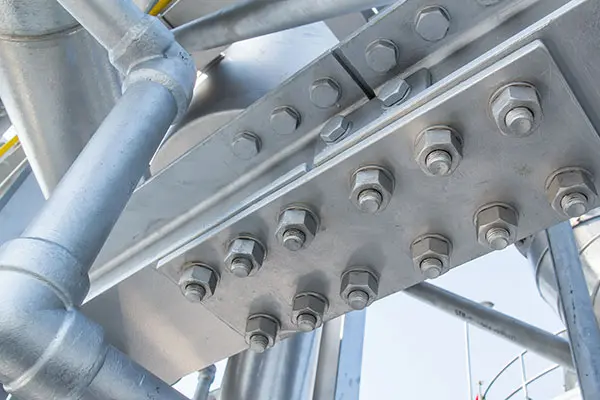
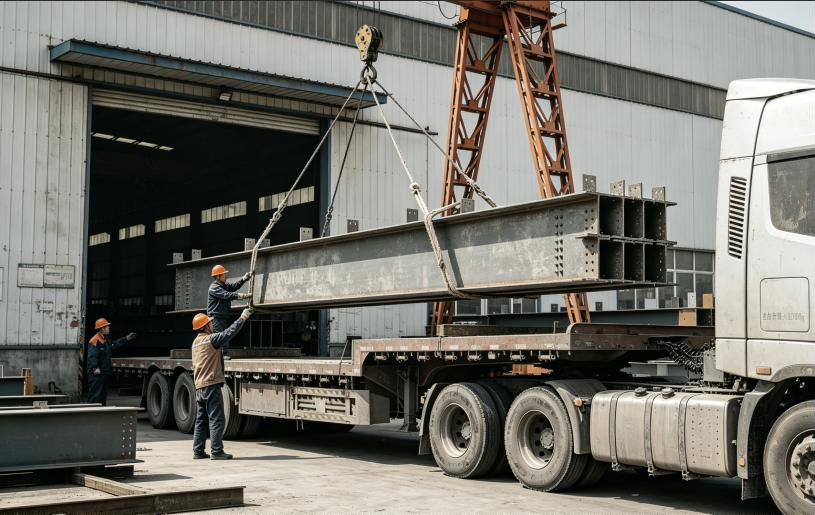
5. High Degree of Prefabrication and Rapid Construction: Manufactured as integrated units in the factory, they are directly hoisted, aligned, and bolted on-site. They require no curing, offer short construction cycles, are minimally affected by weather, and ensure high dimensional precision.
6. High Design Flexibility and Broad Applicability: Capable of forming straight, inclined, bifurcated, and complex curved or twisted columns, they meet the aesthetic and structural requirements of conventional buildings, long-span venues, and unique landmark structures.
7. Controllable Durability and Easy Maintenance: Treated with anti-corrosion and fire-resistant processes, they exhibit strong weather resistance. Inspections, reinforcements, and replacements are convenient; structural issues are easily visible, resulting in low operation and maintenance costs.
Product Function
Steel structure columns primarily serve to bear vertical loads, transfer loads, and ensure overall structural stability. They support all superstructure loads—including steel beams, floor systems, roofing, and equipment platforms—while resisting horizontal loads such as wind and earthquakes. Acting as the vertical core support for steel frame systems, they ensure the stability of the entire building structure. They are suitable for various applications, including vertical extensions, mezzanines, architectural shaping, large-scale equipment support, and structural reinforcement.
Application Scope
Steel structure columns are widely used across a full range of steel structure projects, including standard industrial plants, warehouses, logistics parks, high-rise steel buildings, office towers, commercial complexes, exhibition centers, stadiums, high-speed railway stations, airport terminals, municipal pedestrian bridges, landscape landmarks, uniquely shaped architectural structures, open-air projects, and buildings in corrosive coastal environments.
Key Differentiators
1. Superior Structural Performance: Compared to concrete columns or simple steel posts, engineered structural steel columns offer uniform material properties, higher strength, and better toughness. They exhibit superior resistance to buckling, vibration, and fatigue, providing a greater margin of structural safety.
2. Higher Space Utilization: For the same load-bearing capacity, steel columns have smaller cross-sections, occupying less interior space and effectively increasing usable floor area. They allow for wider spans and more open sightlines, making them ideal for large-scale commercial spaces and venues.
3. Significant Construction Efficiency: Fully prefabricated in the factory and assembled on-site, these columns require no curing period. Construction speed is several times faster than that of concrete columns, drastically shortening the overall project timeline.
4. Advanced Design Flexibility and Adaptability: Capable of forming complex, non-standard shapes—such as curved, twisted, inclined, or bifurcated structures—steel columns enable architectural forms that are impossible to achieve with traditional concrete components, offering exceptional artistic expression.
5. Green, Low-Carbon, and Recyclable: Steel is 100% recyclable and reusable. Construction is pollution-free and generates minimal waste, meeting green prefabricated building standards and offering superior cost-effectiveness over the entire lifecycle.
6. Controllable and Traceable Quality: Steel columns undergo rigorous factory inspections—including flaw detection, mechanical testing, and dimensional verification—ensuring consistent quality and transparent acceptance processes. Compared to cast-in-place structures, they offer greater reliability and less quality variability.