Tianjin Haisheng Steel Structure Co., Ltd.
Products
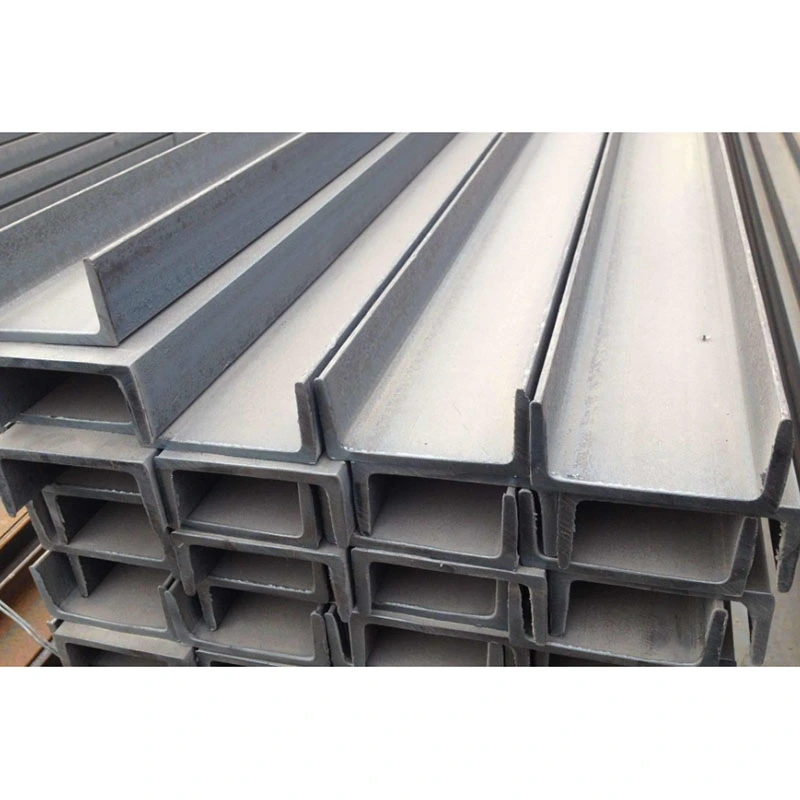
Hot Rolled Structural Steel Channel
  • Hot Rolled Structural Steel ChannelHot Rolled Structural Steel Channel

Hot Rolled Structural Steel Channel

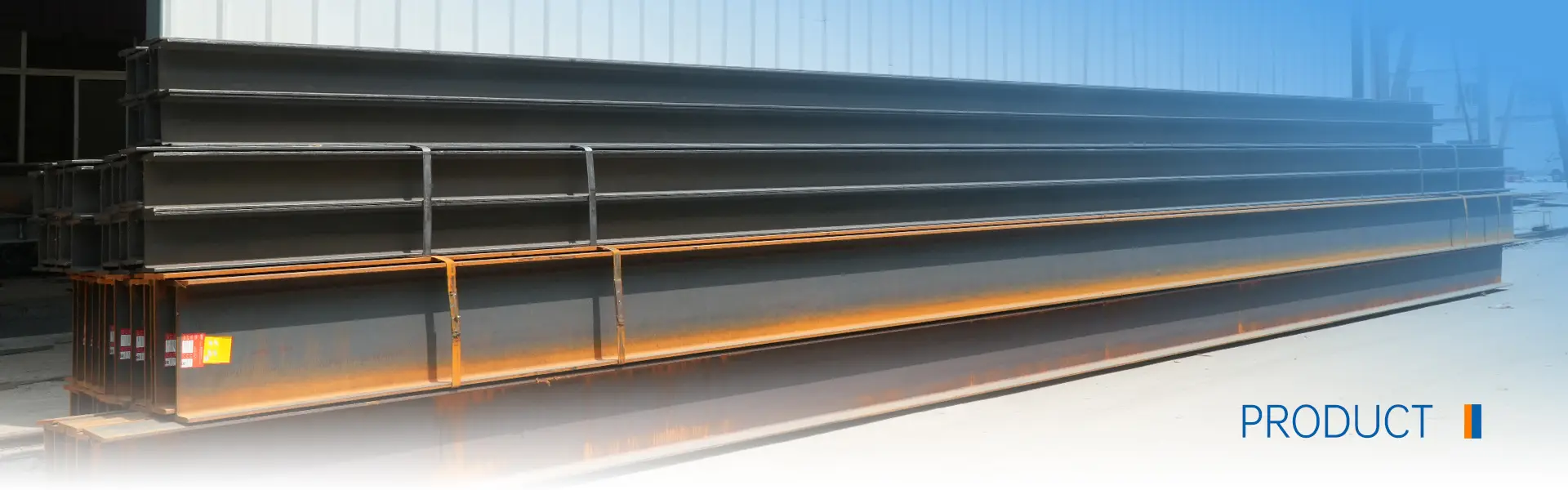
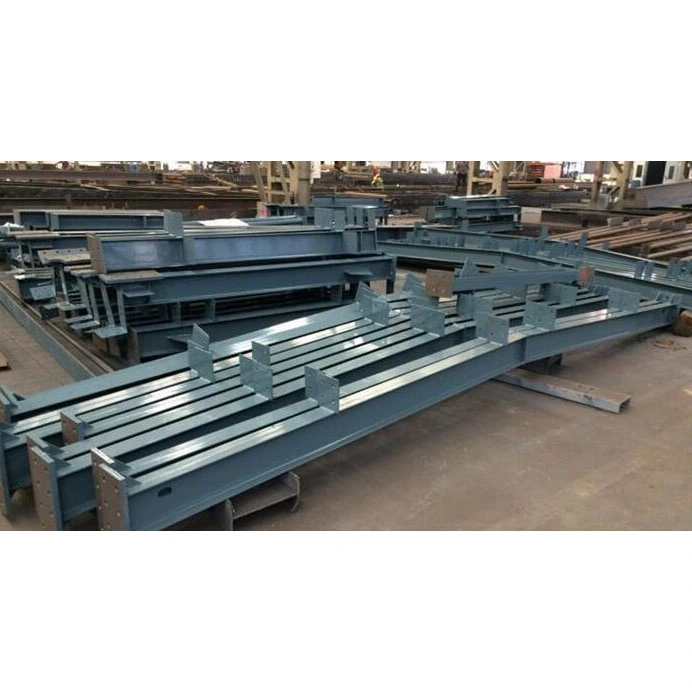
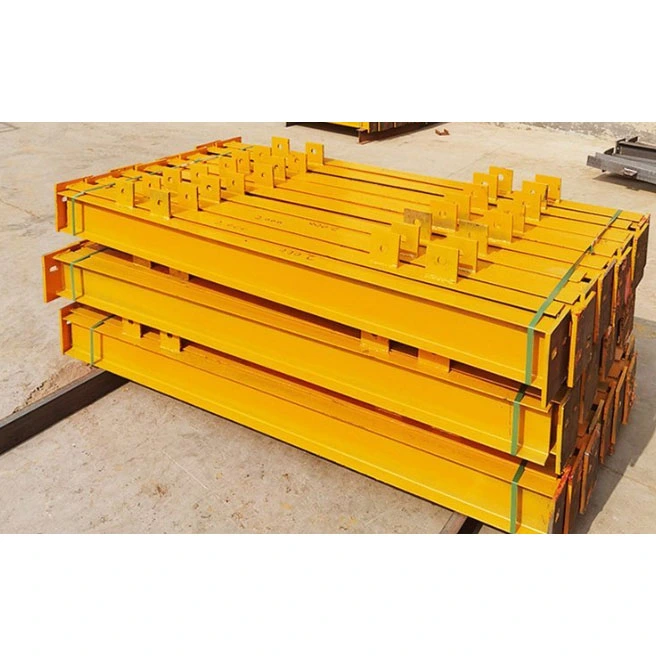
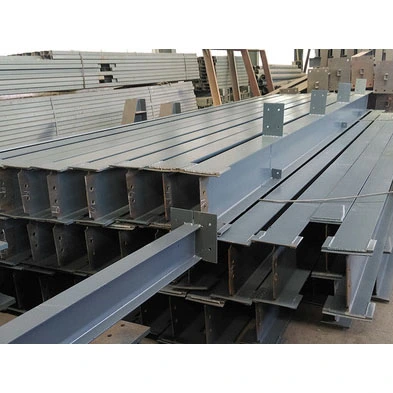
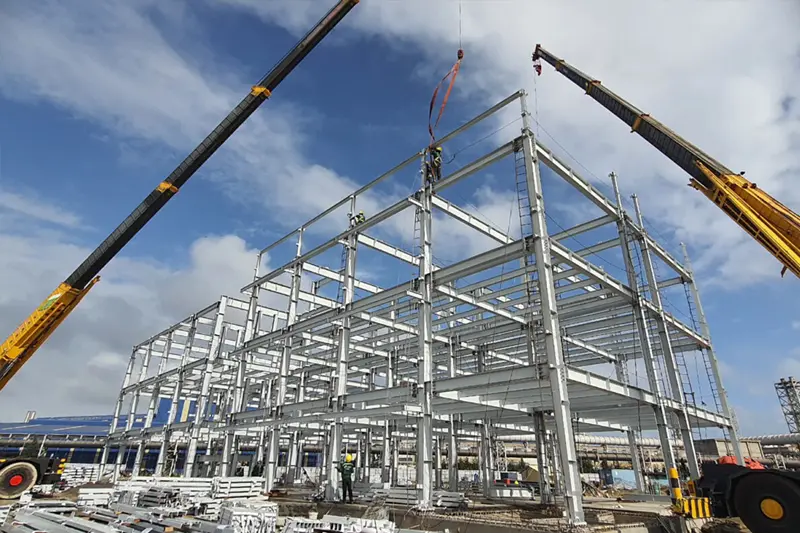
HAISHENG is a professional steel structure manufacturer and one-stop supplier in China, offering readily available stock of Hot Rolled Structural Steel Channels. We provide domestic and international buyers with services such as component drilling, connection welding, and custom anti-corrosion treatments, handling everything from small top-up orders to large-scale project procurement for various steel structure reinforcement and auxiliary construction applications.

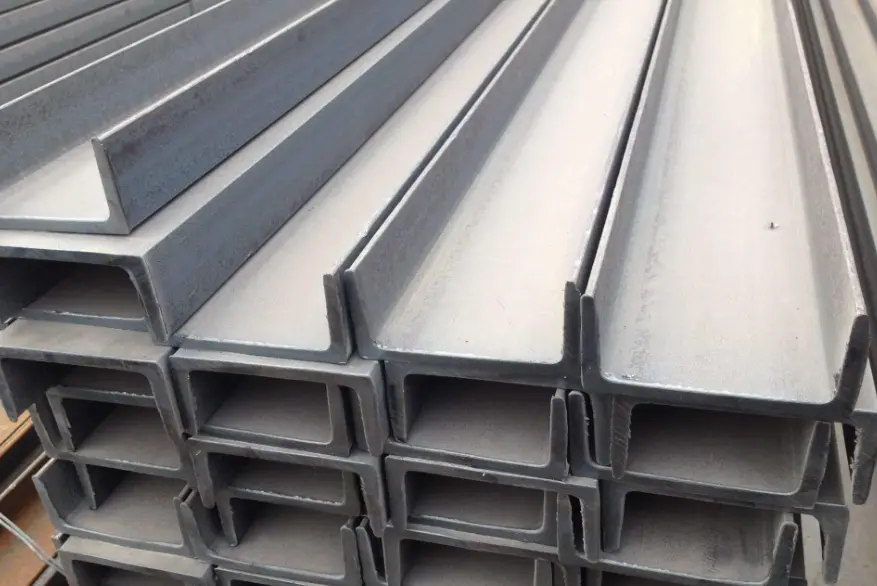
Hot Rolled Structural Steel Channels are the most widely used lightweight, open-profile sections in steel construction. Unlike H-beams or I-beams—which are designed for bidirectional bending—these channels utilize a single-sided U-shaped opening to provide unique clamping and restraining capabilities. They are specifically designed for auxiliary load-bearing applications such as frame bracing, support bases, embedded wall components, and purlin framing. Unlike cold-formed thin-walled C-sections, hot-rolled channels feature a dense metallurgical structure and superior resistance to compressive deformation, making them suitable for demanding environments, including industrial sites and humid outdoor locations.

Leveraging our existing raw material inventory, HAISHENG performs only secondary precision processing—eliminating the need for plate splicing and ensuring short delivery times. We also offer back-to-back welding modifications to enhance torsional rigidity, effectively meeting the requirements for the vast majority of lightweight steel structure auxiliary components.

Hot Rolled Structural Steel Channel

Product Categorization and Cross-Section Identification

1. Distinction Between Two Types of Channel Sections

- Hot Rolled Structural Steel Channel: Formed in a single piece at high temperatures in the steel mill; features uniform web and flange thickness and an inherent slope on the inner flange surface; offers high base-material toughness and impact resistance; suitable for load-bearing permanent structural applications.

- Cold-Formed C-Channel: Formed by roll-bending thin steel sheets at ambient temperature without heat treatment; features thinner walls and lower self-weight; used only for light-gauge steel roof purlins and interior framing; not permitted for use as load-bearing tension members.

2. Model Designation and Dimensional Definitions

- Designation Standard: Named using the format `[` + number + suffix `a` or `b` (e.g., `[14a`, `[16b`); suffix `a` denotes a lightweight model with thinner flanges, while `b` denotes a heavy-duty model with thicker flanges.

- Cross-Section Parameters: Defined by four parameters—web height (h), flange width (b), web thickness (tw), and flange thickness (tf). All Hot Rolled Structural Steel Channels feature an inherent slope on the inner flange surface, making them incompatible with standard connectors used for I-beams or H-beams.

- Factory Standard Lengths: Supplied in standard lengths of 6m, 9m, and 12m; non-standard lengths are not available from the factory; extra-long members require on-site beveled butt-welding.

3. Material Selection Criteria

- Q235B: Suitable for standard indoor environments, dry outdoor areas, general piping supports, and wall embedments; 95% market availability; lowest procurement cost.

- Q355B: Suitable for dusty industrial environments, areas with equipment vibration, heavy-duty brackets, and high-wind-load tension connections; offers 51% higher yield strength and superior resistance to cyclic (alternating) loads.


Factory-Supplied Precision Finishing and Standardized Solutions

1. Standard Finished Components

- Main Channel Body: Cut to length using CNC cold saws; end faces are perpendicular and smooth, free from the oxidation burrs associated with plasma cutting, thereby preventing assembly gaps.

- End fittings: Flat connection end plates and channel-end sealing plates (sealing plates close off the channel opening to block rain and dust, thereby slowing internal corrosion)

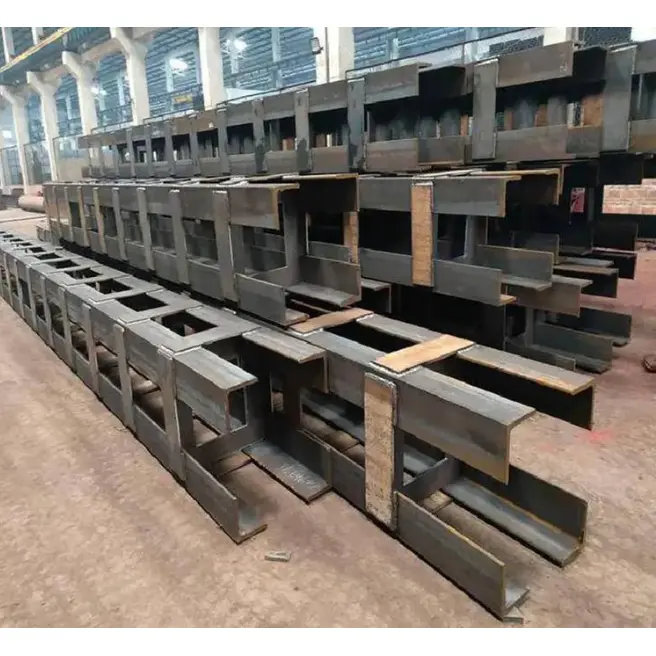
- Internal channel components: Vertical internal stiffening ribs (spot-welded against the inner walls to prevent the common issue of the open-section channel splaying outward under compression)

- Lateral accessories: Utility support plates, inter-column tie lugs, and circular pipe clamps (designed for lateral clamping and load-bearing connections)

2. Bolt hole fabrication and lifting provisions

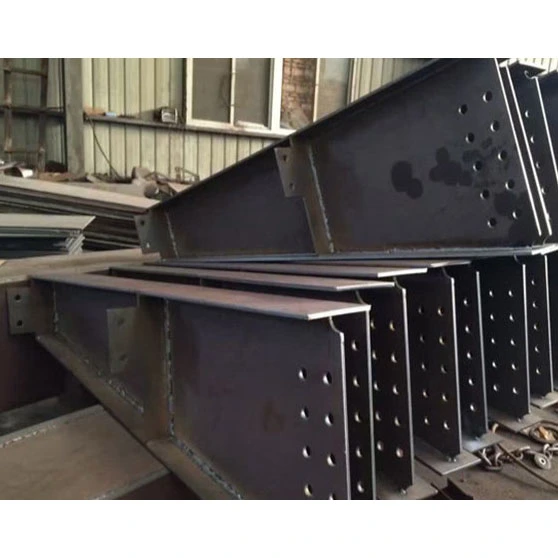
- Hole fabrication: Load-bearing connection holes are precision-drilled using a 3-axis CNC machine (tolerance ±0.2mm); compatible with Grade 4.8 standard bolts and Grade 8.8 high-strength bolts; no on-site reaming required

- Lifting accessories: For heavy Hot Rolled Structural Steel Channels exceeding 9m in length, symmetrically welded lifting lugs are provided on both sides; shorter components are lifted directly via the flanges, requiring no additional welding

3. Scenario-specific anti-corrosion and fireproofing configurations

- Standard indoor use: St3 manual rust removal followed by a two-layer coating system (primer and topcoat); dry film thickness of 55–90μm; provides 8 years of indoor rust protection

- Outdoor coastal use: Sa2.5 shot-blasting rust removal followed by hot-dip galvanizing; zinc coating thickness ≥70μm; provides 8–12 years of resistance against salt spray corrosion

- Fire-rated zones: Application of thin-film intumescent fire-resistant coating over the existing anti-corrosion layer; meets the 1-hour fire resistance rating standard

4. Three types of floor-mounted finished product configurations

- Equipment support base channel: Channel body + base plate + internal vertical stiffening + full anti-corrosion treatment; used for floor-mounted bases for fans and water pumps

- Inter-column tie-rod channel: Channel body + bilateral tie lugs + positioning bolt holes; used for lateral stabilization and bracing of H-section steel columns and circular pipe columns

- Light-gauge steel enclosure purlins: Cold-formed C-sections + end plates + purlin cleats; used to support roof and wall color-coated steel panels.

5. Inspection documentation provided with the shipment

Original manufacturer material quality certificates, full-dimensional and visual inspection records, and unique component spray-coded IDs—all provided in English—for direct use in overseas site supervision approvals and customs clearance.


Key Practical Advantages

1. Off-the-shelf availability with zero customization lead time

Full specifications of hot-rolled channel steel are kept in stock, eliminating time-consuming processes like plate cutting, assembly, and submerged arc welding. Compared to the 12–18 day lead time for H-beams, standard specifications can be precision-processed and shipped within 24 hours, perfectly meeting urgent, small-scale procurement needs such as factory retrofits, pipeline additions, and emergency support repairs.

2. Open-channel design facilitates integrated M&E (mechanical and electrical) routing

The open U-shaped inner cavity provides ample space for routing; low-voltage cables and small water supply/drainage pipes can be embedded and secured directly inside without requiring additional external brackets. Unlike the narrow cavities of I-beams or the enclosed cavities of square tubes, future maintenance or replacement of M&E lines does not require cutting into the component's anti-corrosion coating, reducing O&M costs by over 40%.

3. Flat back-plate design simplifies flush-mount installation

The outer back of the channel steel is a continuous flat surface, allowing for direct flush mounting against concrete shear walls or steel beam sides without protruding gaps or uneven interfaces. Unlike the tapered flanges of I-beams or the dual flanges of H-beams, installation against embedded anchors requires no shims for leveling, significantly reducing on-site labor time.

4. Flexible combination and modification for non-standard structures

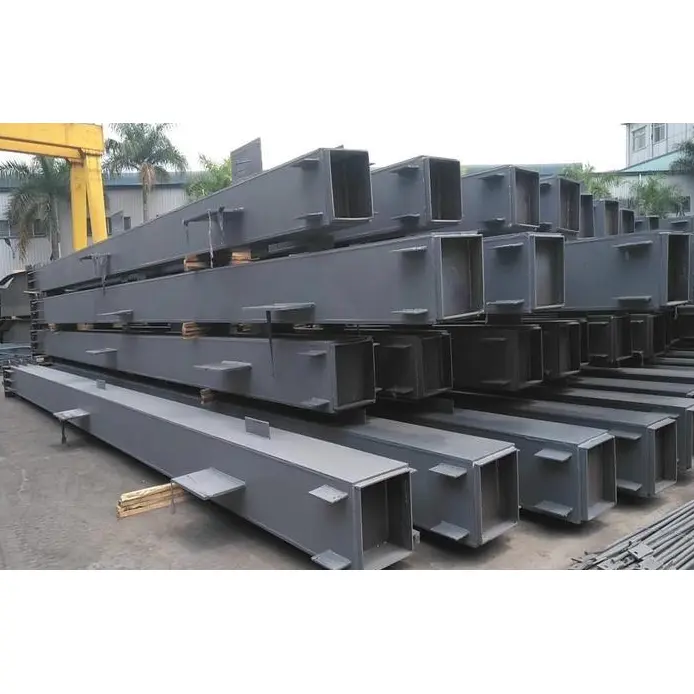
Two Hot Rolled Structural Steel Channels can be welded back-to-back in a jig to form an equivalent closed box-section, overcoming the inherent weaknesses of single channels regarding torsional rigidity and lateral stability. They can also be joined face-to-face to form hollow columns without the need for custom cutting, effectively solving material waste issues associated with small, non-standard columns.

5. Optimal overall cost for light-load applications

Under equivalent lateral bracing and support load conditions, the self-weight is 13% lower than that of I-beams of the same height, resulting in simultaneous reductions in raw material procurement, logistics, and hoisting costs. When serving only auxiliary load-bearing functions, performance fully meets code requirements without the waste associated with the "over-engineered" capacity of H-beams or I-beams.


Comparison of four mainstream structural steel types based on key selection criteria

1. Differences in clamping and restraint capabilities

Only steel channels (C-channels) possess an open-profile "gripping" capability; the channel opening allows for the direct embedding and clamping of round pipes, circular cables, or smaller structural sections without the need for external clamp fittings. H-beams, I-beams, and square tubes rely on external attachments, making clamping points prone to shifting under load and resulting in poor stability against vibration or swaying of the supported lines.

2. Differences in structural function and limits

- H-beams: Balanced bi-directional stiffness; suitable for primary load-bearing beams in large-span floors and roofs; capable of withstanding sustained heavy vertical loads.

- I-beams: Excellent bending resistance along the strong axis; suitable for secondary beams in small-to-medium platforms and floors; designed for uni-directional vertical bending.

- Hot Rolled Structural Steel Channels: Suitable for lateral bracing, supports, embedded components, and restraint clamping; prohibited for use as standalone primary beams subject to vertical bending over spans exceeding 8 meters.

- Square tubes: Excellent bi-directional torsional resistance; enclosed profile offers durable corrosion resistance; primarily used for vertical columns; however, repairing corrosion inside the hollow section after cutting holes is extremely difficult.

3. Differences in post-installation modification and maintenance

Steel channels have three exposed sides, allowing for the welding of support plates or lugs at any location without internal grinding. In contrast, once a hole is cut in a square tube, the internal cavity cannot be cleaned of rust or repainted, creating a high risk of hidden internal corrosion. On-site splicing of short channel sections and modification of hole locations are simple processes that can be independently executed by standard site technicians.

4. Summary of application suitability

Prioritize hot-rolled steel channels for outdoor pipeline supports, curtain wall embedded components, and inter-column bracing; prioritize H-beams for primary roof beams covering large areas; prioritize I-beams for secondary beams in walkways and platforms; and prioritize square tubes for exterior decorative columns.


End-to-End Precision Manufacturing Process

I. Standard Processing Workflow for Hot-Rolled Channel Steel

1. Raw Material Re-inspection: Verify material grade and model; inspect for lateral bowing or twisting; mechanically straighten non-compliant components beforehand; reject raw materials with deep surface corrosion.

2. CNC Precision Cutting: Cut to length using cold saws; prepare V-shaped weld bevels on webs and flanges for long-span butt joints to ensure full penetration.

3. Accessory Positioning & Tack Welding: Position stiffeners, end plates, and clamps according to drawings; precisely fit internal stiffeners into the channel cavity, maintaining a fit-up gap of ≤0.8mm.

4. Gas-Shielded Welding: Perform continuous CO2 gas-shielded welding to prevent porosity; subject critical load-bearing butt welds to ultrasonic testing (UT) sampling based on Grade II standards.

5. Precision Hole Making: CNC drill holes for heavy-load connection points; create miscellaneous process holes on-site and deburr edges.

6. Deformation Correction: Correct welding-induced bowing or twisting using low-temperature flame straightening to avoid compromising the base material's mechanical properties.

7. Surface Anti-Corrosion Treatment: Apply anti-corrosion coating or hot-dip galvanizing after graded rust removal; allow coating to cure naturally to meet standards.

8. Final Inspection & Packaging: Mark component ID numbers; verify all dimensions; package for sea transport using waterproof stretch wrap and wooden pallets.

II. Special Process for Double-Channel Box-Section Assembly

Position two Hot Rolled Structural Steel Channels on both sides using a dedicated jig → secure with intermittent tack welds to prevent misalignment → perform full-length continuous welding on the outer sides → conduct overall lateral straightening → complete hole making and anti-corrosion treatment. The resulting welded component offers bi-directional rigidity comparable to a box-section beam of the same specifications, while reducing costs by 22%. III. Comparative Analysis of Structural Steel Processing Procedures

- H-beams: Involves multiple stages—plate assembly, submerged arc welding, and flange straightening; complex process; primarily custom-manufactured.

- I-beams/Channel steel: Involves only cutting of hot-rolled stock and welding of small components; streamlined process; primarily involves deep processing of off-the-shelf stock.


Comprehensive Standardized Performance Parameters

1. Dimensional Tolerances

- Total component length deviation: ±3mm

- Lateral deflection (camber/sweep): ≤L/1000 (where L is the actual component length)

- Flange twist and end-face inclination: Compliant with GB/T 707 national standards for hot-rolled channel steel.

2. Base Material Mechanical Properties

Material Grade

Yield Strength

Tensile Strength

Application Scenarios

Q235B

≥235MPa

375~500MPa

Ordinary pipe support, structural bracing, wall embedded parts

Q355B

≥355MPa

470~630MPa

Heavy-duty equipment bracket, vibration-resistant support

3. Cross-Sectional Structural Parameters

- Stiffness characteristics: Strong-axis bending performance meets requirements for lightweight secondary beams; weak-axis lateral stiffness is insufficient; torsional resistance of a single member is weak; mid-span loading without lateral support is strictly prohibited.

- Wind resistance coefficient: Fixed at 1.40 (lower than equivalent H-beams, higher than seamless round tubes); lower risk of wind-induced deformation for low-profile outdoor supports.

- Clamping load capacity: Unique mechanical capability for localized clamping/restraint; withstands lateral and radial clamping forces—a structural feature not found in other open-profile steel sections.

4. Weld Inspection Standards

- Primary load-bearing butt welds: Grade II weld inspection; 20% sampling rate for Ultrasonic Testing (UT) at critical tension/connection points.

- Stiffener and lug plate fillet welds: Visual inspection only; compliance requires absence of cold laps, porosity, or weld spatter/blobs.

5. Connection and Accessory Parameters

- Bolt selection: Grade 4.8 standard bolts for conventional static supports; Grade 8.8 high-strength bolts for vibrating equipment or elevated tension connections.

- Connection plate thickness: Standard range of 8–20mm; selected based on specific lateral tension and shear load requirements.


How to Select a High-Quality Manufacturer of Steel Structure Beams?

1. Comprehensive Stock & Rapid Cross-Regional Shipping

HAISHENG maintains ready stock of Hot Rolled Structural Steel Channels (sizes 10#–28#) across four major production bases, fulfilling orders for domestic, Southeast Asian, and Central Asian markets. We eliminate delays caused by intermediary stock shortages; standard orders requiring precision processing are loaded and shipped within 48 hours, while full-container exports are processed with streamlined container loading.

2. Specialized Processing for Open-Profile Components

To address challenges such as flange flare and ensuring a tight fit against sloped surfaces, we utilize specialized positioning jigs that keep the fit tolerance for stiffeners and clamps within 0.5mm. This resolves common industry issues like loose connections on sloped surfaces and structural loosening under load.

3. Compliant Multilingual Export Delivery

We provide original English versions of all factory documentation and test reports, including third-party SGS verification for hot-dip galvanizing and paint film thickness. Our documentation meets all compliance requirements for overseas project owner audits, customs clearance, and project tendering.

4. On-Demand Anti-Corrosion & Component Modification

We tailor anti-corrosion solutions to the project site's climate, applying differentiated treatments for inland, coastal, and chemical-industrial zones. We support non-standard modifications—such as back-to-back channel welding, custom-shaped clamps, and eccentric hole punching—eliminating the need for customers to outsource additional processing.

5. Free Technical Support for Structural Selection

Pre-sales support includes expert guidance on distinguishing between hot-rolled and cold-formed channels to prevent structural safety risks caused by improper selection. Post-sales support covers remote technical assistance for high-altitude bracing and bracket installation, alongside permanent traceability via component part numbering.


FAQ

Q1: Can hot-rolled channel steel and cold-formed C-shaped steel be substituted for each other?

A: No, they cannot be substituted. The base material of Hot Rolled Structural Steel Channel has undergone heat treatment and quenching, which has strong toughness and impact resistance. It is used for permanent structural loads; while cold-formed C-shaped steel has a thin wall and is prone to deformation, and is only used for enclosure beams. The specification prohibits its use for tie rods and load-bearing supports.


Q2: What is the maximum span of a single channel steel?

A: Without lateral support, the maximum span is 4.5 meters. If the span exceeds this, lateral tie rods or a double-channel box structure must be added to prevent lateral overturning of the weak axis.


Q3: Is it necessary to do anti-corrosion treatment inside the channel steel cavity?

A: The sandblasting and spraying process can cover the entire interior of the cavity, and no additional treatment is required; the zinc layer of the hot-dip galvanizing process can evenly adhere to the inner cavity. Only closed channel steel cannot be internally protected from corrosion, and there are no internal rust blind spots in the channel steel.


Q4: What are the selection criteria for type A and type B channel steel?

A: For static light loads and short spans, type A is selected to save procurement costs; for high-altitude tie rods, equipment vibration, and lateral impact loads, type B is selected to add a thicker flange to prevent local crushing and cracking.


Q5: Can channel steel be used as the main beam of the roof?

A: It is not recommended. The open cross-section has extremely poor torsional stability, and the alternating wind and snow loads on the roof are likely to cause the component to twist and fail. It can only be used as a secondary beam for the roof tie rods and cannot be used as the main load-bearing beam.


Hot Tags: Hot Rolled Structural Steel Channel, Manufacturer, Supplier, Wholesale
Send Inquiry
Contact Info
Contact HAISHENG China supplier of Structural Steel Components, Steel Structure Cladding Components and Structural Steel Fasteners. Our professional sales team will reply with detailed quotation, product parameters and delivery plan within 24 hours to meet your bulk procurement demand.
X
We use cookies to offer you a better browsing experience, analyze site traffic and personalize content. By using this site, you agree to our use of cookies.Privacy Policy
RejectAccept