Tianjin Haisheng Steel Structure Co., Ltd.
Products
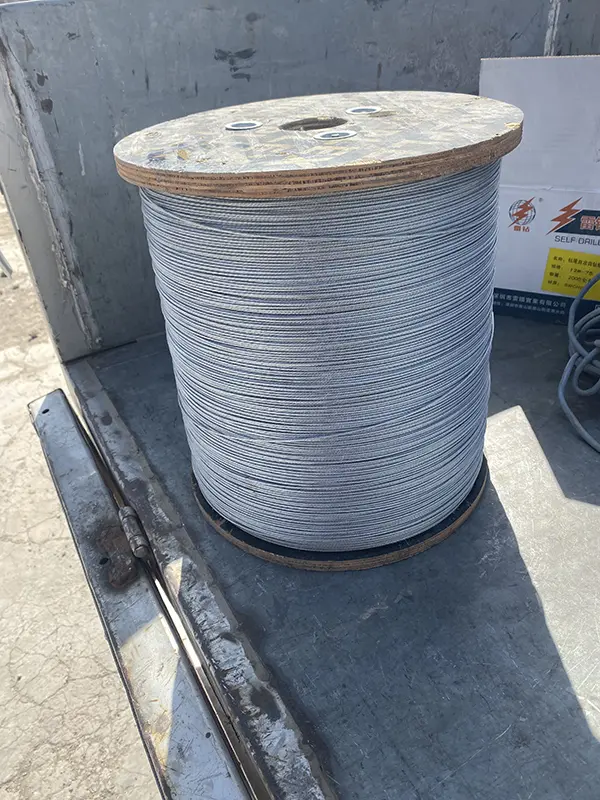
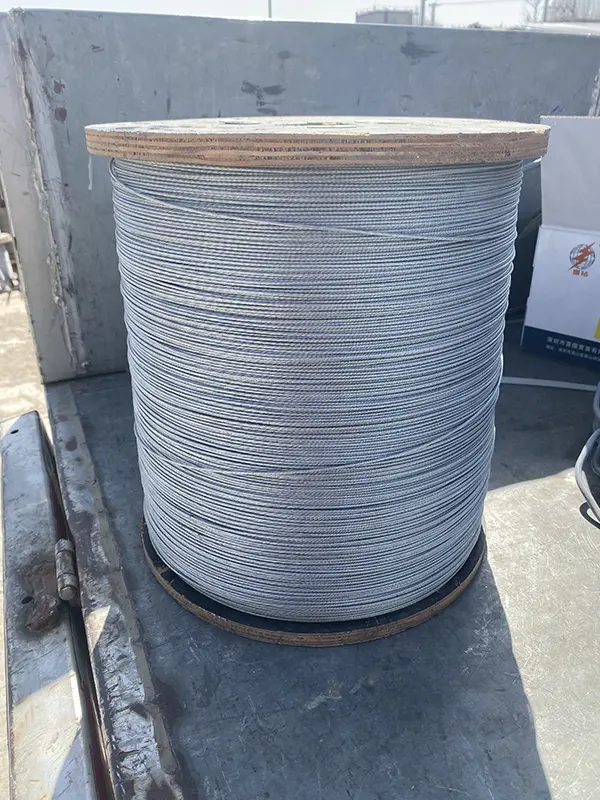
Galvanized Steel Wire Ropes for Construction
  • Galvanized Steel Wire Ropes for ConstructionGalvanized Steel Wire Ropes for Construction
  • Galvanized Steel Wire Ropes for ConstructionGalvanized Steel Wire Ropes for Construction

Galvanized Steel Wire Ropes for Construction

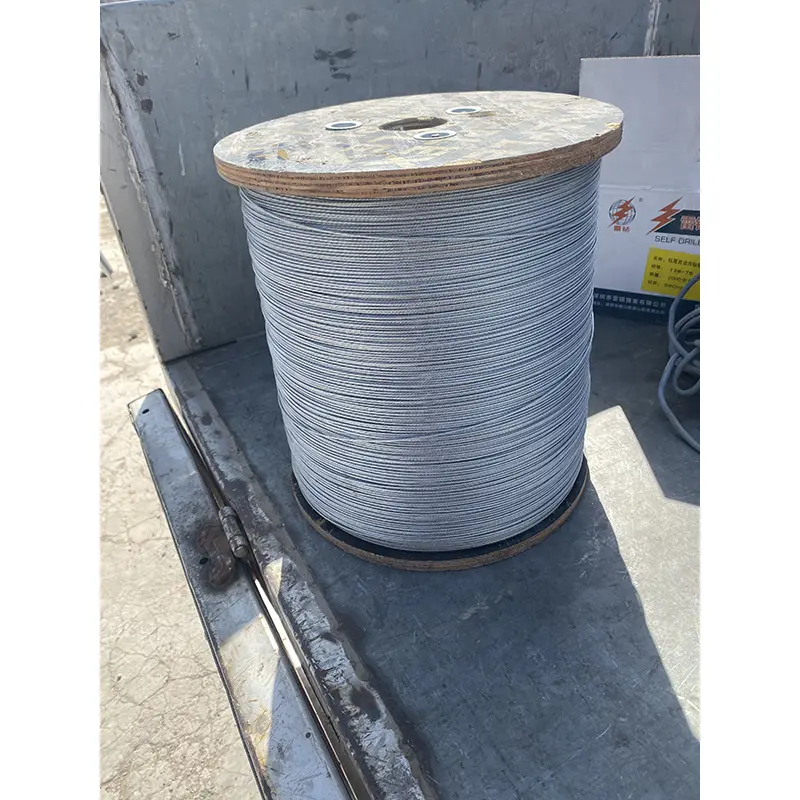
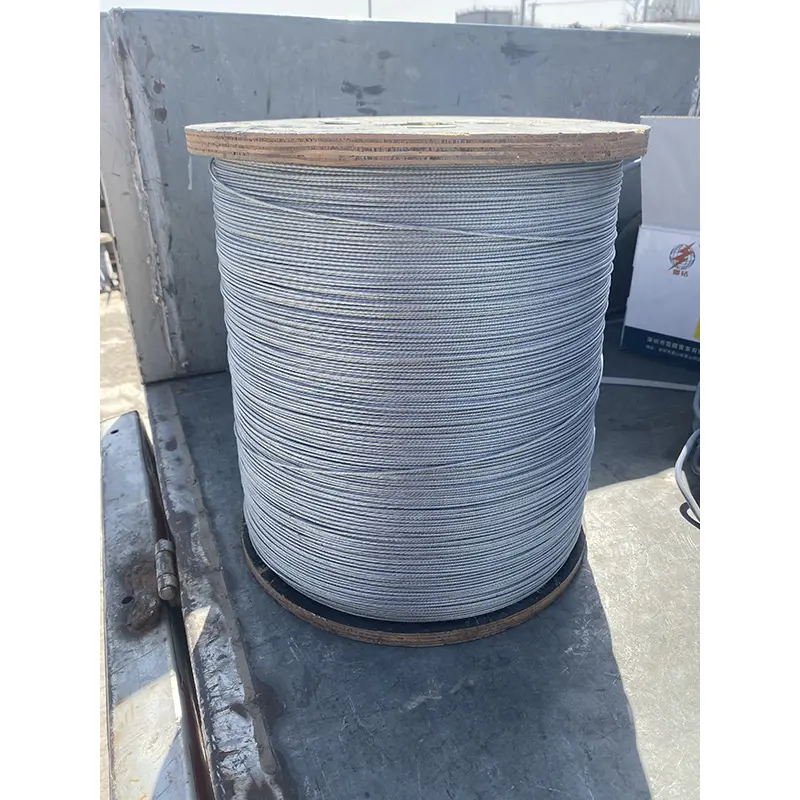
HAISHENG is a professional manufacturer and supplier of galvanized steel wire ropes for construction, offering products characterized by high tensile strength, excellent flexibility, corrosion resistance, and safety. Available in common configurations such as 6×19 and 6×37, these ropes are designed for steel structure systems and are primarily used for roof tension cables, curtain wall suspension cables, roof supports, railing bracing, temporary hoisting, roof maintenance lines, and safety traction components.

Manufactured from high-quality high-carbon steel wire, these ropes undergo hot-dip or electro-galvanizing processes for corrosion protection. Galvanized Steel Wire Ropes for Construction are suitable for various corrosive environments—including indoor, outdoor, exposed, and coastal settings—making them indispensable load-bearing, bracing, and safety components in steel structure engineering.

Galvanized Steel Wire Ropes For ConstructionGalvanized Steel Wire Ropes For Construction

Product Features

I. Corrosion and Weather Resistance

1. The galvanized surface layer acts as a barrier against air, moisture, and salt, providing robust rust and corrosion resistance. It is suitable for outdoor, coastal, and humid environments, effectively delaying wire corrosion and breakage.

2. Available in two types: electro-galvanized and hot-dip galvanized. Electro-galvanized ropes feature a smooth finish and uniform coating, while hot-dip galvanized ropes have a thicker coating, offering superior salt spray and aging resistance, as well as a significantly longer outdoor service life.

II. Mechanical and Load-Bearing Performance

1. Twisted from high-carbon steel wire, these ropes offer high tensile strength (standard grades: 1570–1960 MPa) and stable load-bearing capacity, meeting the requirements for bracing, load-bearing, and traction in steel structures.

2. They possess excellent overall flexibility and bending performance, allowing for bending, coiling, and threading during installation; this makes them suitable for complex layouts involving irregular joints, corners, and inclined tensioning.

3. The rope distributes stress evenly and offers high impact and fatigue resistance; it is resistant to wire breakage under prolonged, repetitive loading and ensures a high safety factor during operation.

III. Structure and Operational Characteristics

1. Features classic configurations such as 6×19 and 6×37, offering a balance of flexibility and rigidity: the 6×19 type is relatively stiff and wear-resistant, making it suitable for fixed tensioning applications; the 6×37 type is more flexible, making it ideal for bending, lifting, and use in areas subject to frequent movement.

2. Lightweight; compared to structural steel tie rods, these ropes are easier to transport, install, and tension on-site.

3. Controlled elongation and stable deformation under load ensure the overall rigidity of components such as steel roofing, curtain walls, and railings.

IV. Construction and Adaptability

1. Available in a wide range of specifications and diameters, allowing for flexible selection based on load requirements; installation is easily completed using matching accessories such as wire rope clips, turnbuckles, and rigging hardware.

2. The galvanized surface coating offers a moderate coefficient of friction, preventing slippage after securing and tensioning, and ensuring reliable connection points.

3. Easy to process; lengths can be cut on-site as needed, resulting in low material waste and high construction efficiency.

V. Economic Value and Comparative Advantages

1. Lower cost than stainless steel wire ropes; corrosion resistance and mechanical properties meet the needs of the vast majority of steel structure applications, offering excellent cost-effectiveness.

2. Offers a service life more than three times longer than ordinary bright (uncoated) steel wire ropes in outdoor or humid environments, reducing long-term replacement and maintenance costs.

VI. Limitations

1. The galvanized coating is susceptible to localized peeling from impacts with hard objects or severe friction; damaged areas are prone to progressive rusting, so sharp scratches must be avoided during installation and use.

2. Not suitable for long-term immersion in highly corrosive environments involving strong acids or alkalis.

3. Overloading is strictly prohibited; ropes must be replaced promptly if broken wires, broken strands, or severe corrosion are detected.


Uses and Scope of Application

I. Primary Uses

1. Structural bracing and support: Galvanized Steel Wire Ropes for Construction can used as stay cables, horizontal tie ropes, or guy lines for roofs, walls, trusses, and space frames to enhance the overall stability of steel structures, distribute loads, and minimize deformation.

2. Curtain wall and enclosure fixing: Used for the suspension, restraint, and anchoring of glass curtain walls, metal curtain walls, and exterior cladding panels; compatible with the structural load-bearing requirements of building facades.

3. Protective and safety facilities: Fabrication of roof guardrails, safety lines, maintenance walkway guide lines, and edge protection cables to ensure on-site operational safety.

4. Hoisting and temporary load-bearing: On-site hoisting, temporary tensioning, and positioning of steel structural components; also used as temporary guy lines during construction.

5. Roofing and accessory component fixing: Suspension and tensioning of lightweight auxiliary steel structures such as skylight panels, canopies, eaves, and gutters.

6. Landscape and ironwork components: Anchoring and suspension cables for steel pergolas, fences, landscape sculptures, and decorative ironwork features.

II. Selection based on rope structure and application

· 6×19 Structure: High stiffness, wear-resistant, and relatively thick diameter; primarily used for fixed anchoring, guy lines, and long-term static load-bearing applications.

· 6×37 Structure: Excellent flexibility and bendability; suitable for hoisting, applications involving repeated bending, threading through connection points, and small-scale lifting slings.

III. Industry-wide application scope

1. Industrial steel structures: Bracing and protection systems for large-span steel roofs and walls in factories, warehouses, exhibition halls, stadiums, and airport terminals.

2. Architectural curtain walls and decorative projects: Exterior wall curtain walls, suspended ceilings, and facade feature cables for various building types.

3. Municipal and transportation facilities: Steel structures such as pedestrian overpasses, bus shelters, toll stations, construction hoardings, and guardrails.

4. Cultural tourism and landscape projects: Tensioning and anchoring for landscape pergolas, tensile membrane structures, steel landscape features, and boardwalks.

5. Construction sites: Temporary hoisting for steel structure installation, component positioning, guy lines, and edge safety protection.

6. Coastal/humid area buildings: Load-bearing steel components in high-humidity and salt-spray environments, such as coastal factories and port-related structures. 

IV. Application scenarios based on galvanizing process

· Electro-galvanized steel wire rope: Features a smooth surface and a thin zinc coating; primarily used for indoor applications, dry environments, and decorative tensioning or bracing.

· Hot-dip galvanized steel wire rope: Features a thick zinc coating and high corrosion resistance; suitable for outdoor use, including coastal areas, high-humidity environments, and locations exposed to salt spray.


Performance Specifications

I. Basic Materials and Standards

·Material: High-quality high-carbon steel wire (C 0.7%–0.95%)

·Surface Treatment: Hot-dip galvanizing / Electro-galvanizing

·Standards: GB/T 8903-2024, ISO 10425

·Applicable Environments: Indoor/outdoor, humid conditions, coastal areas (salt spray)

II. Common Constructions (Most common for steel structures)

·6×19+FC/IWR: Relatively stiff and wear-resistant; used for bracing, guy lines, and static load-bearing

·6×37+FC/IWR: Flexible and pliable; used for hoisting, curtain wall slings, and applications involving repeated bending

·1×19 / 1×37: Single-strand; high rigidity; used for tension cables and curtain wall tie rods

III. Diameter and Weight (Common specifications)

·Diameter Range: 6–40 mm (Mainstay for steel structures)

·Reference Weight (6×19+IWR, 1870 MPa):

o φ6: Approx. 1.3 kg/100m

o φ12: Approx. 5.2 kg/100m

o φ16: Approx. 9.3 kg/100m

o φ20: Approx. 14.5 kg/100m

o φ24: Approx. 20.9 kg/100m

IV. Tensile Strength Grades (Key mechanical parameters)

·Common Grades: 1570, 1770, 1870, 1960, 2160 MPa

·Recommended for Steel Structures: 1770–1960 MPa (Balance of strength and toughness)

·Breaking Force Examples (6×19+IWR):

o φ12, 1870 MPa: ≈88 kN

o φ16, 1870 MPa: ≈157 kN

o φ20, 1870 MPa: ≈245 kN kN

V. Galvanized Coating Parameters (Key to Corrosion Resistance)

Electro-galvanizing (Indoor / Dry environments)

·Coating thickness: 5–15 μm

·Zinc coating weight: 75–150 g/m²

·Characteristics: Smooth, uniform; moderate corrosion resistance

Hot-dip galvanizing (Outdoor / Coastal environments)

·Coating thickness: 30–60 μm

·Zinc coating weight: 200–350 g/m²

·Characteristics: Thick coating; salt spray resistant; long service life

VI. Elasticity and Deformation Parameters

·Modulus of elasticity: ≈1.2×10⁵ MPa

·Minimum elongation at break: ≥2.0% (Standard requirement)

·Recommended safety factor:

oStatic tensioning/anchoring: ≥3.5

oLifting / Dynamic applications: ≥5–6

VII. Fatigue and Bending Properties

·Fatigue strength: Approximately 45%–55% of tensile strength

·Minimum bending radius: ≥6× rope diameter (to prevent kinking/damage)

·Lay direction: Right-hand regular lay (RHRL); structurally stable, resistant to kinking

VIII. Operating Temperature and Limitations

·Operating temperature: -40°C to +80°C

·Short-term maximum: ≤120°C (no zinc coating detachment)

·Prohibited: Prolonged exposure to strong acids/alkalis, high-temperature baking, or severe impact


Galvanized Steel Wire Ropes for Construction Industry Development Trends

The galvanized steel wire rope industry for construction is undergoing upgrades across six key areas—technology, products, markets, applications, environmental sustainability, and digitalization—to comprehensively meet the engineering demands for lightweight, long-span, highly corrosion-resistant, and ultra-safe modern steel structures. Specific development directions are as follows:

1. Technological Trends: High Strength, Corrosion Resistance, and Structural Optimization

The industry is continuously evolving toward higher strength, longer service life, and superior corrosion resistance. Standard strength grades are shifting from 1570/1770 MPa to 1870/1960 MPa, with high-end products reaching 2160 MPa, enabling reduced self-weight and higher load-bearing capacity suitable for long-span steel structures. Coating technologies are moving beyond traditional hot-dip galvanizing to adopt zinc-aluminum-magnesium and rare-earth alloy composite coatings; these offer significantly enhanced salt-spray resistance, meeting the needs of highly corrosive environments such as coastal and chemical industrial zones. Additionally, compacted strands and sealed, rotation-resistant structures are gradually replacing standard rope designs, effectively increasing breaking strength and fatigue life.

2. Product Trends: Application-Specific, High-Safety, and Customizable

Products are moving away from generic specifications toward specialized series tailored for steel structures, accommodating diverse operational scenarios such as curtain wall bracing, heavy lifting, and long-span tensioning. Flexible customization systems support fixed-length cutting, end-fitting processing, and integrated delivery of matching rigging, significantly shortening project delivery times. Concurrently, safety standards are being upgraded to increase design safety margins; comprehensive factory testing and full-lifecycle traceability ensure operational safety for steel structure projects.

3. Market Trends: Production Concentration, Domestic Substitution, and Export Expansion

Driven by environmental production limits and "dual-carbon" policies, inefficient capacity is being phased out, and production is increasingly concentrated among leading enterprises, highlighting the advantages of industrial clustering. Import substitution has largely been achieved for high-end wire ropes used in offshore wind power, marine engineering, and premium curtain walls, with domestic high-end products matching international performance standards. Furthermore, leveraging infrastructure opportunities from the "Belt and Road Initiative," exports of galvanized steel wire ropes for steel structures are steadily rising, establishing a global market footprint.

4. Application Trends: Stable Traditional Demand and Explosive Growth in New Energy and Marine Engineering

Demand remains stable and continues to evolve within traditional steel structure markets, including industrial plants, stadiums, and municipal curtain walls. New energy has emerged as a core growth engine; infrastructure projects such as onshore and offshore wind power, photovoltaic mounting systems, energy storage, and ultra-high voltage (UHV) transmission lines are driving significant demand for high-strength, highly corrosion-resistant specialty steel wire ropes. Furthermore, marine engineering projects—including cross-sea bridges and coastal terminals—are spurring the large-scale application of highly corrosion-resistant steel wire ropes, thereby expanding the industry's scope of application.

5. Environmental Trends: Low-carbon, Green, Circular, and Energy-efficient Production

The industry is comprehensively upgrading to green galvanizing processes and adopting low-energy production lines, closed-loop water systems, and zinc dross recovery technologies. These measures significantly boost zinc recovery rates and, when combined with cyanide-free fluxing and low-emission processes, align with "Dual Carbon" environmental goals. Additionally, the industry leverages the high strength, lightweight nature, and exceptional service life of its products to reduce material consumption and replacement frequency, thereby achieving energy conservation and emission reductions across the product's entire lifecycle.

6. Digital Trends: Intelligent Monitoring and Predictive Maintenance

The industry is progressively implementing intelligent operation and maintenance (O&M) systems. By utilizing built-in sensors, these systems enable real-time online monitoring of steel wire rope tension, wear, and temperature, as well as early warnings for broken wires. Integrating digital twin models with AI algorithms allows for the precise prediction of fatigue life, transforming the traditional scheduled replacement model into a scientific predictive maintenance approach; this effectively lowers O&M costs for steel structure projects and mitigates safety risks.


FAQ

Q1: What is the difference between 6×19 and 6×37 wire rope structures?

A: 6×19 structure has 6 strands with approximately 19 wires per strand. It is relatively stiff and wear-resistant, making it ideal for fixed bracing, guy lines, and long-term static load-bearing applications. 6×37 structure has 6 strands with approximately 37 wires per strand. It is more flexible and pliable, making it ideal for hoisting, applications involving repeated bending, and threading through connection points.


Q2: How to choose between electro-galvanized and hot-dip galvanized wire rope?

A: Electro-galvanized wire rope has a smooth surface with a thin zinc coating (5-15μm) and is suitable for indoor applications, dry environments, and decorative tensioning. Hot-dip galvanized wire rope has a thick coating (30-60μm) with superior salt spray resistance and is required for outdoor use, coastal areas, and high-humidity environments.


Q3: What safety factor should be used for wire rope in steel structure applications?

A: For static tensioning and anchoring applications, a safety factor of ≥3.5 is recommended. For lifting and dynamic applications, a safety factor of ≥5-6 is required. Design safety factors should be confirmed through structural calculation based on actual working conditions.


Q4: Can Galvanized Steel Wire Ropes for Construction be used for permanent structural bracing?

A: Yes, galvanized wire rope is widely used for permanent structural bracing in steel structure roofs, curtain wall suspension, and truss tension systems. However, the galvanized coating must be intact, and all end connections (wire rope clips, turnbuckles) must be properly installed. The rope should be replaced if broken wires, broken strands, or severe corrosion are detected during periodic inspection.


Q5: How to inspect and replace galvanized wire rope?

A: Regular visual inspection should check for broken wires, corrosion, kinking, and deformation. For critical applications, replace the rope if any of the following conditions are met:
(1) broken wires exceed 10% of total wires in any lay length;
(2) diameter reduction exceeds 7%;
(3) severe corrosion or pitting is visible;
(4) kinking or bird-caging is observed.


Hot Tags: Galvanized Steel Wire Ropes for Construction, China, Manufacturer, Supplier, Factory
Send Inquiry
Contact Info
Contact HAISHENG China supplier of Structural Steel Components, Steel Structure Cladding Components and Structural Steel Fasteners. Our professional sales team will reply with detailed quotation, product parameters and delivery plan within 24 hours to meet your bulk procurement demand.
X
We use cookies to offer you a better browsing experience, analyze site traffic and personalize content. By using this site, you agree to our use of cookies.Privacy Policy
RejectAccept