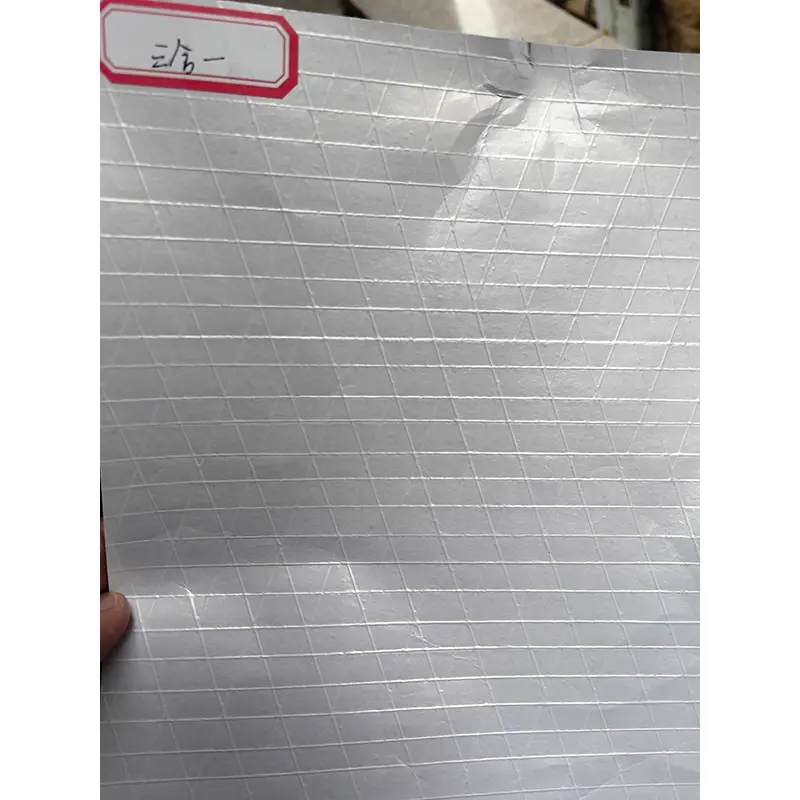
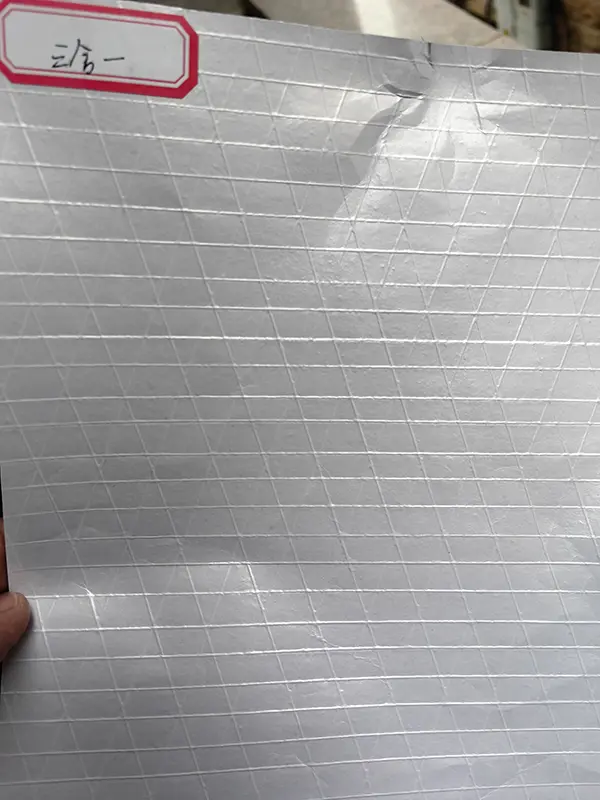
Produced using a multi-layer lamination process, Aluminum Foil Facing for Insulation Systems features a core layer of 7μm high-purity aluminum foil reinforced with fiberglass for tear resistance, while PE barrier film and kraft paper enhance overall structural strength. It withstands extreme temperatures and resists acid/alkali corrosion; it is durable for long-term outdoor use without chalking or cracking. Available widths include standard 1000mm, 1200mm, and 1250mm options, with premium series including F40, F50, and FSK. HAISHENG maintains ready stock across all specifications and offers integrated supply with matching insulation materials, guidance on material selection for installation, and bulk customization services.

1. Excellent infrared thermal radiation reflectivity (95%–97%), significantly blocking radiant heat transfer. When paired with insulation materials, it boosts overall thermal insulation and energy-saving efficiency by 15%–20%, reducing thermal loss in equipment and buildings.
2. Wide operating temperature range: standard models remain stable between -30°C and 80°C, while the premium F50 model operates between -40°C and 110°C and withstands momentary high temperatures. It is suitable for applications such as high-temperature exhaust ducts and the external cladding of industrial equipment.
1. The dense, non-porous aluminum foil structure ensures extremely low water vapor permeability. It effectively blocks outdoor moisture and rainwater from penetrating the insulation layer, fundamentally preventing issues such as condensation, dampness, mold growth, and insulation failure.
2. The aluminum foil surface is completely hydrophobic and offers basic water-seepage resistance; it performs reliably in high-humidity environments—such as roofs, basements, and outdoor exposed piping—thereby reducing costs associated with future maintenance and rework.
1. The finished product is classified as an A2-grade flame-retardant material; it does not produce open flames or molten droplets during combustion and emits low levels of smoke. When paired with A-grade insulation wool, it forms a comprehensive fire-resistant enclosure system that meets fire safety acceptance standards for industrial plants and energy storage stations.
2. Formulated with UV-resistant additives, the material resists chalking, cracking, and delamination even after 5 to 10 years of outdoor exposure, ensuring a long service life in sun-exposed settings such as coastal areas and rooftops.
1. It securely encapsulates the insulation board, locking in internal fibers to prevent the release of airborne particles (such as glass wool or rock wool dust) during installation; this improves the on-site working environment and ensures a neat, aesthetically pleasing finish for exposed piping and mechanical room surfaces.
2. Featuring an integrated fiberglass reinforcement layer, the material offers high toughness, tear resistance, and durability against abrasion and punctures. It is resistant to damage during handling and installation, effectively protecting the inner insulation core and extending the service life of the entire insulation system.
3. The material is lightweight, thin, and flexible, allowing it to be bent freely and fit snugly against curved pipe surfaces, beam/column corners, and irregularly shaped equipment bases, ensuring complete coverage even in complex installation scenarios.
The high-purity aluminum foil composite layer resists corrosion from weak acids, weak alkalis, and salt spray, and does not oxidize or rust. It maintains stable performance over the long term in chemical workshops, coastal plants with high salt-spray exposure, and mildly corrosive industrial environments, ensuring that its vapor-barrier and reflective properties remain intact despite exposure to corrosive agents.
1. The surface is smooth and glossy, eliminating the need for additional decorative cladding on exposed mechanical room components or ventilation ducts; the material provides a neat, finished look on its own, thereby reducing the need for secondary finishing steps. 2. It can be factory-laminated directly with glass wool, rock wool, or rubber-plastic insulation; on-site cutting, wrapping, and installation are simple, significantly shortening construction schedules for HVAC and steel structure insulation projects.
1. The aluminum foil surface has low hardness and is easily punctured by sharp, hard objects; moisture and heat can rapidly penetrate damaged areas, so protective measures are essential during installation and subsequent maintenance.
2. Seams between rolls must be completely sealed using specialized aluminum foil sealing tape; exposed gaps create pathways for moisture and heat flow, drastically reducing overall vapor barrier and thermal insulation performance.
3. It offers only mild resistance to acid and alkali corrosion; prolonged immersion in highly acidic or alkaline wastewater environments causes delamination and failure. In severely corrosive conditions, an additional specialized anti-corrosion protective layer is required.
1. Vapor Barrier and Condensation Prevention: Forms a barrier layer on the exterior of insulation materials to block moisture infiltration; commonly used in high-humidity areas such as roofs, basements, and outdoor air ducts to prevent water accumulation and mold growth within the insulation layer.
2. Thermal Reflection for Energy Efficiency: Reflects indoor and outdoor radiant heat, minimizes thermal exchange, and reduces energy consumption for air conditioning and heating systems; suitable for climate-controlled buildings and low-temperature cold chain systems.
3. Surface Protection and Fiber Containment: Encapsulates glass wool and rock wool to prevent the release of fine fibers; offers wear and aging resistance, protecting the underlying insulation substrate from mechanical damage.
4. Enhanced Fire Safety: Inherently flame-retardant with low smoke emission; when combined with Class A insulation materials, it creates a composite fire-resistant structure, improving the overall fire rating of wall penetrations and building envelopes.
5. Simple Aesthetic Finish: Features a bright, smooth surface; exposed air ducts and equipment rooms do not require additional finishing, satisfying both thermal insulation and aesthetic requirements.
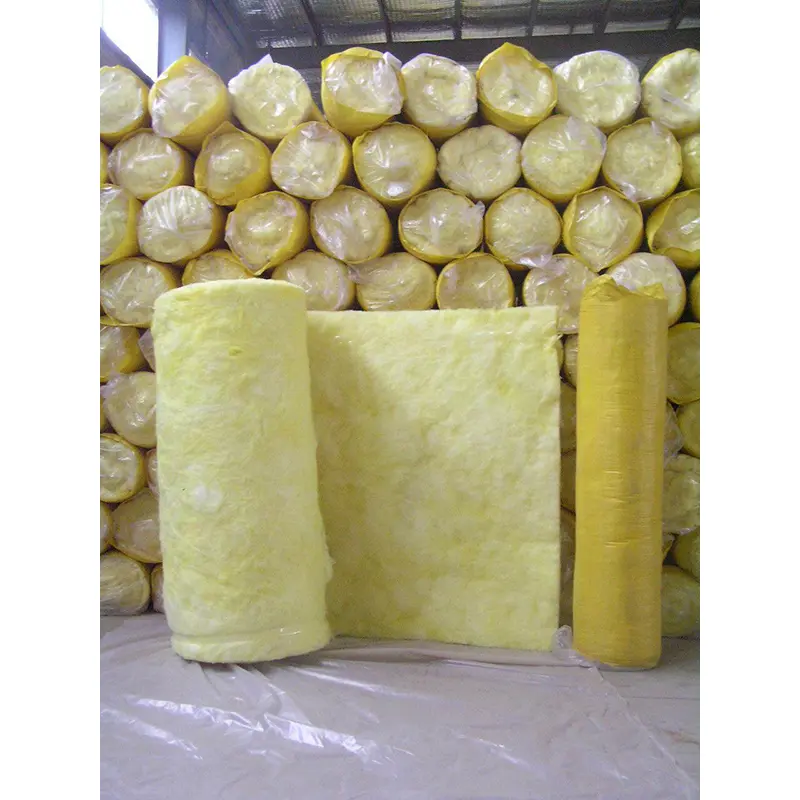
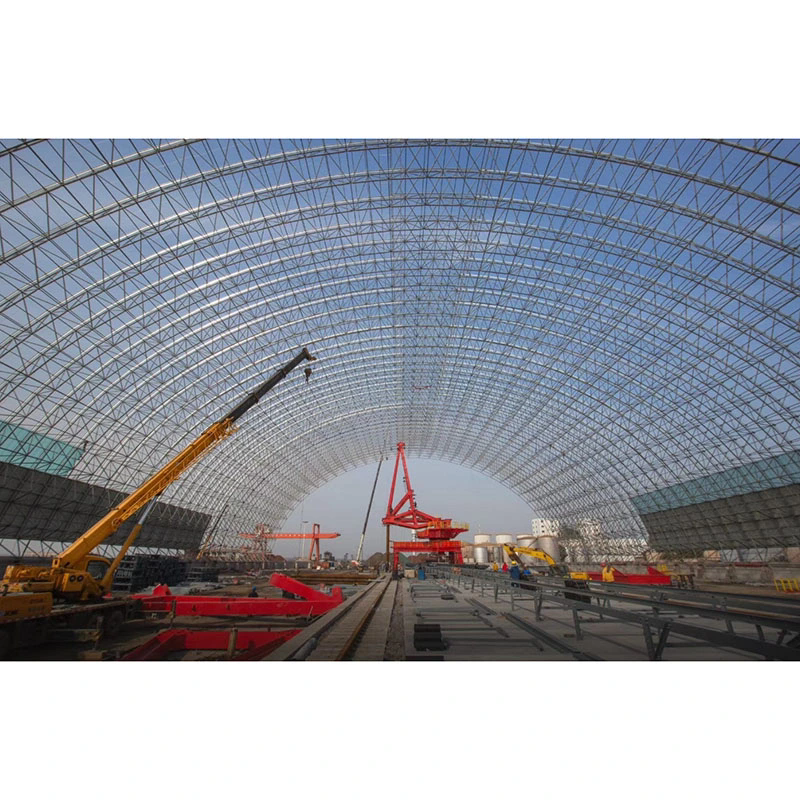
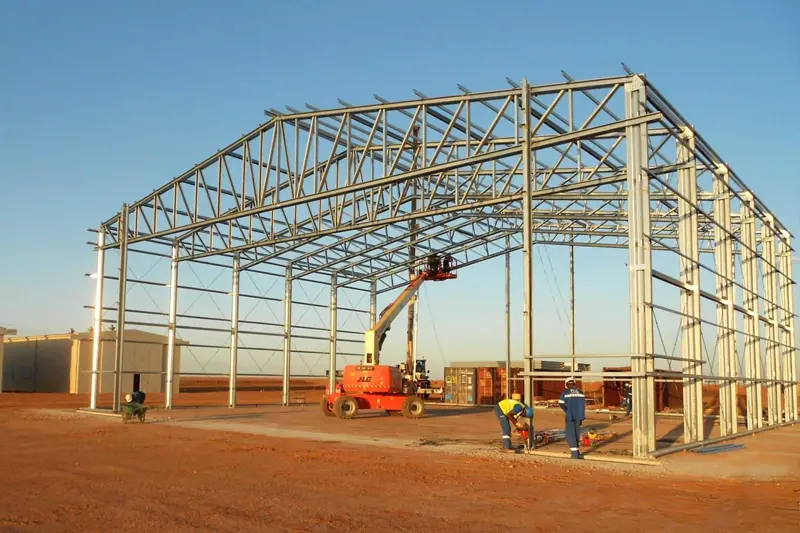
1. Paired with glass wool or rock wool: Used as an outer facing for insulation layers on roofs and walls of steel-structure factories, warehouses, and stadiums; also used for suspended ceilings and fire-stop barriers. It is a mainstream accessory material for steel-structure thermal insulation and sound-absorption systems.
2. Paired with rubber-plastic insulation piping: Used for central air-conditioning (chilled/hot water) piping and industrial equipment tanks; primarily addresses condensation and dripping issues on pipe outer walls.
3. Standalone use: Used as a comprehensive vapor barrier for building roofs, an outer protective layer for large-diameter piping, temporary moisture-proof barriers at construction sites, and moisture-proof isolation layers in basements.
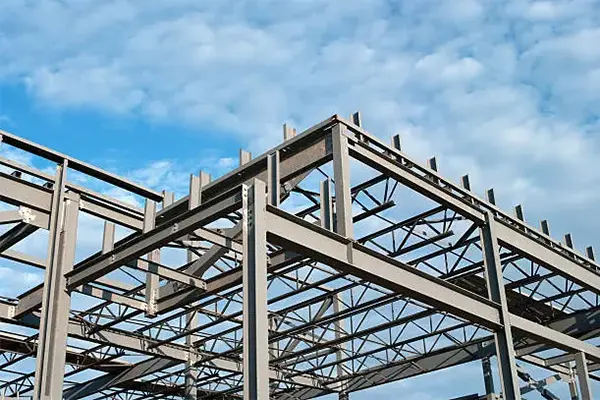
1. Steel-structure buildings: Outer protective facing for insulation systems on roofs and walls of factories, warehouses, large cultural/sports venues, and light-gauge steel villas; blocks outdoor moisture and radiant heat.
2. HVAC industry: External wrapping for central air-conditioning ventilation ducts and smoke exhaust ducts; simultaneously provides thermal insulation, vapor barrier protection, noise reduction, and aesthetic finishing.
3. Industrial equipment and piping: External insulation and protection for high/low-temperature industrial units and equipment in chemical and power generation workshops; suitable for environments with mild corrosion.
4. Cold chain warehousing: Enclosure systems for cold storage facilities, refrigerated warehouses, and cold chain transport equipment; ensures long-term cold retention, minimizes cooling loss, and prevents condensation on the structure.
5. Municipal rail transit: Insulation and vapor barrier protection for subway tunnel ventilation systems, bus depot piping, and municipal utility networks.
6. Civil building applications: Insulation layers for residential suspended ceilings and interior walls; moisture-proof protection for kitchen and bathroom plumbing.
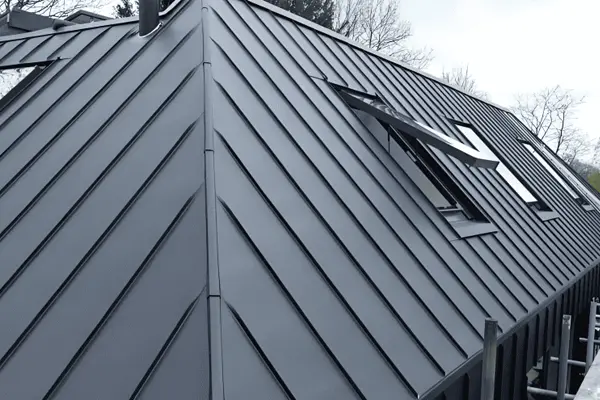
1. Exposed roofs, outdoor ventilation ducts, and areas subject to prolonged sunlight: Select F50 thickened weather-resistant aluminum foil facing; offers superior UV resistance and performance under high and low temperatures.
2. Indoor ceiling plenums and enclosed/concealed wall insulation layers: Standard F40 (thinner) facing is sufficient; meets basic requirements for vapor barriers and fiber containment while offering better cost-effectiveness.
3. High-temperature exhaust ducts and outer walls of high-temperature industrial equipment: Features a specialized high-temperature-resistant composite aluminum foil facing that does not delaminate or fail in high-temperature environments.
|
Item |
Specification Details |
|
Composite Structure |
4~5 layers: Aluminum foil + PE film + fiberglass reinforcing mesh + kraft paper |
|
Aluminum Foil Thickness |
7 μm high-purity aluminum foil |
|
Surface Weight |
90~120 g/m² (F40≈90g, F50≈105g) |
|
Total Thickness |
140~150 μm |
|
Standard Width |
1000 / 1200 / 1250 mm |
|
Roll Length |
50~200 m per roll |
|
Item |
Typical Index |
Test Standard |
|
Longitudinal Tensile Strength |
≥ 5.5~7.0 kN/m |
ASTM C1136 / D828 |
|
Transverse Tensile Strength |
≥ 3.0~4.0 kN/m |
ASTM C1136 / D828 |
|
Bursting Strength |
≥ 2.5~3.0 kg/cm² (≈250~300 kPa) |
ASTM D774 |
|
WVTR (Water Vapor Transmission Rate) |
≤ 1.15 ng/(N·s) (≈0.02 perm) |
ASTM E96 Method A |
|
Infrared Thermal Reflectivity |
≥ 95%~97% |
ASTM E408 |
Long-term service temperature: -30℃ ~ +80℃; F50 upgraded grade: -40℃ ~ +110℃
Thermal stability test: No delamination or cracking after 24h at 66℃
Combustibility: Non-flammable / flame retardant, Class A2 per GB 8624; no molten drip, low smoke density
Heat shrinkage temperature under load of composite system: ≥ 400℃
Surface hydrophobicity: Aluminum foil side fully hydrophobic, hydrophobic rate ≥99%
Mass moisture absorption rate: ≤ 1.0%
UV & aging resistance: No pulverization or cracking after 5~10 years outdoor exposure
Corrosion resistance: Resist weak acid & alkali, salt spray resistant, chloride ion content ≤10 ppm
|
Model |
Surface Weight |
WVTR |
Operating Temperature Range |
|
Domestic F40 |
90 g/m² |
≈5.75 ng/(N·s) |
-29℃ ~ +66℃ |
|
High-end F50 |
105~110 g/m² |
≤1.15 ng/(N·s) |
-40℃ ~ +110℃ |
|
FSK 3623ZR |
110 g/m² |
1.15 ng/(N·s) |
-40℃ ~ +110℃; Longitudinal tensile 6.1 kN/m |
WVTR (Water Vapor Transmission Rate): The smaller the value, the stronger the vapor barrier & anti-condensation capacity; WVTR ≤1.15 is mandatory for roof & duct projects.
Thermal Reflectivity: Higher value brings better energy-saving effect; reflectivity ≥95% can greatly reduce radiative heat transfer loss.
Reinforced tensile strength: Determines tear & puncture resistance during construction; ≥5.5 kN/m is recommended for steel structure roof projects.
Aluminum Foil Facing for Insulation Systems is moving away from low-end, low-price, and commoditized competition. It is upgrading toward high-end, multifunctional composite products, green and low-carbon solutions, and integrated insulation systems. Simultaneously, market concentration is rising, and downstream applications are rapidly expanding into new energy sectors such as energy storage, photovoltaics, and data centers.
Adoption of ultra-thin, uniform aluminum foil: Mainstream foil thickness is shifting from 7μm to ultra-thin specifications of 5–6μm. Thickness tolerance is strictly controlled at ±0.003mm, maintaining 97% infrared reflectivity while achieving lightweighting.
Reinforcement of scrim structures: Standard FSK composite structures are being upgraded with high-density fiberglass scrim reinforcement. Material weight has increased from 90g/m² to 105–120g/m², with longitudinal tensile strength consistently ≥7kN/m, significantly improving on-site tear and puncture resistance.
Integration of multifunctional coatings: Surfaces now feature functional coatings such as nano-self-cleaning, PVDF weather resistance, low-smoke flame retardancy, and electromagnetic shielding. Customized versions include antibacterial, anti-mold, and phase-change energy storage capabilities, suitable for extreme operating conditions in sectors like chemical processing and data centers.
Promotion of high-end double-sided mirror-finish products: High-gloss aluminum foil is being adopted for high-end cold chain, photovoltaic roofing, and data center cold-aisle containment applications, boosting thermal insulation efficiency by 15%–20% and further reducing thermal loss.
Solvent-free lamination replacing traditional solvent-based processes: High-VOC adhesives are being phased out in favor of hot-melt solvent-free lamination lines. Finished product VOC emissions are below 5mg/m³, overall energy consumption has dropped by 30%, and the yield rate remains stable at 98.5%, meeting domestic "Dual Carbon" policies and EU CBAM carbon tariff export standards. Acceleration of domestic localization for core raw materials: The substitution of imported materials—such as high-purity aluminum foil, high-performance flame-retardant adhesives, and PVDF fluoropolymer films—is speeding up; import dependency is projected to drop below 20% by 2028, with overall procurement costs decreasing by 12%–18%.
Widespread adoption of fully digital, intelligent factories: Leading brands are establishing fully automated production lines featuring comprehensive real-time monitoring of thickness, tension, and surface defects; integration with BIM and green building material certification systems enables full-lifecycle product data traceability.
Implementation of closed-loop recycling for waste aluminum foil: Recovery rates for production offcuts and waste foil exceed 95%, reducing the product's overall carbon footprint to 0.61 tCO₂/m² and meeting requirements for low-carbon export audits.
Rising industry concentration: The market share of the top 10 players (CR10) is set to rise from 41.2% in 2023 to over 55% by 2026, with the top five enterprises capturing nearly 60% of the market; small-scale, low-end workshops are gradually being phased out, easing the situation of disorderly price wars.
Divergence in domestic regional production capacity: The Yangtze River Delta focuses on high-end functional aluminum foil facings, accounting for 58.6% of the output value of domestic high-end products; the central and western regions are establishing large-scale production bases for standard products; overseas capacity is shifting to Mexico, Southeast Asia, and Eastern Europe to circumvent import tariffs, reducing overseas order delivery times to under seven days.
Distinct product profit tiers: The average market price for low-end standard products remains at 11–13 RMB/m² amidst fierce competition; high-end functional products—offering weather resistance, shielding, and high-temperature resistance—command premiums of 30%–80%, with the industry's overall average profit margin projected to rebound to 8%–10% by 2028.
Upgrading insulation systems for traditional buildings: Mandatory adoption of Class A fire-rated, high-vapor-barrier aluminum foil facing solutions for steel-structure roofing, ventilation ducts, and cold storage projects; usage rates of insulation systems in prefabricated buildings exceeding 90%; steady demand driven by energy-efficiency retrofits for aging residential communities and public buildings.
Rapid growth in the new energy sector
Energy storage power stations: Industry penetration rate for fire-stop sealing and container-module thermal insulation (aluminum foil facing) projected to reach 28.3% by 2026.
Data centers: Annual market demand for specialized aluminum foil—used for cold-aisle containment, cabinet insulation, and electromagnetic shielding—growing at over 25%.
BIPV (Building-Integrated Photovoltaics): Integrated photovoltaic roofing and curtain wall envelopes replacing traditional waterproofing and insulation surface materials.
New energy vehicles: Flame-retardant, thermal-insulating, and shielding facings for power battery packs; annual market demand projected to exceed 28 million m² by 2026.
Steady expansion in industry and cold chain sectors: Annual demand for cold-chain warehousing insulation materials growing at 11.2%; high-temperature piping in chemical and power industries, as well as rail transit depots, emerging as new sources of steady demand.
Three-fold policy support: Mandatory implementation of GB 55015 (General Code for Energy Efficiency and Renewable Energy Utilization in Buildings), requiring Class A fire-rated, high-vapor-barrier protective materials for insulation in new buildings; mandatory enforcement of domestic "Dual Carbon" goals and ultra-low energy building standards; rising demand for ISO, EN, ASTM, CE, and UKCA certifications for exports, expanding market opportunities for high-end products.
Core challenges facing industry development: Energy costs (electricity and natural gas) account for over 25% of total production costs, with price fluctuations directly squeezing corporate profits; severe product homogenization in the low-to-mid-range segment and price-based competition driving down average industry margins; increasingly stringent requirements regarding environmental protection, formaldehyde-free/low-emission standards, and high-recyclability raw materials, placing significant pressure on SMEs regarding investment in technical upgrades.
Product High-End Shift: High-end products—featuring WVTR ≤1.15 ng/(N·s), solvent-free lamination, and high recycled aluminum content—surpass a 70% market share.
Application Specialization: Specialized aluminum foil-faced product portfolios fully mature across five key segments: building HVAC, cold chain, energy storage, data centers, and rail transit.
Production Intelligence: Adoption of fully digital, flexible production lines becomes widespread; delivery times for custom orders shorten, and product consistency improves significantly.
Market Consolidation: Leading enterprises continue to expand market share, while small processing plants lacking technological or scale advantages are rapidly phased out or absorbed through M&A.
Export Internationalization: Export volumes of high-end, low-smoke zero-halogen (LSZH) and Class A2 fire-rated aluminum foil-faced products rise steadily, fully complying with stringent European and American standards for environmental protection, fire safety, and carbon emissions.
Thermal Conductivity Optimization: Thermal conductivity for mainstream glass wool improves from 0.038 W/(m·K) to 0.032–0.036 W/(m·K); market share of high-end products using ultrafine fibers (<6μm) grows annually.
Expansion of High-Density Products: Densities of 24–48 kg/m³ remain standard for roofing and air ducts; demand for high-density, high-strength wool (64–96 kg/m³) surges for equipment noise reduction and new energy storage applications.
Thin-Profile Energy Efficiency: While meeting energy-saving codes, thinner glass wool (50–75mm) increasingly replaces traditional 100mm-thick rolls, fitting the restricted ceiling spaces of prefabricated buildings.
Acoustic Performance Upgrades: High-end products achieve a Noise Reduction Coefficient (NRC) ≥0.85 and high-frequency (2000Hz) sound absorption coefficients approaching 1.0; suitable for noise-sensitive environments like cinemas, data centers, and high-speed rail, driving a parallel rise in demand for matching aluminum foil facings.
Formaldehyde-free binders have become the standard, replacing traditional phenolic resins; VOC levels in finished products approach zero, making them suitable for sensitive green building environments such as hospitals, schools, and residences.
Recycled glass content exceeds 50%; combined with all-electric melting furnace technology, this reduces both virgin ore consumption and production-related carbon emissions.
Strict adherence to Class A1 non-combustibility and ZA low-smoke/low-toxicity standards makes these products the specified choice for high-safety projects like energy storage and power infrastructure; the widespread adoption of dust-free aluminum foil and non-woven facings ensures no fiber shedding during exposed installations.
Key market for building energy efficiency: Increasing use of highly water-repellent, aluminum-foil-faced glass wool in steel-structure factories and light-gauge steel villa roofing/walls; aluminum foil vapor barriers are standard in integrated thermal insulation and fire-safety solutions for ultra-low-energy passive houses; energy-efficiency retrofitting of older buildings drives volume growth for lightweight, high-resilience rolls and matching facings.
Stable demand in HVAC and industry: Insulation and noise reduction for central air-conditioning ducts have become standard, with anti-condensation aluminum foil facings being the industry-wide choice; high-temperature-resistant, thickened aluminum foil composite rolls are used for high-temperature piping in the chemical and power sectors.
Emerging growth sectors: Annual demand for fire-resistant and thermal insulation rolls for energy storage containers and power battery packs is growing at over 14%; the market for lightweight thermal insulation and sound-absorbing materials—requiring aluminum foil facings—continues to expand in cold chain logistics and the interiors of high-speed trains and ships.
Widespread adoption of all-electric melting furnaces and intelligent production lines with real-time online monitoring has reduced product performance variability and lowered overall production energy consumption by more than 20%.
Flexible customization capabilities have matured, enabling one-stop delivery of 1200mm-wide, fixed-length pre-cut, and integrated aluminum foil composite rolls, thereby increasing on-site installation efficiency by 25%.
Industry consolidation is accelerating; the market share of the top five (CR5) enterprises is projected to reach 58.7% by 2025, with leading steel mills and insulation manufacturers establishing their own aluminum foil facing production lines, making upstream-downstream integrated supply the mainstream model.
Key drivers of demand growth: Mandatory implementation of domestic "Dual Carbon" goals and ultra-low energy building policies; declining costs for energy-efficient building retrofits and shortened investment payback periods; Class A fire-rated performance surpassing that of rock wool and polyurethane; and the opening of new incremental markets in new energy, cold chain logistics, and rail transit.
Existing industry challenges: High energy costs in production; severe product homogenization in the mid-to-low-end glass wool sector, with low-price competition squeezing margins on facing materials; rising technical barriers for eco-friendly (formaldehyde-free) and high-recyclability production upgrades, increasing operational pressure on small and medium-sized processing plants.
Specialized weather-resistant aluminum foil facings for high-end, formaldehyde-free, low-thermal-conductivity glass wool will account for over 70% of the market.
A standardized product system comprising specialized glass wool materials and matching aluminum foil facings for five major application scenarios will be established.
End-to-end digital flexible manufacturing will shorten customization delivery times and consistently improve product quality stability.
Market share will increasingly concentrate among leading upstream and downstream enterprises, while small-scale production capacities are rapidly phased out or consolidated.
The export volume of complete insulation systems (glass wool + aluminum foil facing) will continue to rise, meeting stringent fire safety and low-carbon standards in Europe and the US.
Comprehensive Quality Control Compliant with National Standards: All Aluminum Foil Facing for Insulation Systems are manufactured in accordance with ASTM and domestic composite roll material standards; complete mechanical, vapor barrier, and fire-resistance test reports are provided for every batch, ensuring successful acceptance for domestic construction and overseas export projects.
Full-Specification Stock Availability: Ample year-round inventory of F40, F50, and FSK series rolls (various weights and widths); support for full-roll shipments, small-batch cutting, and expedited dispatch to meet bulk procurement needs for projects of all sizes.
One-Stop Upstream-Downstream Integration: Integrated processing capabilities for glass wool, rock wool, and rubber-plastic insulation rolls; bundled shipment of insulation and facing materials reduces the cost and complexity of managing multiple suppliers. Professional Selection & Installation Guidance: Our technical team provides precise model recommendations based on specific operating conditions—such as roofing, air ducts, energy storage systems, and cold chain facilities. We also offer standardized installation protocols for seam sealing and cladding, effectively resolving common issues like condensation, tearing, and excessive heat loss.
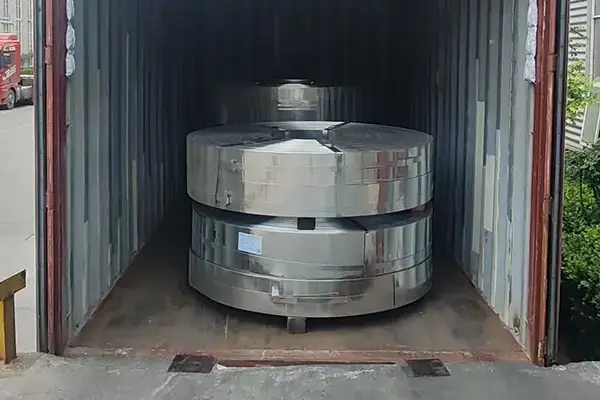
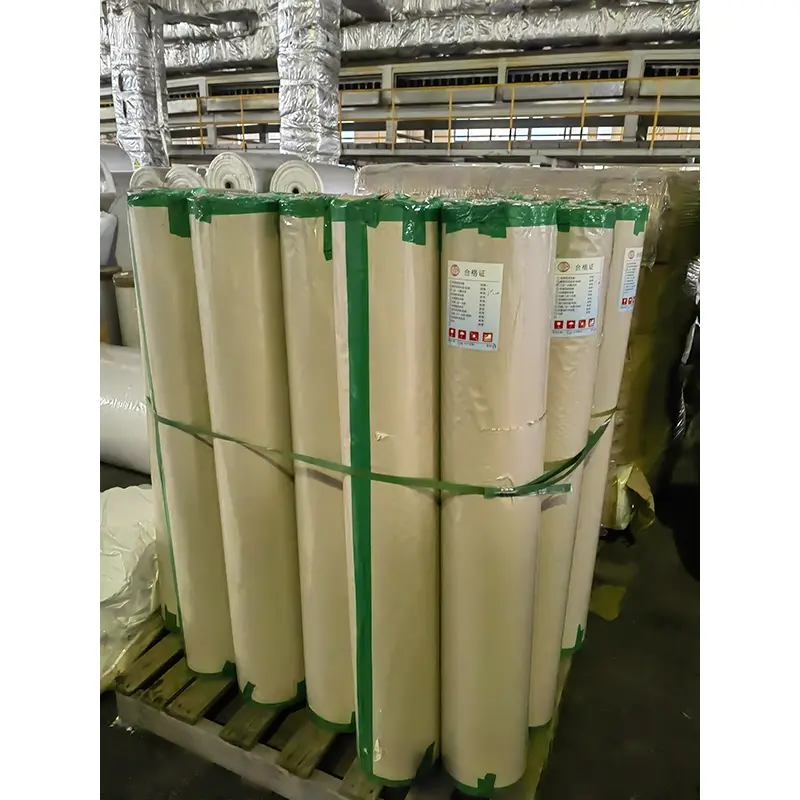
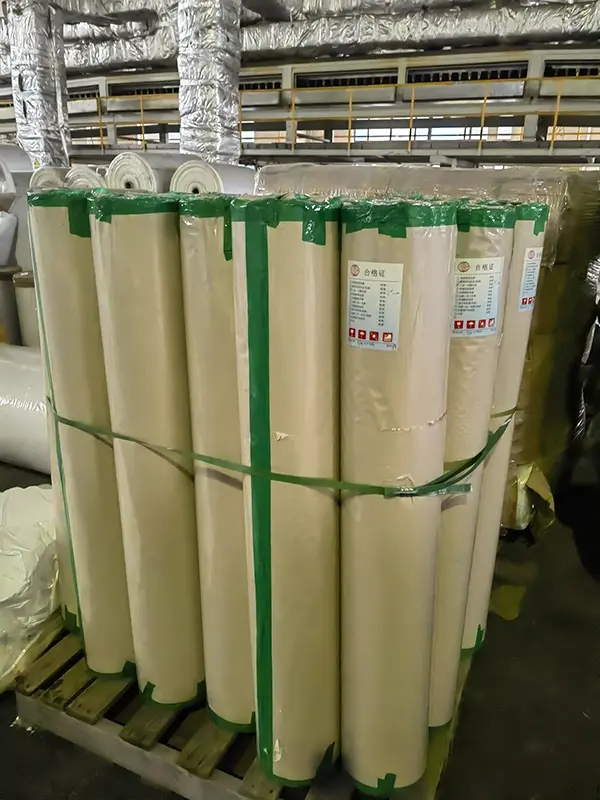
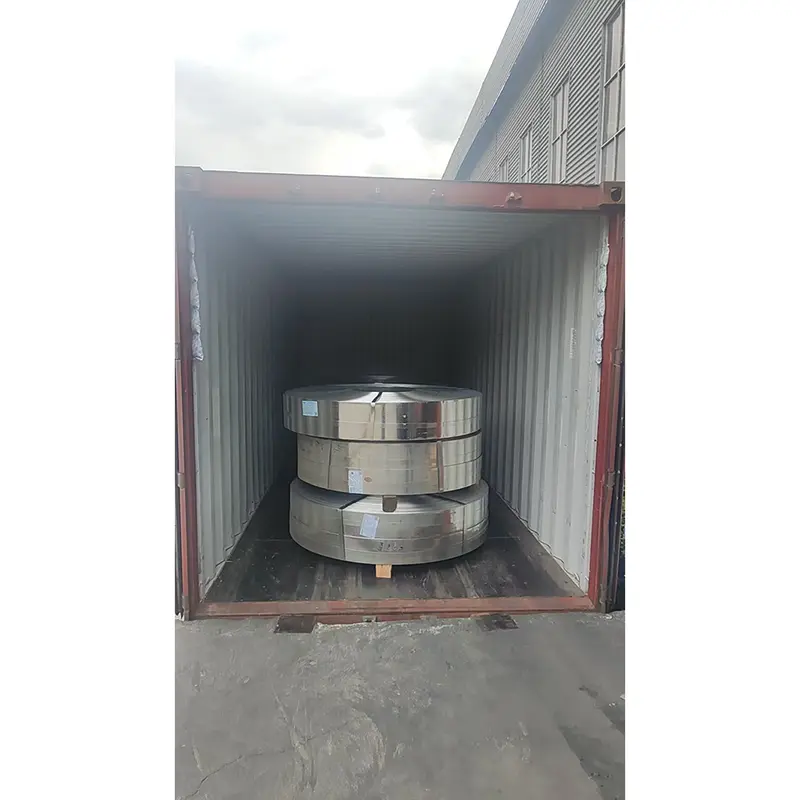
Standardized Moisture-Proof Export Packaging: Rolls are securely wrapped and palletized with steel strapping to prevent scratches, moisture ingress, or delamination during transit, ensuring a high rate of intact delivery. Comprehensive documentation—including material test reports in both Chinese and English, as well as all necessary paperwork for customs clearance and site inspections—is provided.
Q: Should I choose F40 or F50 aluminum foil facing for outdoor steel-structure roofing?
A: For roofs exposed to prolonged sunlight and high humidity, the premium F50 model is recommended due to its superior UV resistance, temperature tolerance, and moisture barrier performance. The standard F40 model is suitable for enclosed indoor spaces where the budget is limited.
Q: What issues arise if the seams between aluminum foil facings are not sealed with tape?
A: Unsealed seams allow moisture and radiant heat to penetrate, leading to rapid condensation and mold growth within the insulation layer and significantly increasing thermal loss. Over time, this causes the entire insulation system to fail. Proper installation requires sealing all seams with specialized aluminum foil sealing tape.
Q: Can the aluminum foil facing withstand long-term immersion in sewage or highly corrosive liquids?
A: No. Aluminum Foil Facing for Insulation Systems are resistant only to mild acids, alkalis, and salt spray; prolonged immersion in highly corrosive environments will cause delamination and damage. In severely corrosive conditions, an additional specialized anti-corrosion protective layer is required.
Q: Which aluminum foil facing is best for exposed air duct installations?
A: The F50 aluminum foil facing is the preferred choice. It features a smooth, glossy surface with a built-in anti-aging protective layer, ensuring it does not yellow or chalk over time when exposed. It also prevents fiber shedding, maintaining a neat appearance in mechanical rooms.
Q: Are there different model requirements when pairing aluminum foil facing with rubber-plastic or glass wool pipe insulation?
A: For indoor HVAC rubber-plastic piping, the standard F40 grade is sufficient; however, for steel-structure factories and high-temperature air ducts insulated with glass wool, the thickened, weather-resistant F50 grade is recommended, as its superior tear resistance and vapor barrier properties are better suited to the demanding operating conditions of such facilities.
Address
Tianjin International Metal Logistics Park, Jinan Economic Development Zone (East Zone), Jinan District, Tianjin, China
Tel