Tianjin Haisheng Steel Structure Co., Ltd.
Products
Hot Rolled Steel Strips for Fabrication
  • Hot Rolled Steel Strips for FabricationHot Rolled Steel Strips for Fabrication
  • Hot Rolled Steel Strips for FabricationHot Rolled Steel Strips for Fabrication

Hot Rolled Steel Strips for Fabrication

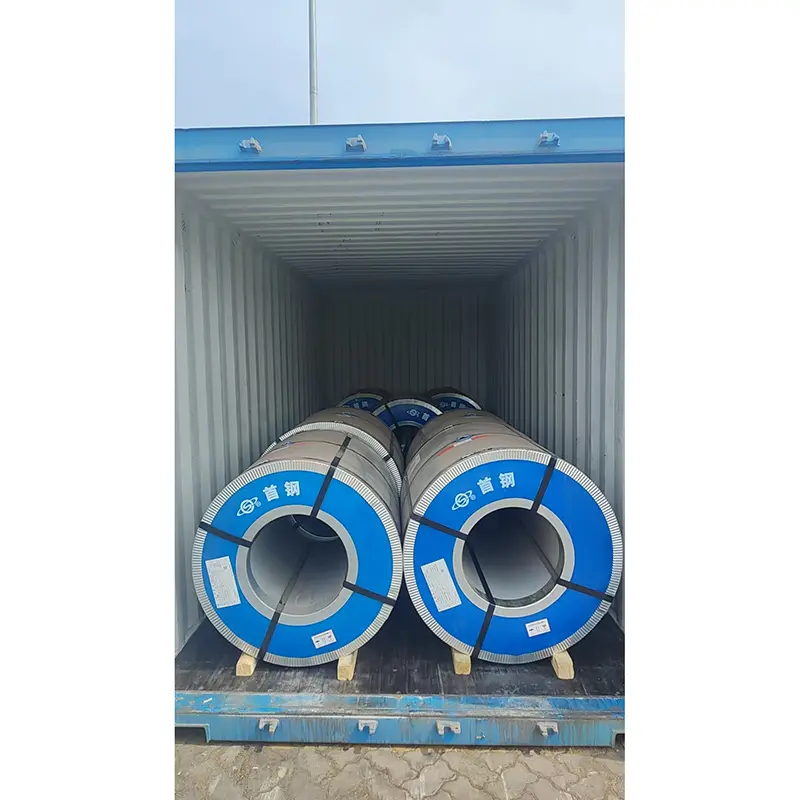
HAISHENG is a specialized manufacturer and one-stop supplier of steel structures, offering readily available Hot Rolled Steel Strips for Fabrication. Produced using a high-temperature (900–1250°C) continuous rolling process, these strips are available in mainstream grades such as Q235B and Q355B, combining low cost and high strength with excellent suitability for deep processing.

HAISHENG maintains a comprehensive inventory of Hot Rolled Steel Strips for Fabrication across a full range of widths and thicknesses. We provide integrated processing services—including CNC slitting, cut-to-length leveling, and hot-dip galvanizing—supported by complete mechanical testing documentation. We offer a one-stop solution for large-scale steel procurement for domestic and international projects across sectors such as architectural steel structures, construction machinery, pipeline manufacturing, automotive and shipbuilding, and energy storage tanks.

Hot Rolled Steel Strips For FabricationHot Rolled Steel Strips For Fabrication

1. Applicable Production Standards

GB/T 709-2019 Dimensions, Shape, Weight and Tolerance for Hot Rolled Steel Plates and Strips

GB/T 700-2006 Carbon Structural Steels

GB/T 1591-2018 High Strength Low Alloy Structural Steels


2. Core Product Features

2.1 Material & Mechanical Properties

Rolled under high temperature to form uniform internal metallographic structure with balanced strength, plasticity and toughness, delivering good impact resistance and fatigue performance.

Main grades Q235B and Q355B maintain stable room-temperature mechanical properties to meet load demands of general structures, heavy-duty components and all types of secondary processing.

High elongation and excellent cold deformation capacity, ideal for bending, coiling, stamping and other deep fabrication procedures.

2.2 Machining & Processing Characteristics

Outstanding weldability compatible with all conventional welding techniques, forming smooth crack-free welds, making them preferred raw materials for steel structures and pipe manufacturing.

Superior plasticity enables large deformation mass production of welded pipes, cold-formed profiles and stamped parts.

Extensive raw material specification coverage allows customized slitting, flattening and plate cutting with flexible blanking and high material utilization rate.

2.3 Appearance & Surface Condition

Black or blue-grey oxide scale covers the surface with relatively high roughness; dimensional precision and surface smoothness are inferior to cold rolled strips.

Minor water ripples and indentations may appear during rolling, making them unsuitable for direct decorative components.

Pickling, shot blasting or grinding descaling must be carried out before painting and precision machining.

2.4 Cost & Production Capacity Advantages

Mature manufacturing flow and high single-line output achieve low mass production cost with remarkable cost performance.

Sufficient supply chain and abundant spot inventory offer complete specification options to quickly fulfill large-volume orders.

2.5 Specification Compatibility

Wide thickness range covering thin strips to medium-heavy strips, usable both as blanks for deep processing and flattened structural steel plates.

Wide coil width and heavy single-coil weight fit continuous assembly line production for automated processing in large factories.

2.6 Operating Environment & Limitations

Usable temperature range of -20℃ ~ 350℃, superior heat resistance to cold rolled strips for medium-temperature working environments.

Oxide scale peels off easily under exposed conditions leading to gradual substrate rusting; derusting plus anti-corrosion coating is mandatory for outdoor applications.

Ordinary dimensional tolerance and flatness fail to meet requirements of precision assembly and high-end decorative parts.


3. Application Scope of Hot Rolled Steel Strips for Fabrication

3.1 Main Applications

Raw Material for Deep Processing (Core Usage) Core intermediate raw material for downstream steel products. Can be flattened into structural plates, slit into flat steel, fabricated into straight-seam welded tubes and cold-formed sections, further rolled into cold rolled strips, or processed into hot-dip galvanized, galvalume and color coated coils.

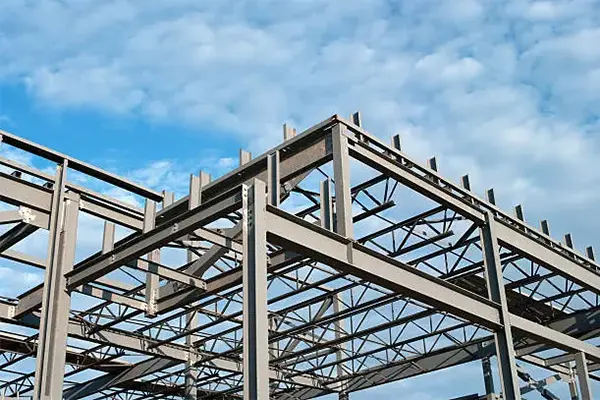
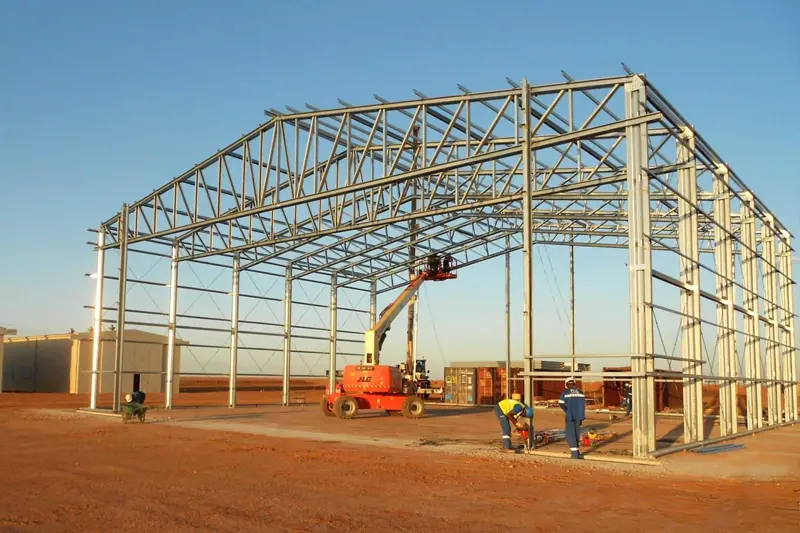
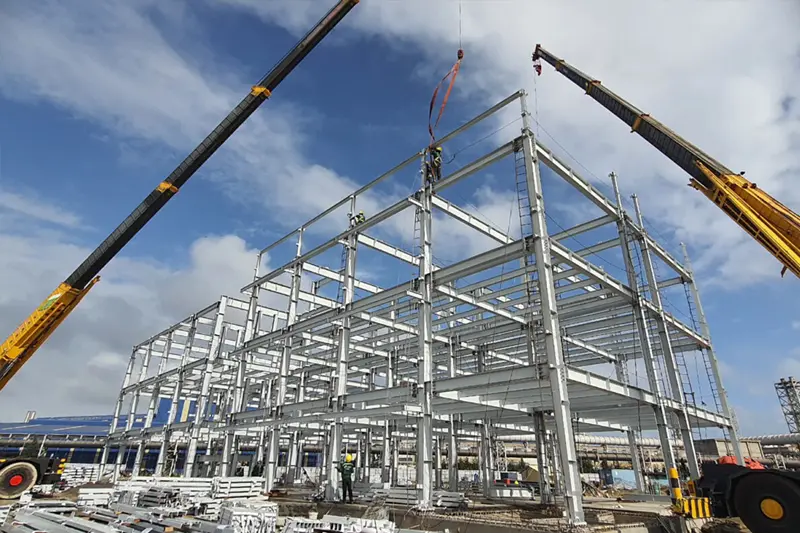
Construction Steel Structure Materials After flattening, directly manufactured into beam & column connecting plates, stiffeners, embedded parts, floor slabs and roof panels for factories, warehouses and stadiums; also applied to load-bearing components of bridges, tower cranes, space frames and pipe trusses.

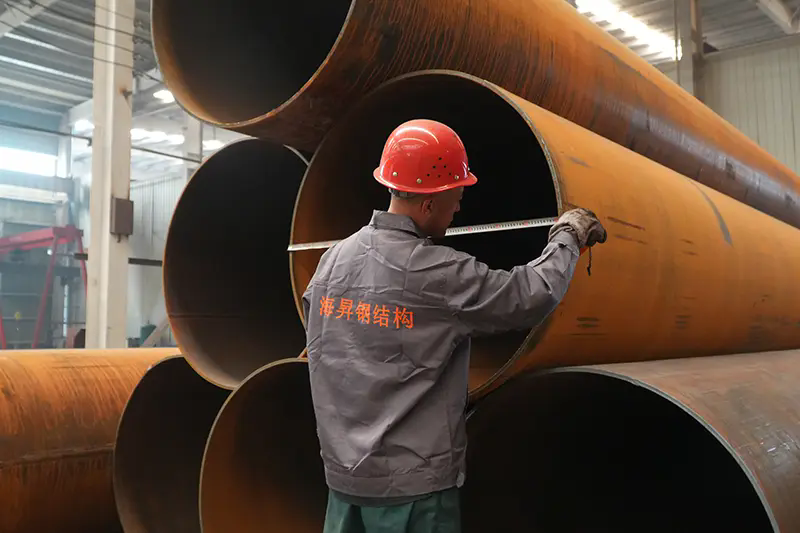
Pipe & Profile Manufacturing Coiled into welded round tubes, square & rectangular tubes and spiral welded tubes widely used for construction scaffolding, water supply & drainage pipelines, gas transportation, steel frames and guardrail pipes.

Machinery & Heavy Industry Manufacturing Fabricated into equipment bases, frames, guards, silos, construction machinery fittings, agricultural machinery parts, general stampings and wear-resistant liners.

Transportation Industry Manufacture automobile frames, chassis accessories, wheel rims and truck floor plates; main plates for containers and van body components; auxiliary ship plates and deck fittings.

Pressure Vessel & Pipe Accessories Atmospheric storage tanks, water tanks, pipe shells, pipe supports, hangers and reinforcing plates for non-high-pressure load-bearing components.

Hardware & General Small Parts Cut into various hardware fittings, blank for standard fasteners, enclosure plates, sign base plates and agricultural components.

3.2 Full Industrial Coverage

Steel Deep Processing Industry: Full industrial chain including cold rolling, galvanizing, color coating, pipe making, cold-formed profiles and longitudinal slitting.

Construction Steel Structures: Industrial plants, prefabricated buildings, bridges, municipal pipelines and enclosure facilities.

Machinery Manufacturing: General machinery, construction machinery, agricultural machinery and machine tools.

Transportation & Logistics: Automobiles, containers, ships and special vehicle production.

Energy Industry: Oil & gas transmission pipelines, storage tanks and wind power matching components.

Hardware & Light Industry: Daily hardware, construction fittings and warehousing equipment.

3.3 Specification Selection Guide

Thin strips (1.2–3.0mm): Mainly used as blanks for cold rolling, galvanized / color coated substrates, thin-walled welded tubes and light stampings.

Medium-heavy strips (3.0–10mm): Mainstream specification, directly flattened into structural plates, steel structure connecting plates, standard welded pipes and machinery fittings with the largest market consumption.

Heavy strips (over 10mm): Heavy-duty equipment base plates, bridge components, thick-walled pipes and large load-bearing plates.


4. Complete Performance Parameters

4.1 Basic Dimension Specifications

Dimension Range

Common sizes 2.0, 3.0, 4.0, 5.0, 6.0, 8.0, 10.0 mm

Width: 600~2200 mm; Industry classification: narrow strips <600mm, wide strips ≥600mm, mainstream widths 1000/1250/1500/1800 mm

Inner coil diameter: φ508 mm, φ610 mm

Single coil weight: 3~30 tons

Dimensional Tolerance

Thickness tolerance: ±0.10~±0.30 mm classified by thickness grade

Width tolerance: ±3~±8 mm

Camber & flatness comply with national standard allowable deviations with general overall flatness

Theoretical Weight Calculation Formula Weight per square meter (kg/㎡) = Thickness (mm) × 7.85

4.2 Main Grades & Room Temperature Mechanical Properties

Material Grade Yield Strength ReL (MPa) Tensile Strength Rm (MPa) Elongation After Fracture Impact Energy AkV (Ambient Temp)
Q235B ≥235 375~500 ≥26% ≥27 J
Q355B ≥355 470~630 ≥21% ≥34 J

4.3 General Physical Constants

Density: 7.85 g/cm³

Modulus of Elasticity: 2.06×10⁵ MPa

Poisson's Ratio: 0.3

Thermal Conductivity: 45 W/(m·K)

4.4 Processing Performance

Cold Bending Performance: Q235B and Q355B support 180° cold bending with mandrel diameter ≤ 2 times plate thickness without cracks or delamination, suitable for pipe coiling, bending and stamping.

Welding Performance: Low carbon equivalent delivers excellent weldability for manual arc welding, gas shielded welding and submerged arc welding without complex preheating.

Stamping Forming: Thin-gauge strips own good stretching performance; heavy strips fit simple forming instead of deep drawing.

Service Temperature: General working range -20℃ ~ 350℃; Q235D/E and Q355D/E grades for low-temperature projects with minimum resistance down to -40℃.

4.5 Surface & Coating Status

Delivery Surface: Native black oxide scale in grey-black or blue-grey color, surface roughness Ra: 15~50 μm.

Surface Defects: Minor indentations, water ripples and pitting are acceptable; fatal defects such as cracks, folds and delaminations are forbidden.

Post-treatment Requirement: Descaling via pickling, shot blasting or grinding is mandatory before painting, cold rolling, galvanizing and color coating.

4.6 Category & Performance Differentiation

Carbon Hot Rolled Strips (Q235 Series): Balanced plasticity, toughness and weldability with low cost and wide applications for general structures, pipe making and deep processing blanks.

High Strength Low Alloy Strips (Q355 Series): Higher tensile strength and load capacity for heavy steel structures, construction machinery, vehicles and thick-walled pipes.

High-quality Carbon / Special Strips: Purified chemical composition and stable performance dedicated to deep drawing, pressure vessels and precision stamping scenarios.

4.7 Machining & Usage Restrictions

Dimensional precision and surface smoothness are lower than cold rolled strips, unavailable for direct decorative parts and precision assembly components.

Continuous rusting occurs under bare exposure; derusting plus anti-corrosion coating is required for outdoor finished parts.

Heavy strips over 12mm tend to crack during wide-angle cold bending and deep drawing; hot forming or slower forming speed is recommended.

4.8 Application Selection Reference

1.2~3.0mm thin strips: Blanks for cold rolling / galvanizing / color coating, thin-walled welded tubes and light stampings

3.0~10.0mm medium strips: Flattened structural plates, steel structure connecting plates and general welded pipes & machinery fittings (largest consumption)

Over 10mm heavy strips: Heavy equipment base plates, bridge components, thick-walled pipes and load-bearing plates


5. Development Trend of Hot Rolled Steel Strips for Fabrication

5.1 Production Capacity Pattern: Stable Total Output with Structural Optimization

Overall: The industry enters capacity contraction; backward capacity elimination and equipment replacement will be completed from 2025 to 2026, narrow strip output declines while medium & wide strip proportion rises.

Market Concentration: Top 10 steel mills gain higher concentration; private steel enterprises expand market share in segmented sectors toward specialized division and regional coordination.

Specification Adjustment: Thin & light specification trend obvious with rising demand for 2.0–3.0mm strips; high-strength heavy strips (≥10mm) grow for heavy steel structures and construction machinery.

5.2 Product Upgrade: High Strength, Anti-corrosion & Specialized Customization

Strength Upgrade: Q355 becomes mainstream with rising demand for Q420/Q550/Q690 high-strength strips for construction machinery, automotive lightweighting and wind tower cylinders.

Surface & Composition: Low-alloy and micro-alloy technology improve strength and toughness; pickling-free direct supply technology cuts cost and shortens production cycle.

Special Varieties:

Cold rolling blanks: High surface quality and low inclusion for high-end cold rolling, galvanizing and color coating.

Automotive steel: High & ultra-high strength grades (700–1500MPa) for frames, chassis and wheel rims.

Energy & pipeline steel: Low-temperature resistant and hydrogen-induced cracking resistant strips for oil & gas transmission and wind power supports.

5.3 Process Technology: Intelligent Rolling & Green Low-carbon Production

Intelligent Manufacturing

Fully automatic rolling plus AI control model achieves dimensional tolerance ±0.05mm and mechanical property fluctuation ≤5%.

Online real-time closed-loop inspection for surface defects, thickness, temperature and mechanical performance.

Digital twin technology for full-process virtual commissioning and fault early warning, boosting finished product yield by 1–2%.

Green Low-carbon Production Driven by Dual Carbon Target

Ultra-low emission transformation fully finished before 2026 with steel energy consumption controlled below 540kgce per ton.

Short-process electric arc furnace + continuous casting & rolling ratio rises with scrap steel proportion up to 30% for over 30% carbon emission reduction.

Energy optimization: 15% penetration rate of photovoltaic power on rolling lines, waste heat power generation and regenerative heating furnaces widely adopted.

5.4 Market & Demand: Differentiated Demand & Restructured Export Layout

Domestic Demand

Traditional construction steel demand from real estate remains weak; steel structures, energy, automobile and construction machinery become core growth drivers.

Welded pipe, cold-formed profile and coated substrate demand stays steady accounting for over 60% of total consumption.

Export Market

High tariff barriers including Section 232 tariff and CBAM carbon tariff restrict European & American exports; Southeast Asia, Middle East and Latin America become core markets with export proportion rising to 38%.

Certification upgrade: Dual JIS/ASTM certification plus CE/UKCA approval; exports of high-strength, anti-corrosion and thin-gauge strips keep increasing.

Price Trend: Fluctuating within range with slight central upward shift in 2026, narrowing price gap between coils and strips and weaker premium for thin coils.

5.5 Industrial Chain Extension: Customized & Service-oriented Supply

Rising direct supply ratio from 35% to 46%; steel mills provide customized production, JIT delivery and integrated processing & distribution service.

Downstream processing matching: Self-built or joint venture cold rolling, galvanizing, color coating, slitting and flattening lines to increase added value and lock stable downstream customers.


6. HAISHENG Factory Supply Advantages

Direct Factory Spot Supply: Self-owned slitting & flattening workshop with full thickness & width Hot Rolled Steel Strips for Fabrication in permanent stock, no intermediate markup for large overseas project bulk orders.

Fast Stable Delivery: Standard thin, medium and heavy strips fully stocked all year round, supporting urgent customized slitting, plate cutting and special-size processing to meet tight construction schedules.

Full Traceable Quality Inspection: Raw material mechanical re-inspection, online rolling monitoring and full finished product visual inspection. Each batch attached with complete tensile & impact test reports, supporting third-party on-site sampling inspection for smooth overseas project acceptance.

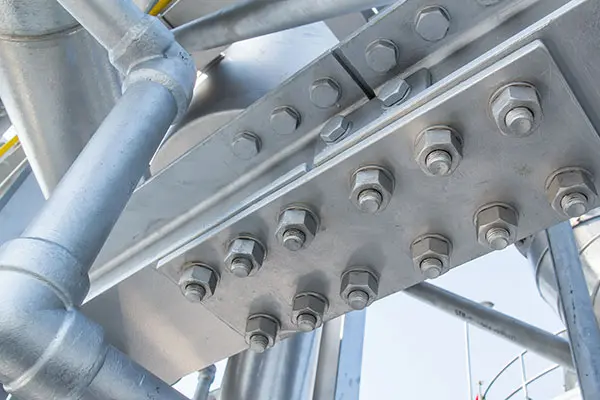
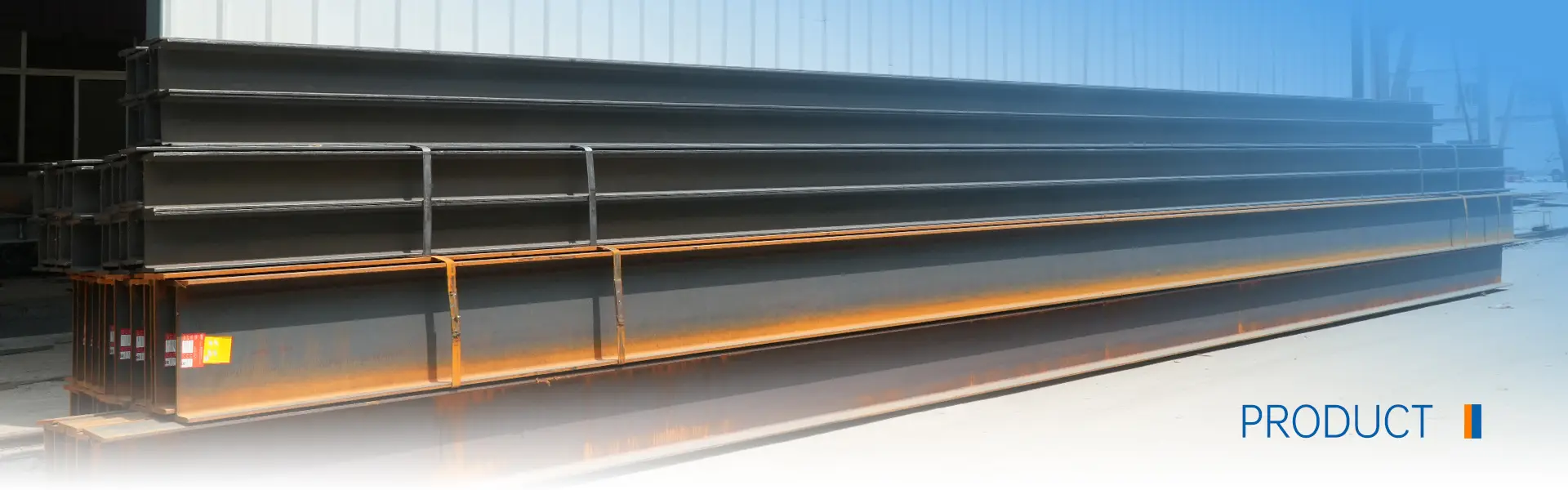
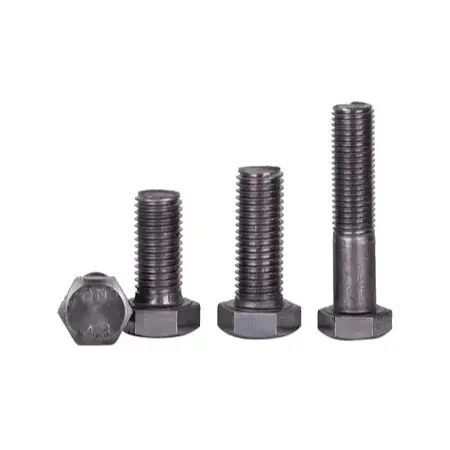
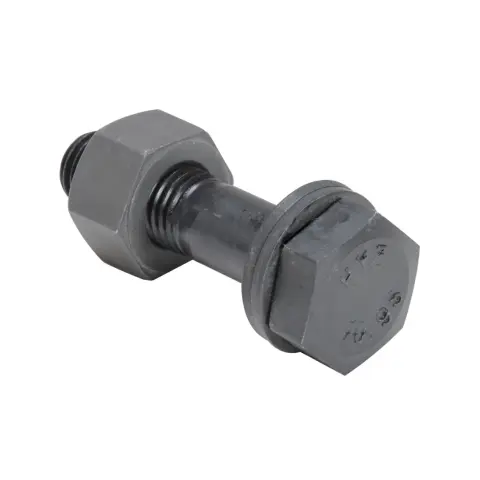
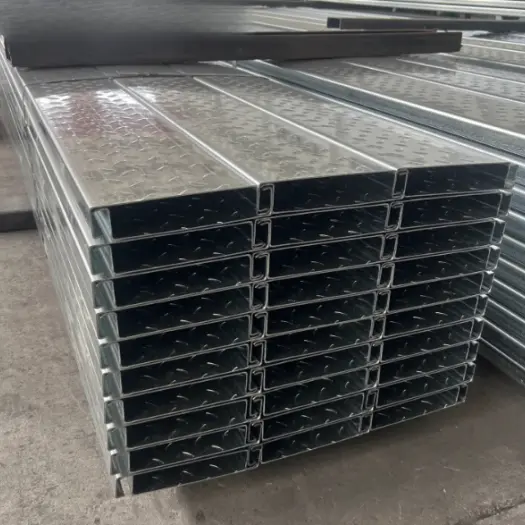
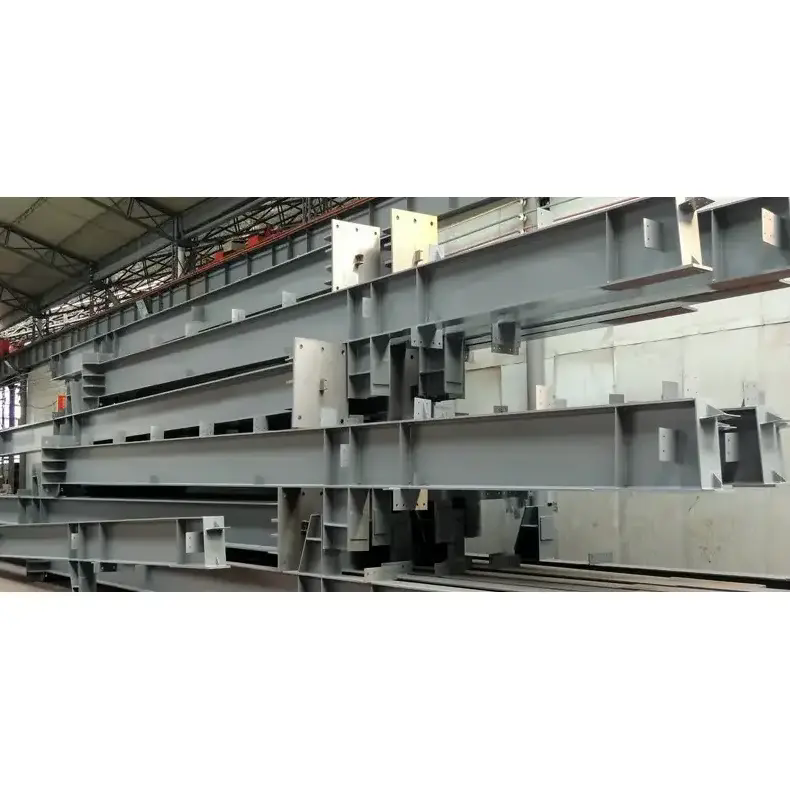
One-stop Custom Processing Service: Slitting, flattening, bending, punching and hot-dip galvanizing anti-corrosion treatment available, matched with H-beams, I-beams, flat steel and high strength bolts for integrated export packaging.

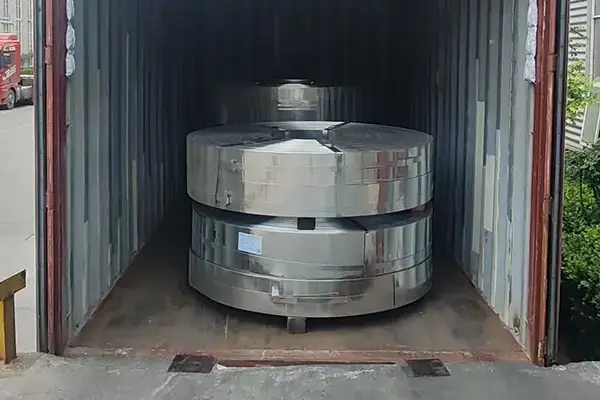
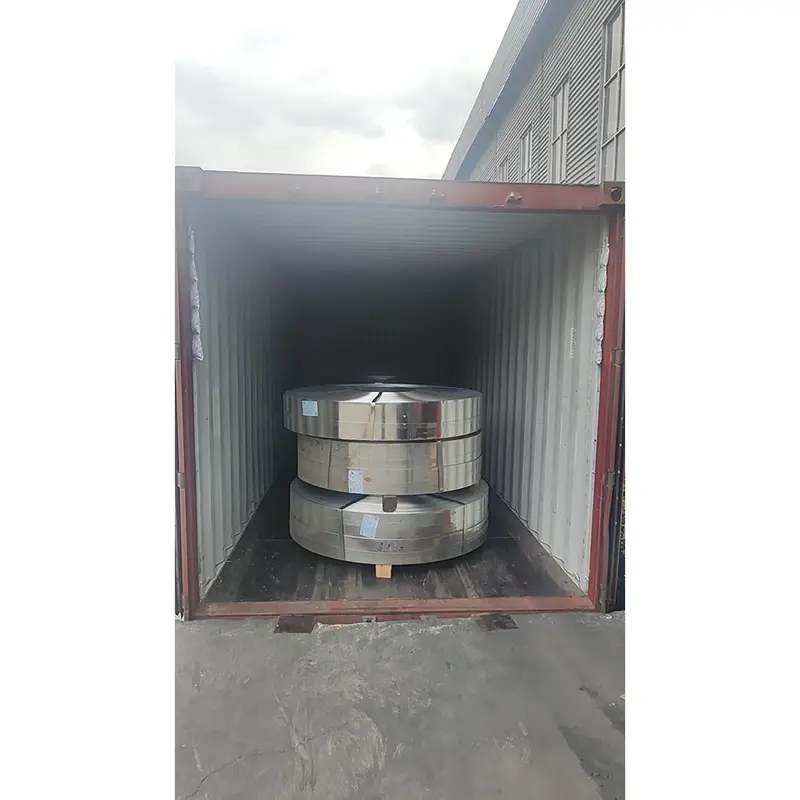
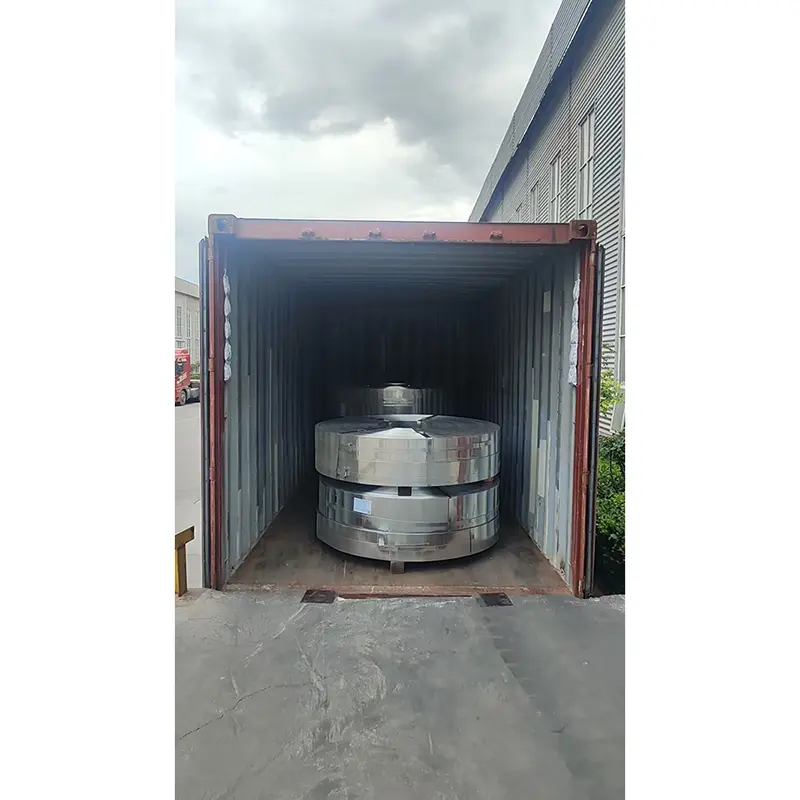
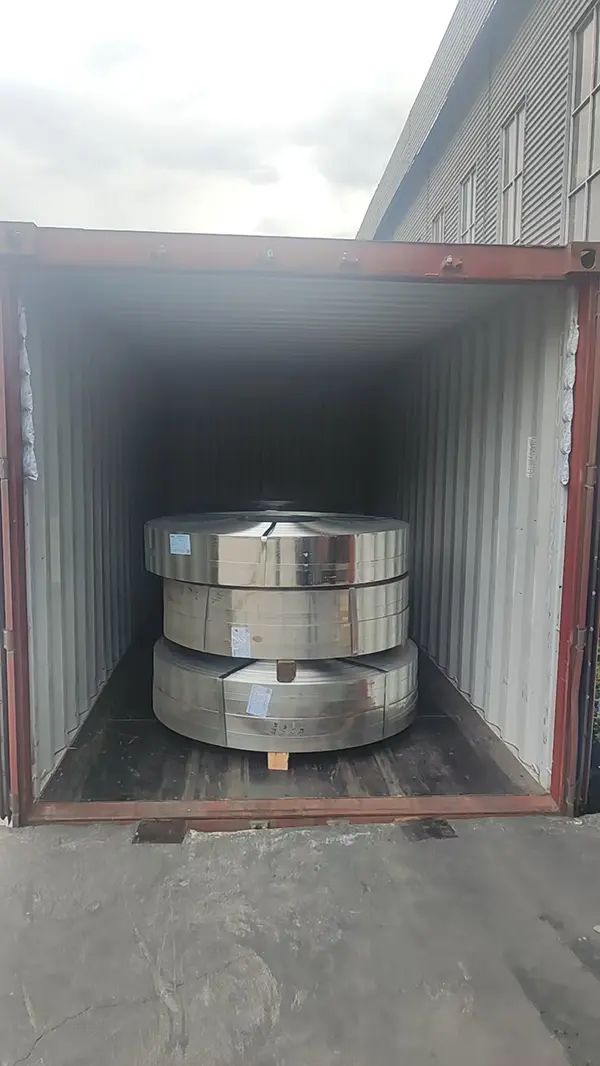
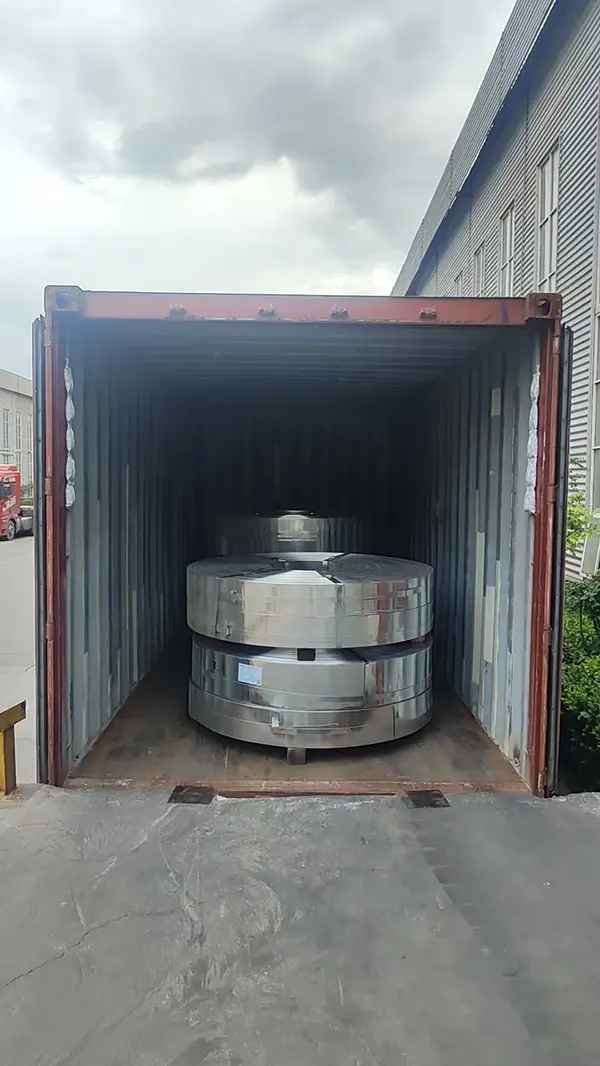
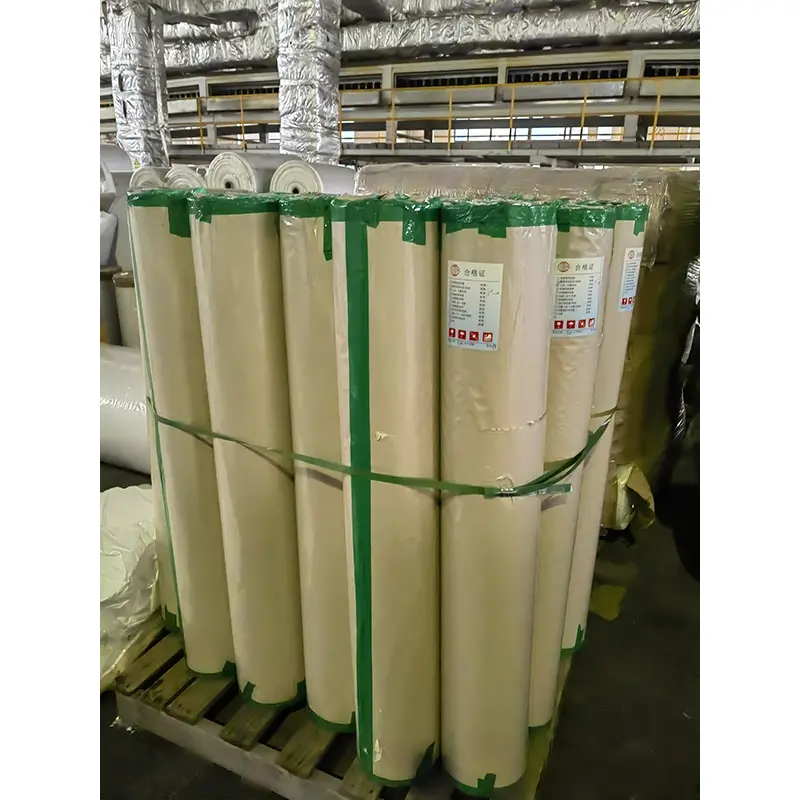
Standard Export Packaging: Coils wrapped with waterproof film and fixed by steel straps, wooden pallets for moisture & rust prevention; complete Chinese & English material certificates for customs clearance and site inspection.


7. Frequently Asked Questions

Q: What grade of Hot Rolled Steel Strips for Fabrication is suitable for general factory steel structures?

A: Q235B strips fit ordinary enclosures, embedded parts and light load components; Q355B high-strength strips are selected for heavy-duty beams, thick plates and bridge load-bearing parts.


Q: Can hot rolled strips be directly used for exterior decorative components?

A: Not recommended. The surface carries thick oxide scale with rough texture; pickling and polishing treatment is required before decorative application.


Q: What processing should be done if hot rolled strips are used for outdoor long-term service?

A: Complete shot blasting descaling followed by epoxy primer and topcoat painting; hot-dip galvanizing is the optimal anti-corrosion solution for coastal salt spray environments.


Q: What is the difference between thin, medium and heavy hot rolled strips in actual production?

A: Thin strips mainly serve as blanks for secondary coating and thin-walled pipe making; medium strips are the most versatile for structural plates and general mechanical fittings; heavy strips are dedicated to large heavy-load equipment and bridge engineering.


Q: Is cold bending allowed for strips thicker than 10mm?

A: Cold bending is available with limited bending angle; large-angle forming easily causes cracking, and hot forming is preferred for heavy thick strips.


Hot Tags: Hot Rolled Steel Strips for Fabrication, China, Manufacturer, Supplier, Factory
Send Inquiry
Contact Info
Contact HAISHENG China supplier of Structural Steel Components, Steel Structure Cladding Components and Structural Steel Fasteners. Our professional sales team will reply with detailed quotation, product parameters and delivery plan within 24 hours to meet your bulk procurement demand.
X
We use cookies to offer you a better browsing experience, analyze site traffic and personalize content. By using this site, you agree to our use of cookies.Privacy Policy
RejectAccept