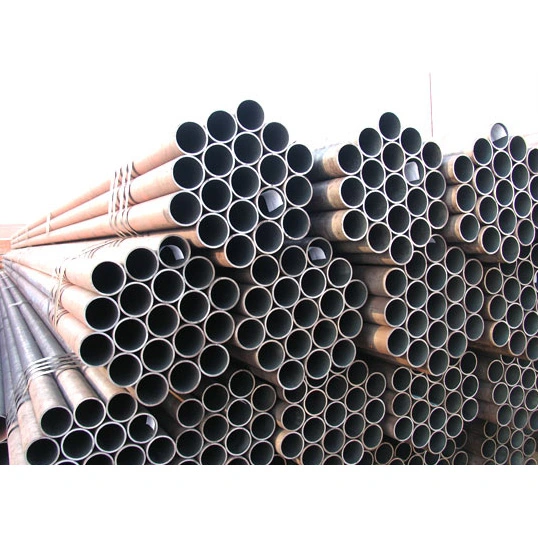
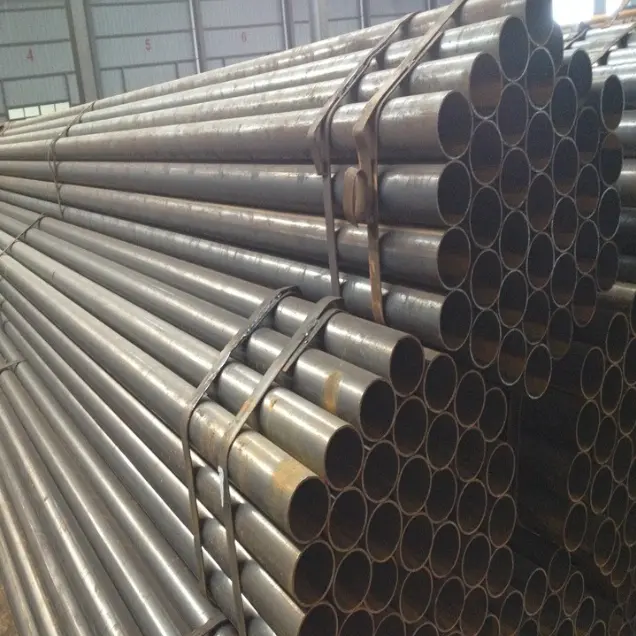
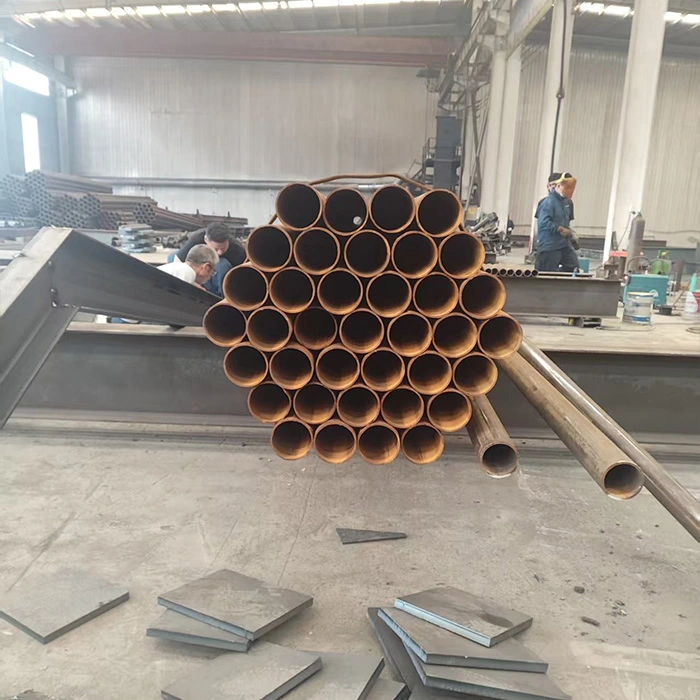
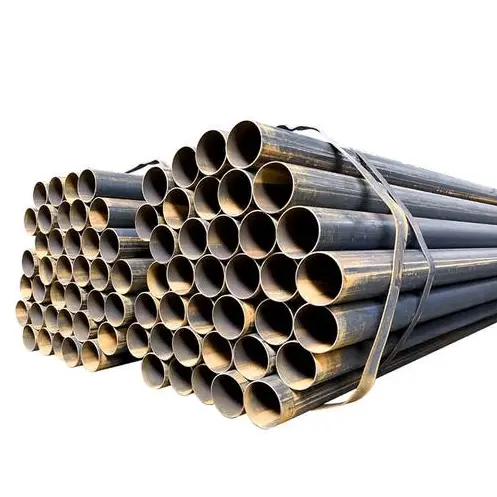
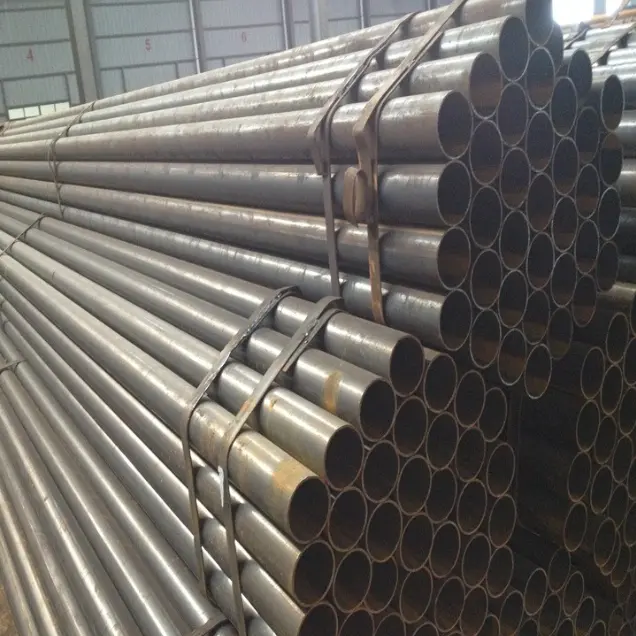
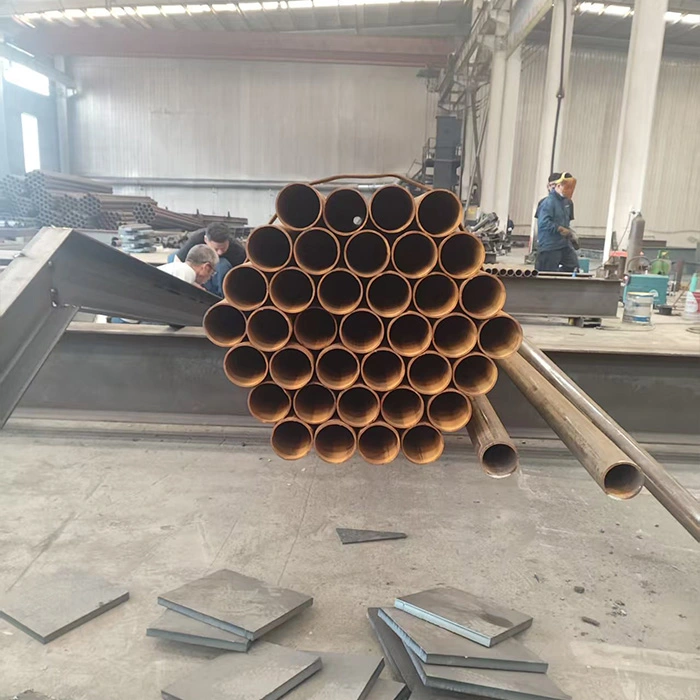
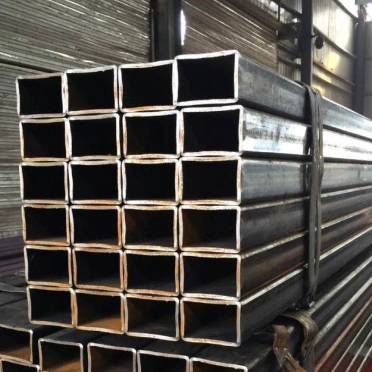
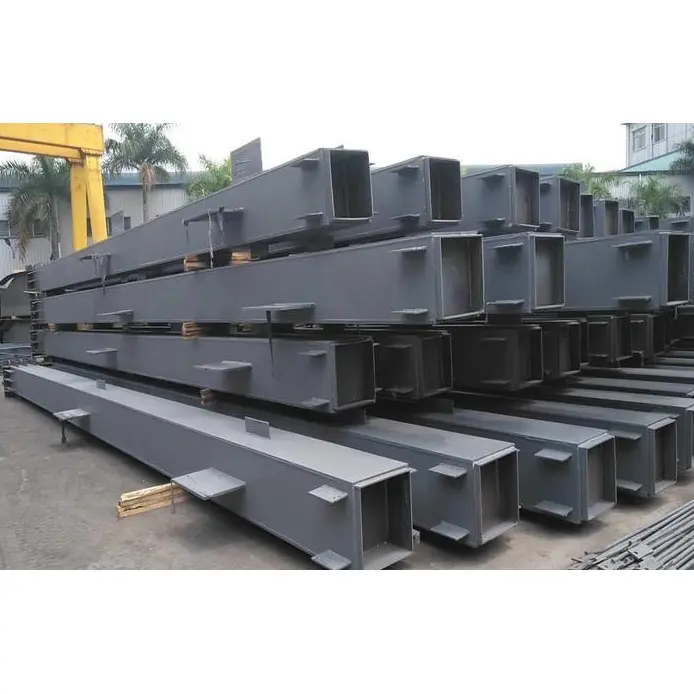
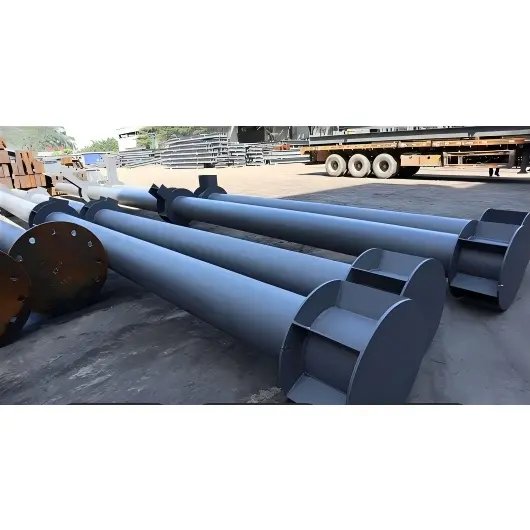
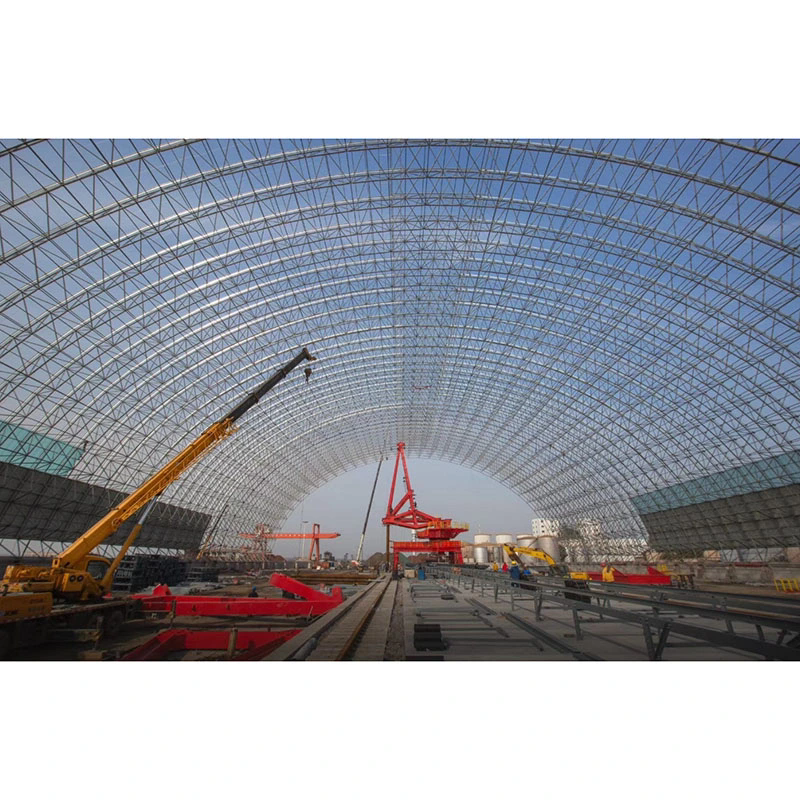
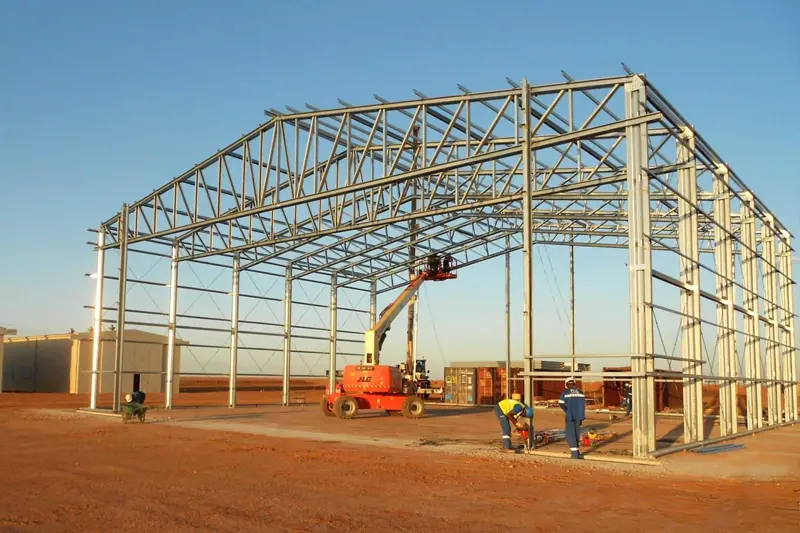
Commonly known as welded steel pipes, these products are manufactured by rolling and welding steel strips. They are primarily categorized into straight-seam and spiral-seam welded pipes, manufactured in accordance with standards such as GB/T 3091 and GB/T 13793, and commonly made from Q235B or Q355B steel. They are mainly used for low-pressure fluid transport, steel structural beams and columns, guardrail supports, municipal piping networks, electromechanical conduits, and temporary projects, making them suitable for standard operating conditions involving ambient temperatures and low-to-medium pressures.


1. Welded steel pipes are formed by rolling and welding steel strips and come in two types: straight-seam and spiral-seam. The hollow circular cross-section ensures uniform load distribution and offers excellent resistance to bending and torsion, as well as superior overall stability.
2. The overall strength meets the requirements of low-to-medium pressure applications. Large-diameter spiral-seam welded pipes offer superior pressure-bearing capacity and rigidity compared to standard straight-seam welded pipes. However, due to weld seam limitations, they are not suitable for extreme conditions involving high pressure, high temperature, or severe corrosion.
3. For the same load-bearing capacity, they are lighter than solid steel components, effectively reducing the overall structural load.
1. The production process is mature, offering high capacity and rapid delivery. Ample stock is available on the market at economical prices, resulting in low overall costs.
2. A wide range of specifications is available—from small-diameter pipes to large-diameter pipelines and column pipes—allowing for flexible selection.
1. Secondary processing—such as cutting, bevelling, threading, bending, and welding—is straightforward, simplifying on-site construction.
2. The pipes feature uniform dimensions and are easy to handle and install. Various connection methods—including welding, flanges, threading, and grooved couplings—can be employed to suit different engineering requirements. IV. Usage and Anti-corrosion Characteristics
1. Standard delivery is in the form of "black pipe" (uncoated steel); however, treatments such as hot-dip galvanizing, painting, anti-corrosion coatings, and 3PE anti-corrosion layers can be applied. They are suitable for use in both indoor and outdoor environments.
2. Flexible application: They can serve independently as fluid transport pipelines or be assembled into load-bearing components such as steel structural beams, columns, and trusses.
1. Straight-seam welded pipes are typically used for small-to-medium diameters, low-pressure pipelines, and light steel structures. Spiral welded pipes are primarily used for large diameters, making them suitable for long-distance municipal transport and large-scale steel structural components.
2. Due to the presence of welded seams, these pipes exhibit lower pressure resistance, high-temperature resistance, and fatigue strength compared to seamless steel pipes. They are strictly prohibited for use in critical pressure-bearing applications involving high-pressure flammable/explosive materials or high-temperature/high-pressure conditions.
1. Fluid Transport
Used for transporting media such as tap water, sewage, low-pressure gas, ventilation/dust extraction air, and general-purpose oils; they are primary piping materials for civil and industrial networks.
2. Steel Structural Load-bearing Components
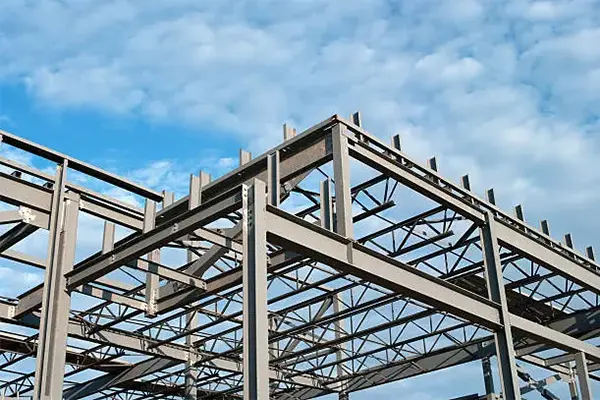
Used to fabricate circular columns, truss members, roof supports, and platform uprights; they can replace certain structural steel shapes for auxiliary or moderately loaded beams and columns.
3. Protection and Enclosure
Used for roadway guardrails, factory perimeter fencing, stair handrails, balcony railings, hoarding frameworks, and outdoor billboard supports.
4. Mechanical and Electrical Support Systems
Used to construct supports and hangers for water pipes, air ducts, and cable trays, as well as specialized mounting brackets and fixing rods for equipment.
5. Municipal and Civil Engineering
Used for municipal pipeline networks, riverbank casings, pile foundation casings, tunnel ventilation ducts, and temporary safety barriers at construction sites.
6. Temporary and Agricultural Facilities
Used for scaffolding, temporary sheds, greenhouse frameworks, and agricultural water transport pipelines.
1. Construction Engineering: Civil buildings, factory workshops, warehouses, water supply and drainage systems for venues, and steel structural support systems.
2. Municipal Utilities: Urban water supply and drainage networks, roadway guardrails, landscape engineering, and municipal pipeline installation. 3. MEP (Mechanical, Electrical, and Plumbing/HVAC): Water supply and drainage, ventilation, and low-pressure gas piping for factories, buildings, and shopping malls.
4. Industrial and Mining Enterprises: Workshop transfer piping, equipment supports, material yard enclosures, and lightweight truss structures.
5. Agriculture and Landscaping: Agricultural irrigation pipes, greenhouse frameworks, and landscape fencing.
6. Temporary Works: Temporary site facilities, temporary supports, excavation pit protection, and construction scaffolding.
Selection Guide
Straight-seam welded pipe: Primarily small to medium diameters; commonly used for indoor piping, railings, and small-scale steel structures.
Spiral welded pipe: Primarily large diameters; commonly used for municipal trunk pipelines, long-distance water transmission, and large-scale steel structural columns.
·GB/T 3091-2025: Welded steel pipes for low-pressure fluid transport (water, gas, air, etc.; ≤2.5 MPa, ≤200°C)
·GB/T 13793-2016: Longitudinal electric-welded steel pipes (structural, scaffolding, general machinery)
·GB/T 9711 / API 5L: Line pipe for oil and gas transportation (L245/L360/L415, etc.)
|
Material Grade |
Yield Strength ReL (MPa) |
Tensile Strength Rm (MPa) |
Elongation After Fracture A |
Typical Applications |
|
Q195 |
≥195 |
≥315 |
≥20% |
Scaffolding, light structures |
|
Q215A/B |
≥215 |
335~450 |
≥22% |
Low-pressure fluid pipelines, guardrails |
|
Q235B |
≥235 |
375~500 |
≥25% |
Water supply & drainage, gas pipelines, general structural steel (most widely used) |
|
Q355B |
≥355 |
470~630 |
≥21% |
Medium & high-pressure pipelines, load-bearing structural members |
|
20# Steel |
≥245 |
440~550 |
≥20% |
General machinery parts, heat exchange tubes |
|
L245 |
≥245 |
415~565 |
≥21% |
Low-pressure oil & gas transmission pipelines |
·Modulus of Elasticity: 2.06×10⁵ MPa
·Density: 7.85 g/cm³
·Impact Energy: Ambient temperature **≥27 J** (Q235B, V-notch)
1) Outer Diameter Range
·Small diameter: DN15–DN50 (21.3–60.3 mm)
·Medium diameter: DN65–DN250 (76.1–273 mm)
·Large diameter: DN300–DN600 (323.9–610 mm)
·Spiral welded pipe: Up to DN800–DN3000
2) Wall Thickness (Common)
·Standard: 1.2–12.7 mm
·Heavy-wall: 12.7–40 mm
·Tolerance: Wall thickness ±10% t; Outer diameter ±0.5% to ±1.0%
3) Length
·Standard: Fixed lengths of 6 m, 9 m, 12 m
·Customizable: 15–18 m
·Length tolerance: +20 mm / 0 mm
4) Theoretical Weight (kg/m)
W=0.02466×(D−t)×t
·D: Outer diameter (mm); t: Wall thickness (mm)
·Galvanized pipe: Weight ×1.015–1.03 (coating factor)
1) Hydrostatic Test (Mandatory)
· Standard black pipe: 5.0 MPa, hold pressure ≥5s
· Gas pipe: 6.0 MPa, hold pressure ≥10s
· Heavy-wall pipe: 7.0 MPa
· Recommended working pressure: ≤1.6 MPa (long-term safety)
2) Weld Seam Quality
· Non-destructive testing (NDT): UT (Ultrasonic) / RT (Radiographic)
· Longitudinal seam: High-frequency welding, weld coefficient **≈0.85–0.9**
· Spiral seam: Submerged arc welding, weld coefficient **≈0.9–0.95**
3) Flattening / Bending Test
· Flattening: No cracks, no delamination
· Bending (DN≤50): 90°, bending radius = 6D (black pipe) / 8D (galvanized pipe), weld seam positioned at the side; no cracks, no zinc layer peeling
4) Operating Temperature
· Standard: -20°C to +200°C
· Low-temperature steel (L245N): Down to -40°C
· Delivery condition: Black pipe (bare pipe) / Hot-dip galvanized / Epoxy / 3PE (buried)
· Galvanized layer: ≥300 g/m² (double-sided), local thickness **≥85 μm**
· Surface quality: No cracks, no folds, no scabs, no severe corrosion
· DN≤50: Threaded connection (GB/T 7306)
· DN65–DN200: Flange connection / Grooved connection
· DN≥250: Welding (butt weld / fillet weld)
· Low-pressure fluids: Water, sewage, gas, air, ventilation
· Steel structures: Circular pipe columns, trusses, supports, guardrails, scaffolding
· Temperature: -20 to 200°C; Pressure: ≤2.5 MPa
|
Specifications |
Outer Diameter |
Standard Wall Thickness |
Theoretical Weight Chart for Welded Pipes |
||
|
4 points |
15 |
1/2 inch |
21.25 |
2.75 |
1.26 |
|
6 points |
20 |
3/4 inch |
26.75 |
2.75 |
1.63 |
|
1 inch |
25 |
1 inch |
33.3 |
3.25 |
2.42 |
|
1.2 inch |
32 |
11/4 inch |
42.25 |
3.25 |
3.13 |
|
1.5 inch |
40 |
11/2 inch |
48 |
3.5 |
3.84 |
|
2 inch |
50 |
2 inch |
60 |
3.5 |
4.88 |
|
2.5 inch |
70 |
21/2 inch |
75.5 |
3.75 |
6.64 |
|
3 inch |
80 |
3 inch |
88.5 |
4.0 |
8.34 |
|
4 inch |
100 |
4 inch |
114 |
4.0 |
10.85 |
|
5 inch |
125 |
5 inch |
140 |
4.5 |
15.04 |
|
6 inch |
150 |
6 inch |
165 |
4.5 |
17.81 |
|
8 inch |
200 |
8 inch |
219 |
6 |
31.52 |
|
Specification |
Wall thickness |
Weight per meter |
National standard hydrostatic pressure value |
Ministry standard hydrostatic pressure value |
Specification |
Wall thickness |
Weight per meter |
National standard hydrostatic pressure value |
Ministry standard hydrostatic pressure value |
|
219 |
6 |
32.02 |
9.7 |
7.7 |
720 |
6 |
106.15 |
3 |
2.3 |
|
|
7 |
37.1 |
11.3 |
9 |
|
7 |
123.59 |
3.5 |
2.7 |
|
|
8 |
42.13 |
12.9 |
10.3 |
|
8 |
140.97 |
4 |
3.1 |
|
273 |
6 |
40.01 |
7.7 |
6.2 |
|
9 |
158.31 |
4.5 |
3.5 |
|
|
7 |
46.42 |
9 |
7.2 |
|
10 |
175.6 |
5 |
3.9 |
|
|
8 |
52.78 |
10.3 |
8.3 |
|
12 |
210.02 |
6 |
4.7 |
|
325 |
6 |
47.7 |
6.5 |
5.2 |
820 |
7 |
140.85 |
3.1 |
2.4 |
|
|
7 |
55.4 |
7.6 |
6.1 |
|
8 |
160.7 |
3.5 |
2.7 |
|
|
8 |
63.04 |
8.7 |
6.9 |
|
9 |
180.5 |
4 |
3.1 |
|
377 |
6 |
55.4 |
5.7 |
4.5 |
|
10 |
200.26 |
4.4 |
3.4 |
|
|
7 |
64.37 |
6.7 |
5.2 |
|
11 |
219.96 |
4.8 |
3.8 |
|
|
8 |
73.3 |
7.6 |
6 |
|
12 |
239.62 |
5.3 |
4.1 |
|
|
9 |
82.18 |
8.6 |
6.8 |
920 |
8 |
180.43 |
3.1 |
2.5 |
|
|
10 |
91.01 |
- |
7.5 |
|
9 |
202.7 |
3.5 |
2.8 |
|
426 |
6 |
62.25 |
5.1 |
4 |
|
10 |
224.92 |
3.9 |
3.1 |
|
|
7 |
72.83 |
5.9 |
4.6 |
|
11 |
247.22 |
4.3 |
3.4 |
|
|
8 |
82.97 |
6.8 |
5.3 |
|
12 |
269.21 |
4.7 |
3.7 |
|
|
9 |
93.05 |
7.6 |
6 |
1020 |
8 |
200.16 |
2.8 |
2.2 |
|
|
10 |
103.09 |
8.5 |
6.7 |
|
9 |
224.89 |
3.2 |
2.5 |
|
478 |
6 |
70.34 |
4.5 |
3.5 |
|
10 |
249.58 |
3.5 |
2.8 |
|
|
7 |
81.81 |
5.3 |
4.1 |
|
11 |
274.22 |
3.9 |
3 |
|
|
8 |
93.23 |
6 |
4.7 |
|
12 |
298.81 |
4.2 |
3.3 |
|
|
9 |
104.6 |
6.8 |
5.3 |
1220 |
8 |
239.62 |
- |
1.8 |
|
|
10 |
115.92 |
7.5 |
5.9 |
|
10 |
298.9 |
3 |
2.3 |
|
529 |
6 |
77.89 |
4.1 |
3.2 |
|
11 |
328.47 |
3.2 |
2.5 |
|
|
7 |
90.61 |
4.8 |
3.7 |
|
12 |
357.99 |
3.5 |
2.8 |
|
|
8 |
103.29 |
5.4 |
4.3 |
|
13 |
387.46 |
3.8 |
3 |
|
|
9 |
115.92 |
6.1 |
4.8 |
1420 |
10 |
348.23 |
2.8 |
2 |
|
|
10 |
128.49 |
6.8 |
5.3 |
|
14 |
417.18 |
3.2 |
2.4 |
|
630 |
6 |
92.83 |
3.4 |
2.6 |
1620 |
12 |
476.37 |
2.9 |
2.1 |
|
|
7 |
108.05 |
4 |
3.1 |
|
14 |
554.99 |
3.2 |
2.4 |
|
|
8 |
123.22 |
4.6 |
3.6 |
1820 |
14 |
627.04 |
3.3 |
2.2 |
|
|
9 |
138.33 |
5.1 |
4 |
2020 |
14 |
693.09 |
- |
2 |
|
|
10 |
153.4 |
5.7 |
4.5 |
2220 |
14 |
762.15 |
- |
1.8 |
Address
Tianjin International Metal Logistics Park, Jinan Economic Development Zone (East Zone), Jinan District, Tianjin, China
Tel