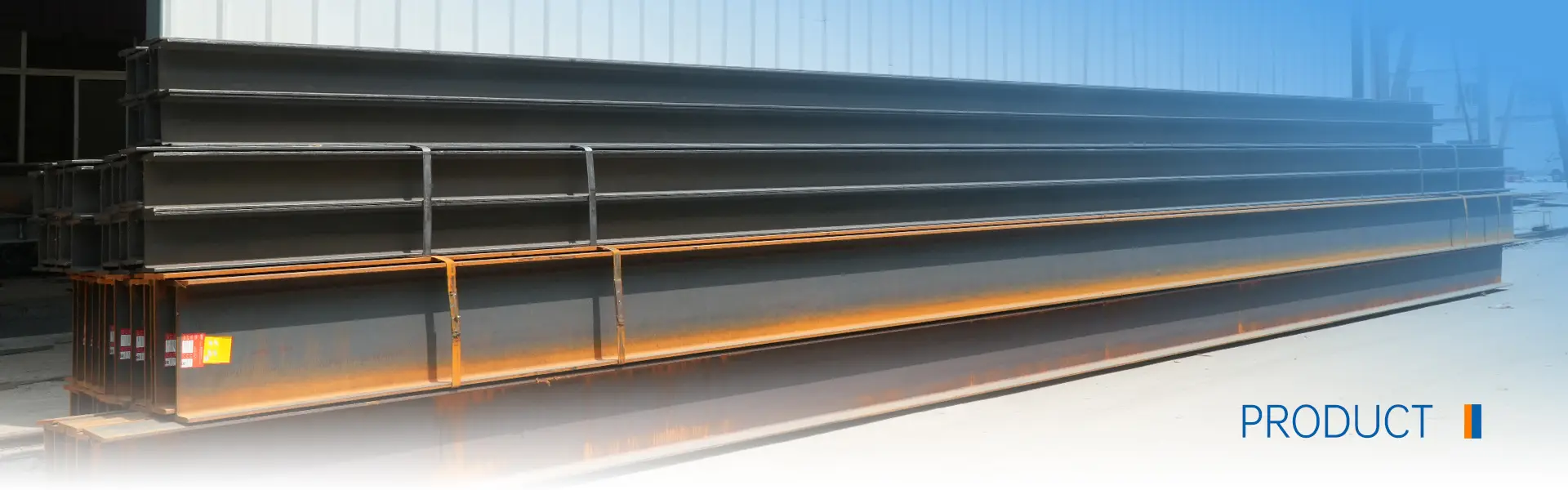
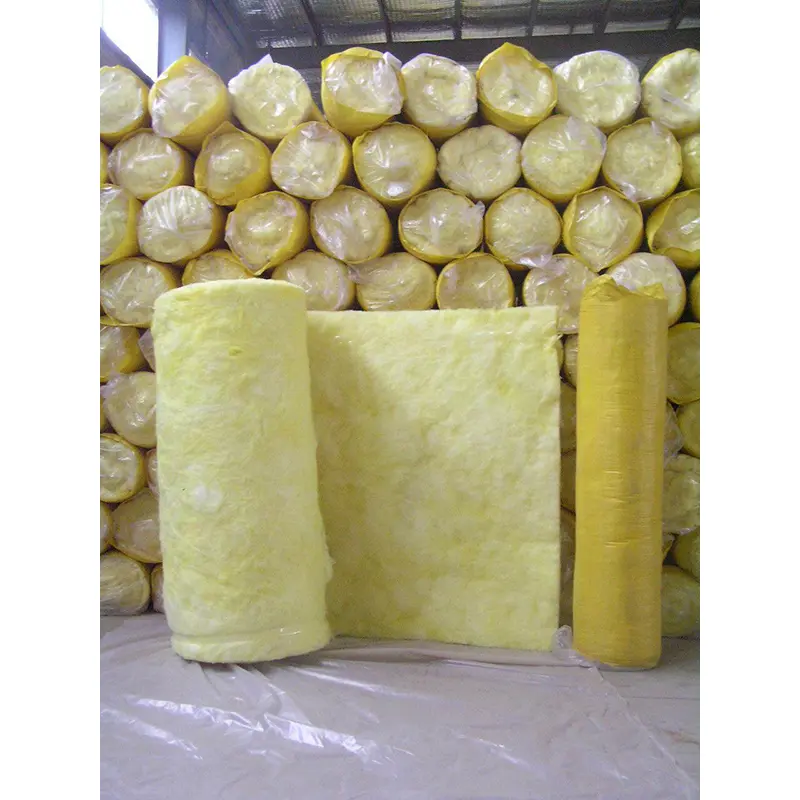
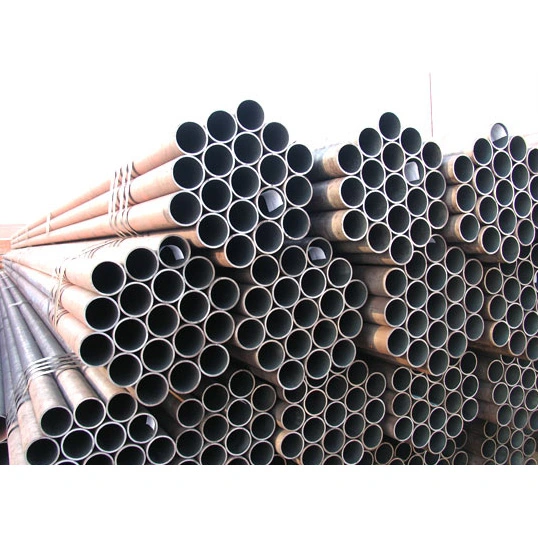
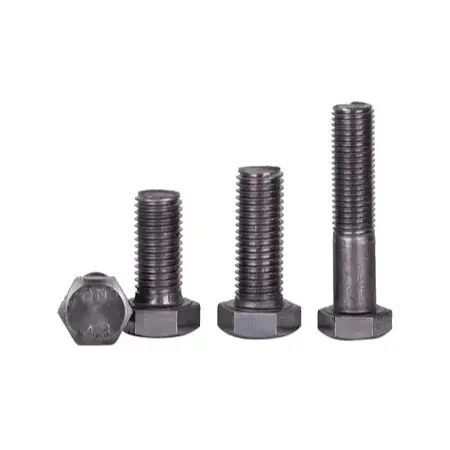
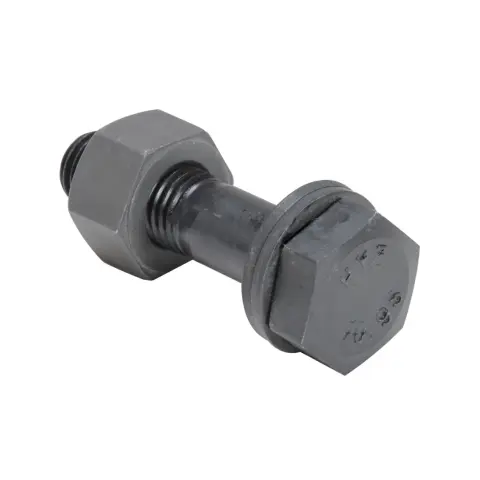
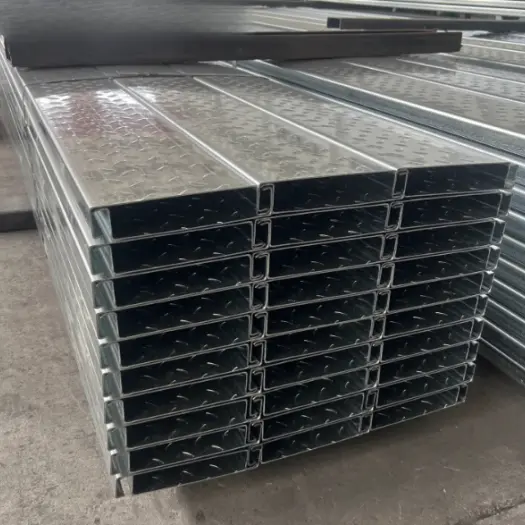
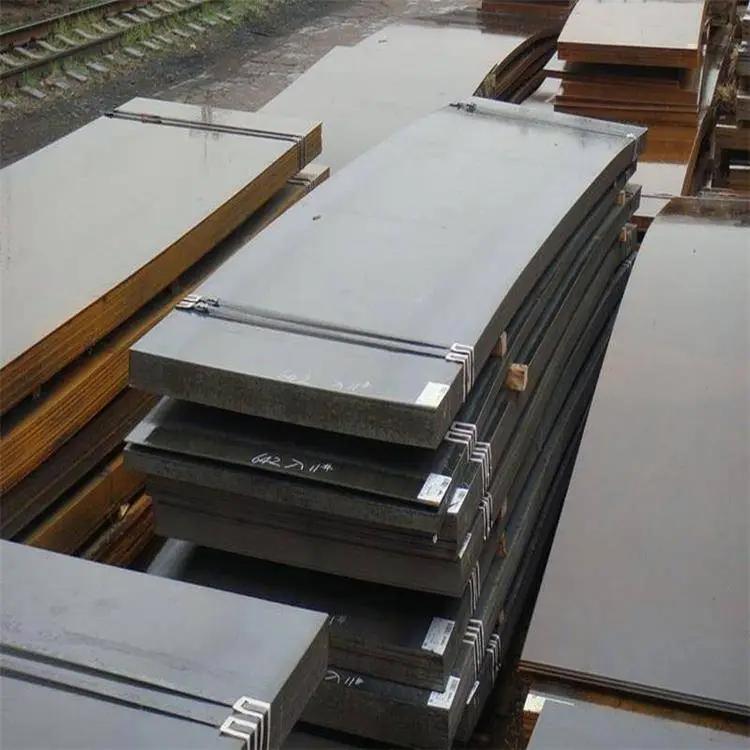
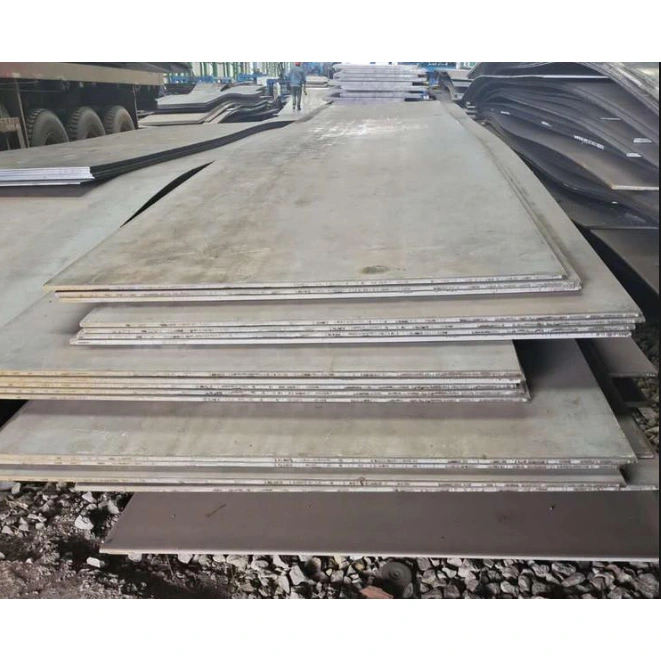
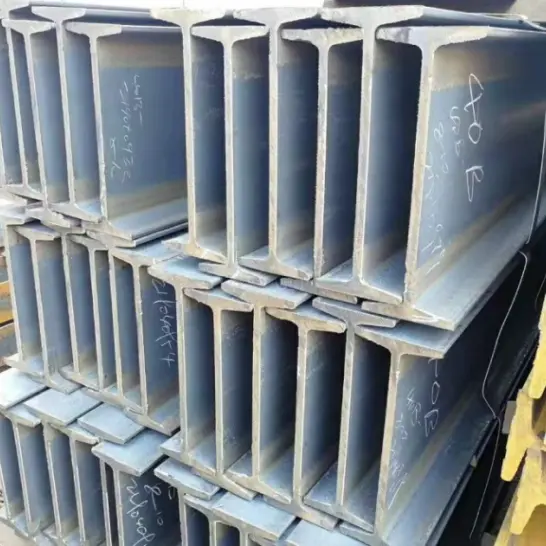
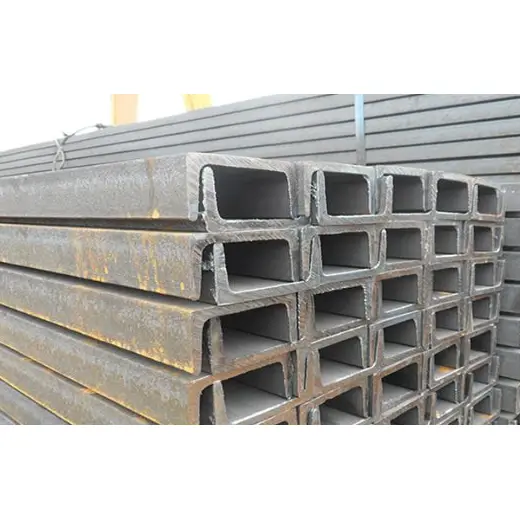
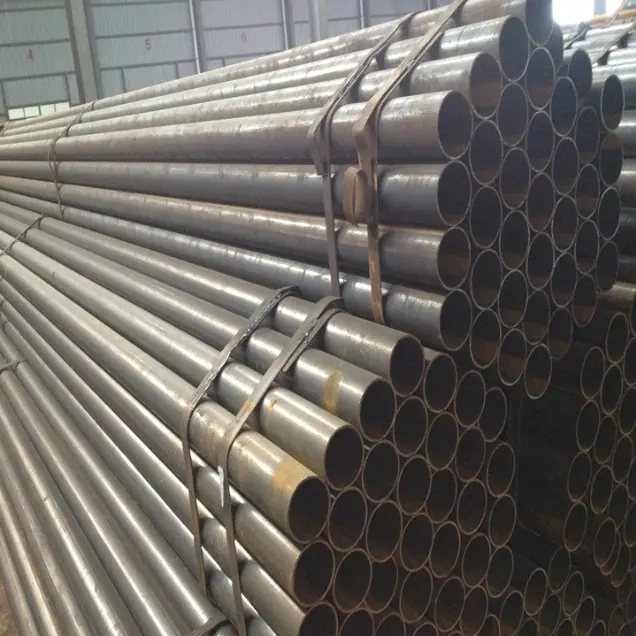
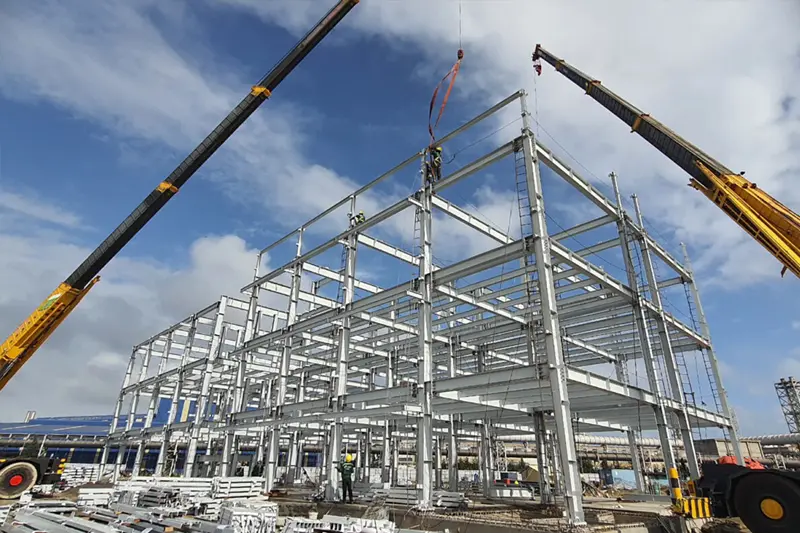
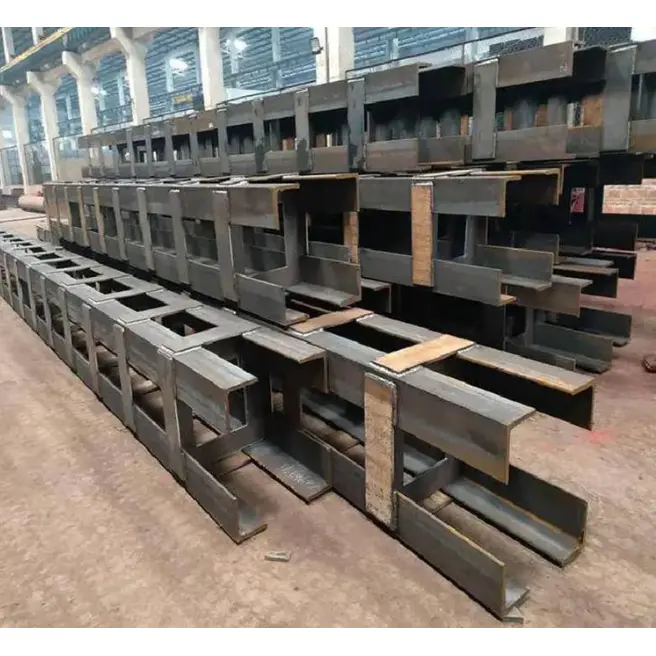
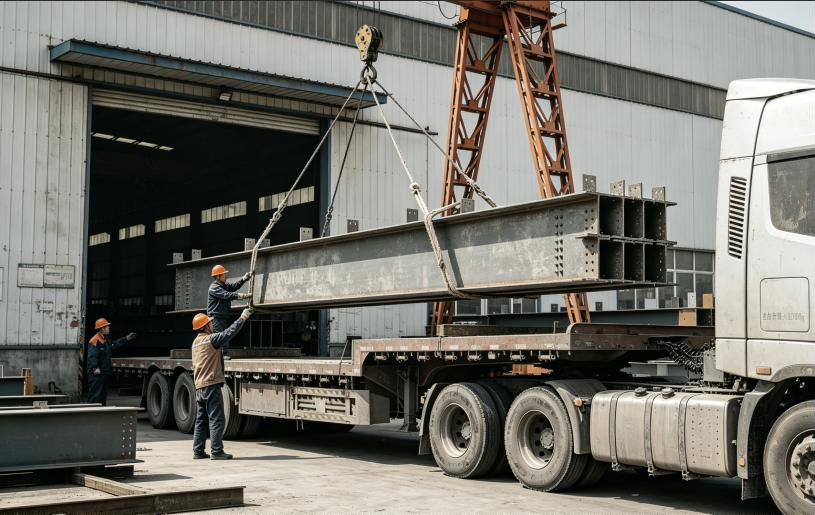
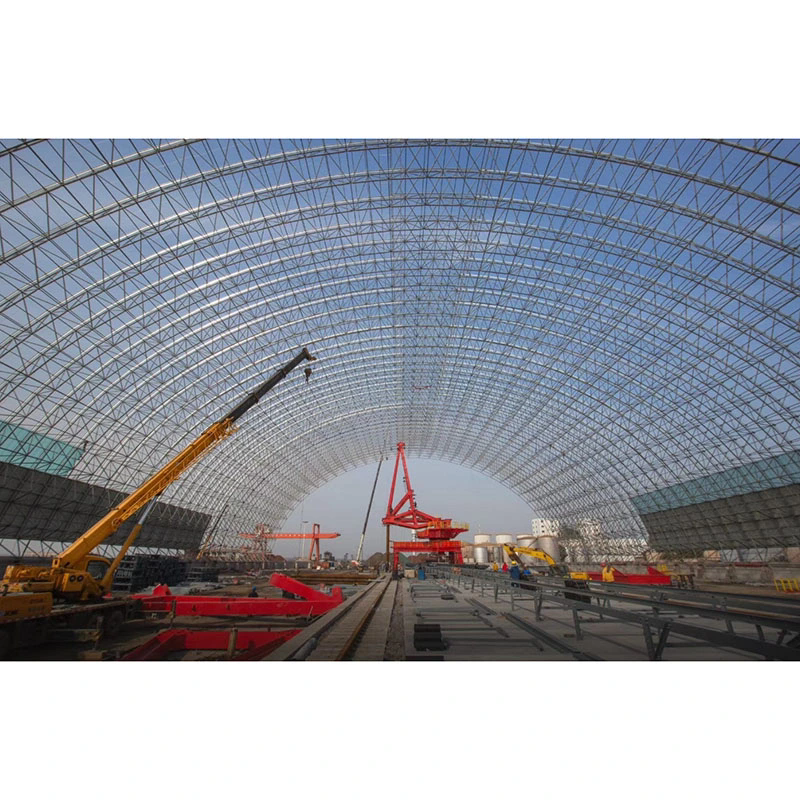
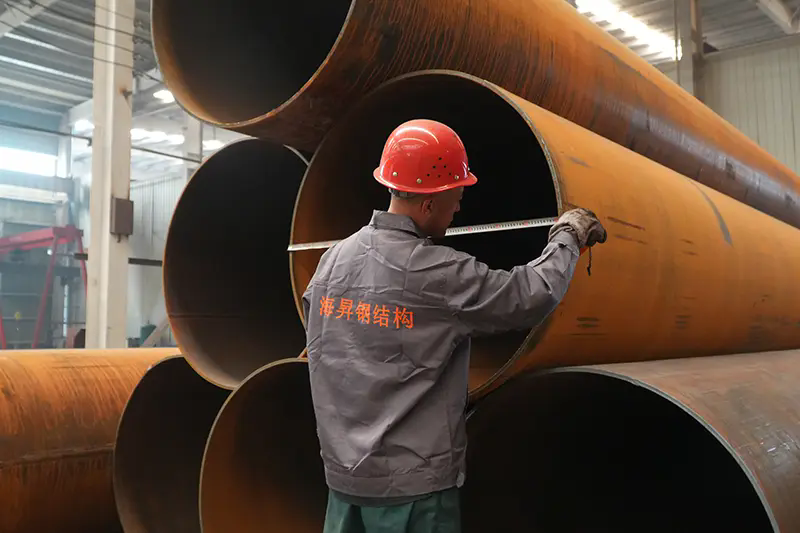
As a reliable China structural steel Manufacturer and one-stop Supplier, HAISHENG supplies in-stock Structural Steel Plates for construction, steel structure and machinery manufacturing projects. Complying with GB/T 700 and GB/T 1591, these plates mainly adopt Q235B and Q355B grades, including hot rolled, cold rolled, medium thick and checkered types. With high strength, good toughness and superior weldability, Hot Rolled Structural Steel Plates are widely used for beams, slabs, equipment bases and various load-bearing panels, serving as essential universal steel materials for industrial and building engineering.
Hot Rolled Structural Steel Plates are fundamental raw materials for building steel structures, heavy machinery, municipal roads and bridges. Produced in accordance with national standards GB/T 700-2006 and GB/T 1591-2018, they are classified into hot rolled plates, cold rolled plates, medium-thick plates and anti-slip checkered plates. Featuring balanced mechanical properties and excellent performance in welding, cold bending and punching, integrated Structural Steel Plates deliver continuous force transmission without splicing gaps, ideal for large-area load-bearing substrates and joint connecting plates.
HAISHENG provides a full range of thickness specifications of Hot Rolled Structural Steel Plates, customizable cutting for special-shaped parts and embedded plates, complete material mechanical test reports, and anti-corrosion processing such as painting and hot-dip galvanizing, to meet bulk steel procurement demands of steel structure, machinery and municipal projects in one stop.
1. Applicable Production Standards
GB/T 700-2006 Carbon Structural Steel
GB/T 1591-2018 Low Alloy High Strength Structural Steel
GB/T 3274 Dimension and Shape Acceptance for Carbon Structural Thick Plates
2. Core Product Features
2.1 Material & Mechanical Characteristics
Mature carbon and low alloy material series with mainstream Q235B and Q355B grades achieve balanced strength, plasticity and toughness, stable mechanical properties at room temperature, capable of bearing static loads, dynamic loads and certain temperature differences.
Integrally rolled plates feature uniform internal texture and continuous force transfer, with outstanding compression, bending and folding resistance for large-area load-bearing and enclosure substrates.
Diverse steel grades ranging from ordinary strength to high strength for selection, matching different load levels including light enclosures, heavy load-bearing and equipment pressure-bearing components.
2.2 Category & Process Differences
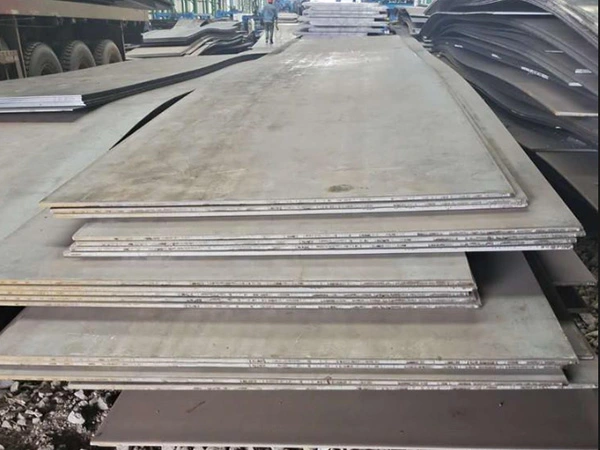
Hot rolled plates: Good toughness, wide thickness range, low cost, high temperature resistance and excellent on-site welding performance as the primary engineering material; covered with oxide scale and moderate dimensional precision.
Cold rolled plates: Smooth surface, tight dimensional tolerance, high flatness and superior bending performance for precision machining, stamping and decorative components; thin thickness and weaker high temperature resistance than hot rolled plates.
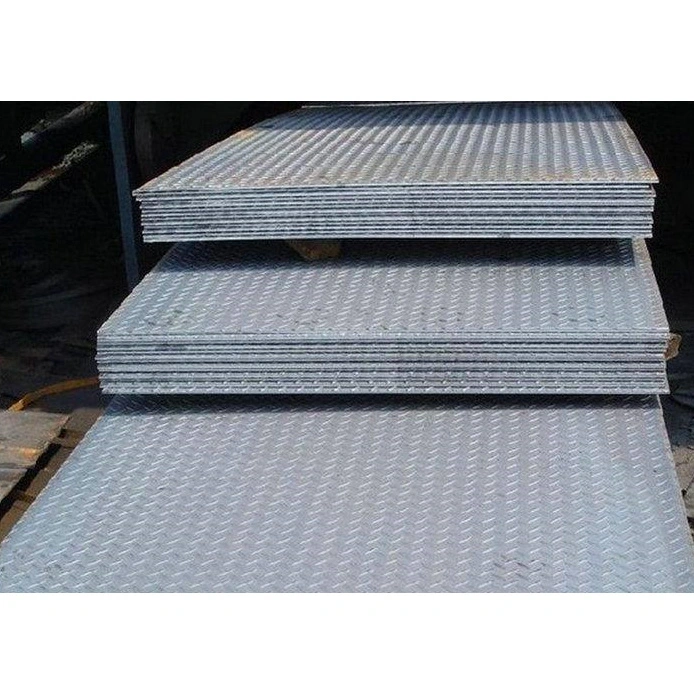
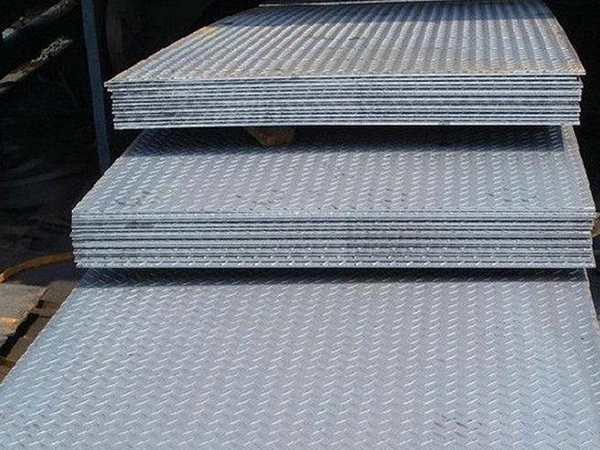
Derivative functional varieties: Checkered plates are anti-slip and wear-resistant for walkways and platforms; medium-thick plates target heavy-load large components; cut plates and original coil plates support flexible cutting with high material utilization.
2.3 Machining & Assembly Advantages
Comprehensive machining performance supports cutting, bending, punching, rolling, welding, polishing and coating, compatible with all steel structure fabrication processes.
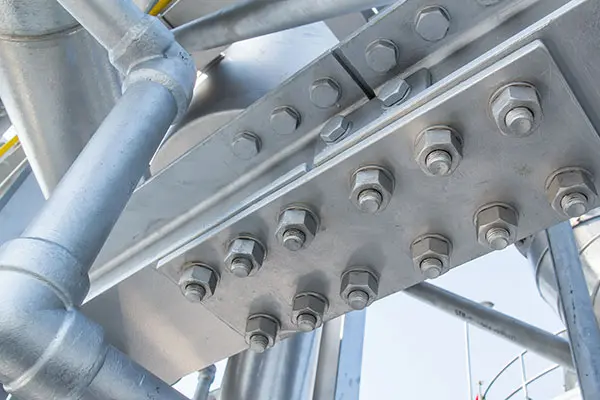
Flat plates enable easy splicing, lapping and butt joint construction, matching seamlessly with section steel, tubes and fasteners for complex joints.
Flexible sizes allow whole plates to be cut into special-shaped pieces, small slabs and embedded parts with strong universality.
2.4 Environmental Adaptability
Base steel possesses decent weather resistance; after derusting, painting or hot-dip galvanizing anti-corrosion treatment, it can be applied indoors, outdoors and humid environments for long-term service.
Wide applicable temperature range: Ordinary carbon steel plates work normally between -20℃ and 350℃; special steel grades satisfy low or high temperature working conditions.
2.5 Cost Advantages & Limitations
Sufficient raw material supply, complete specifications and mass production reduce unit cost, bringing high comprehensive cost performance as the most basic general steel for steel structures.
Thin plates show weak resistance to local impact and denting; extra thick plates carry large self-weight and increase overall structural load.
Bare plates are prone to rust under exposed conditions and must be equipped with anti-corrosion treatment; strict parameter control is required for cold bending and stamping of high-strength plates to avoid cracking.
3. Application Scope of Hot Rolled Structural Steel Plates
3.1 Main Applications
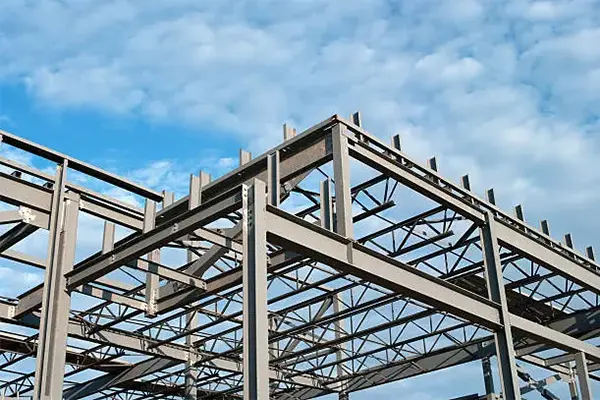
Building steel structure engineering: Floor base plates, roof panels, wall panels and platform slabs; stiffeners, partition plates, head plates, connecting plates and embedded steel plates for steel columns and beams, core materials for main load-bearing and joint connections.
Equipment & machinery manufacturing: Equipment shells, bases, frames, guards, silos, mold backing plates and wear-resistant liners for construction machinery.
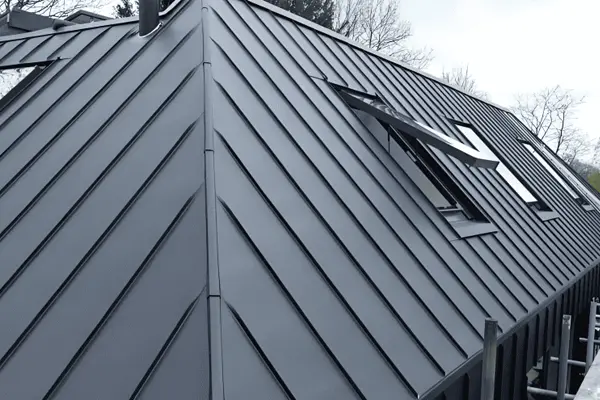
Enclosure & pavement platforms: Checkered plates for workshop walkways, stair treads and trench covers; ordinary plates for factory enclosures and partition baffles.
Pressure vessel & pipe accessories: Atmospheric storage tanks, water tanks, pipe heads, pipe supports and cylinder reinforcing plates for non-high pressure load-bearing components.
Municipal & bridge engineering: Bridge auxiliary backing plates, road guard boards, municipal fences, manhole cover base plates, river revetment boards and traffic facility components.
Hardware & non-standard processing: Cut into special-shaped edge closing parts, water stop plates, reinforcing plates and temporary support slabs for various non-standard spare parts.
3.2 Matching Uses by Product Category
Hot rolled medium thick plates: Mainly thick plates for heavy steel components, equipment bases, bridges, storage tanks and large load-bearing panels.
Hot rolled cut plates: Regular thin and medium thickness with high cost performance, widely used for factory beams, columns and enclosures with the largest engineering consumption.
Cold rolled thin plates: Smooth high-precision surface for precision stamping, decorative panels, electrical cabinets and light outer shells.
Checkered steel plates: Outstanding anti-slip performance dedicated to pedestrian platforms, stair treads and vehicle floor boards.
3.3 Simple Selection Tips
Prioritize hot rolled plates for load-bearing, welding and outdoor open-air working conditions;
Choose cold rolled plates for appearance requirements, precision stamping and indoor decoration scenarios;
Adopt checkered plates for pedestrian passages and anti-slip areas.
4. Full Range Performance Parameters
4.1 Main Grades & Room Temperature Mechanical Properties
Material Grade
Yield Strength ReL (MPa)
Tensile Strength Rm (MPa)
Elongation After Fracture
Impact Energy Akv (Ambient Temp)
Core Application
Q235B
≥235
375~500
≥26%
≥27J
Most universal for factories, beams, columns, enclosures, embedded parts, general components
Cold bending property: Q235 & Q355 support 180° cold bending with mandrel diameter ≤ 2 times plate thickness, no cracks or delamination at bending positions.
Welding property: Low carbon equivalent brings excellent weldability, compatible with manual arc welding and gas shielded welding without complex preheating.
Stamping & bending: Cold rolled sheets deliver optimal stamping performance; large-angle bending is not recommended for thick plates.
Service temperature: General carbon steel plates range from -20℃ to 350℃; Q355D/E grades for low-temperature projects with minimum resistance to ultra-low temperature.
4.5 Reference Section Mechanical Parameters
Bending section modulus rises exponentially with plate thickness
Shear strength equals 0.5~0.6 times yield strength
Thin plates are prone to local instability under compression while thick plates maintain stable compression resistance
4.6 Surface Quality & Anti-corrosion Treatment
Delivery surface status: Hot rolled with oxide scale, smooth cold rolled surface, pickled, shot blasted, sandblasted
Anti-corrosion solutions
Paint / epoxy primer: For regular indoor environments
Hot-dip galvanizing: Zinc coating thickness 60~120μm for long-term outdoor service
Shot blasting + anti-rust coating: Standard process for steel structure projects
Surface acceptance standard: Free of cracks, folds, scars, delamination and severe rust.
❌ Unsuitable Scenarios Inner walls of high-pressure vessels, high temperature & high pressure pipelines, severe corrosive media (special vessel steel or stainless steel required).
Quick Selection Rules
Ordinary factories, enclosures and small fittings: Q235B hot rolled plate
Heavy-load beams and thick plates, bridges: Q355B medium & thick plate
Appearance decoration and stamping, cabinet shells: Cold rolled thin plate
Walkways, operating platforms and stairs: Anti-slip checkered plate
5. Common Specification Tables of Hot Rolled Structural Steel Plates
5.1 Hot Rolled Ordinary Steel Plate (Cut Plate / Original Plate, Q235B/Q355B)
Heavy column base plates, bridge auxiliary plates, large equipment bases
14
109.90
Pressure vessel head plates, heavy-load bearing plates
16
125.60
Large steel structure bearing backing plates, bridge components
20
157.00
Extra thick base plates, large heads, heavy machinery base bodies
25/30/40/50/60
196.25 / 235.50 / 314.00 / 392.50 / 471.00
Ultra-heavy equipment, large bridges, special engineering components
5.2 Cold Rolled Steel Plate (0.5~3.0mm, smooth high precision surface)
Standard sheet size: 1000×2000, 1220×2440, 1500×3000 Common thickness: 0.5, 0.8, 1.0, 1.2, 1.5, 2.0, 2.5, 3.0 mm Core usage: Electrical cabinet shells, stamping parts, decorative panels, precision hardware, light outer casings Feature: High dimensional accuracy, oxide-free surface, not suitable for high temperature and heavy load working conditions.
Heavy-load beams, thick plates, bridges, large steel structures: Q355B
Distinction between cut plate & original plate
Cut plate: 2–12mm, low cost, average flatness, first choice for civil & ordinary steel structures
Original plate: Thickness above 12mm, uniform internal structure, stable mechanical performance, mandatory for heavy load & bridge projects
5.5 General Weight Calculation Formula
Weight per square meter (kg/㎡) = Thickness (mm) × 7.85
Single plate total weight = Length (m) × Width (m) × Thickness (mm) × 7.85
6. HAISHENG Factory Supply Advantages
Direct supply from original factory warehouse: Self-owned plate cutting workshop with full specifications of hot rolled, cold rolled and checkered medium-thick plates in stock, no middlemen markup, obvious cost advantage for large overseas engineering projects.
Stable fast delivery: Regular thickness and width plates are fully stocked all year round, supporting batch delivery and urgent cutting of special-shaped embedded plates and stiffeners to meet tight construction schedules.
Full-process quality inspection traceability: Raw material mechanical re-inspection before warehousing, sampling during rolling and full visual inspection of finished size and appearance. Each batch is attached with complete material certificate, tensile and impact test reports, supporting third-party on-site sampling inspection for smooth overseas project acceptance.
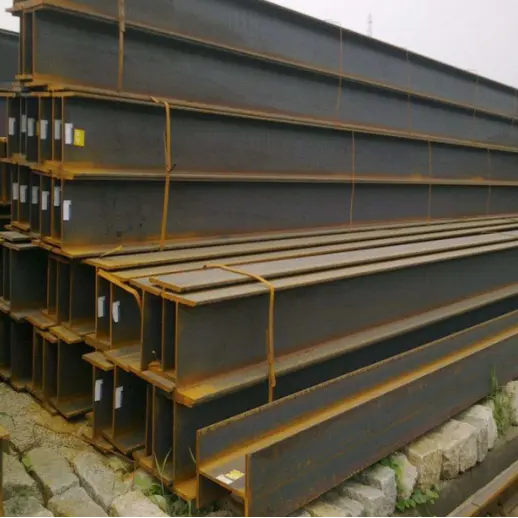
One-stop supporting processing service: CNC cutting, bending, punching, groove cutting and hot-dip galvanizing anti-corrosion prefabrication available, matched with H-beams, I-beams, channels and high strength bolts for integrated export packaging.
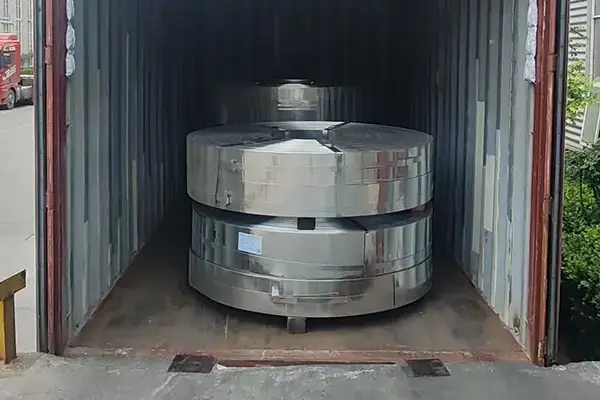
Standard export packaging: Steel plates covered with film and bundled by steel strips, reinforced by wooden pallets for moisture and rust prevention, complete Chinese and English certificates and material reports for customs clearance and site acceptance.
7. Frequently Asked Questions
Q: Shall we select Q235B or Q355B plates for indoor factory enclosures?
A: Cost-effective Q235B for light enclosures and small embedded parts; high-strength Q355B medium-thick plates for heavy beam end plates, equipment bases and bridge load-bearing components.
Q: Which anti-corrosion treatment delivers longer service life for plates used in coastal open-air projects?
A: Whole plate hot-dip galvanizing is prioritized for long-term outdoor salt spray environments; sandblasting plus two layers of epoxy anti-rust primer for short-term indoor humid conditions.
Q: How to distinguish cut plates and original plates, which one to choose for heavy-load projects?
A: 2–12mm thin & medium plates are cut plates with lower price; plates over 12mm are rolled original plates with uniform internal metallographic structure and stable performance, mandatory for bridges and heavy equipment bases.
Q: Does the raised checkered pattern thickness count as load-bearing calculation thickness?
A: Only base plate thickness is adopted for structural design calculation, anti-slip protrusions are excluded from force-bearing thickness, select plates by base thickness according to load demands.
Q: Can cold rolled plates be used for equipment load-bearing bases?
A: Not recommended. Cold rolled plates feature thin thickness and weak high temperature resistance; hot rolled medium-thick plates are uniformly adopted for heavy-load bases and welded force-bearing components.
Hot Tags: Hot Rolled Structural Steel Plates, Supplier, Custom
Contact HAISHENG China supplier of Structural Steel Components, Steel Structure Cladding Components and Structural Steel Fasteners. Our professional sales team will reply with detailed quotation, product parameters and delivery plan within 24 hours to meet your bulk procurement demand.
We use cookies to offer you a better browsing experience, analyze site traffic and personalize content. By using this site, you agree to our use of cookies.Privacy Policy