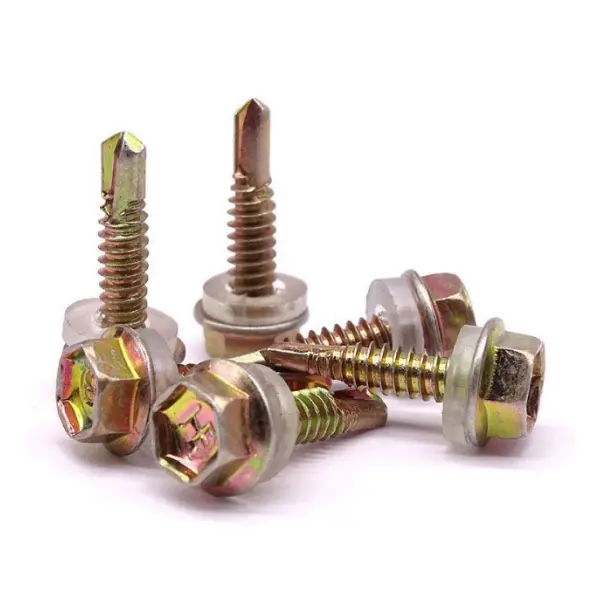
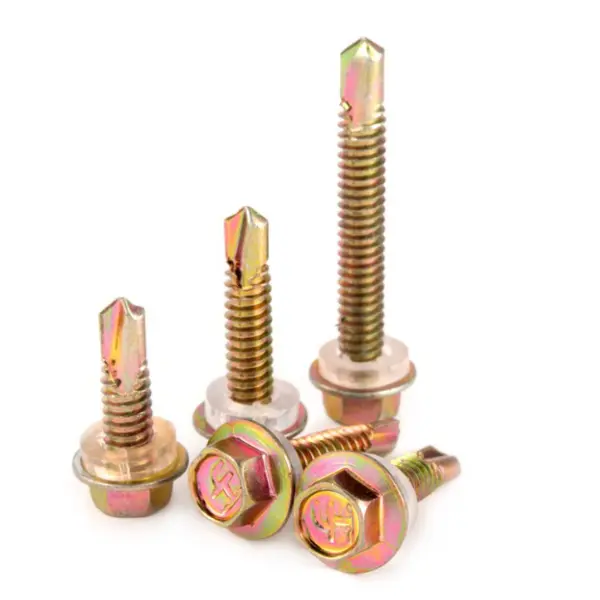
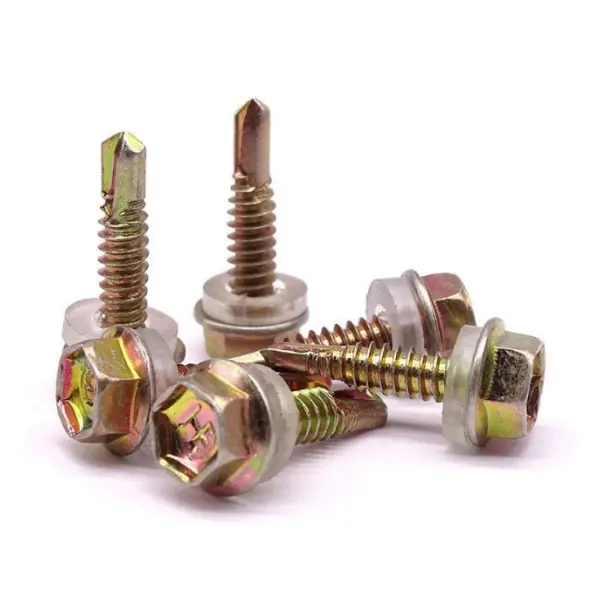
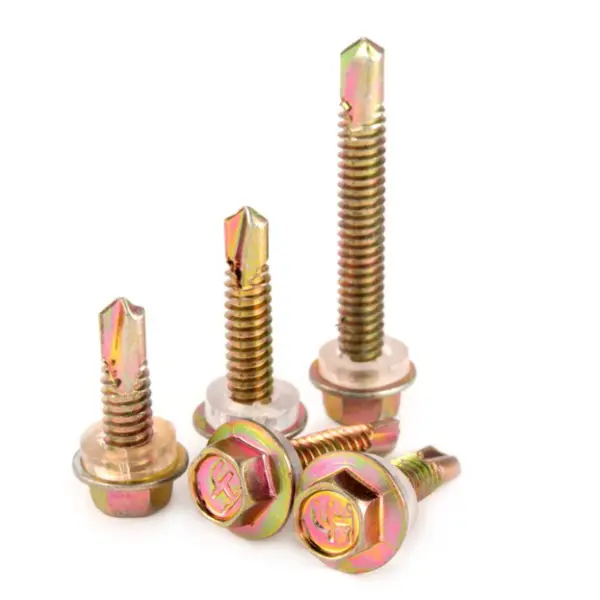
HAISHENG is a specialized manufacturer and supplier of Self Tapping Screws for Steel Cladding Systems. These fasteners are engineered for use in steel structure facilities—specifically for roofing, wall cladding, flashing, and corner trim—and utilize their own threading or drill-point structures to fasten metal sheets directly. They fall into two main categories: standard self-tapping screws and self-drilling self-tapping screws. Most feature anti-corrosive zinc plating, making them suitable for outdoor environments.
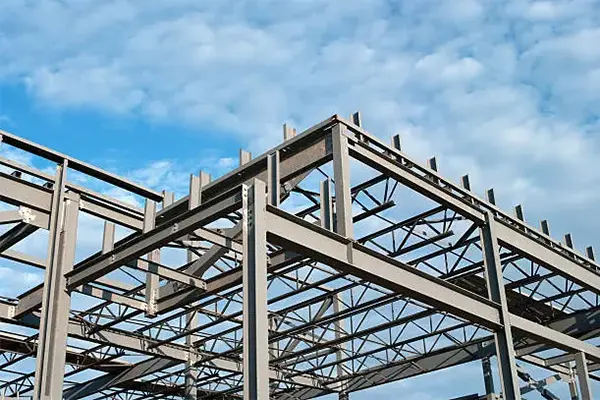
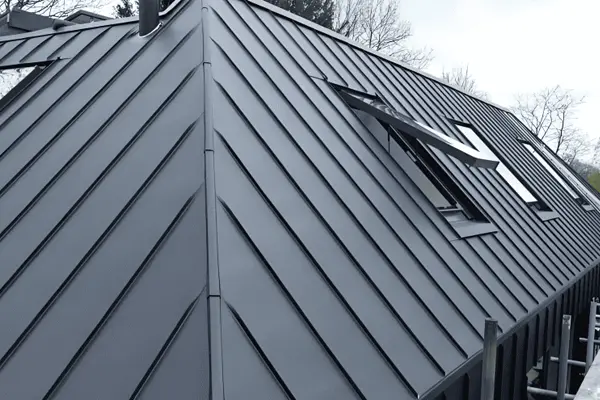
Self Tapping Screws for Steel Cladding Systems are designed specifically for steel structure building envelopes, including roofing, wall cladding, and trim components (such as flashing and corner angles).
Material: Medium carbon steel (1022) or stainless steel (410/304); heat-treated and finished with zinc plating or composite coatings.
Core Function: Eliminates the need for pre-drilling; performs drilling, tapping, and fastening in a single step. Suitable for connecting thin metal sheets (0.5–6mm), such as color-coated steel, galvanized sheets, and light-gauge steel purlins.
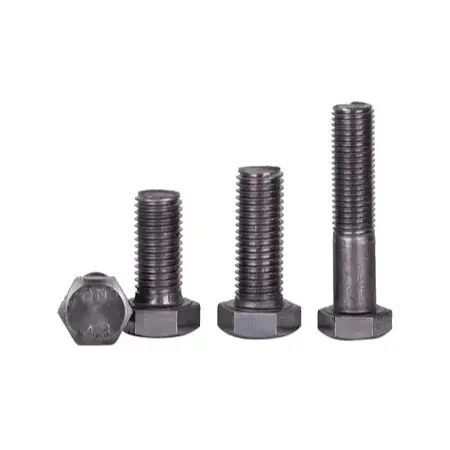
Head: Hex washer head; compatible with socket drivers or power wrenches; offers high torque resistance and prevents slippage.
Point: Integrated drill point (miniature twist drill) with chip-removal flutes; capable of drilling directly through steel plates.
Thread: Coarse thread (14 TPI); provides strong self-tapping capability and high clamping force.
Surface Finish: Hot-dip galvanized, colored zinc, or Dacromet; corrosion-resistant and suitable for outdoor use.
Product Configuration
Standard assembly includes the screw body and a waterproof sealing washer (pre-assembled); ready for immediate use on-site without the need for manual washer installation.
1) Screw Body (Core Component)
Head Type: Hex washer head; offers high load-bearing capacity and a secure, flush fit. Specifications (Common):
o Diameter: 5.5mm (#12), 6.3mm (#14)
o Length: 25–150mm (must penetrate the panel and insulation layer, with ≥25mm embedment into the purlin)
Drill point: ST4.2–ST6.3, corresponding to various steel sheet thicknesses.
2) Sealing Washer (Critical for waterproofing; pre-assembled/integrated)
Structure: Composite washer consisting of a metal washer (galvanized steel / stainless steel) + EPDM rubber.
Functions: Waterproofing, leak prevention, aging resistance, and weather resistance (operating range: -40°C to 120°C).
Dimensions: Outer diameter ≥19mm; provides a large contact area for reliable sealing. 3) Required Tools (Essential for Installation)
Drivers: 1/4″ hex sockets (8mm/10mm); cordless impact wrench or electric drill
Auxiliary tools: Spirit level, tape measure, safety tether (for work at heights)
Key Performance Parameters
Tensile strength: ≥450 MPa
Surface hardness: HRC 35–45 (hard drill point, tough core)
Pull-out strength: ≥8700 N (Q235, 4mm steel plate)
Torque: ≥10.9 Nm
Salt spray resistance: ≥500 hours (hot-dip galvanized)
Applicable plate thickness: 0.5–6 mm (depending on drill point specification)
Typical Application Scenarios
Roofing: Fixing color-coated steel sheets to steel purlins (wind uplift resistance and waterproofing)
Wall cladding: Fixing color-coated steel sheets to wall girts/purlins
Trim/Flashing: Fixing ridge caps, eaves, and door/window corner trims
Others: Photovoltaic (PV) mounting systems, air ducts, and light-gauge steel building envelopes
Key Advantages of Self Tapping Screws for Steel Cladding Systems
1. Eliminates pre-drilling and tapping steps; fast and labor-saving installation
2. Tight engagement; resistant to loosening and detachment
3. Compatible with various materials; highly versatile
4. Compact size; suitable for connecting thin-walled and lightweight components
Differentiators
Comparison: Standard sharp-point self-tapping screws, standard bolts, and blind rivets
I. Key Differentiators
1. Integrated drilling and fastening; extremely high installation efficiency
Features a built-in drill point cutting structure; eliminates the need for pre-drilling or tapping. Drilling, threading, and fastening are completed in a single step, significantly reducing process steps—ideal for large-scale envelope installation on construction sites.
2. Hex flange head; strong clamping force without slipping
Combines an external hex drive with a flange face, allowing for high-torque application with electric wrenches. The large bearing surface minimizes the risk of thread stripping or head shearing, making it suitable for conditions involving vibration or wind pressure in steel structures.
Pre-assembled at the factory with metal and EPDM components. Rubber composite washer: Fits snugly against the panel surface after tightening; resistant to aging and temperature extremes; prevents water leakage at the source; specifically designed for waterproofing building envelope systems.
4. Hardened material, suitable for metal connections
Through-hardened with high surface hardness; capable of reliably drilling through 0.5–6mm color-coated steel sheets and galvanized steel sections; balanced toughness ensures resistance to breakage or thread stripping during installation, offering superior load-bearing capacity compared to standard self-tapping screws.
5. Corrosion and weather resistance, suitable for outdoor environments
Features standard surface treatments such as colored zinc plating, hot-dip galvanizing, or Dacromet coating; offers excellent resistance to salt spray and rust; durable for long-term use in open-air or coastal industrial facilities; ideal for outdoor steel structure envelope applications.
6. Strong thread engagement, resistant to wind uplift and loosening
Specialized coarse self-tapping threads ensure tight engagement with steel purlins; provides excellent pull-out and slip resistance; withstands strong wind loads on roofs and resists loosening over time.
II. Comparison with other fastener types (limitations)
1. Vs. standard sharp-point self-tapping screws: Higher unit cost; unsuitable for non-metallic substrates like wood or plastic.
2. Vs. standard bolts: Lower load-bearing capacity; cannot be used for primary structural load-bearing joints; suitable only for envelope systems and thin-sheet connections.
3. Vs. blind rivets: Allows for repeated disassembly and maintenance (unlike single-use rivets); however, seismic resistance and tolerance for repeated deformation are lower than those of high-strength structural fasteners.
On-site Installation Process
Self Tapping Screws for Steel Cladding Systems Applicable scenarios: Factory roofing, wall cladding (color-coated steel sheets), flashing and corner trim, light-gauge steel envelope systems, etc.; installation follows general specifications for steel structure envelope construction.
I. Construction Preparation
1. Material Inspection
Verify specifications, length, and anti-corrosion coating; inspect pre-assembled composite washers to ensure they are intact and free from detachment or cracking; distinguish between drill-point specifications to match the total thickness of the panels.
2. Tool Preparation
Hexagonal socket driver, variable-speed electric wrench / Prepare a handheld power drill, adjusting the speed and torque settings in advance; also prepare a tape measure, a marker, and a utility knife.
3. Base Surface Preparation
Ensure the surfaces of the panels and purlins are free of debris, loose rust, or protrusions; ensure panel overlap joints are smooth and the panel surfaces are free of warping.
4. Layout and Positioning
Snap lines according to the drawings to determine screw spacing, ensuring horizontal and vertical alignment.
II. Positioning and Fastening Operations
1. Align and fit the panels together, securing them temporarily to ensure the overlap width meets design specifications.
2. Apply pressure perpendicular to the panel surface while drilling; maintain vertical alignment—tilting or driving screws at an angle is strictly prohibited.
3. Drill and fasten at a steady speed, allowing the self-drilling tip to penetrate the panel and purlin; avoid sudden or excessive force to prevent breaking the drill tip or deforming the panel.
4. Fastening Standard: The flange should compress the composite washer so that the rubber gasket is evenly compressed and expands slightly outward; do not overtighten, as this can crack the rubber gasket or cause the panel surface to indent and leak.
5. Installation Sequence: Proceed from the center of the span toward both ends and from the middle outward to minimize accumulated stress in the panels.
III. Key Installation Points for Different Areas
1. For roofing panels, position screws on the crests of the corrugations; driving screws into the troughs is prohibited (as this leads to water accumulation and leakage); spacing... Strictly adhere to the drawings, with particular emphasis on increasing fastener density around the ridge, eaves, and gutters.
2. Install vertical wall panels from top to bottom; increase screw density at overlap joints to ensure a watertight seal.
3. Apply double-fastening at trim, corner flashing, and closure points, with screws distributed evenly on both sides of the corner to prevent edge curling or water leakage.
IV. Inspection and Protection of Finished Work
1. Comprehensive visual inspection: Ensure screws are vertical and evenly spaced, and that washers are intact and correctly positioned.
2. Ensure panel surfaces are free of significant dents or scratches and that overlap seals are intact.
3. Prohibit stepping on, prying, or striking completed areas to prevent screw loosening or seal failure.
4. Immediately replace or rework any damaged washers or misaligned screws.
V. Construction Prohibitions
1. Do not remove or replace original composite washers; installation without washers is strictly prohibited.
2. Do not drive screws at an angle or overtighten with excessive torque, as this can cause leaks or screw breakage.
3. Do not use screws with worn drill points or damaged threads.
4. Avoid outdoor installation during rain or when panel surfaces are wet.
Key Performance Parameters of Self Tapping Screws for Steel Cladding Systems
I. Base Material and Surface Treatment
1. Base material: Standard 1022 steel Medium-carbon steel (quench-hardened); 410/304 stainless steel for high-corrosion environments
Contact HAISHENG China supplier of Structural Steel Components, Steel Structure Cladding Components and Structural Steel Fasteners. Our professional sales team will reply with detailed quotation, product parameters and delivery plan within 24 hours to meet your bulk procurement demand.
We use cookies to offer you a better browsing experience, analyze site traffic and personalize content. By using this site, you agree to our use of cookies.Privacy Policy