The Ministry of Industry and Information Technology has officially issued the 15th Five‑Year Plan for Industrial Green and Low‑Carbon Development, setting clear quantified targets, institutional arrangements and implementation paths to peak industrial carbon emissions by 2030. Different from previous guiding policies, the new plan imposes rigid, actionable constraints on high‑energy‑consuming and high‑emission industries. Steel, as a core high‑carbon sector, faces upgraded supervision, structural adjustment and low‑carbon transformation pressure. Based on exclusive interviews with senior industry experts, this article sorts out the core policy signals and development trends for the global steel industry.
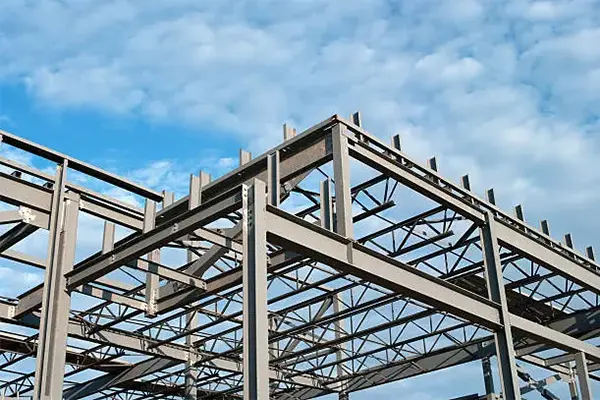
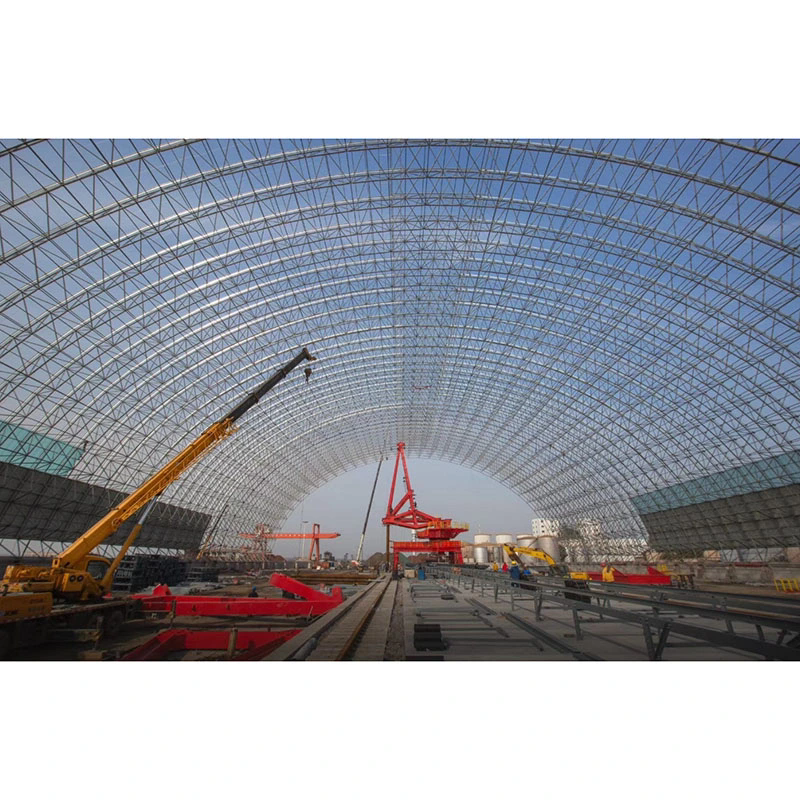
Steel truss systems have become an essential solution for modern construction projects that require large spans, high strength, and efficient space utilization. From industrial plants and warehouses to stadiums, airports, exhibition centers, and public facilities, steel trusses provide excellent load-bearing performance while reducing structural weight and construction complexity.
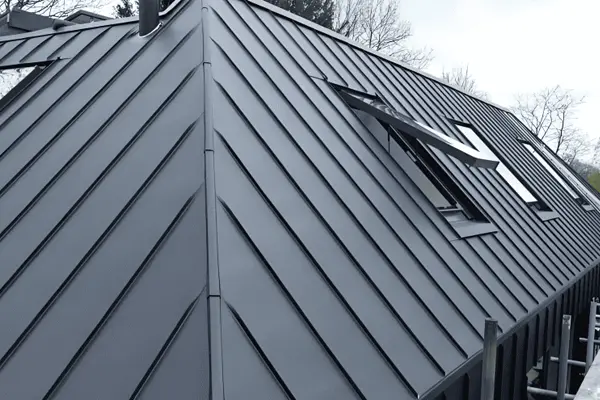
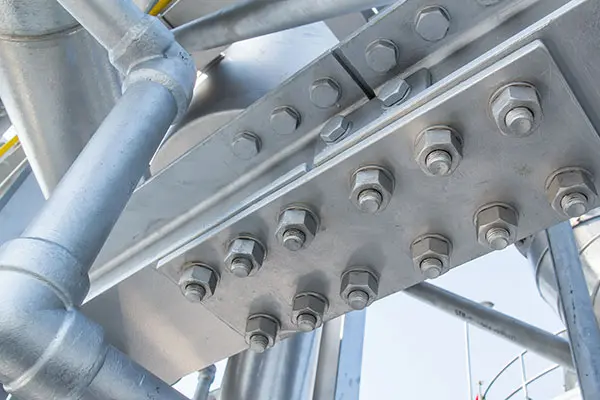
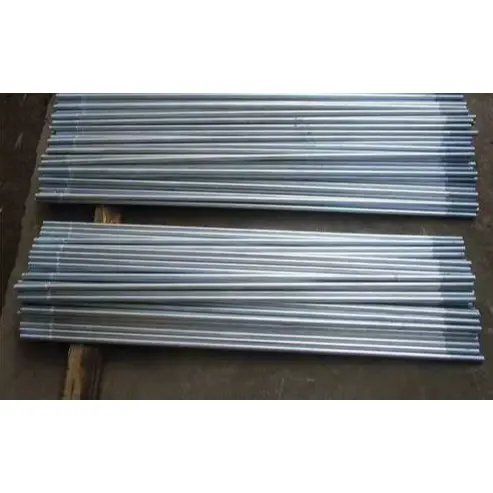
Global prefabricated steel‑structure projects keep expanding, with fast‑track construction of industrial plants, logistics warehouses, commercial complexes and high‑rise steel buildings. Most general contractors and engineering buyers focus heavily on the main steel frame, yet frequently overlook compatibility between secondary enclosure/floor components and connection hardware. Poor selection of secondary components will trigger late‑stage project hazards such as roof deformation, floor slab cracking, joint leakage and fastener corrosion. Drawing on years of export and project‑support experience for steel components, HAISHENG interprets key selection principles covering colour panels, purlins, floor decks and matching connection systems, delivering practical engineering references for overseas and domestic steel‑structure projects.
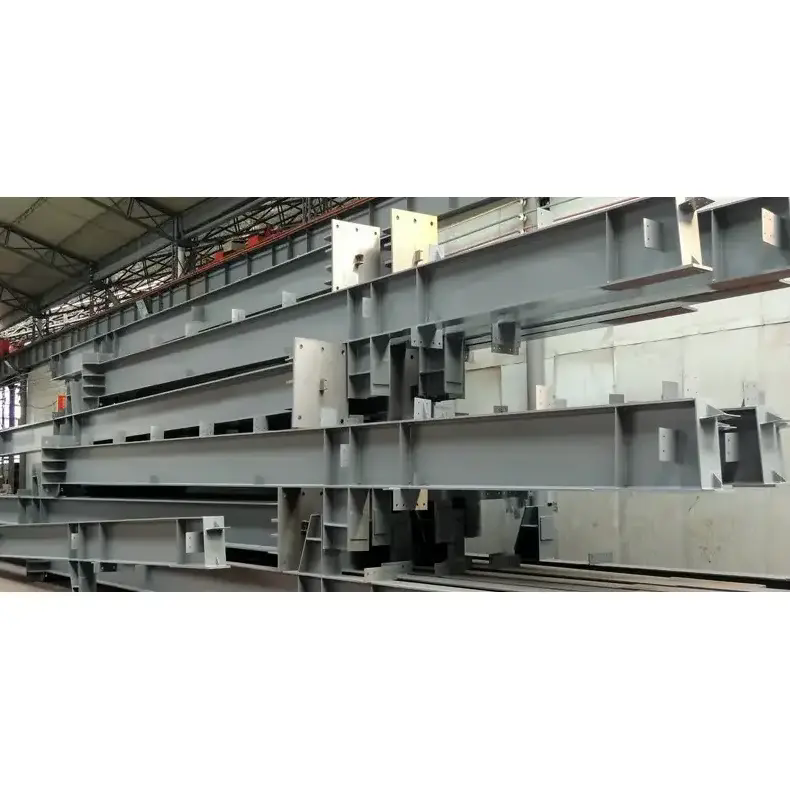
Steel structure columns are essential vertical load-bearing components that determine the stability, durability, and overall performance of steel buildings. With increasing demands for stronger, faster, and more flexible construction solutions, selecting the right steel structure column has become a key challenge for engineers, contractors, and project owners. This article explains how steel structure columns work, why they are widely used, what problems they solve, and how HAISHENG provides reliable structural steel solutions for different construction applications.
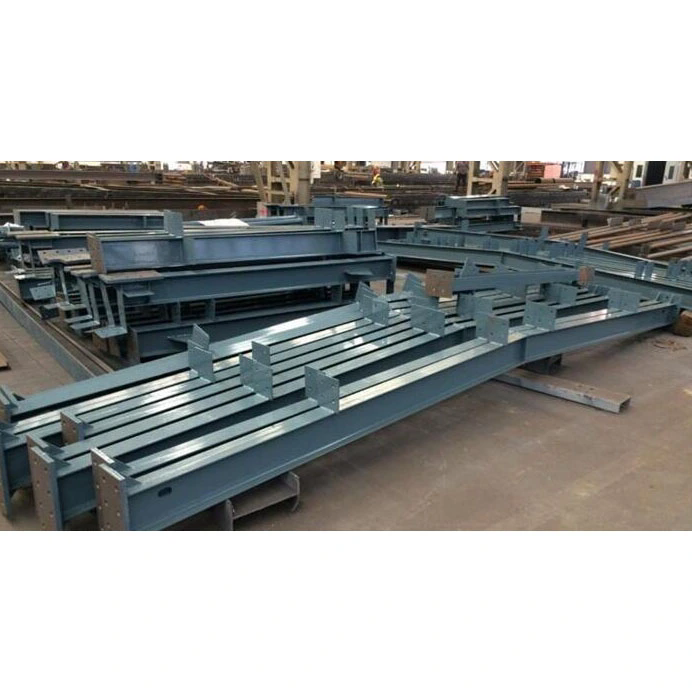
Steel Structure Beam plays an essential role in modern construction by providing strong support, excellent load-bearing capacity, and flexible design possibilities for industrial buildings, warehouses, commercial structures, and large-scale infrastructure projects. Compared with traditional construction materials, steel beams offer advantages such as high strength-to-weight ratio, faster installation, better space utilization, and reliable durability.
Recently, the results of the 2026 National Benchmarking Competition on Energy Conservation and Consumption Reduction for Key Large-Scale Steel Production Equipment have been officially released. Through authoritative benchmark verification and comprehensive evaluation, the competition has selected a total of 9 champion furnaces, 32 winning furnaces and 40 pioneering furnaces. A large number of benchmark furnace and kiln equipment featuring high energy efficiency and sophisticated operation and maintenance have been recognized as industry advanced models, fully demonstrating the fruitful achievements in equipment energy efficiency improvement and green and low-carbon development of China’s steel industry.
We use cookies to offer you a better browsing experience, analyze site traffic and personalize content. By using this site, you agree to our use of cookies. Privacy Policy